
电影

Search documents
口碑成吸引观众的“入场券”(深观察)
Ren Min Ri Bao Hai Wai Ban· 2025-12-18 22:58
Core Insights - The Chinese film market has reached a total box office of 500.03 billion yuan and 1.194 billion total admissions by December 13, 2025, marking a new high in attendance despite a decrease in per capita viewing frequency to 2.02 times [4][5]. Group 1: Market Trends - The increase in total admissions is attributed to blockbuster films like "Nezha: Birth of the Demon Child," which attracted many new and infrequent viewers, although many did not return for additional films [5]. - The audience demographic is shifting, with women making up 60% of viewers and 85% of viewers aged 25 and above, indicating a significant increase in the viewing power of older audiences [7]. - The report highlights a growing preference for niche genres, with male audiences favoring sci-fi, action, and crime films, while female audiences prefer dramas and romances [7]. Group 2: Audience Preferences - The main reasons for audience attendance are compelling stories and high ratings, with 50% of viewers considering a film's quality based on ratings of 8.0 or higher on Douban or 9.0 on ticketing platforms [8]. - The report emphasizes that good word-of-mouth is crucial for attracting viewers, and films must avoid clichéd plots to resonate with younger audiences [9][10]. Group 3: Future Recommendations - The industry is encouraged to pursue "extreme" content production, focusing on diverse and appealing titles, and enhancing emotional resonance to compete with new entertainment forms like short videos [10]. - Continuous high-quality film supply is essential for building audience loyalty, particularly films with strong narratives and emotional value [10][11]. - Long-term strategies should aim to create films that provide a sense of value and satisfaction to viewers, fostering a habit of cinema attendance [11].


中国电影市场活力涌动
Xin Hua She· 2025-12-18 21:48
Core Insights - The Chinese film market has shown remarkable resilience this winter, with multiple films like "The King's Avatar" and "Zootopia 2" contributing to a box office that has surpassed 50 billion yuan for the year [1] - The success of the holiday box office reflects the overall vitality of the film market in 2025, with a diverse range of films being released throughout the year [1][3] Film Market Performance - The total box office revenue for the year reached over 50 billion yuan, driven by popular films across various seasons, including "Ne Zha," "Nanjing Photo Studio," and "The Volunteer Army: Blood and Peace" [1][3] - Analysts noted that films with strong themes, such as animated and patriotic films, performed exceptionally well, contributing to a continuous increase in overall box office performance [3] Film Creation and Themes - A variety of films focusing on relatable narratives and traditional cultural elements have emerged, with titles like "Nanjing Photo Studio" and "The Unique One" resonating with audiences [5] - The integration of traditional culture into animated films has gained market acceptance, showcasing the depth of Chinese cultural heritage [5] Technological Advancements - The film industry is increasingly leveraging new technologies, including AI, to enhance storytelling and production processes, as seen in films like "The Wandering Earth 3" [8] - The introduction of virtual reality films into the management system marks a significant step towards expanding the film industry's technological capabilities [8] Market Expansion and Consumer Engagement - The "film+" consumption model is unlocking new growth potential, with merchandise sales from films like "The Unique One" generating significant revenue [10] - Initiatives linking film and tourism have been launched, boosting visitor numbers to filming locations and enhancing local economies [12][14] Conclusion - The Chinese film industry is experiencing a vibrant phase, characterized by diverse storytelling, technological innovation, and expanding consumer engagement, reflecting a robust and evolving market landscape [9][14]

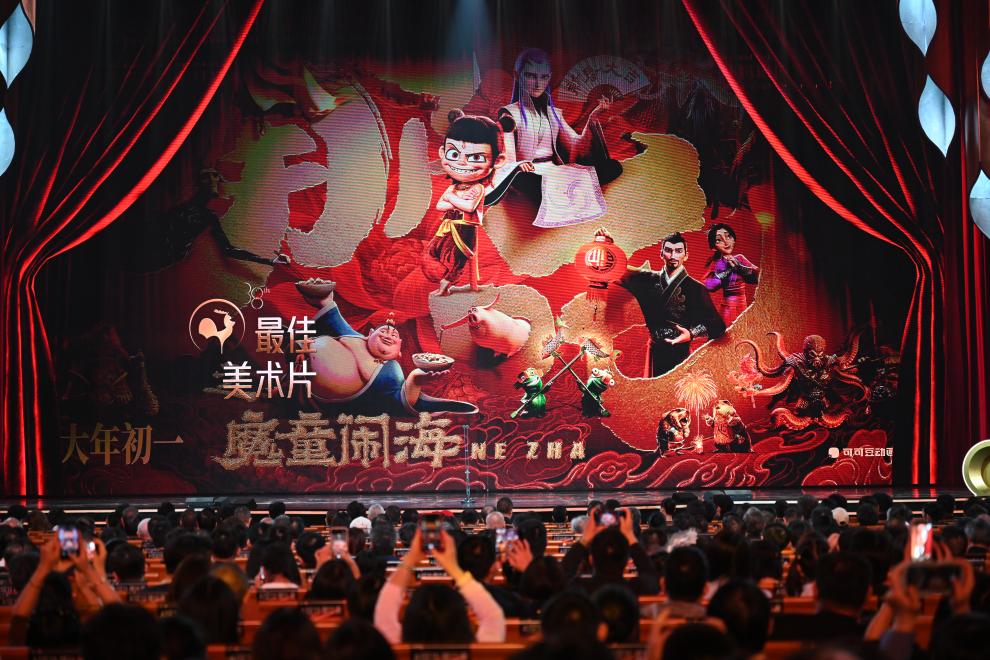
2025贺岁档电影票房破40亿元
Mei Ri Jing Ji Xin Wen· 2025-12-18 15:02
Core Insights - The total box office revenue for the 2025 New Year holiday season (November 28 to December 31) has exceeded 4 billion yuan as of December 18, 22:45 [1] Industry Summary - The film industry is experiencing significant revenue growth during the 2025 holiday season, indicating strong consumer interest and potential for continued box office success [1]
文化新观察·年度文化亮点|中国电影市场活力涌动
Xin Hua She· 2025-12-18 12:33
Core Insights - The Chinese film market has shown remarkable resilience this winter, with multiple films like "The King's Avatar" and "Zootopia 2" contributing to a box office that has surpassed 50 billion yuan for the year [1] - The success of the holiday season reflects the overall vitality of the film market in 2025, with a diverse range of films released throughout the year, including "Nezha: Birth of the Demon Child" and "The Nanjing Photo Studio" [2] Group 1: Box Office Performance - The film market achieved over 50 billion yuan in box office revenue, driven by popular films across various genres and significant holiday releases [4] - Major films such as "Nezha: Birth of the Demon Child" and "The Nanjing Photo Studio" received high ratings on online platforms and won awards at film festivals, indicating a strong correlation between critical acclaim and box office success [4] Group 2: Creative Diversity - Films focusing on relatable narratives and ordinary people's struggles, such as "The Nanjing Photo Studio" and "The Life of a Stray," have resonated with audiences, reflecting societal changes [5] - The integration of traditional culture into storytelling has enhanced the appeal of animated films, with many drawing from classic literature, leading to a surge in the domestic animation industry [5] Group 3: Technological Advancements - The film industry is increasingly leveraging new technologies, including AI and virtual reality, to enhance storytelling and production quality, as seen in films like "The Father and Son" and "The Wandering Earth 3" [8][9] - The introduction of virtual reality films into the regulatory framework has opened new avenues for growth, with several VR films already in production [9] Group 4: Market Expansion - The film industry is exploring new revenue streams through merchandise and tourism, with significant sales generated from film-related products and increased tourist traffic to filming locations [11][12] - Initiatives like "Follow the Movie to Travel" have been launched to promote the synergy between film and tourism, further expanding the economic impact of the film industry [12]
《阿凡达3》点映及预售票房超过1亿元
Zheng Quan Shi Bao Wang· 2025-12-18 11:48
Core Viewpoint - The film "Avatar: The Way of Water" (Avatar 3) has surpassed 100 million yuan in pre-sales and preview box office as of December 18, indicating strong market interest ahead of its official release on December 19 [1] Group 1 - "Avatar: The Way of Water" is the third installment in the globally highest-grossing film series, the "Avatar" franchise [1] - The film has commenced previews, contributing to its significant early box office performance [1]
《阿凡达3》能否续写票房神话
Qi Lu Wan Bao· 2025-12-18 10:00
截至12月13日,2025年中国电影(600977)市场总票房已突破500亿元大关,较2024年全年票房高出75亿 元。本周五,詹姆斯·卡梅隆执导的科幻史诗电影《阿凡达:火与烬》即将上映,这部延续系列"超长叙事"传 统的续作,能否续写票房神话,将成为年末影市的最大悬念。 记者 刘宗智 济南报道 首映获赞 《阿凡达》系列自横空出世以来,不仅一举缔造了影史票房奇迹,更以其前瞻性的想象力与技术革新定义 了现代科幻电影的范式。首部《阿凡达》于2009年上映后,凭借震撼的视觉效果和深刻的环保主题,迅速 成为全球票房冠军,并引领了3D电影的潮流。续作《阿凡达2:水之道》依旧不负众望,在全球范围内收获 了极高的口碑与票房成绩,尤其是其水下场景的呈现,再次刷新了观众对于电影视觉艺术的认知。 詹姆斯·卡梅隆表示,"后期制作的工作量极其庞大,整部电影包含三千五百个镜头,全部都是视觉特效镜 头。正是这些工作耗费了大量时间,才营造出影片中那种如梦似幻的氛围,一种近乎清醒梦境般的体验。 电影是一种视觉艺术形式,也是一种需要技巧的艺术形式。它会继续演变,但叙事的基本法则大致不会改 变。如今,我们已经到了一个阶段:借助视觉特效,我们可以创 ...
《疯狂动物城2》成为中国影史进口片观影人次冠军
Di Yi Cai Jing· 2025-12-18 09:40
Core Viewpoint - The movie "Zootopia 2" has surpassed 91.06 million viewers, becoming the highest-grossing imported film in terms of audience numbers in Chinese film history, overtaking "Avengers: Endgame" [1] Group 1 - "Zootopia 2" has achieved a significant milestone by exceeding 91.06 million viewers [1] - The film has set a new record for imported films in China, surpassing the previous record held by "Avengers: Endgame" [1]
年终特稿|出彩、出圈、出海,中国向世界呈现文化新样貌
Huan Qiu Wang· 2025-12-18 05:55
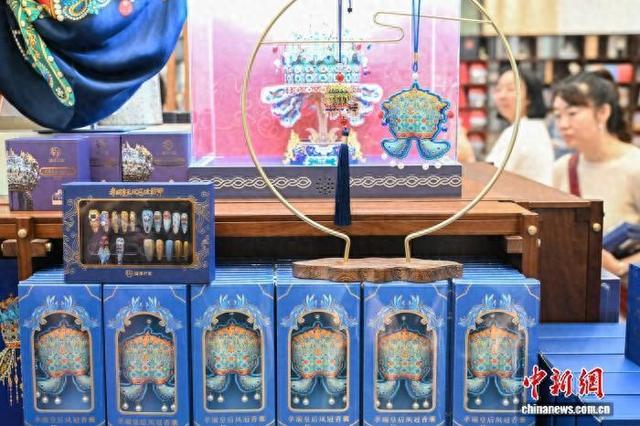
Group 1 - The film "Ne Zha" has broken global animation box office records, showcasing the potential of Chinese cultural IPs in the global market [1][3] - The cumulative sales of the cultural product, the Fengguan refrigerator magnet, have surpassed 2 million units, indicating the strong demand for traditional culture in contemporary consumer markets [3][4] - The success of these cultural products reflects a shift in consumer behavior, where purchases are increasingly driven by emotional satisfaction rather than mere necessity [4][6] Group 2 - The LABUBU character has gained international popularity, with significant sales achievements in various global markets, including a record-breaking first-day revenue of 10 million RMB in Thailand [6] - The emergence of new cultural phenomena in 2025 highlights the innovative transformation of traditional IPs and the impact of technology on cultural expression [6][7] - The international appeal of Chinese cultural products is enhancing the global perception of "Made in China," showcasing the country's cultural soft power [6][7]
出彩、出圈、出海,中国向世界呈现文化新样貌
Huan Qiu Wang· 2025-12-18 02:21
Core Insights - The article highlights the emergence of diverse cultural IPs in China, showcasing their global impact and popularity, such as the animated film "Ne Zha" breaking box office records and the cultural product "Fengguan" refrigerator magnets achieving significant sales milestones [1][3][4]. Group 1: Cultural IP Success - The animated film "Ne Zha" has set a new global box office record for animated films, reflecting the strong influence of Chinese cinema [1][3]. - The film's narrative incorporates modern themes such as generational conflict and self-empowerment, resonating with both local and global audiences [3][4]. - The phrase "助我破鼎" from the film has been recognized as one of the top ten internet buzzwords for 2025, indicating its cultural penetration [3]. Group 2: Cultural Products and Consumer Trends - The "Fengguan" refrigerator magnets, launched by the National Museum of China, have sold over 2 million units, demonstrating the vitality of traditional culture in contemporary consumer markets [3][4]. - The cultural and tourism consumption demands are evolving, with consumers increasingly purchasing for emotional satisfaction rather than mere necessity [4]. - The LABUBU toy has gained international popularity, with significant sales figures reported in various global markets, reflecting the appeal of Chinese cultural products abroad [6]. Group 3: Global Cultural Influence - The success of Chinese brands like Bubble Mart is attributed to their ability to tell local IP stories and present unique aesthetics, enhancing the international image of "Made in China" [6]. - The article emphasizes that the new cultural phenomena are rooted in China's rich cultural heritage and confidence, showcasing innovative transformations of traditional IPs [6][7]. - The pursuit of beauty and quality of life transcends borders, contributing to a more authentic and comprehensive understanding of China on the global stage [7].
电影《疯狂动物城2》进入2025年度票房前2名
Zheng Quan Shi Bao Wang· 2025-12-18 02:02
人民财讯12月18日电,据灯塔专业版,截至12月18日,《疯狂动物城2》总票房(含预售)超36.13亿元, 超过《唐探1900》进入2025年度票房前2名。 ...