军事装备

Search documents
西方情报官员暗示俄罗斯与北约濒临冲突边缘,波兰扩军备战
Jin Shi Shu Ju· 2025-10-14 05:01
Core Viewpoint - Poland is significantly increasing its military capabilities in response to perceived threats from Russia, making it the largest military force in NATO Europe and the top buyer of U.S. weapons [2][6]. Military Expansion - Poland's military spending has risen to 4.7% of its GDP, the highest among NATO members, with plans to increase it to 4.8% next year [2][6]. - The Polish military currently has over 210,000 personnel, ranking third in NATO after the U.S. and Turkey [6]. - Poland has initiated a series of military reforms to expand its forces and modernize equipment, including the establishment of new mechanized divisions and territorial defense forces [5][6]. International Relations - The U.S. has expressed strong support for Poland's military initiatives, with former President Trump emphasizing the importance of Poland as a model ally [3][4]. - Poland's military buildup has garnered recognition from NATO allies, particularly in the context of the ongoing tensions with Russia [2][6]. Strategic Positioning - Poland's geographical location is critical, sharing borders with the Russian exclave of Kaliningrad and Belarus, which is allied with Moscow [6][7]. - The country is seen as a key pillar in NATO's strategy to counter Russian aggression, especially for the Baltic states [7]. Military Exercises and Equipment - Recent military exercises, such as "Iron Defender," involved 30,000 troops and showcased both new and existing weaponry, including U.S. M1 Abrams tanks and Polish HIMARS systems [6]. - Poland has committed approximately $50 billion to U.S. arms purchases, solidifying its position as a major buyer of American military equipment [6]. Financial Considerations - The expansion of military capabilities poses significant financial challenges, with Poland's defense budget potentially strained despite projected GDP growth of around 3% [7]. - Discussions are ongoing with Germany regarding financial compensation for historical war damages, reflecting the seriousness of the Russian threat [8].
突发!美国刚宣布制裁15家中国企业,不到24小时,中方就重拳出击
Sou Hu Cai Jing· 2025-10-10 05:32
Group 1 - The U.S. Chamber of Commerce reported that China is systematically deviating from its WTO commitments made 25 years ago, particularly in market reforms and reducing state intervention [1] - The report claims that China uses opaque "national security" laws to bolster its economy while simultaneously engaging in economic warfare against the U.S. [1] - Critics argue that the U.S. has been the primary violator of WTO rules, initiating tariff wars and sanctions against other countries, which has led to retaliatory measures from China [1] Group 2 - The U.S. Department of Commerce announced export controls on 15 Chinese companies for allegedly assisting Iranian-backed armed groups, indicating a strong U.S. intervention stance in the Middle East [3] - The U.S. has provided over $21.7 billion in military aid to Israel in the past two years, raising concerns about its long-term involvement in the region [6] Group 3 - The U.S. military actions in Iraq, Syria, and Iran have been criticized for undermining international law and regional stability, while the U.S. pressures China for its economic relations with these countries [8] - In response to U.S. sanctions, China announced export controls on rare earths and related technologies, aiming to protect its domestic industrial chain [10][12] - This move is expected to increase pressure on the Trump administration, as it complicates the U.S. plans and raises costs for achieving self-sufficiency in the rare earth industry [13]


美国政府关门,东大“一剑封喉”,比中美交战更可怕,特朗普认怂
Sou Hu Cai Jing· 2025-10-07 06:00
Group 1 - The core issue revolves around the U.S.-China economic dispute, with Trump making concessions to China amid domestic political challenges, particularly the impact on U.S. soybean farmers [1][3]. - The decline in U.S. soybean exports, especially to China, has significantly affected American farmers, who were once Trump's supporters, leading to a loss of confidence in his administration [3]. - Despite efforts to find alternative markets and promises of subsidies, the inability to replace China's demand for soybeans has forced Trump to reconsider trade relations with China [3]. Group 2 - The ongoing "soybean tug-of-war" illustrates the depth of U.S.-China competition, which has evolved from traditional diplomatic and military confrontations to a more complex economic and technological rivalry [5]. - China's strategic responses, such as rare earth export controls and halting soybean imports, have effectively countered Trump's unconventional tactics, showcasing a "mixed warfare" approach [5]. - China's military strength plays a crucial role in this competition, with recent military displays enhancing its negotiating power against U.S. sanctions and blockades [5]. Group 3 - While large-scale military conflict between the U.S. and China is unlikely, localized conflicts in hotspots like the Taiwan Strait or South China Sea could arise as the U.S. seeks to contain China's rise [7]. - The U.S. military faces challenges such as outdated equipment and budget issues, reducing the likelihood of a significant confrontation with China [7]. - The complexity and danger of the ongoing "invisible battlefield" between the two nations indicate that their competition will persist [7].
US Space Force Declares L3Harris Technologies, Inc. (LHX)’s ATLAS Mission Ready
Yahoo Finance· 2025-10-06 23:37
Core Insights - L3Harris Technologies, Inc. is recognized as one of the best military drone stocks to buy according to hedge funds [1] - The U.S. Space Force has declared operational acceptance of L3Harris's ATLAS system, which is designed to enhance space domain awareness and counter anti-satellite threats [2][3] Company Developments - The ATLAS system integrates various capabilities including space domain awareness, intelligence, command and control, and operational readiness data [2] - Ed Zoiss, President of Space and Airborne Systems at L3Harris, emphasized that ATLAS aligns with the Space Force's priorities for ensuring space superiority and providing timely information to avoid operational surprises [3] - In March 2023, L3Harris was awarded a $90 million contract to develop and enhance the capabilities of the ATLAS system [3]

波兰发出终极警告!称乌克兰若战败,将意味着整个欧洲的失败
Sou Hu Cai Jing· 2025-10-04 06:58
Core Viewpoint - The ongoing stalemate in the Russia-Ukraine conflict has heightened concerns in Europe, particularly in Poland, which warns that a Ukrainian defeat would signify a failure for the entire continent [1][11]. Group 1: Poland's Position and Historical Context - Poland's warning is rooted in historical and geographical factors, emphasizing the close historical ties and security cooperation between Poland and Ukraine [1][2]. - The potential loss of Ukraine's resistance poses a direct risk to Poland, as it would mean facing Russian influence on its eastern border, threatening Poland's security [2][4]. Group 2: Military and Humanitarian Aid to Ukraine - Poland has been at the forefront of providing military assistance to Ukraine, supplying hundreds of T-72 tanks and "Carnation" self-propelled artillery, which have been crucial in Ukraine's defense [2][4]. - In 2023, Poland delivered over 1.2 million tons of humanitarian aid to Ukraine, including essential supplies like food and medicine, and has accepted over 1.5 million Ukrainian refugees [4][9]. Group 3: Broader European Implications - A Ukrainian defeat could disrupt Europe's energy security and economic stability, as Ukraine is a vital transit route for energy supplies and a significant grain exporter [5][11]. - The conflict has already led to rising global food prices due to disrupted Ukrainian grain exports, which could exacerbate inflation in Europe [5][11]. Group 4: European Unity and Support for Ukraine - Poland's firm stance has highlighted divisions within Europe regarding support for Ukraine, with some Western European countries hesitant due to domestic pressures [7][11]. - In response to Poland's advocacy, the EU has announced a new €5 billion military aid package for Ukraine, focusing on air defense and winter combat supplies [7][9]. Group 5: Regional Defense Initiatives - Poland is actively promoting enhanced defense capabilities among European nations, including a $10 billion arms procurement agreement with the U.S. for advanced military equipment [9]. - The establishment of a "Regional Security Alliance" among Central and Eastern European countries is being pursued to strengthen military cooperation and intelligence sharing [9][11].
荷兰将向波兰部署“爱国者”等防空系统及反无人机装备
Xin Hua Wang· 2025-10-01 01:22
Core Points - The Netherlands Defense Ministry announced the deployment of advanced air defense systems to Poland starting in December, aimed at enhancing air defense capabilities and securing logistics for Ukraine support [1] - Dutch Defense Minister Blokhuis emphasized the importance of NATO's eastern border as a security boundary, indicating readiness to defend it alongside allies [1] - Dutch F-35 fighter jets have been conducting NATO air policing missions in Poland since September 1, responding to aerial threats, including intercepting drones [1] Deployment Details - The Netherlands will deploy the "National Advanced Surface-to-Air Missile System" and "Patriot" air defense systems along with anti-drone equipment to Poland [1] - The deployment is part of efforts to bolster air defense capabilities in response to increased aerial threats in the region [1] Recent Incidents - On September 9, multiple drones entered Polish airspace, prompting the Polish military to take emergency action and shoot down some of the drones, which were claimed to have originated from Russia [1] - NATO and Poland have been actively addressing aerial threats, with the recent incidents highlighting the ongoing security challenges in the region [1] Meetings and Discussions - Defense Minister Blokhuis attended a security meeting in Warsaw with counterparts from Germany and Estonia, discussing support for Ukraine, NATO defense capabilities, and expansion of defense industrial production [1] - A video conference was held among EU defense officials, discussing the establishment of a "drone wall" along the EU-Ukraine-Russia border [1]
无人机“疑云”笼罩欧洲多国 专家分析
Yang Shi Wang· 2025-09-28 19:11
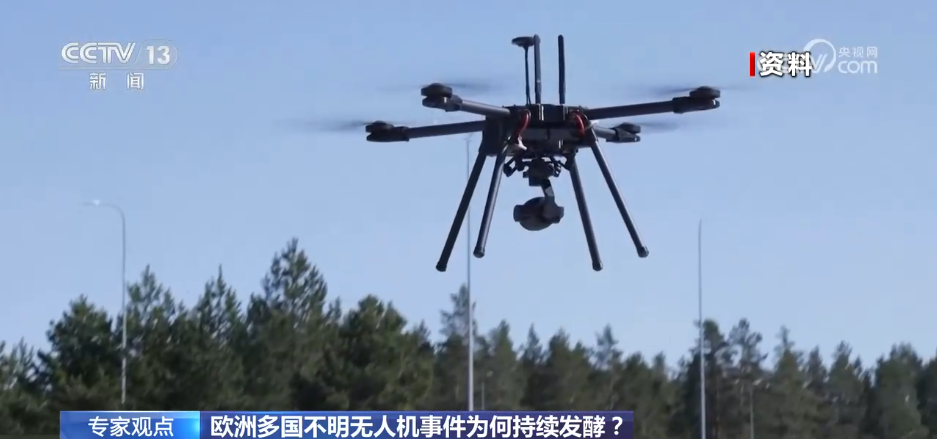
Group 1 - The recent incidents of unidentified drones over multiple European countries have raised security concerns, with Poland and NATO attributing some drones to Russia, which Russia denies [3][4] - The drone events reflect an escalation in the security confrontation between Russia and Europe, exacerbated by the prolonged Russia-Ukraine conflict and NATO's military activities [4][6] - The importance of drones in modern military strategy is increasing, with both Russia and Ukraine rapidly enhancing their drone production capabilities [6] Group 2 - The European Union's plan to establish a "drone wall" faces significant economic, political, and technical challenges, including funding issues amid economic difficulties and differing political views among member states [7] - There are concerns about the EU's reliance on external countries for its drone supply chain, which complicates the goal of achieving autonomous drone capabilities [7]
特朗普签署致命令,美委军演升级,中国能源接盘再塑博弈格局
Sou Hu Cai Jing· 2025-09-24 23:50
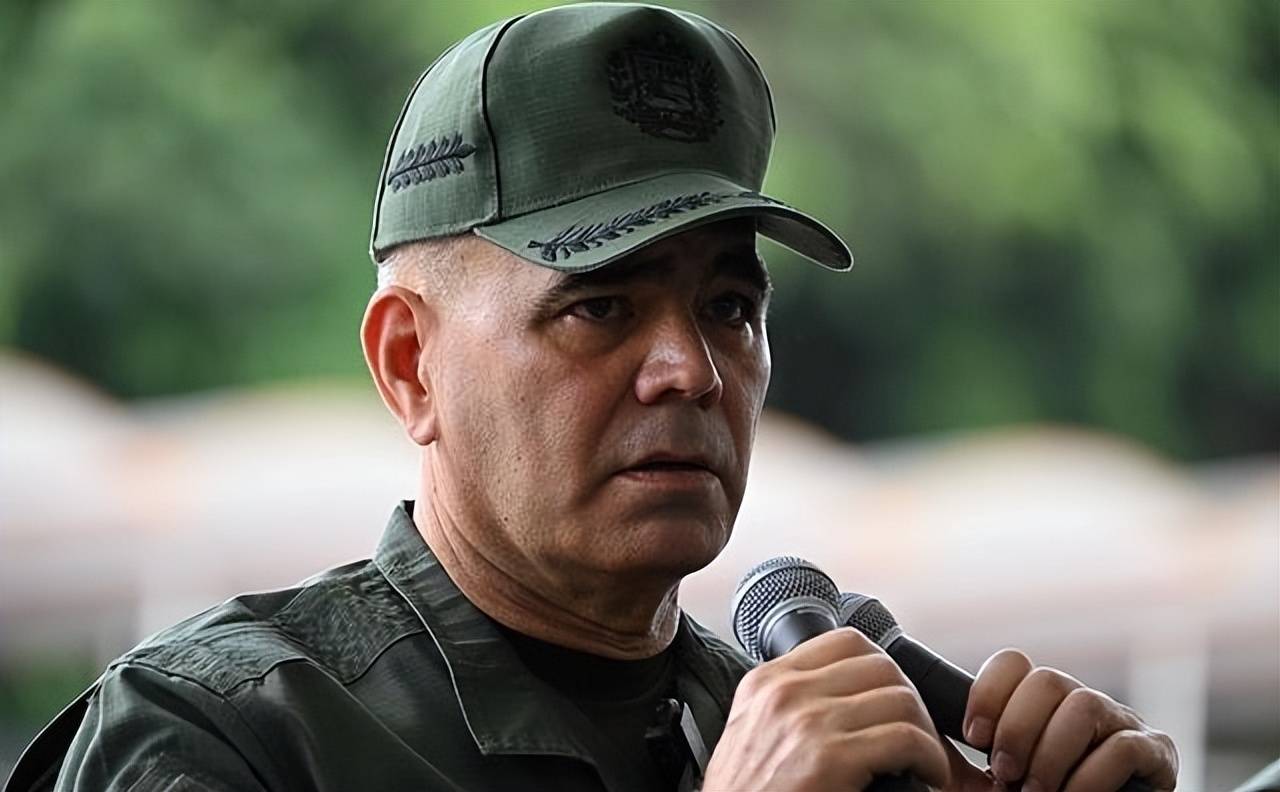
Core Points - The article discusses the escalating military tensions between the U.S. and Venezuela, particularly focusing on the U.S. military's deployment in the Caribbean and its implications for regional stability and international law [2][4][11] Military Deployment and Actions - The U.S. initiated military deployment in August, with a fleet of eight surface ships and a nuclear submarine positioned near the Venezuelan coast, equipped with 1,200 missile launchers [5][10] - The U.S. has conducted two missile strikes against vessels suspected of drug trafficking, resulting in a total of 14 fatalities, raising questions about the legality of such actions under international law [10][18] Venezuela's Response - Venezuela has mobilized its military resources, conducting large-scale military exercises and showcasing its air and naval capabilities, including the involvement of Russian aircraft [7][15] - The Venezuelan government has framed the U.S. military actions as illegal and has sought support from regional organizations to counter U.S. pressure [11][12] Economic and Energy Implications - The military pressure from the U.S. has pushed Venezuela to strengthen its economic ties with China, including a $1 billion oil development agreement aimed at increasing production from 12,000 barrels per day to 60,000 barrels [12][13] - China has become a significant buyer of Venezuelan oil, absorbing approximately 68% of its exports, and has provided substantial loans to support Venezuela's oil production [12][13] Regional and International Reactions - Regional organizations like ALBA and CELAC have issued statements opposing U.S. military actions and supporting Venezuela, highlighting the geopolitical ramifications of the conflict [11][12] - The U.S. Congress is considering further sanctions or military authorizations, reflecting the ongoing domestic political debates regarding the U.S. approach to Venezuela [14][18] Legal and Political Context - The article emphasizes the legal complexities surrounding the U.S. military's actions in international waters, questioning the evidence and proportionality of the strikes against suspected drug trafficking vessels [10][17] - The interplay between military actions and economic sanctions is noted, with the U.S. Treasury designating numerous Venezuelan individuals and entities for sanctions, further complicating the situation [14][18]
多角度实拍胡塞武装无人机突破拦截系统袭击以色列一城市
Xin Jing Bao· 2025-09-24 23:46
Core Viewpoint - The incident in Eilat, Israel, highlights the ongoing conflict with Houthi forces, resulting in injuries and a response from Israeli leadership regarding future attacks [1] Summary by Relevant Categories Incident Details - On September 24, an interception failure by the Israeli military allowed Houthi drones to strike near a hotel in Eilat, injuring 22 individuals, with 2 in serious condition [1] - The drones reportedly breached Israel's interception systems, indicating a potential vulnerability in their defense mechanisms [1] Response and Implications - Israeli Prime Minister stated that any attacks on Israeli cities will result in severe repercussions for the Houthi regime [1] - The Houthis reiterated their stance that attacks will cease only if Israel stops its aggression and blockade of Gaza [1]
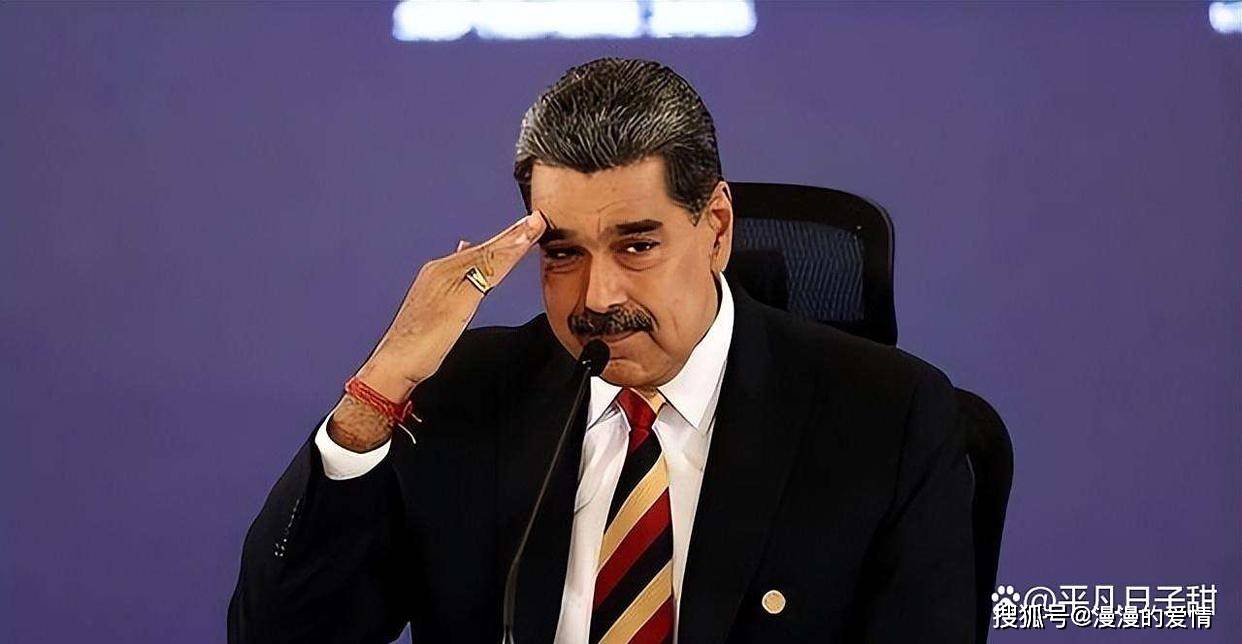
中方作重磅承诺后,俄战机也罕见亮相,马杜罗要和美国鱼死网破
Sou Hu Cai Jing· 2025-09-24 04:14
Core Viewpoint - The escalating military tensions between the United States and Venezuela in the Caribbean have drawn international attention, with both sides taking significant military actions and positioning themselves for potential conflict [1][3][9]. Group 1: Military Actions - The U.S. Navy has deployed a formidable fleet near Venezuela, including three Arleigh Burke-class destroyers, the USS Lake Erie cruiser, the USS Iwo Jima amphibious assault ship, and a nuclear-powered submarine, claiming the operation targets drug trafficking [1]. - Venezuela's Defense Minister announced a large-scale military exercise named "Sovereign Caribbean 200," involving over 2,500 troops, 12 naval vessels, 22 aircraft, and 20 auxiliary ships, aimed at defending national sovereignty [3]. - The Venezuelan Air Force showcased its Russian-made Su-30MK2 fighter jets equipped with Kh-31 anti-ship missiles, signaling military readiness and deterrence against U.S. actions [5]. Group 2: International Support and Reactions - China has expressed strong support for Venezuela, condemning U.S. military actions and reinforcing the strategic alliance established in 2023 [5][7]. - The U.S. government maintains that its military presence is a legitimate anti-drug operation, despite facing internal criticism regarding the legality and humanitarian impact of its actions [7][9]. - The military standoff has prompted regional responses, with countries like Brazil and Argentina enhancing cooperation with China, while Cuba condemned U.S. military deployments [7][9]. Group 3: Ongoing Tensions - Following the military exercises, tensions in the region remain high, with both U.S. and Venezuelan forces on alert and prepared for further confrontations [9]. - The U.S. continues to maintain a strong military presence in the Caribbean, with destroyers on constant watch and amphibious ships ready for action [7]. - Venezuela claims to have mobilized over a million militia members to defend national security amid the ongoing standoff [7].