
汽车金融

Search documents
易鑫开源汽车金融首个Agentic大模型 助企业最快一天内完成AI应用落地
Zhi Tong Cai Jing· 2025-12-02 02:21
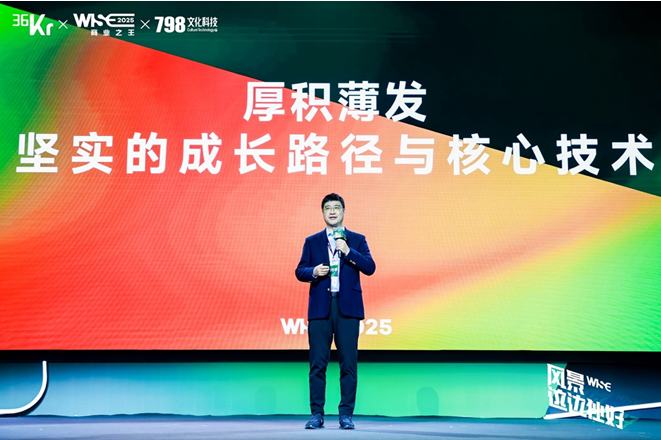
作为AI驱动的金融科技平台,易鑫持续深耕科技创新:2024成为中国汽车金融领域首个通过生成式人 工智能大模型备案的企业,并率先在业务全场景实现AI大规模应用;2025年,开源业内首个高性能推 理模型和Agentic大模型,引领行业迈向开放共赢的新阶段。未来,易鑫将立足"技术开源+生态共建"的 路径,继续深化AI在汽车金融领域的融合应用,赋能国内及海外伙伴,为行业智能化发展注入新活力 与新思路。 据悉,YiXin-Agentic-Qwen3-14B是基于通义千问Qwen3-14B模型深度优化而成,具备卓越的推理、复 杂任务处理及多方协作的智能体能力,可为汽车金融与各类专业场景提供高效智能引擎。该模型在同参 数规模模型的多项性能测试中位列榜首,推理成本较行业平均水平降低三分之一。尤其在汽车金融垂直 领域,其10万条专有训练数据大部分来源于易鑫真实业务场景,兼具高代表性和专有价值。同时,为深 度适配行业需求,模型还搭载了金融领域专属知识体系与工具集,涵盖语音交互、车辆评估、风险防 控、欺诈识别、合规检测等多项功能,形成全链路智能支撑体系,实现金融服务效率与安全的双重提 升。 针对行业智能化转型的落地难题,易鑫提出" ...

汽车金融变阵“稳消费”
Bei Jing Shang Bao· 2025-12-01 16:36
Core Insights - The automotive finance sector is becoming a crucial driver for growth in automotive consumption amidst increasing market competition [1][2] - The industry is undergoing significant adjustments, with automotive finance being recognized as essential for maintaining the smooth operation of the automotive supply chain [1][4] Market Performance - In the first ten months of this year, retail sales of passenger vehicles reached 19.25 million units, a year-on-year increase of 7.9%, while used car transactions totaled 1.649 million units, up 3.53% [2] - The operating costs of large-scale automotive manufacturing enterprises increased by 8.6% year-on-year, with total profits rising by 3.4% [2] - Despite the growth in sales, the overall profitability and quality of the industry need improvement, as indicated by a decline of 0.2% in retail sales of automotive consumer goods [2] Dealer Challenges - Only 20% of dealerships are currently profitable, highlighting the challenges faced by automotive dealers due to low sales margins and intense market competition [3] - The contribution of after-sales and financial insurance to dealership profits is significantly higher than that of new car sales, with 63.8% and 36.2% respectively [3] Policy Support - Recent policies aim to enhance financial support for automotive consumption, including measures to promote auto loans and optimize financial products for various purchasing scenarios [4] - The People's Bank of China and other departments have issued a plan to strengthen financial support for automotive consumption, particularly for new energy vehicles [4] Financial Innovation - The automotive finance sector is shifting from traditional credit growth to structural optimization and product innovation, with a notable increase in retail sales of new energy vehicles by 21.9% [5] - The future trend is expected to focus on comprehensive lifecycle services for automotive finance, catering to the needs of younger consumers [5] Technological Integration - The integration of big data, AI, and blockchain is reshaping the financial landscape within the automotive sector, leading to the development of smart finance [8][9] - Financial institutions are increasingly utilizing intelligent methods for risk management, combining human expertise with AI to enhance risk identification and response [8][9] Global Expansion - As Chinese automotive brands expand internationally, the need for corresponding financial support in overseas markets is becoming a focal point for industry players [7] - Companies are exploring cross-border leasing options to support their international business ventures, particularly in emerging markets [7]
车市遇增利压力,汽车金融变阵“稳消费”
Bei Jing Shang Bao· 2025-11-30 15:43
Core Insights - The automotive finance sector is becoming a crucial driver for growth in automotive consumption amidst increasing market competition [1][3] - The automotive industry is undergoing significant adjustments, with automotive finance being recognized as essential for maintaining the smooth operation of the automotive supply chain [1][3] - Digitalization is identified as a major trend for the future development of the automotive finance industry [1][9] Market Performance - In the first ten months of the year, retail sales of passenger vehicles reached 19.25 million units, a year-on-year increase of 7.9%, while used car transactions totaled 16.49 million units, up 3.53% [3] - The operating costs of large-scale automotive manufacturing enterprises increased by 8.6% year-on-year, with total profits rising by 3.4% [3] - The retail sales of automotive consumer goods amounted to 4 trillion yuan, showing a slight decline of 0.2% year-on-year [3] Dealer Challenges - Only 20% of dealerships are currently profitable, highlighting the challenges faced by automotive dealers due to low sales margins and intense market competition [4] - The loss ratio among automotive dealers increased to 52.6% in the first half of the year, with new car gross margins contributing negatively at -22.3% [3][4] - The contribution of after-sales and financial insurance to dealership gross margins was significantly higher than that of new car sales, at 63.8% and 36.2% respectively [4] Policy Support - Recent policies aim to enhance financial support for automotive consumption, including measures to increase credit support for automotive loans and optimize financial products for various purchasing scenarios [5] - The People's Bank of China and other departments have issued a plan to boost consumption through financial support, particularly for new energy vehicles [5] Financial Product Innovation - The automotive finance sector is shifting from traditional credit growth to structural optimization and product innovation [6] - Retail sales of new energy passenger vehicles reached 10.15 million units, marking a 21.9% increase, indicating a shift in focus for automotive finance products [6] - The trend is moving towards providing comprehensive lifecycle services for consumers, including insurance, maintenance, and mobility solutions [6][7] Digital Transformation - The integration of big data, artificial intelligence, and blockchain is reshaping the financial landscape within the automotive sector [9][10] - Financial institutions are increasingly adopting intelligent methods for risk management, combining human expertise with AI for better risk identification [9][10] - The future of automotive finance is expected to be characterized by smart financial solutions that leverage technology for cost reduction and enhanced service quality [10]
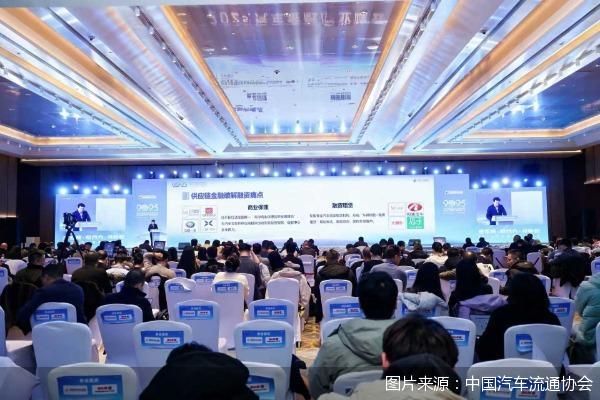
中国汽车流通协会名誉会长沈进军:三方面助推汽车金融和汽车市场融合发展
Zheng Quan Ri Bao Wang· 2025-11-29 04:00
Core Insights - The automotive industry is undergoing deep adjustments and upgrades in its high-quality development process, with automotive finance being crucial for maintaining the smooth operation of the industry chain [1] - Policy measures are being implemented to strengthen financial support while ensuring risk management, establishing automotive finance as a foundation for both livelihood services and industrial development [1] - The dynamics of automotive finance are shifting from traditional credit growth and price competition to structural optimization and product innovation, with a notable transition from high-return competition to rational development [1] Group 1 - Automotive finance is evolving with a richer array of financial products, moving beyond traditional car loans to innovative models such as battery leasing, charging rights, and after-sales leasing [1] - The competition in the automotive finance market is intensifying, leading to compressed profit margins and increased complexity in risk management [1] - Consumer demands for convenience, transparency, and personalization in financial services are on the rise [1] Group 2 - Recommendations for further integration of automotive finance and the automotive market include a "deep integration" approach, ensuring financial services span the entire lifecycle of vehicles [2] - Emphasis on "technology-driven" solutions, utilizing big data, artificial intelligence, and blockchain to reshape the financial landscape and enhance efficiency [2] - Automotive finance is positioned to act as a "catalyst" and "accelerator" for green transformation, promoting the consumption and popularization of new energy and intelligent connected vehicles through innovative green financial products [2]
中国农业银行信用卡中心副总裁佟春雨:三个维度赋能汽车产业高质量发展
Zheng Quan Ri Bao Wang· 2025-11-29 03:53
Core Insights - Automotive finance is a crucial component of the automotive industry ecosystem, serving as a key "lubricant" that supports the entire production to consumption chain [1] - The China Agricultural Bank is committed to enhancing collaboration across three dimensions to empower high-quality development in the automotive industry [1] Group 1 - Automotive finance provides essential funding for both vehicle manufacturers and consumers, facilitating the transition from scale expansion to structural upgrades in the industry [1] - Financial institutions are innovating differentiated products in response to changing consumer demands and government policies, effectively lowering the barriers to vehicle purchases [1] - The China Agricultural Bank aims to align with national strategies, enhance bank-enterprise integration, and deepen inter-industry collaboration to meet the diverse financial needs of the automotive sector [1] Group 2 - The China Agricultural Bank will play a significant bridging role by collaborating with industry peers in areas such as financial technology, product innovation, and risk prevention [2] - The bank seeks to establish a regular cooperation mechanism to break down industry barriers and data silos, promoting resource sharing and complementary advantages [2] - The goal is to create a more dynamic consumer finance ecosystem that offers timely, convenient, and precise financial services [2]

从卷规模到卷服务:汽车金融行业如何“破局”增长?
Zheng Quan Ri Bao Wang· 2025-11-27 12:27
Core Viewpoint - The domestic automotive industry is undergoing a deep adjustment period towards high-quality development, and the automotive finance sector is transitioning from scale expansion to quality and efficiency improvement [1] Group 1: Industry Trends - The automotive finance industry is entering a rational development phase, shifting from traditional credit growth and price competition to structural optimization and product innovation [2] - The market is experiencing a transition from "high returns" competition to "low returns" rational development, with increasing pressure on market participants [2] - The demand for innovative financial products is rising, extending beyond traditional car loans to include battery leasing, charging rights, and after-sales leasing [2] Group 2: Market Challenges - The automotive finance market is facing intensified competition, leading to compressed profit margins and increased complexity in risk management [2] - Regulatory measures have positively influenced the market's move towards standardized development, impacting the structure of automotive consumer loans [2] - The friction costs in automotive transactions are challenging banks' digital risk control and operational capabilities [2] Group 3: Opportunities in New Markets - The trend of new energy vehicles (NEVs) going global is creating new financial service demands, particularly in international settlement and risk management for small enterprises [3] - Banks are exploring ways to provide quality financial services to NEV companies expanding overseas, focusing on financing needs arising from international trade [3] Group 4: Strategic Directions - The automotive finance industry is moving towards quality improvement and efficiency, with a focus on digital operations and customer service ecosystems [4] - Future competition will be characterized by diversification of participants and a strong emphasis on service rather than just price and scale [4] - Key strategies for high-quality development include deep integration with the automotive lifecycle, technology-driven innovation, and promoting green finance products [4] Group 5: Operational Enhancements - Banks need to enhance their operational systems, professional capabilities, product offerings, and digital risk control abilities to meet the evolving demands of the automotive finance market [5] - The integration of resources between technology and risk control departments is crucial for improving digital risk management and operational capabilities [6] - Compliance remains a fundamental operational baseline for automotive finance market participants, with effective risk management being essential for sustainable development [6]
丁国祥获批担任东风汽车金融有限公司董事长
Xin Lang Cai Jing· 2025-11-21 13:38
Core Points - The Beijing Financial Regulatory Bureau has approved the appointment of Ding Guoxiang as the chairman of Dongfeng Motor Finance Co., Ltd [1] - The company is required to ensure that the newly approved personnel strictly adhere to the regulatory provisions set by the Financial Regulatory General Administration [1] - The appointed individual must assume their position within three months from the date of the administrative decision, and timely report their appointment status as required [1] - If the individual does not take office within the specified period, the approval document will become invalid, and the decision-making authority will handle the cancellation of the administrative license [1]
央行北京分行等12部门,最新发布!
Zheng Quan Shi Bao Wang· 2025-11-18 08:44
Core Viewpoint - The plan aims to enhance financial support for consumption in Beijing, aligning with national policies to boost consumer spending and establish Beijing as an international consumption center [1][2]. Group 1: Overall Goals - The initiative is guided by Xi Jinping's thoughts and aims to improve financial service capabilities, focusing on key consumption areas to increase financial support by 2030 [2]. Group 2: Financial Support for Key Areas - Increased credit support for goods consumption, particularly in the automotive sector, with incentives for purchasing new and electric vehicles [3]. - Promotion of cultural, tourism, and sports consumption through innovative financing models and increased credit investment [3]. - Enhanced financial services for the hospitality and dining sectors, supporting local brands and themed activities [4]. - Development of financial services for domestic services and elder care, aiming to reduce costs for service workers [4]. - Support for infrastructure and trade systems, optimizing financial products for major consumption projects [5]. Group 3: Services for Key Demographics - Continued support for employment and income growth for small and micro enterprises through loan interest subsidies [6][7]. - Optimization of financial services for the elderly, including specialized payment solutions [7]. - Improvement of services for foreign visitors, enhancing payment systems and user experience [8]. Group 4: Enhancing Financial Institution Services - Financial institutions are encouraged to provide differentiated and convenient services, focusing on consumer loans and risk management [8]. - Increased support for bond market financing for cultural and service sectors, promoting the issuance of bonds by qualified enterprises [9]. - Development of equity financing for quality enterprises in the consumption industry [9]. Group 5: Policy Coordination - Strengthening the role of monetary policy to encourage financial institutions to increase credit in key service sectors [10]. - Implementation of fiscal policies to lower financing costs for consumers and service providers [10]. - Encouragement of insurance products that meet the needs of the aging population and promote health coverage [11]. Group 6: Financial Service Environment - Continuous improvement of the payment environment to stimulate consumption, including the promotion of digital currency [12]. - Establishment of a rapid dispute resolution mechanism for financial consumer rights protection [12]. Group 7: Organizational Support - Strengthening coordination among financial departments and relevant authorities to enhance information sharing and policy implementation [13]. - Promotion of financial support policies and products to ensure timely access for businesses and consumers [13].
北京:鼓励符合条件的科创企业通过债券市场募集资金
Mei Ri Jing Ji Xin Wen· 2025-11-18 08:03
Core Viewpoint - The People's Bank of China and 12 other departments have issued a plan to enhance and expand consumption in Beijing through financial support measures, focusing on bond market financing and consumer credit expansion [1] Group 1: Financial Support Measures - The plan emphasizes increasing financing support in the bond market for eligible enterprises in cultural, tourism, and education sectors [1] - It encourages qualified technology innovation enterprises to raise funds through the bond market to enhance the quality of smart elderly care and smart medical products [1] - Financial debt issuance is supported for eligible consumer finance companies, auto finance companies, and financial leasing companies to broaden funding sources and expand consumer credit [1] Group 2: Consumer Credit Expansion - The initiative promotes the securitization of retail loans, including personal auto loans, consumer loans, and credit card loans, to increase the supply capacity of consumer credit [1] - The goal is to activate existing credit stock and enhance the overall consumer credit environment [1]
银行下场卖房降风险也要防风险
Zheng Quan Shi Bao· 2025-11-18 00:07
Core Viewpoint - Banks are actively selling properties at prices significantly lower than market rates, driven by the need to manage non-performing assets and respond to economic pressures in the real estate market [1][2] Group 1: Market Context - The trend of banks selling properties is a response to increasing defaults on personal mortgage loans and real estate development loans, leading to a rise in "foreclosure properties" and "debt settlement assets" on bank balance sheets [1] - Traditional channels for disposing of these assets have become bottlenecks, with high rates of unsold foreclosure properties due to issues like unclear tax obligations and difficulties in clearing properties [1][3] Group 2: Benefits of Direct Property Sales - Direct property sales by banks can significantly enhance asset disposal efficiency and accelerate capital recovery, while also reducing legal disputes through better control of the transaction process [2] - Buyers benefit from lower prices, typically 16% to 31% below market rates, along with a transparent transaction process and access to mortgage services, addressing the challenges associated with purchasing foreclosure properties [2] Group 3: Challenges and Risks - Banks face challenges in selling properties due to a lack of professional sales teams and market experience, which may lead to inefficiencies and potential conflicts of interest [3] - The influx of low-priced properties into the market could temporarily suppress surrounding property values, as evidenced by a 4.2% drop in average transaction prices in certain areas [3] Group 4: Alternative Asset Disposal Strategies - Banks have other mature pathways for disposing of non-performing assets, such as packaging them for asset management companies (AMCs), which can leverage their expertise for more effective asset management [4] - Establishing special asset divisions or utilizing asset securitization can also help banks manage risks and share returns with investors [4] - Collaborating with local governments and quality real estate companies on projects related to housing delivery can maximize asset value while ensuring timely project completion [4]