磷酸铁锂

Search documents
磷酸铁锂行业协会将设成本红线规范报价
Zhong Guo Zheng Quan Bao· 2025-11-20 09:18
Core Viewpoint - The lithium iron phosphate (LFP) industry in China is facing significant challenges, including continuous overall losses, chaotic competition, and price undercutting, which threaten the industry's survival and sustainable development [1]. Industry Overview - The China Chemical and Physical Power Industry Association plans to issue a notification to guide the LFP industry, suggesting that companies use the average cost range disclosed on November 18 as a key reference for pricing [1]. - The association will begin monthly disclosures of the industry average cost range to provide authoritative regulatory guidance for pricing [1]. - Companies are encouraged to fulfill their obligation to report information, including capacity, output, and inventory data, to the association for better resource allocation [1]. Current Challenges - Since 2022, the LFP industry has been trapped in a cycle of overcapacity and homogeneous competition, leading to significant contradictions between costs and prices, making it the most pressured segment in the lithium battery supply chain [1]. - The industry requires efforts to combat internal competition and curb malicious competition that occurs below cost levels to achieve high-quality development [1].

行业协会将建议设成本红线规范报价 磷酸铁锂行业推进反内卷
Xin Lang Cai Jing· 2025-11-20 08:47
Core Viewpoint - The lithium iron phosphate industry in China is facing continuous overall losses due to chaotic competition and low-price undercutting, threatening the survival and sustainable development of the entire industry [1] Industry Summary - The China Chemical and Physical Power Industry Association will issue a notice regarding the reference cost index for lithium iron phosphate and the standardization of industry development [1] - The notice suggests that companies should use the average industry cost range disclosed by the association on November 18 as an important reference for pricing, avoiding price dumping that exceeds cost thresholds [1] - Starting this month, the association will regularly disclose the average industry cost range on a monthly basis to provide authoritative regulatory guidance for company pricing [1] - The association also recommends that companies fulfill their obligation to report information, submitting accurate and complete operational data such as capacity, output, and inventory to the association on a monthly basis, which will serve as an important reference for resource allocation in the industry [1]
行业协会将建议设成本红线规范报价!磷酸铁锂行业推进反内卷
Zhong Guo Zheng Quan Bao· 2025-11-20 08:41
Core Viewpoint - The lithium iron phosphate industry in China is facing continuous overall losses, leading to chaotic competition and low-price undercutting, threatening the survival and sustainable development of the entire industry [1] Industry Developments - The China Chemical and Physical Power Industry Association will issue a notice regarding the reference cost index for lithium iron phosphate and the standardization of industry development [1] - The notice suggests that companies should use the industry average cost range disclosed by the association on November 18 as an important reference for pricing, avoiding price dumping that exceeds cost thresholds [1] - Starting this month, the association will disclose the industry average cost range monthly, providing authoritative regulatory guidance for company pricing [1] Data Reporting Requirements - The association recommends that companies fulfill their obligation to report information, requiring them to submit accurate and complete data on capacity, output, and inventory to the association on a monthly basis [1] - This data will serve as an important reference for resource allocation within the industry [1]
铁锂“七雄”谋涨价,聚首工信部抗议电芯“霸权”
Jing Ji Guan Cha Wang· 2025-11-19 08:50
Core Insights - The lithium iron phosphate (LFP) industry is facing a critical dilemma with a surge in demand for electric vehicles and energy storage, contrasted by over three years of continuous losses among material companies [2][3] - LFP materials account for nearly 74% of the cathode material shipments, with a 99.9% share in the energy storage sector, making it a crucial material in China's lithium battery landscape [2] - The price of LFP materials has plummeted from 173,000 yuan/ton at the end of 2022 to 34,000 yuan/ton by August 2025, representing a decline of over 80% [2] - The average debt ratio of six listed companies in the sector stands at 67.8%, indicating significant financial strain [2] Industry Challenges - The current cost of LFP production has reached 15,600 yuan/ton, while market prices hover around 14,000 yuan/ton, leading to losses of nearly 10% per ton [2] - Rising costs of upstream raw materials like ferrous sulfate and sulfur are exacerbating the situation, while downstream battery manufacturers are pressuring material suppliers to keep prices low [8][9] - The industry is experiencing a capacity utilization rate of less than 50%, with actual production at around 230,000 tons against a capacity nearing 470,000 tons [8] Demand Growth - The demand for LFP is expected to grow significantly, with projections of approximately 370 million tons in 2023 and an increase to between 510 million and 530 million tons in 2024 [5] - The penetration rate of electric vehicles in the domestic market has surpassed 45%, and stringent safety standards for battery performance are expected to further boost LFP demand [4] - The energy storage sector is anticipated to see a 60% year-on-year increase in installed capacity by 2025, with global demand for energy storage batteries projected to rise by 30% in 2026 [4] Competitive Landscape - Chinese LFP products maintain a dominant position globally due to advantages in technology, cost, and supply chain, despite attempts by other countries to reduce reliance on Chinese products [6] - In the first nine months of 2025, China's lithium-ion battery exports reached $55.38 billion, a year-on-year increase of 26.75%, with Europe, Asia, and North America accounting for 90% of exports [6] - New entrants from traditional industries are increasing competition, with some companies planning larger production capacities and benefiting from better financing options [9] Technological Advancements - Ongoing advancements in LFP technology, including high-density and cobalt-free variants, are expected to enhance market offerings, with a shift from fourth-generation to fifth-generation products underway [7] - The industry is also focusing on improving production efficiency and reducing costs through technological innovations [7] Strategic Responses - The establishment of the LFP Materials Subcommittee aims to address industry challenges by auditing costs and providing transparent pricing data to help companies set reasonable prices [11] - There is a consensus among industry players that collective price increases are necessary to counteract losses and improve financial health [12][13] - Companies are beginning to control production capacity to stabilize prices, with some already implementing self-restraint in output [12]
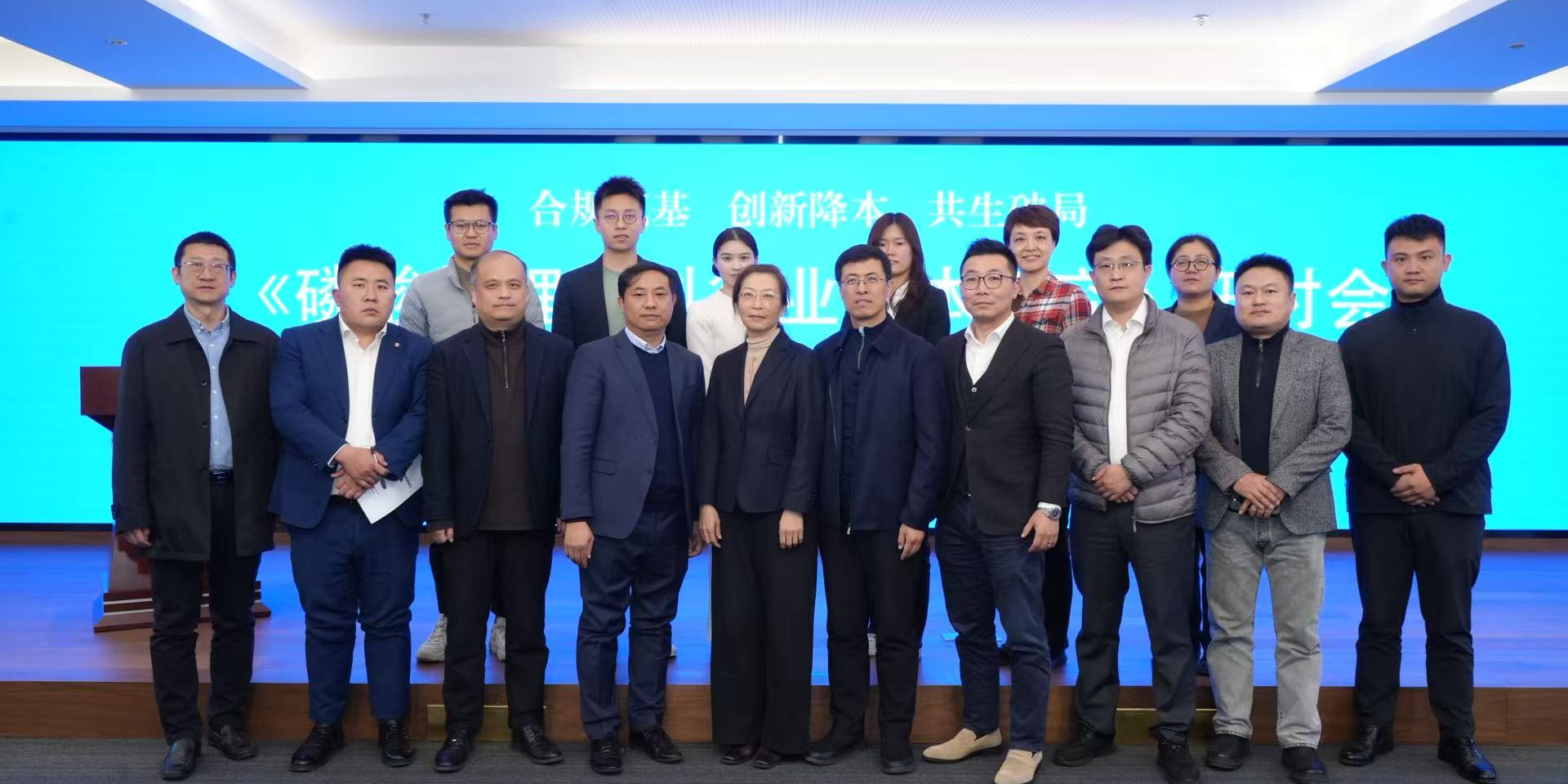
磷酸铁锂“增产不增收”困局如何破?这场研讨会直指成本核心
Zheng Quan Shi Bao Wang· 2025-11-19 07:26
Core Insights - Lithium iron phosphate (LFP) has become a mainstream technology for power and energy storage batteries due to its high safety, long cycle life, and cost advantages. However, since 2022, the LFP industry has entered a "production increase without revenue increase" cycle, leading to intensified competition within the industry [1][3]. Industry Overview - The lithium battery industry in China is experiencing strong growth, with lithium-ion battery exports reaching $55.38 billion from January to September 2025, a year-on-year increase of 26.75%. The penetration rate of domestic new energy vehicles has surpassed 45%, and energy storage installations have surged by 60% year-on-year, with the entire industry expected to exceed a market value of 3 trillion yuan [3]. - LFP materials account for nearly 74% of the cathode material shipments, providing a solid foundation for the electrification of transportation and the green transition of energy [3]. Market Challenges - Structural contradictions in the rapid development of the LFP industry are becoming increasingly prominent. From the end of 2022 to August 2025, the price of LFP materials plummeted from 173,000 yuan/ton to 34,000 yuan/ton, a decline of 80.2%. The industry has faced continuous losses for over 36 months, with an average asset-liability ratio of 67.81% among six listed companies [3]. - The soaring prices of upstream raw materials have not effectively transmitted to LFP companies. Downstream cell manufacturers often exert strong pressure on LFP companies to meet order demands, leading many firms to produce at a loss [3]. Competitive Landscape - The influx of numerous new entrants into the LFP industry is disrupting the existing market structure. Some new companies, lacking core technologies, can only produce relatively low-end products, further intensifying competition and leading to ongoing price wars [4]. Proposed Solutions - The industry association has proposed three collaborative action initiatives to address these challenges: 1. Rebuild market pricing logic using a cost index as a measurement tool, creating a comprehensive cost accounting system covering all aspects of the supply chain to provide transparent value references and curb malicious competition [4]. 2. Promote innovation and upgrades as a breakthrough, encouraging the industry to shift from scale competition to quality competition [4]. 3. Focus on supply-demand balance by establishing a capacity warning mechanism and fostering long-term strategic cooperation between material companies and downstream leaders to guide orderly capacity release [4]. Cost Structure Analysis - The cost structure of LFP materials shows that the main material accounts for the highest proportion, with material costs comprising 35%-40%, energy consumption and direct costs each around 19%, and other expenses at 16%. Auxiliary material costs are only 5%-6%. This cost index provides transparent value references for companies and precise data support for government regulation, enhancing market transparency and aiding decision-making for upstream and downstream enterprises [5][7].
磷酸铁锂行业需求回暖?但价格仍是问题
2 1 Shi Ji Jing Ji Bao Dao· 2025-11-19 01:49
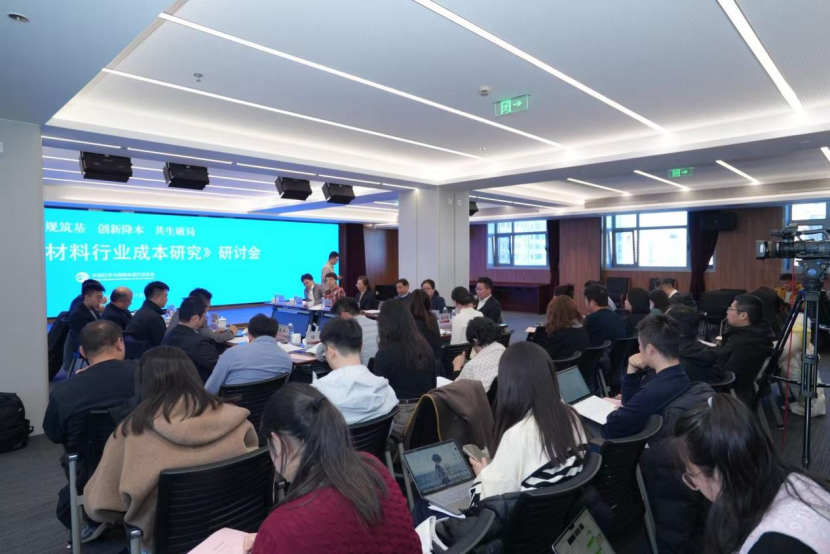
Core Insights - The lithium iron phosphate (LFP) industry is experiencing a recovery in the first half of 2025, with top five companies operating at full capacity and an expected production increase to 3.7 million tons in China [1] - Despite the anticipated recovery, the industry has faced significant price declines, with material prices dropping from 173,000 yuan/ton to 34,000 yuan/ton, a decrease of 80.2% from the end of 2022 to August 2025 [1] - The industry is under severe profit pressure, with continuous losses for over 36 months and an average debt ratio of 67.81% among six listed companies [1] Industry Overview - The LFP materials sector is identified as the most competitive and profit-constrained segment within the lithium battery supply chain [1] - A study presented at a recent seminar indicated that the average cost of LFP materials ranges from 15,714.8 yuan/ton to 16,439.3 yuan/ton, while the market average selling price is 14,177.1 yuan/ton, highlighting the significant cost pressures faced by the industry [2] - Only two out of the top five companies are currently profitable, indicating an abnormal situation in the market [2] Market Demand and Growth - The demand for LFP materials is expected to rise, with projections suggesting that production could reach between 5.1 million to 5.3 million tons in 2026 due to increasing electric vehicle (EV) battery capacities [3] - The lithium-ion battery export value reached $55.38 billion in the first nine months of 2025, a year-on-year increase of 26.75%, with a total of 3.399 billion units exported, reflecting robust growth in both domestic and international markets [3] - The penetration rate of new energy vehicles has surpassed 45%, and the installed capacity for energy storage has surged by 60% year-on-year, contributing to a projected industry output value nearing 3 trillion yuan [3] Strategic Recommendations - The industry is encouraged to utilize a cost index as a benchmark for market pricing and to focus on innovation and upgrading to create new value growth avenues [4] - Establishing a capacity warning mechanism and promoting long-term strategic cooperation between material companies and leading downstream firms are recommended to ensure orderly capacity release and avoid the cycle of "demand growth without profit increase" [4]
港股异动 | 龙蟠科技(02465)涨近4% 磷酸铁锂行业明显升温 公司三季度大幅收窄亏损
智通财经网· 2025-11-17 06:55
Core Viewpoint - Dragon Power Technology (02465) has seen a nearly 4% increase in stock price, attributed to the recovery of lithium prices and the growing demand for energy storage globally [1] Group 1: Market Trends - Lithium iron phosphate (LFP) prices have been recovering, with a rise of approximately 10% since October, driven by stabilizing lithium prices and proactive strategies from automotive manufacturers and battery producers [1] - As of November 13, the average price of LFP is around 36,900 CNY per ton, reflecting an increase of 3,300 CNY per ton since early October [1] Group 2: Company Developments - Dragon Power Technology has announced plans to enhance its operations in the new energy and new materials sectors, focusing on the development of LFP cathode materials and expanding overseas production capacity [1] - The company aims to strengthen its product promotion in the fields of new energy vehicles, energy storage, and data centers, particularly for its cooling liquid products [1] - In the third quarter, the company significantly reduced its losses and is implementing cost-cutting and efficiency-boosting strategies to improve its operational performance [1]

龙蟠科技涨近4% 磷酸铁锂行业明显升温 公司三季度大幅收窄亏损
Zhi Tong Cai Jing· 2025-11-17 06:53
Core Viewpoint - Longpan Technology (龙蟠科技) shares have increased nearly 4%, reflecting positive market sentiment driven by the recovery in lithium prices and the growing demand for energy storage solutions [1] Group 1: Market Trends - Lithium prices have stabilized after hitting a low, with phosphoric iron lithium prices showing a recovery, increasing approximately 10% since October [1] - As of November 13, the average price of phosphoric iron lithium is about 36,900 yuan per ton, up 3,300 yuan per ton from early October, representing a 10% increase [1] Group 2: Company Developments - Longpan Technology has announced plans to actively advance its layout in the new energy and new materials sectors, focusing on the development of phosphoric iron lithium cathode materials, including overseas capacity expansion and new product promotion [1] - The company is also increasing its efforts in the cooling liquid products sector, targeting applications in new energy vehicles, energy storage, and data centers [1] - In the third quarter, Longpan Technology significantly narrowed its losses and aims to improve its operational status through cost reduction and efficiency enhancement strategies, as well as increasing shipments of high-voltage products [1]
磷酸铁锂市场“量价齐升”,头部企业订单已排至明年
Huan Qiu Wang· 2025-11-15 03:40
Core Insights - The lithium iron phosphate (LFP) industry is experiencing a strong recovery in Q3 2025, driven by surging demand in the downstream power and energy storage markets, leading to high operational capacity among leading companies [1] - The industry faced challenges over the past two years due to rapid capacity expansion, falling raw material prices, and intensified competition, resulting in significant price drops and widespread losses [1] - Since August 2023, the situation has reversed, with explosive growth in downstream demand and effective matching of supply capabilities [1] Industry Performance - From January to October 2025, the installation volume of LFP batteries in China increased by nearly 60% year-on-year, accounting for 81.3% of the total installation volume, solidifying its dominant position [1] - The energy storage market has also become a significant growth driver, with lithium battery shipments exceeding 30% of last year's total in the first three quarters of 2025, showing rapid year-on-year growth [1] Price and Production Trends - In October 2025, China's LFP production reached 390,000 tons, marking a significant year-on-year increase, with market prices rising by 7% to approximately 37,000 yuan per ton [2] - The high demand in the electric vehicle sector highlights the cost and safety advantages of LFP batteries, while the energy storage market benefits from the increasing adoption of renewable energy [2] Structural Changes and Profitability - The current industry recovery is characterized by profound technological iterations and structural optimizations, with high-pressure, high-density LFP products becoming the market focus due to their superior performance and high technical barriers [2] - The processing cost of high-end products is 1,000 to 3,000 yuan per ton higher than that of standard products, enhancing their bargaining power and leading to a market situation of "oversupply in low-end, tight supply in high-end" [2] Company Performance - Leading companies are leveraging technological advantages and economies of scale to recover from losses, with Hunan YN's net profit surging 235% year-on-year to 340 million yuan in Q3 [4] - Other companies like Wanrun New Energy and Longpan Technology have also significantly reduced losses through cost-cutting and improved capacity utilization [4] - Companies are optimistic about future prospects, with expectations of narrowing losses and achieving profitability by mid-2026 as high-end capacity is gradually released and low-end inefficient capacity is phased out [4]
头部厂商订单饱满 高端产能竞逐升级
Zheng Quan Ri Bao· 2025-11-10 01:27
Core Viewpoint - The lithium iron phosphate (LFP) market is experiencing significant growth driven by strong demand in the electric vehicle and energy storage sectors, leading to increased competition among leading manufacturers for high-end production capacity [1][2][5]. Industry Demand and Growth - The demand for lithium iron phosphate in energy storage batteries is rising, with projections indicating that China's energy storage lithium battery shipments will reach 165 GWh in Q3 2025, a 65% year-on-year increase [2]. - In the first three quarters of this year, China's power battery cumulative installation reached 493.9 GWh, a 42.5% increase year-on-year, with LFP batteries accounting for 402.6 GWh, representing an 81.5% share and a 62.7% increase [2]. - The third quarter of this year showed strong demand for LFP, with companies reporting sufficient orders and high sales volumes [2][3]. Company Performance - Hunan Youneng reported Q3 revenue of 8.868 billion yuan, a 73.97% year-on-year increase, with net profit rising by 235.31% to 340 million yuan [3]. - Guizhou Anda Technology achieved Q3 revenue of 736 million yuan, a 79.63% increase, and a total revenue of 2.273 billion yuan for the first three quarters, up 109.02% year-on-year [3]. Supply Agreements and Contracts - Shandong Fengyuan Chemical announced a supply agreement to provide 100,000 tons of LFP materials to Chunan New Energy over the next three years [4]. - Hubei Wanrun secured a long-term order from CATL to supply 1.3231 million tons of LFP products from May 2025 to 2030 [4]. Market Trends and Innovations - The LFP industry is witnessing a strong trend in technological innovation, particularly in energy density, fast charging capabilities, and compaction density, leading to a structural boom in the market [6]. - High-end products with advanced features are in high demand, with companies like Hunan Youneng and Defang Nano reporting increased sales of their high-density LFP products [6]. Capacity Expansion and Globalization - Leading LFP manufacturers are initiating new rounds of capacity expansion, with companies like Fulin Precision Engineering planning to invest 4 billion yuan in a new high-density LFP project [7]. - Hunan Youneng is expanding its overseas production bases in Spain and Malaysia, with projects in the approval and preparation stages [8]. - The competitive landscape is shifting as leading companies leverage resource integration and scale advantages, while smaller firms face increasing challenges [8].