科学仪器

Search documents
国仪量子科创板IPO获受理,拟募资11.69亿元
Bei Jing Shang Bao· 2025-12-10 10:21
Core Viewpoint - Guoyi Quantum Technology (Hefei) Co., Ltd. has received acceptance for its IPO on the Sci-Tech Innovation Board, focusing on high-end scientific instrument development across various fields including quantum technology and biomedicine [1] Company Overview - Guoyi Quantum specializes in the research and development of high-end scientific instruments, providing essential equipment and solutions for advanced scientific exploration to universities, research institutions, and enterprises globally [1] - The company is controlled by Hefei Sikun, which holds 27.2% of the shares, while the actual controllers, He Yu and Rong Xing, collectively control 34.87% of the voting rights [1] IPO Details - The company aims to raise approximately 1.169 billion yuan through the IPO, which will be allocated to high-end scientific instrument industrialization projects, the establishment of a quantum technology research institute, and the construction of an application center network [1]
10笔融资,把这类仪器推到国产替代的“风口浪尖”
仪器信息网· 2025-12-10 09:08
点击免费限量礼盒 中国电镜产业迎来黄金发展十年,并非偶然。过去十年,市场刚需为产业"筑基",政策支持为产业"铺路",技术突破为发展"破局",而资本市 场的关注则成为产业加速的"燃料"。 1、市场需求:从科研"重器"到产业"必需品" 随着中国在半导体、新能源、生物医药等高科技产业的迅猛发展,对高端表征仪器的需求呈指数级增长。电镜从传统的科研"重器",日益成为 工业研发与质量控制的"必需品"。 2、政策护航:从"专项扶持"到"国家战略" 摘要 : 2025年,中国电子显微镜领域融资活动持续高热。这并非偶然的资本热潮,而是政策扶持、市场需求与国产替代进程共振的必然结果。 特别提示 微信机制调整,点击顶部"仪器信息网" → 右上方"…" → 设为 ★ 星标,否则很可能无法看到我们的推送。 作为高端科学仪器的"明珠",电子显微镜(以下简称"电镜")因技术门槛高、应用场景关键,长期被海外企业垄断。进入2025年,中国电镜 领域融资活动持续高热。这并非偶然的资本热潮,而是政策扶持、市场需求与国产替代进程共振的必然结果。 本文,仪器信息网将从市场发展背景、2025年融资详情、投资方特征三大维度,解析电镜领域的资本热潮,并探讨 ...


安捷伦科技发布2025财年年报业绩会议总结
仪器信息网· 2025-12-10 09:08
Core Viewpoint - Agilent Technologies emphasizes the long-term nature of its "Ignite" transformation plan, focusing on operational improvements, pricing optimization, and regional manufacturing to drive growth and profitability [3][13]. Financial Performance Analysis - Revenue guidance for FY2026 is projected to grow by 4% to 6%, influenced by pharmaceutical recovery and stability in the Chinese market at approximately $300 million per quarter [4]. - Operating margin is expected to improve by 75 basis points, potentially reaching 90 basis points with 6% revenue growth; however, the first half of FY2026 may see a decline of 40 basis points due to tariffs and variable compensation [4]. - The professional CDMO business (NASD + Bio Vectra) is anticipated to generate revenue of approximately $450 million to $500 million in FY2025, with a higher operating margin than Agilent's overall level [4]. Key Growth Drivers - Revenue growth is primarily driven by the recovery in the pharmaceutical sector, particularly in large molecule biologics, and the replacement cycle of LC/GC instruments [5]. - Positive factors for margin improvement include pricing optimization from the "Ignite" plan, economies of scale, and tariff relief, while negative factors include tariff pressures and increased variable compensation in FY2025 [5]. Business Line Performance - The core instrument business is in the early stages of a replacement cycle for LC (liquid chromatography), expected to last 2-3 years, contributing 200-300 basis points to growth; GC (gas chromatography) has a longer cycle of 3-5 years, contributing about 100 basis points [6]. - The professional CDMO business is experiencing double-digit growth post-merger, with orders covering the entire demand for FY2026 [6]. Market Expansion - The Chinese market generated approximately $300 million in revenue per quarter in FY2025, with growth slightly above flat when excluding stimulus effects; the academic government market relies on stimulus, while the pharmaceutical clinical market is yet to recover [7]. - Agilent aims to capture 10% of the U.S. pharmaceutical capital expenditure of $350 billion to $400 billion, which translates to approximately $8.75 billion to $10 billion, although this is not expected to contribute to revenue in FY2026 [7]. Future Outlook and Planning - Short-term goals for FY2026 include advancing six projects under the "Ignite" plan, focusing on pricing strategy optimization, supply chain regionalization, and enhancing AI customer experience [8]. - Revenue growth is projected at 4%-6%, with margin improvements of 75-90 basis points; the Chinese market is expected to remain flat unless stimulus policies are introduced [9]. Long-term Strategy - The company aims to leverage industry trends such as the demand for equipment upgrades driven by patent expirations in the pharmaceutical sector and the growth opportunities from GLP-1 oral formulations [10]. - The "Ignite" plan is designed to establish an enterprise-level operational model, enhancing pricing power and cost control, while the professional CDMO business focuses on high-growth models [10]. Q&A Highlights - Progress on the "Ignite" plan includes six initiatives currently underway, achieving pricing optimization and tariff relief; the organization has shifted from passive acceptance to actively proposing improvements [11]. - The Chinese market dynamics are influenced by government policies shifting from price to value orientation, which is expected to benefit high-end instruments in the long term [11]. - Margin improvements in FY2026 will primarily stem from pricing, scale effects, and cost optimization from the "Ignite" plan, with tariffs and variable compensation having a neutral impact over the year [12].


禾信仪器32亿元并购:高商誉压顶、核心资产识别存疑、估值逻辑难自洽
Zhong Jin Zai Xian· 2025-12-10 02:02
Core Viewpoint - The acquisition strategy of technology-based listed companies, such as HeXin Instruments, raises concerns when the financial structure shows high reliance on intangible judgments and significant goodwill, which may obscure the true motives and potential risks of the transaction [1] Financial Structure and Goodwill - HeXin Instruments plans to acquire a target company, resulting in an additional goodwill of 325.65 million yuan, which accounts for 24.76% of its total assets and 53.72% of its net assets as of June 2025, significantly exceeding the generally accepted safety threshold for A-share listed companies [2] - The inquiry letter highlights the need to confirm whether identifiable intangible assets have been adequately recognized, pointing out the core vulnerability of high goodwill acquisitions where many core resources are hidden within goodwill, potentially leading to impairment risks [2][3] Valuation Methodology - The target company's intangible assets include patents, software copyrights, and trademarks, evaluated using the income approach based on historical earnings and industry trends, but the identification process for key competitive intangible assets was not detailed [3] - The use of the income approach for valuation, which relies heavily on future cash flow projections, raises concerns about the subjectivity of key assumptions such as revenue growth rates and discount rates [4] Performance Projections and Risks - The projected net profits for the target company from 2025 to 2027 are 43.83 million yuan, 48.64 million yuan, and 63.92 million yuan, while the performance commitment is lower, indicating a significant discrepancy [5] - The discount rate used in the valuation is 11.29%, with a specific risk premium of only 2.00%, neglecting the high customer concentration risk, which artificially lowers the discount rate and inflates the valuation [5] Comparability and Market Position - HeXin Instruments selected comparable companies such as Geosun Technology and Tianrui Instruments, claiming the target company deserves a higher valuation multiple due to its technological advantages, with a transaction price-to-sales ratio (PS) of approximately 8-10 times and a price-to-earnings ratio (PE) of 25-30 times, both significantly above industry averages [6] - The high profitability may not guarantee sustainable high valuations due to the project-based nature of the scientific instrument industry, which is characterized by large order amounts and long delivery cycles, leading to potential volatility in performance [6] Strategic Intent and Market Environment - The acquisition aims to strengthen HeXin Instruments' position in the high-end mass spectrometry market, which is strategically sound; however, the justification for the strategy cannot replace financial prudence [8] - The capital market is shifting towards a focus on quality, with regulatory scrutiny on high-premium acquisitions, making it challenging for companies to justify inflated valuations based on perceived technological scarcity or industry uniqueness [8]


珀金埃尔默官宣调价
仪器信息网· 2025-12-09 04:08
Core Viewpoint - PerkinElmer announced a price adjustment for consumables effective January 1, 2026, due to rising procurement costs influenced by tariffs and other factors [5][6]. Group 1: Price Adjustment Announcement - The company expressed gratitude to its customers and partners for their ongoing support [5]. - The price adjustment is a response to the continuous increase in procurement costs, particularly core procurement costs [5][6]. - The company has attempted to mitigate these pressures through operational optimizations and cost reductions but found it insufficient to fully offset the rising costs [5][6]. Group 2: Implementation Details - The price adjustment will vary across different products, and specific pricing details will be available through the official WeChat account or by consulting regional sales personnel [6]. - The company aims to ensure stable and high-quality product supply and service assurance despite the cost increases [6].

透视:看30家头部仪器品牌如何重塑售后价值?仪器信息网客户关怀季五届总回顾
仪器信息网· 2025-12-08 09:07
Core Insights - The article emphasizes a significant shift in the scientific instrument industry from "selling equipment" to "selling services," highlighting the importance of after-sales service as a core element of brand trust [2][3] - The "Customer Care Season" initiative, launched in 2021, has seen participation from 30 brand partners and over 9,000 users, showcasing the proactive approach to after-sales service [2][3] Group 1: Customer Care Season Overview - The "Customer Care Season" has evolved over five years, with over 9000 users participating and more than 100 engineers providing live Q&A sessions [2][3] - In 2025, the initiative will upgrade to include live streaming and on-site inspections, enhancing user engagement and service visibility [3] Group 2: Brand Participation and Strategies - PerkinElmer has introduced a one-stop service system since 2010, enhancing user experience through live demonstrations in real lab settings [5][6] - Thermo Fisher has created five inspection videos focusing on key product lines, successfully visualizing service processes and building industry benchmarks [10][12] - Danaher Group has integrated its sub-brands to provide comprehensive service coverage across various fields, showcasing a collaborative service model [14][16] Group 3: Domestic Brands and Innovations - Domestic brands like Puxi and Leici are shifting from reactive to proactive service strategies, with Puxi hosting live training sessions to address user queries [25][27] - New entrants like Tianmei and Yuanxi are showcasing their service capabilities through on-site inspections and interactive content [29] Group 4: Value Creation and Marketing - The article outlines three core values that drive long-term brand growth: building brand trust through real service scenarios, reaching high-intent users, and establishing differentiated service reputations [34] - Jenoptik emphasizes the importance of high-quality service alongside product quality, aiming to transform every interaction into a trust-building opportunity [21]

中金2026年展望 | 机械:聚焦科技,关注出口与周期机会
中金点睛· 2025-12-07 23:42
Group 1 - The mechanical industry is expected to have significant investment opportunities in the technology innovation sector by 2026, with a focus on new infrastructure and applications driven by technological advancements [4][6] - The export sector faces uncertainties but is anticipated to benefit from structural opportunities as internationalization progresses and the Federal Reserve's interest rate cuts take effect [4][6] - Domestic demand is expected to stabilize, with potential for stock price rebounds as capacity clears and general enterprises transition to growth sectors [4][6] Group 2 - The AI infrastructure sector is experiencing high capital expenditure and rapid technological iterations, leading to new opportunities in the mechanical development space [4][6] - The demand for PCB and AIDC equipment is expected to continue growing due to overseas capital expenditure exceeding expectations, with a focus on domestic substitution opportunities [4][11] - The human-shaped robot industry is projected to accelerate production by 2026, with domestic companies like Yushu and Zhiyuan expected to go public and enhance their competitive edge [7][8] Group 3 - The engineering machinery sector is witnessing a significant increase in export volumes, with excavator exports rising from 34,000 units in 2020 to a peak of 109,000 units in 2022, reflecting a CAGR of 77.5% [19][21] - The internationalization of engineering machinery is expected to drive long-term profitability, with overseas gross margins typically exceeding domestic margins by 5-10 percentage points [19][23] - The fixed asset investment in railways remains high, with a 5.8% year-on-year increase, supporting new vehicle demand [24] Group 4 - The motorcycle sector is expected to capture 15-20% of the global market share for large-displacement motorcycles by 2025, driven by competitive pricing [39] - The oil service equipment sector is benefiting from high demand for natural gas compressors in the Middle East and North Asia, as well as for gas turbines in North America [41] - The general cyclical sector is expected to see a bottoming out of demand, with opportunities arising from structural changes in the market [44] Group 5 - The lithium battery equipment sector is anticipated to experience accelerated capital expenditure growth, driven by independent energy storage projects [55][58] - The solid-state battery technology is expected to create valuation elasticity in the sector, with significant advancements in production processes [58][59] - The photovoltaic equipment sector is focusing on industry recovery and the expansion of semiconductor-related business lines [60]

技术攻坚、产业落地、价值共生 高端装备与新材料产业圆桌共话创新突围路径
Zhong Guo Zheng Quan Bao· 2025-12-07 20:28
Core Insights - The high-end equipment and new materials sectors are crucial for the high-quality development of manufacturing, directly impacting national strategic security and economic growth [1] - A consensus emerged among industry leaders that long-term commitment is essential for technological breakthroughs, value-oriented industrialization, and collaborative innovation for ecosystem building [1] Group 1: Targeting Key Challenges - Core technology autonomy is fundamental for breakthroughs, with a focus on overcoming specific technical barriers such as data noise filtering and AI integration in scientific instruments [2] - The transition of offshore wind power technology from shallow to deep waters requires significant cost reduction and mass commercialization efforts, with a focus on mastering key technologies [2] Group 2: Industrialization and Market Stability - The transition from laboratory to industrial application is fraught with challenges, necessitating patience and sustained investment to overcome user habits and cost control [4] - Successful industrialization requires aligning product offerings with customer needs rather than merely enhancing technical specifications, emphasizing safety and reliability [4] Group 3: Collaborative Innovation and Ecosystem Building - Industry breakthroughs require collaboration across the supply chain, with a focus on creating a symbiotic innovation ecosystem that benefits all stakeholders [6] - Companies must prioritize talent development and maintain a proactive approach to partnerships, ensuring that innovation is grounded in practical applications and market needs [6]
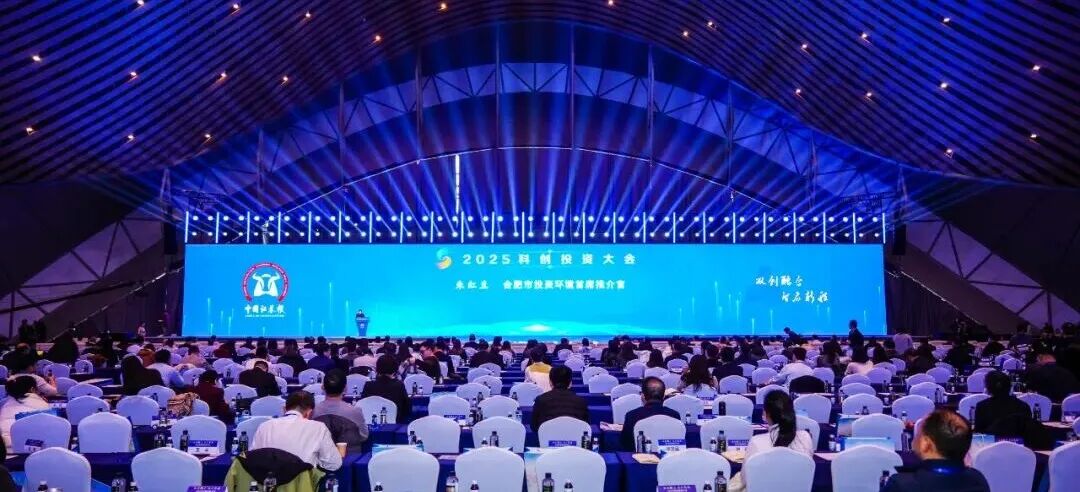
如何推动产业与创新融合?2025科创投资大会上,企业家分享真知灼见
Zhong Guo Zheng Quan Bao· 2025-12-07 06:46
Core Insights - The 2025 Science and Technology Investment Conference highlighted the importance of collaborative development within industrial chains, emphasizing the need for companies to identify their positions and promote industry-wide progress while achieving their own growth [4][6]. Group 1: Industrial Chain Development - The development of industries relies on the collaborative efforts of upstream and downstream players, with a focus on building, strengthening, and extending the industrial chain [4]. - 中科星图 has successfully integrated its business segments into local industrial planning, achieving synchronization with regional development [4]. - 华尔泰 emphasized that extending and supplementing the industrial chain must be based on real market supply and demand to avoid overheating investments and low capacity utilization [4]. Group 2: Technology and Innovation - The competition in global technology is intensifying, making self-controllable core technologies vital for industrial development [6]. - 唐源电气 highlighted the importance of technology, standards, and materials in transitioning from laboratory innovations to mass production [6]. - 科新机电 identified three key issues in innovation to industrialization: understanding customer application scenarios, managing costs while ensuring service quality, and enhancing product usability and efficiency [6]. Group 3: Industry Trends - High-quality enterprise development requires precise understanding of macro environments, industry trends, and market demands [8]. - 元琛科技 suggested promoting "technology going abroad" to mitigate traditional risks associated with overseas investments, emphasizing the need for prior intellectual property arrangements and international standard setting [8]. - 四川具身科技 noted that 2025 is expected to be the year of mass production for humanoid robots, despite existing development bottlenecks [8].
深圳分中心揭牌,盘点各地科学仪器转化中心及成功案例
仪器信息网· 2025-12-06 09:06
Core Viewpoint - The establishment of the Shenzhen branch of the National University Regional Technology Transfer Center (Greater Bay Area) marks a significant step in the transformation and industrialization of high-end scientific instruments in Shenzhen [2][4]. Group 1: Overview of Shenzhen Branch - The Shenzhen branch is established based on the Shenzhen Advanced Light Source Research Institute, focusing on five major industrial directions: high-performance and future materials science research instruments, molecular biomedical instruments, precision instruments for quantum technology, semiconductor and integrated circuit testing equipment, and high-end network and communication instruments [4]. - The core mission of the Shenzhen branch is to address the pain point of "self-use good, market hard to use" in university research instruments, optimizing technology to make instruments more user-friendly and accessible, thereby aiding domestic high-end scientific instruments in entering both domestic and international markets [4]. Group 2: Successful Case Studies - The Beijing Innovation Center focuses on high-end mass spectrometry and spectroscopy instrument development, integrating technology from universities and research institutions to promote collaborative innovation. A high-sensitivity mass spectrometry detection system has been deployed for real-time monitoring of environmental pollutants, achieving detection precision at the ppb level [6]. - The Shanghai Scientific Instrument Innovation Port provides full-chain services from instrument R&D to industrialization, with a focus on overcoming bottleneck technologies in biomedicine and semiconductor testing equipment. A domestically produced flow cytometer has achieved mass production, reducing costs by 40% and supplying institutions like Shanghai Ruijin Hospital [7]. - The Wuhan Life Sciences Large Instrument Regional Center integrates biomedical instrument resources from Wuhan universities, providing a shared platform that promotes the technology transfer of cryo-electron microscopes and gene sequencers. The super-resolution imaging technology has been utilized in research on the mechanism of COVID-19 infection, supporting multiple publications in Nature [9]. - The Advanced Technology Transfer Center in Xi'an focuses on converting aerospace and military instrument technologies for civilian use, leveraging resources from Northwestern Polytechnical University. Aerospace sensor technology has been transformed into industrial non-destructive testing equipment for quality inspection of C919 components [10]. - The Advanced Technology Transfer Center in the Yangtze River Delta, under the Ministry of Industry and Information Technology, focuses on the industrialization of optoelectronic instruments and marine detection equipment. High-precision sonar technology for deep-sea exploration has been equipped on the "Jiaolong" scientific research vessel, achieving detection at depths of 10,000 meters [11]. - The Beijing-Tianjin-Hebei National Technology Innovation Center promotes the R&D and standardization of environmental monitoring and medical diagnostic instruments. An online source tracing system for air pollutants has been developed and applied to ensure air quality during the Winter Olympics [12]. - The Tsinghua University Precision Instrument Transfer Center focuses on the transfer of patented technologies from Tsinghua's Precision Instrument Department, specializing in high-end manufacturing such as lithography machine components and MEMS sensors. Laser interferometer technology has been utilized in the positioning system of domestic lithography machines, achieving nanometer-level precision [13]. - The Harbin Institute of Technology Instrument Pilot Base accelerates the landing of results in space environment simulation and special sensors, with satellite payload calibration devices being converted for civilian use, serving the wind power equipment condition monitoring market [14]. - The Shanghai Innovation Center (Zhangjiang) provides CDMO services for biomedicine instruments, covering the entire process from R&D to GMP production. The first domestic bioreactor production line has been established to meet the capacity needs of COVID-19 vaccine companies [15]. - The Hefei Institute of Technology Innovation Engineering focuses on the industrialization of nuclear energy and quantum instruments, developing the world's first portable nuclear magnetic resonance instrument for grassroots medical use [16]. - The Suzhou Biomedical Engineering Technology Research Institute, co-built by the Chinese Academy of Sciences, Jiangsu Province, and Suzhou City, specializes in the engineering and industrialization of biomedical instruments, reagents, and biomaterials. A high-speed flow cytometer has been developed, achieving a detection speed of 100,000 cells per second at one-third the cost of imported equipment, with over 500 units installed [17].