信托

Search documents
包恋群获批担任国投泰康信托总经理 致力打造卓越的财富管理平台
2 1 Shi Ji Jing Ji Bao Dao· 2025-09-20 02:00
Core Viewpoint - The approval of Bao Lianqun's qualification as the general manager of Guotou Taikang Trust marks a significant leadership change aimed at enhancing the company's asset management capabilities and wealth management platform [1][5]. Group 1: Leadership Changes - Bao Lianqun has over 30 years of experience in the trust industry, having previously held various managerial positions at Jiangsu International Trust Co., Ltd. and Guotou Taikang Trust [3][4]. - The recent leadership transition at Guotou Taikang Trust began in June 2023, with the former chairman Li Ying moving to China Huaneng Group [5][6]. - Following Li Ying's departure, both the former general manager Fu Qiang and Bao Lianqun were promoted to chairman and general manager, respectively [6]. Group 2: Company Background - Guotou Taikang Trust is a non-bank financial institution approved by the People's Bank of China, with a registered capital of 2.6705 billion yuan [6]. - The company has four shareholders: Guotou Capital Holding Co., Ltd. (61.29%), Taikang Insurance Group Co., Ltd. (27.06%), Yueda Capital Co., Ltd. (8.2%), and Taikang Asset Management Co., Ltd. (3.45%) [6]. Group 3: Business Focus - Bao Lianqun has a strong focus on the infrastructure sector and has been instrumental in promoting the standardization of asset management and the expansion of family trust services at Guotou Taikang Trust [4]. - Under his management, the company has maintained stable operations without any reported risks [4].



2.6万亿信托公司董事长 正式获批!
Zhong Guo Ji Jin Bao· 2025-09-19 14:51
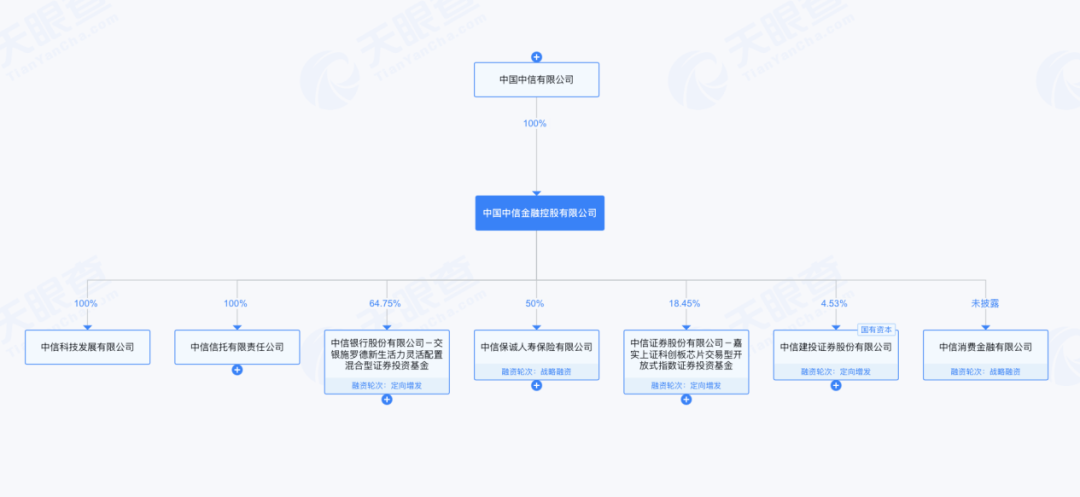
Group 1 - The Beijing Financial Regulatory Bureau has approved the appointment of Lv Tianguo as the chairman and director of CITIC Trust Co., Ltd. [2] - Lv Tianguo has over 30 years of experience in the financial industry, having held various positions at CITIC Bank and CITIC Trust [2][3] - CITIC Trust's registered capital is currently 11.276 billion yuan, and it is a subsidiary of CITIC Financial Holdings Limited, which is ultimately controlled by CITIC Group [3] Group 2 - As of the end of 2024, CITIC Trust manages a trust scale of 2.62 trillion yuan, with an operating income of 5.379 billion yuan and a net profit of 2.653 billion yuan, ranking among the top in the industry [5] - CITIC Trust's wholly-owned subsidiary, CITIC Juxin (Beijing) Capital Management Co., Ltd., successfully listed its invested company, Zhengli New Energy Battery Technology Co., Ltd., on the Hong Kong Stock Exchange with an IPO price of 8.27 HKD per share, achieving a market value exceeding 20 billion HKD [5] - The trust industry is undergoing a critical transformation, with several trust companies, including Daye Trust and Jianxin Trust, establishing or participating in equity investment partnerships to strategically invest in emerging industries [5]
2.6万亿信托公司董事长,正式获批!
Zhong Guo Ji Jin Bao· 2025-09-19 14:24
Group 1 - The Beijing Financial Regulatory Bureau has approved the appointment qualifications of Lv Tianguo as the chairman and director of CITIC Trust [1] - Lv Tianguo has over 30 years of experience in the financial industry, having held various positions at CITIC Bank and CITIC Trust [1][2] - CITIC Trust's total trust assets under management reached 2.62 trillion yuan by the end of 2024, with an operating income of 5.379 billion yuan and a net profit of 2.653 billion yuan, ranking among the top in the industry [5] Group 2 - CITIC Trust was established in March 1988 and has undergone several name changes and restructuring, with its current registered capital at 11.276 billion yuan [2] - CITIC Trust is a subsidiary of CITIC Financial Holdings, which is part of the comprehensive financial services platform of CITIC Group [3] - The trust industry is currently undergoing a transformation, with several companies, including CITIC Trust, engaging in strategic investments in emerging industries [5]
建元信托跌停,沪股通龙虎榜上买入2656.29万元,卖出2728.39万元
Zheng Quan Shi Bao Wang· 2025-09-19 10:14
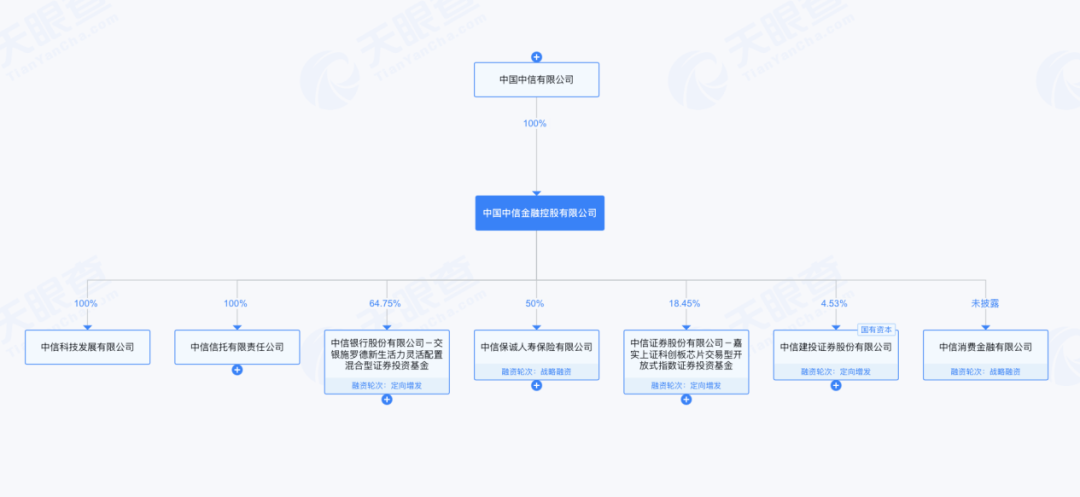
Group 1 - The stock of JianYuan Trust (600816) experienced a limit down today, with a turnover rate of 7.80% and a transaction amount of 1.414 billion yuan, showing a fluctuation of 9.01% [2] - The stock was listed on the Shanghai Stock Exchange due to a daily decline deviation of -9.75%, with a net sell of 721,000 yuan from the Shanghai-Hong Kong Stock Connect [2] - The main funds saw a net outflow of 36.7179 million yuan today, with a significant single net outflow of 45.5892 million yuan and a large single fund inflow of 8.8712 million yuan [2] Group 2 - In the first half of the year, the company reported an operating income of 150 million yuan, representing a year-on-year increase of 84.89%, and a net profit of 40.2897 million yuan, up 13.36% year-on-year [3] - The top five buying and selling member trading departments had a total transaction amount of 214 million yuan, with a buying amount of 87.9426 million yuan and a selling amount of 126 million yuan, resulting in a net sell of 38.1765 million yuan [3][4] - The latest margin trading data shows a total margin balance of 467 million yuan, with a financing balance of 461 million yuan and a securities lending balance of 5.5103 million yuan, indicating a recent increase in financing balance by 66.4238 million yuan, or 16.83% [2]

陕国投A:截至9月10日股东总户数为106583户
Zheng Quan Ri Bao Wang· 2025-09-19 10:12
Core Viewpoint - The latest equity registration date for Shaanxi Guotou A is set for September 10, 2025, with a total of 106,583 shareholders [1] Company Information - Shaanxi Guotou A has confirmed the equity registration date as September 10, 2025 [1] - The total number of shareholders currently stands at 106,583 [1]

中油资本:中油资本所属企业昆仑信托股权投资项目布局机器人等高新技术领域
Zheng Quan Ri Bao· 2025-09-19 09:43
Group 1 - The core viewpoint of the article is that Zhongyou Capital is actively investing in high-tech fields, specifically in robotics through its subsidiary Kunlun Trust [2] Group 2 - Zhongyou Capital responded to investor inquiries on September 19, indicating its strategic focus on high-tech investments [2] - The investment project in robotics is part of a broader initiative to enhance the company's portfolio in advanced technology sectors [2]


【周工宏观策略】国内风险偏好升温,A股重拾涨势,短期波动提升的同时上涨空间打开
Sou Hu Cai Jing· 2025-09-19 08:58
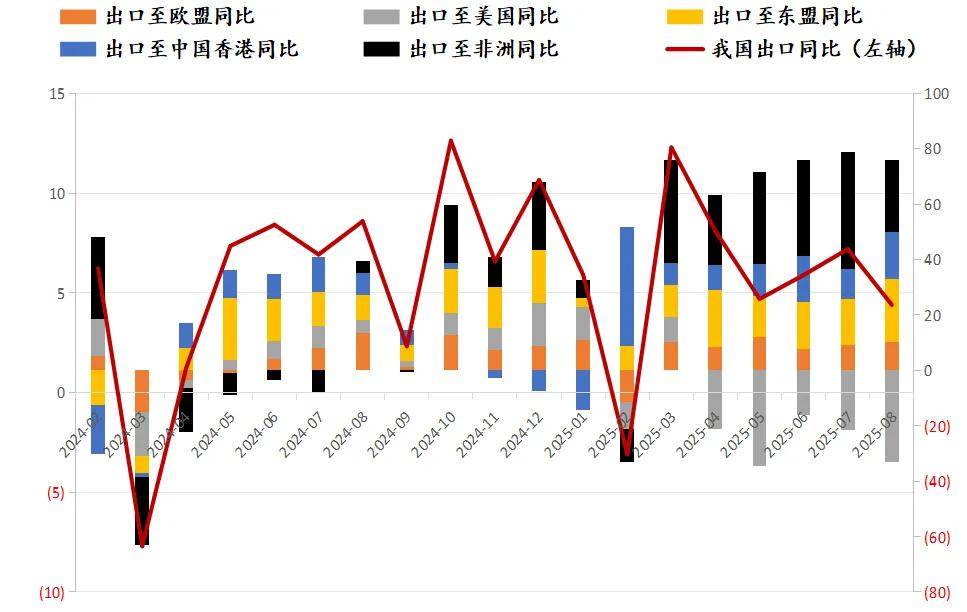
来源:中信信托 本周摘要 Weekly Summary 上周,A股上周重拾涨势。成交额、换手率、融资余额等反映市场情绪的指标指向当前风险偏好上升并处于较高位置。在此背景下,成长 风格整体跑赢稳定风格。由于归属科技成长范畴的电子行业和房地产、农林牧渔等传统周期行业录得上周涨幅前三,或反映当前市场主 线仍在寻求不同板块间的平衡以及在前期涨幅相对较小的行业中寻求机会。预计A股短期波动提升的同时上涨空间将打开。美国方面仍是 交易美联储降息节奏的加快。美元持续下行、美国国债收益率回落,以及美股和黄金的上涨,或反映市场对于美联储将实施货币宽松行 为的定价。报告维持前期观点,关注美国经济"类滞胀"风险及后续降息空间或仍将受限。 MACROECONOMICS 国内外宏观经济 国内方面 国内风险偏好升温,A股重拾涨势,但短期波动料将加大。我国上周先后发布8月贸易、通胀、社融信贷等重要月度经济数据。3季度以 来,我国经济数据表现冷热不均,除了出口项连续数月超预期,生产、需求以及通胀数据难言强劲。本次贸易、通胀和社融信贷数据的 主要特征是出口增速回落,CPI通胀同比增速重回负增;另一方面,PPI通胀降幅收窄,主要源于前期"反内卷" ...
四川信托重整落地:蜀道集团成第一大股东
Jing Ji Guan Cha Bao· 2025-09-19 03:03
Core Viewpoint - The restructuring of Sichuan Trust has been approved, with Shudao Investment Group becoming the largest shareholder, holding 58.6278% of the shares [1][2]. Group 1: Shareholding Changes - Sichuan Trust's shareholding structure has changed significantly, with Shudao Investment Group now holding 58.6278% of the company [1]. - Other shareholders include Sichuan Tianfu Chunxiao Enterprise Management Co., Ltd. with 15.0118%, Chengdu Jiaozi Financial Holding Group Co., Ltd. with 10.0949%, Chengdu Xingshuqing Enterprise Management Co., Ltd. with 10.0949%, and two limited partnership enterprises holding 0.1466% and 2.8260% respectively [1]. Group 2: Regulatory Compliance and Governance - The approval mandates Sichuan Trust to strictly adhere to relevant laws and regulations during the shareholding change process [2]. - Sichuan Trust is required to enhance its shareholding management, optimize its shareholding structure, and strengthen corporate governance and internal control mechanisms to mitigate risks [2]. Group 3: Background and Previous Issues - Sichuan Trust was established on November 28, 2010, with a registered capital of 3.5 billion yuan [2]. - In mid-2020, the company faced significant challenges due to the inability of financing enterprises to repay trust funds on time, leading to overdue trust products and regulatory intervention [2].
央企控股信托公司,被骗了?
Shang Hai Zheng Quan Bao· 2025-09-19 01:16
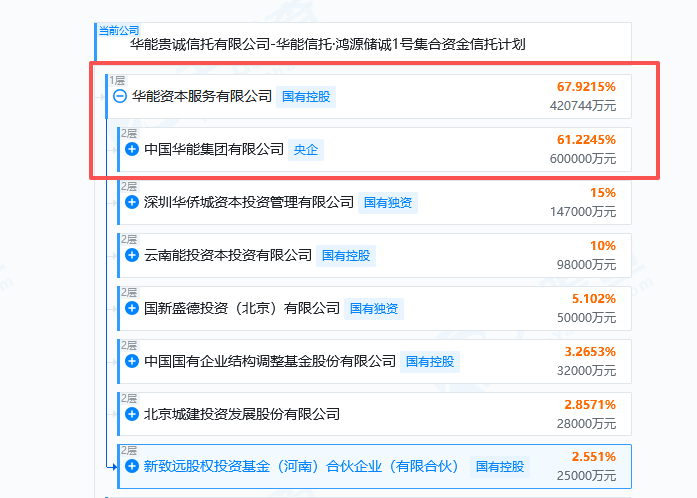
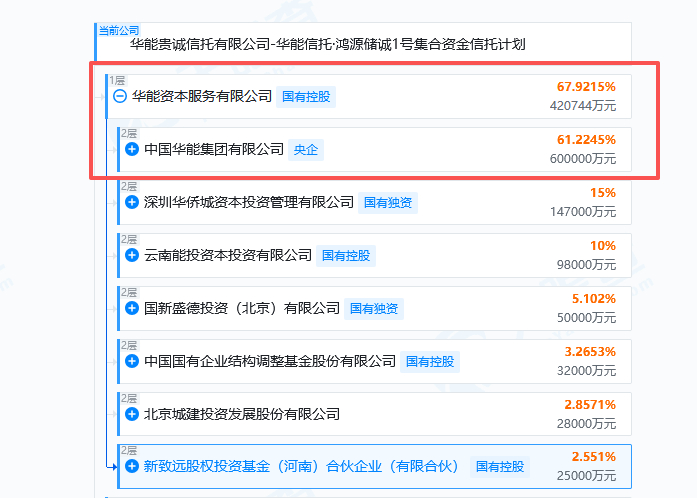
Core Viewpoint - The recent civil judgment reveals significant risks associated with Huaneng Trust Co., Ltd., as multiple investors have filed lawsuits due to the failure of trust products to repay principal and returns on time, linked to a fraudulent scheme involving over 1 billion yuan [1][4]. Summary by Sections Legal Proceedings - Investors purchased Huaneng Trust's "Huaneng Trust Jinying No. 30" product through Huishang Bank, with an initial investment of 2 million yuan, but were denied repayment after the product's maturity [2]. - Huaneng Trust claims the trust contract allows for an extension of the product's duration from 12 months to 51 months without beneficiary consent, which contradicts investor understanding [2][3]. Fraudulent Activities - The fraudulent scheme involved Shenzhen Xingrui Information Technology Co., Ltd., where its controller, Chi Jinlong, used forged insurance policies and impersonated individuals to misappropriate funds from the "Xinsure Loan" project [1][6]. - Huaneng Trust and Huishang Bank failed to adequately monitor the loan assets, leading to significant financial losses for investors [3][6]. Industry Implications - This incident serves as a warning for the trust industry, highlighting the need for companies to enhance due diligence and risk management practices to protect investor interests [7][8]. - Historical cases of fraud in the trust sector, such as the "Chengxing System" and "Jinhuang Jewelry" incidents, underline the systemic risks and the necessity for improved oversight [7][8].
央企控股信托公司被骗了?
Shang Hai Zheng Quan Bao· 2025-09-19 00:48
Core Viewpoint - The recent civil judgment reveals significant risks associated with Huaneng Trust Co., Ltd., as multiple investors have filed lawsuits due to the failure of trust products to repay principal and returns on time [1][3]. Group 1: Legal Issues - Investors purchased Huaneng Trust's "Huaneng Trust Jinying No. 30" trust product through Huishang Bank, with an initial investment of 2 million yuan, but were denied repayment after the product's maturity [3]. - Huaneng Trust claims that the trust contract allows for an extension of the product's duration from 12 months to 51 months without beneficiary consent, which contradicts investor understanding [3][4]. - The court found that Huaneng Trust failed to provide evidence that the trust funds were allocated to compliant underlying assets, leading to the conclusion that the company improperly managed the trust funds, infringing on investors' rights [4]. Group 2: Fraudulent Activities - The underlying issue stems from a fraudulent scheme orchestrated by individuals associated with Shenzhen Xingrui Information Technology Co., Ltd., who forged insurance policies and misrepresented borrowers to obtain over 1 billion yuan in loans [1][8]. - Huaneng Trust and Huishang Bank were unaware of the fraudulent activities, which involved bribery and the creation of fake insurance documents to facilitate unauthorized loans [8]. Group 3: Industry Implications - This incident serves as a warning for the trust industry, highlighting the need for companies to enhance due diligence and risk management practices when engaging in non-standard business operations [1][10]. - The trust sector has seen a rise in fraudulent activities, necessitating stricter oversight and adherence to risk management protocols to maintain investor trust [10][11]. - Experts emphasize the importance of thorough background checks on borrowers and regular monitoring of insurance policies to prevent similar incidents in the future [11].