人工智能制药

Search documents
英矽智能午后涨超10% MEN2501再获里程碑付款 大摩看好公司在AIDD领先地位
Zhi Tong Cai Jing· 2026-02-09 05:59
Core Viewpoint - The stock of Insilico Medicine (03696) rose over 10% following the announcement of a milestone payment from Menarini Group related to their collaboration on the MEN2501 project, which is a KIF18A inhibitor designed for treating chromosomal instability solid tumors [1] Group 1: Company Developments - Insilico Medicine received a milestone payment of HKD 39 million from Menarini Group after the first patient was dosed in the Phase I clinical trial of MEN2501 [1] - This follows a previous milestone payment of over HKD 23.4 million received in July 2025 for development and regulatory achievements [1] Group 2: Industry Position - Morgan Stanley's report highlights Insilico Medicine as a leader in the AIDD (AI-Driven Drug Discovery) field, noting substantial progress in both technical validation and application [1] - The company's execution capability in chemical modeling supports its repeatable "1-to-N" innovation engine, with potential upside expected to be further realized as biological model validations become evident [1]
英矽智能上市次日涨近12% 较招股价涨近4成
Xin Lang Cai Jing· 2025-12-31 02:40
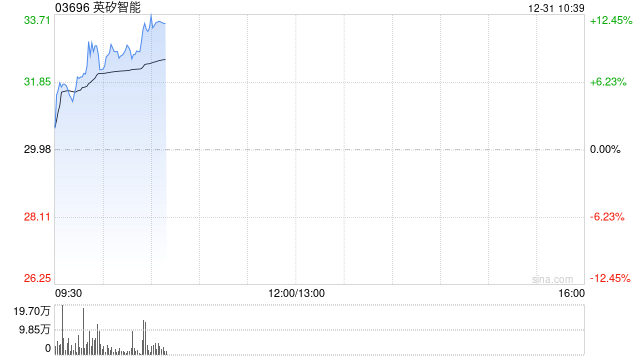
Core Viewpoint - The stock of Insilico Medicine (03696) surged over 11% on its second day of trading, reaching HKD 33.62, nearly a 40% increase from its IPO price of HKD 24.05 [1][3] Company Overview - Insilico Medicine was established in 2014 and is a leading company in AI-driven drug discovery and development in China [1][3] - As of December 10, 2025, the company has generated over 20 assets in clinical or IND application stages through its proprietary generative AI platform, Pharma.AI [1][3] Business Developments - Three of the assets have been licensed to international pharmaceutical companies, with a total contract value of up to USD 2.1 billion [1][3] - The company also has one asset in the II phase of independent development, which is considered to be at a leading stage in the industry [1][3] Market Performance - As of the latest update, the stock price increased by 11.74%, currently trading at HKD 33.50, with a trading volume of HKD 94.5447 million and a total market capitalization exceeding HKD 18 billion [1][3]

英矽智能首挂上市早盘高开45.53%,股价高开引关注
Sou Hu Cai Jing· 2025-12-30 13:56
Core Viewpoint - The successful debut of Insilico Medicine (03696) on the Hong Kong Stock Exchange has generated significant market interest, with its stock price surging on the first day of trading [1] Group 1: IPO Details - Insilico Medicine priced its shares at HKD 24.05, issuing a total of 94.69 million shares, resulting in net proceeds of approximately HKD 2.026 billion [3] - On the first trading day, the stock price increased to HKD 31.94, reflecting a gain of 32.81%, with a trading volume reaching HKD 768 million [3] Group 2: Company Overview - Insilico Medicine is recognized as a global leader in AI-driven drug discovery and development, showcasing its capabilities through the Pharma.AI platform [3] - The Pharma.AI platform integrates four major modules: Biology42, Chemistry42, Medicine42, and Science42, covering the entire drug development process from target identification to clinical outcome prediction [3] Group 3: Achievements - The company has successfully generated over 20 assets in clinical or IND application stages through its Pharma.AI platform [3] - Three of these assets have been licensed to international pharmaceutical and healthcare companies, with a total contract value of up to USD 2.1 billion [3] - Additionally, there is one asset in the advanced stage of Phase II development, indicating the company's strong position in the industry [3]
6新股年末组团敲锣!缩短研发周期 港股市场热捧AI制药|港股直通车
Di Yi Cai Jing Zi Xun· 2025-12-30 13:07
Core Viewpoint - On December 30, the Hong Kong Stock Exchange welcomed six companies for collective listing, indicating a positive sentiment in the new stock market and a trend of companies rushing to go public before year-end financial disclosures [1] Group 1: Company Listings - Six companies listed on the Hong Kong Stock Exchange: skincare brand Lin Qingxuan (HK02657), construction service provider Meilian Holdings (HK02671), data infrastructure firm Xun Ce (HK03317), AI drug development company Yingsi Intelligent (HK03696), robotics company Woan Robotics (HK06600), and digital twin technology firm Wuyi Shijie (HK06651) [1] - Yingsi Intelligent opened at HKD 35, a significant increase of 45% from its issue price, making it a highlight of the day [1] Group 2: Market Sentiment and Trends - Investment manager Li Mingde from Dasheng Group noted that the recent positive sentiment in the Hong Kong new stock market, along with favorable valuations and strong financial performances from several tech companies this year, has encouraged firms to list before year-end [1]
年末最火爆一幕:一天9个IPO
投中网· 2025-12-30 02:29
Core Viewpoint - The article highlights the vibrant activity in China's capital markets in 2025, marked by the simultaneous IPOs of nine companies, indicating a strong recovery and investor confidence in the market [3][15]. Group 1: IPO Highlights - On December 30, 2025, six companies listed on the Hong Kong Stock Exchange, while three companies debuted on the A-share market, collectively marking a significant event in the capital market [3]. - The market capitalization of the listed companies included over HKD 193 billion for 英矽智能 (Insilico Medicine), HKD 127 billion for 林清轩 (Lin Qingxuan), and CNY 323 billion for 强一股份 (Qiangyi Co.) [3][5]. - The total number of IPOs in 2025 reached 111 in A-shares, a 12.12% increase from the previous year, with total fundraising amounting to CNY 125.32 billion, a 96.25% increase [17]. Group 2: Company Profiles - 美联股份 (Meilian Co.), founded in 1999, ranked third in China's prefabricated steel structure market with revenues exceeding CNY 1.5 billion in 2024 [5]. - 林清轩 (Lin Qingxuan) focused on high-end skincare, achieving sales of over 45 million bottles of camellia oil, becoming the top seller in China for 11 consecutive years [6]. - 双欣环保 (Shuangxin Environmental) and 誉帆科技 (Yufan Technology) have been involved in the production of polyvinyl alcohol and smart drainage systems, respectively, contributing to their successful IPOs [6][8]. Group 3: Investment Landscape - Companies like 五一视界 (51WORLD) and 英矽智能 (Insilico Medicine) attracted significant investments from notable firms such as Sequoia China and Hillhouse Capital, reflecting strong investor interest [11][13]. - 迅策 (Xunce) raised over CNY 2.1 billion, with a valuation exceeding CNY 6.2 billion, supported by major investors including Tencent and KKR [13]. - The successful IPOs have instilled confidence among investors, showcasing the ongoing vibrancy of China's capital markets [15].

西湖大学许田:AI正在颠覆创新药研发进程
Zhong Guo Ji Jin Bao· 2025-12-28 02:31
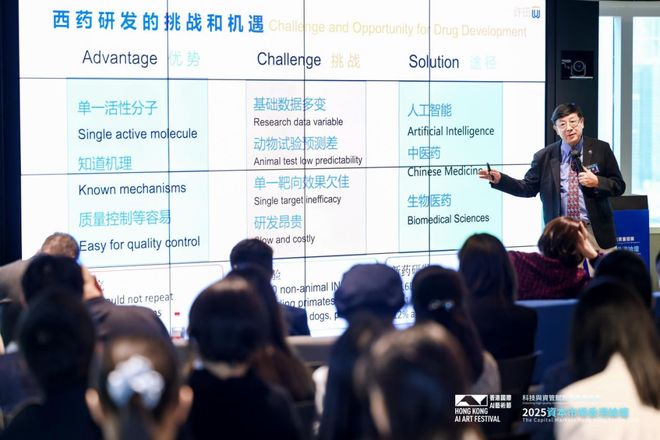
Core Viewpoint - AI is revolutionizing the drug development process in the biopharmaceutical industry, significantly enhancing efficiency and effectiveness in research and innovation [6][8]. Group 1: Human Evolution and Technological Revolution - The essence of humanity is rooted in its evolution from herbivorous to omnivorous diets, which has influenced societal traits and behaviors [2]. - Technological revolutions are identified as the core driving force of human development, following a cyclical pattern of slow incubation, rapid output, and eventual stagnation [4]. - Historical technological milestones include the Industrial Revolution initiated by Richard Arkwright in 1771, the steam engine by George Stephenson in 1852, and the advent of computers in 1939, culminating in the rise of artificial intelligence in the 1980s [4]. Group 2: Current Technological Waves - The world is currently experiencing overlapping technological waves, including the ongoing information network revolution and the emerging biopharmaceutical and AI waves [5]. - AI is reshaping social cognition and information dissemination, leading to changes in societal behaviors and decision-making processes [5]. Group 3: AI in Biopharmaceuticals - The integration of AI in biopharmaceuticals has led to the establishment of successful companies, with a notable success rate of 90% in projects initiated by the speaker's team [6]. - AI has significantly shortened drug development timelines, with three new drugs entering clinical phase II within six years, marking them as world-first innovations [8]. - The development of AI algorithms has enabled the standardization of biopharmaceutical data, expanding usable patient data from thousands to billions, thus enhancing the training of AI models [8].
西湖大学许田:AI正在颠覆创新药研发进程
中国基金报· 2025-12-28 02:22
Core Viewpoint - AI is revolutionizing the drug development process in the biopharmaceutical industry, significantly enhancing efficiency and effectiveness [10][14]. Group 1: Human Evolution and Technological Revolution - The essence of humanity is rooted in a plant-based diet, with a shift to meat consumption around three million years ago leading to significant evolutionary changes [4]. - Technological revolutions are the core narrative of human development, characterized by a cycle of slow incubation followed by rapid output and eventual stagnation [6][7]. - Historical technological revolutions include the Industrial Revolution, the rise of the automobile, and the advent of the internet, each marking significant economic and societal shifts [7]. Group 2: Current Technological Waves - The world is currently experiencing overlapping technological waves, including the ongoing information network revolution and the emerging biopharmaceutical and AI waves [8]. - AI is reshaping social cognition and information dissemination, leading to changes in societal behavior and decision-making processes [8]. Group 3: Biopharmaceutical Industry Insights - In 2022, China's biopharmaceutical industry achieved over $100 billion in external licensing, surpassing the export value of new energy vehicles, indicating a significant growth trajectory [8]. - Despite lower investment levels compared to the new energy vehicle sector, the biopharmaceutical field's growth reflects the irreversible nature of technological waves [8]. Group 4: AI in Drug Development - The integration of AI in biopharmaceuticals has led to the establishment of successful companies, with a 90% success rate in projects initiated by the speaker's team, resulting in 10 companies being launched [11]. - AI has drastically reduced drug development timelines, with three drugs entering clinical phase II within six years, marking them as "First-in-Class" innovations [14]. - AI algorithms have enabled the standardization of biopharmaceutical data, expanding usable patient data from thousands to billions, thus enhancing the training of AI models [14].

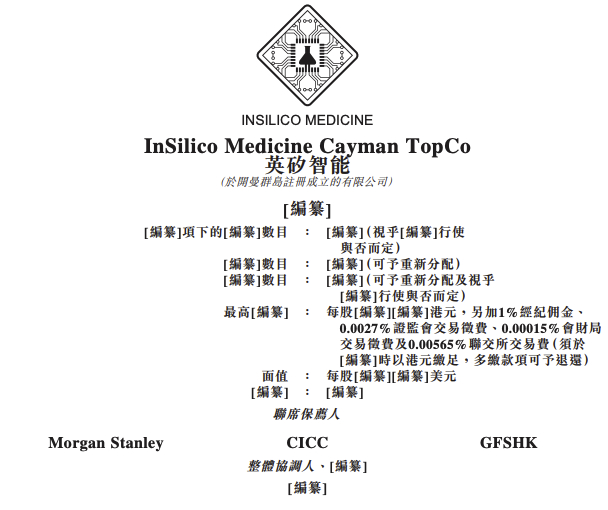
英矽智能向港交所递交上市申请
Xin Lang Cai Jing· 2025-11-11 04:00
Group 1 - The core point of the article is that 英矽智能 has submitted its listing application to the Hong Kong Stock Exchange on November 11 [1]
剂泰科技完成4亿元人民币D轮融资:以AI创新解决纳米递送难题
IPO早知道· 2025-08-04 08:45
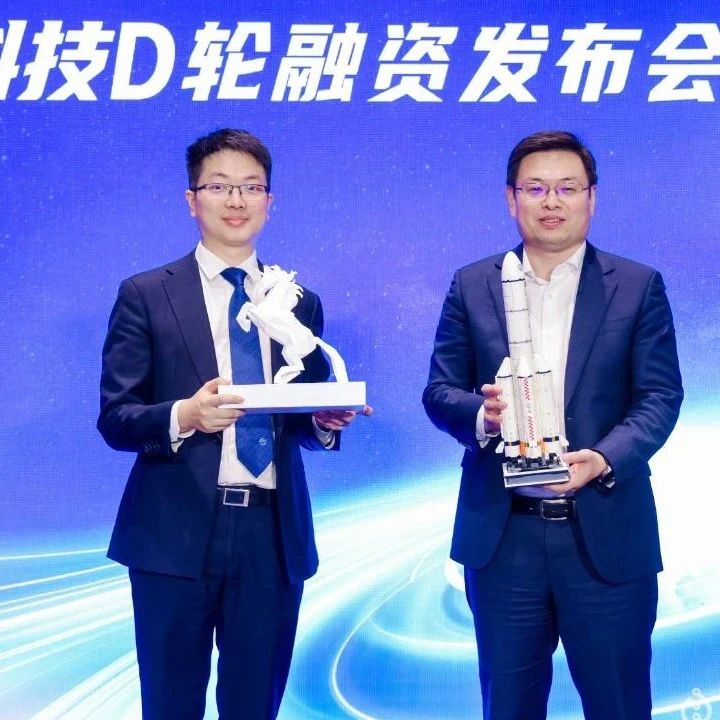
Core Insights - The article highlights the successful completion of a 400 million RMB Series D financing round by Jitai Technology, aimed at accelerating strategic initiatives including platform automation, product pipeline development, international collaboration, and talent acquisition [2][4]. Group 1: Company Overview - Jitai Technology, established in 2020, is an AI-driven biotech company focused on innovative nanomaterials, specifically targeting drug delivery and discovery technologies to combat diseases and aging [2]. - The company has developed an AI nanobase model and three core solutions: AiLNP (AI nucleic acid delivery system design platform), AiRNA (AI mRNA sequence design platform), and AiTEM (AI small molecule formulation design platform) [2]. Group 2: Technological Advancements - Jitai Technology has achieved precise targeted delivery capabilities of lipid nanoparticles (LNP) to key tissues and cells such as the liver, lungs, muscles, and immune cells, making significant progress in multi-organ and multi-tissue delivery challenges [3]. - The newly launched OpenCGT platform focuses on addressing industry pain points in precise drug delivery, aiming to lower development barriers and costs while fostering breakthrough CGT therapies [4]. Group 3: Strategic Partnerships and Support - The OpenCGT platform is designed to integrate research capabilities from top universities, resources from major hospitals, and the full R&D chain of CGT innovative pharmaceutical companies in Beijing [4]. - The Beijing Pharmaceutical and Health Industry Investment Fund, established by the Beijing government, aims to inject strong momentum into the development of innovative drugs and medical devices, particularly in emerging fields like cell and gene therapy [4][5]. Group 4: Industry Impact - The article emphasizes the importance of the pharmaceutical and health sector in Beijing's innovation strategy, with a focus on integrating AI with healthcare to drive high-quality development [5]. - The establishment of the OpenCGT platform is expected to accelerate the translation of original innovations and attract top global talent, technology, and capital to enhance Beijing's international competitiveness in the CGT field [5].
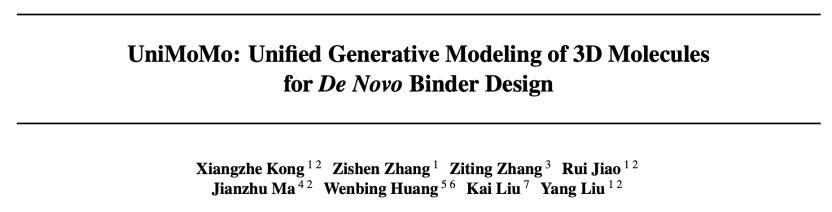
入选ICML 2025,清华/人大/字节提出首个跨分子种类统一生成框架UniMoMo,实现多类型药物分子设计
3 6 Ke· 2025-05-28 10:30
Core Insights - The article discusses the development of a unified generative framework called UniMoMo, which aims to design various types of molecules for drug development by utilizing molecular fragments for unified representation [1][3][8]. Group 1: Framework Overview - UniMoMo is a collaborative effort between Tsinghua University, Renmin University, and ByteDance's AI drug development team, focusing on generating different types of binding molecules for the same target [1][2]. - The framework employs a variational autoencoder to compress the full atomic conformations of molecular fragments and utilizes geometric diffusion modeling in the compressed latent space [1][8]. Group 2: Need for Unified Modeling - Different molecular types have distinct advantages and are suitable for various disease scenarios, necessitating the selection of the most appropriate type for specific therapeutic needs [3][4]. - Existing generative methods typically model only one type of molecule, limiting their ability to meet diverse treatment requirements and leverage commonalities across different molecular types [3][4]. Group 3: Challenges in Generative Modeling - The framework faces significant challenges in molecular representation and the design of generative algorithms due to the structural differences among molecular types [6][7]. - A key challenge is maintaining both atomic-level geometric details and abstracting structural hierarchies in the unified molecular representation [6][7]. Group 4: Design and Performance of UniMoMo - UniMoMo employs a unified representation of all molecular types as graphs composed of molecular fragments, allowing for the retention of atomic-level details and hierarchical structures [8][9]. - The iterative variational autoencoder (IterVAE) compresses all atoms in each block into a point in the latent space, facilitating efficient generative modeling while maintaining structural accuracy [9][11]. Group 5: Evaluation and Results - UniMoMo has been evaluated across multiple structural design tasks, demonstrating superior performance compared to existing single-type generative models in terms of geometric modeling capabilities and cross-modal generalization [11][12]. - In peptide design tasks, UniMoMo achieved significant improvements in key metrics such as structural accuracy and interaction quality, outperforming models like RFDiffusion and PepFlow [12][13]. Group 6: Future Directions - The authors suggest that future work could expand the modeling to include non-natural amino acids and more complex drug forms, enhancing the candidate molecular space [21]. - The unified modeling approach also presents opportunities for improving the controllability and interpretability of generative models, potentially advancing the development of reliable and practical molecular design platforms [21].