公路货运

Search documents
地缘扰动:油价为引,重塑为核
HTSC· 2026-03-11 00:20
Investment Rating - The report maintains an "Overweight" rating for the transportation sector, specifically recommending "Buy" for COSCO Shipping Holdings and "Add" for Daqin Railway [5]. Core Insights - The report highlights the significant impact of geopolitical tensions on global transportation systems, particularly through rising oil prices and disruptions in shipping routes. It emphasizes that if the situation persists, it could lead to a permanent restructuring of global trade routes and increased transportation costs [6][11]. - The report identifies specific companies that may benefit from these changes, including COSCO Shipping, which is expected to see short-term increases in freight rates and potential long-term shifts in global trade routes [6][11]. Summary by Sections Oil Transportation - The report notes that approximately 31% of global oil exports are affected by disruptions in the Strait of Hormuz, leading to a significant increase in shipping rates. VLCC rates have surged to historical highs, with rates from the Middle East to China reaching $475,000 per day, a 118.2% increase from late February [20][67]. Air Transportation - Rising oil prices are expected to increase airline operating costs, with a projected increase of 7.3% to 14.7% in fuel costs depending on oil price scenarios. However, Chinese airlines may benefit from increased demand on European routes as a result of geopolitical shifts [7][72][73]. Rail Transportation - The China-Europe Railway Express is anticipated to see a rise in both volume and pricing due to the increased value of rail transport as an alternative to maritime shipping. The report suggests that rail transport could attract more high-value, time-sensitive goods as oil prices rise [8][9]. Road Transportation - The report indicates that rising fuel costs will pressure road freight rates, with potential shifts from road to rail for price-sensitive goods. The impact of high oil prices may also accelerate the adoption of new energy logistics vehicles in the long term [9][11]. Container Shipping - The report predicts a reversal in market expectations for container shipping, with rates expected to rebound due to disruptions in Middle Eastern routes. The Shanghai Containerized Freight Index (SCFI) has already seen an increase of 11.7% since late February [39][40]. Bulk Shipping - The report anticipates a moderate increase in bulk shipping rates due to rising demand for iron ore and coal as China resumes operations post-holiday. The Baltic Dry Index (BDI) is expected to reflect these changes, with a potential increase in rates [48].


天顺股份2025年营收11.37亿元同比降25.69%,归母净利润-2383.34万元同比降367.29%,毛利率下降1.01个百分点
Xin Lang Cai Jing· 2026-02-27 14:00
Core Viewpoint - Tian Shun Co., Ltd. reported a significant decline in revenue and net profit for the year 2025, indicating financial distress and operational challenges [1][2]. Financial Performance - The company's operating revenue for 2025 was 1.137 billion yuan, a year-on-year decrease of 25.69% [1]. - The net profit attributable to shareholders was -23.83 million yuan, a decline of 367.29% compared to the previous year [1]. - The basic earnings per share were -0.16 yuan, with a weighted average return on equity of -4.70% [1]. - The gross profit margin for 2025 was 3.84%, down by 1.01 percentage points year-on-year, while the net profit margin was -2.32%, a decrease of 3.02 percentage points [1]. Quarterly Insights - In Q4 2025, the gross profit margin improved to 4.94%, an increase of 1.87 percentage points year-on-year and 5.35% quarter-on-quarter [1]. - The net profit margin for Q4 was -3.27%, down 1.51 percentage points year-on-year and 0.76 percentage points quarter-on-quarter [1]. Expense Analysis - Total operating expenses for 2025 were 54.39 million yuan, an increase of 1.87 million yuan year-on-year, with an expense ratio of 4.78%, up by 1.35 percentage points [2]. - Sales expenses decreased by 3.75%, while management expenses fell by 14.97%. However, financial expenses surged by 73.60% [2]. Shareholder Information - As of the end of 2025, the total number of shareholders was 17,300, an increase of 675 from the previous quarter, representing a growth of 4.06% [2]. - The average market value per shareholder rose from 127,500 yuan to 138,700 yuan, an increase of 8.80% [2]. Company Overview - Tian Shun Co., Ltd. is located in Urumqi, Xinjiang, and was established on December 10, 2008. It was listed on May 30, 2016 [2]. - The company primarily engages in third-party logistics for bulk and oversized goods, along with supply chain management and logistics financial supervision [2]. - The main business revenue is entirely derived from the modern logistics sector [2].

旅游列车、租车自驾受热捧 春节出行方式更多元
Xin Lang Cai Jing· 2026-02-19 03:33
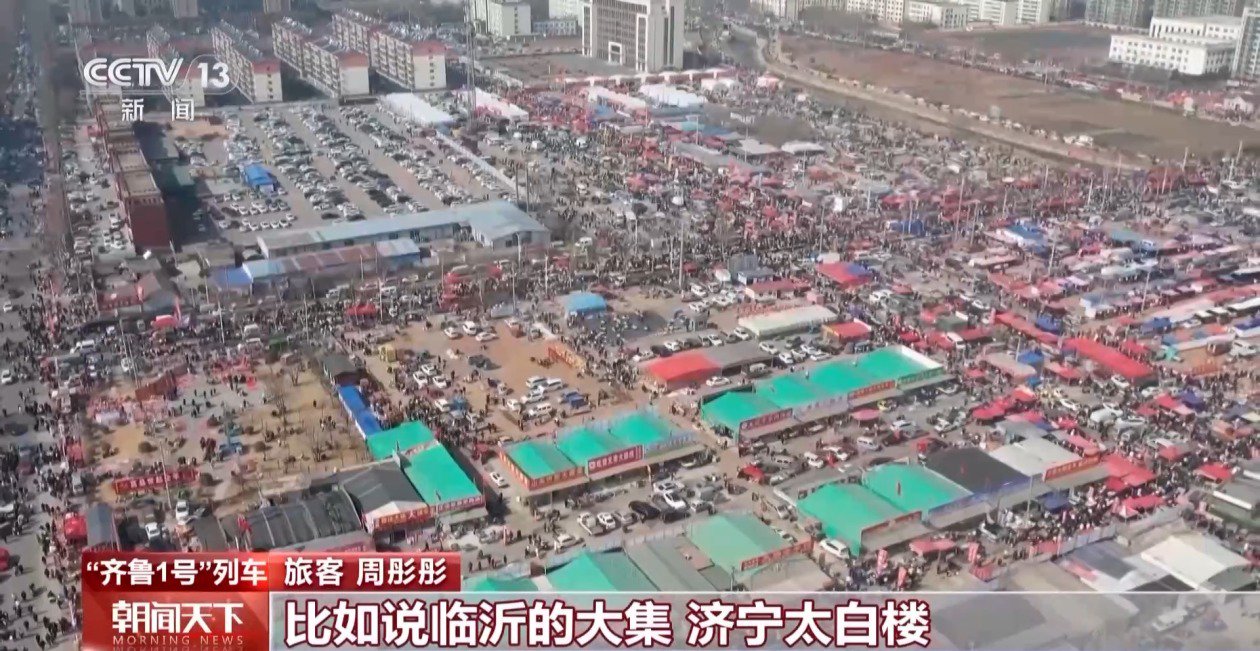
Core Insights - The "Qilu No. 1" tourist train has become a popular travel option during the Spring Festival, enhancing holiday consumption along its route [1][5] - The train connects 11 cities and over 200 scenic spots, promoting tourism, dining, and accommodation industries [1] Transportation Industry - The "Qilu No. 1" train operates daily during the 9-day Spring Festival holiday, providing convenient travel for tourists [1] - Car rental services have seen increased demand, with a focus on family-friendly vehicles like MPVs and SUVs, maintaining a booking rate of over 80% for popular models [8][10] - Rental companies are enhancing services at major transport hubs, including self-service options and improved vehicle return processes [10] Logistics and Supply Chain - The national market for New Year goods has remained robust, with significant transportation activity observed during the Spring Festival [12] - There has been a notable increase in demand for various goods, with small commodity orders rising by 50.9% and fresh produce orders increasing by 31.8% [12] - Transportation departments are implementing supportive measures for truck drivers, including rest areas and essential services at logistics hubs [14]

新春走基层|90后货车司机:一辆车跑出一个家的希望
Xin Lang Cai Jing· 2026-02-15 12:40
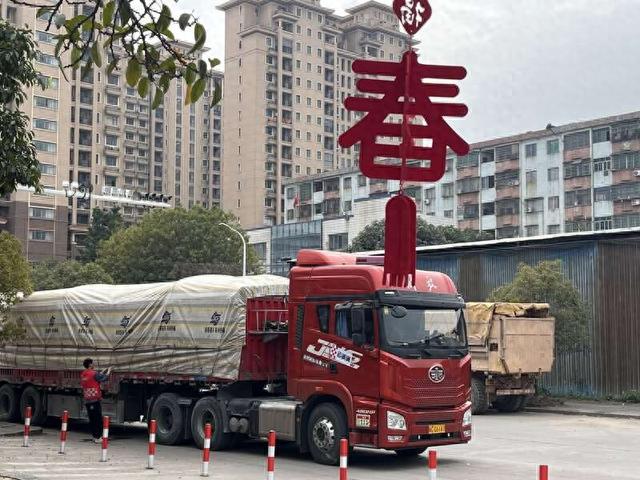
Core Viewpoint - The article highlights the life and challenges of a truck driver, Zhong Biao, who relies on his truck for both his livelihood and family support, illustrating the realities of the logistics industry in China. Group 1: Industry Overview - The logistics industry in China is characterized by a significant number of truck drivers, approximately 38 million, who are essential for transportation services across the country [22]. - The industry has seen a decline in freight volume, with truck drivers facing increased competition and reduced freight rates, leading to a need for more strategic decision-making in operations [14][12]. Group 2: Driver's Experience - Zhong Biao, a 34-year-old truck driver, has been in the industry for three years, learning to navigate the complexities of freight transport, including cost management and route planning [11][12]. - He operates a Qingdao Liberation truck, which he purchased for 450,000 yuan, with a loan that he has recently paid off, indicating the financial pressures faced by drivers [9][14]. - His income is derived from both online platforms and offline connections, with an average profit of around 2,000 yuan per order, totaling over 100 orders a year [14][15]. Group 3: Technology Impact - The advent of mobile applications has transformed the logistics landscape, allowing drivers to find loads, calculate fuel costs, and manage payments more efficiently than previous methods [12][13]. - Platforms have reduced disputes over payments and cargo issues, providing a more streamlined process for drivers [18][17]. Group 4: Personal Life and Challenges - Zhong Biao's truck serves as both his home and a source of income, reflecting the personal sacrifices made by drivers in the industry [10][11]. - He balances his work with family responsibilities, often purchasing toys for his children, which highlights the emotional aspect of his labor [20][21].
第342次“回家”丨新春走基层·蹲点纪实
Xin Lang Cai Jing· 2026-02-11 16:40
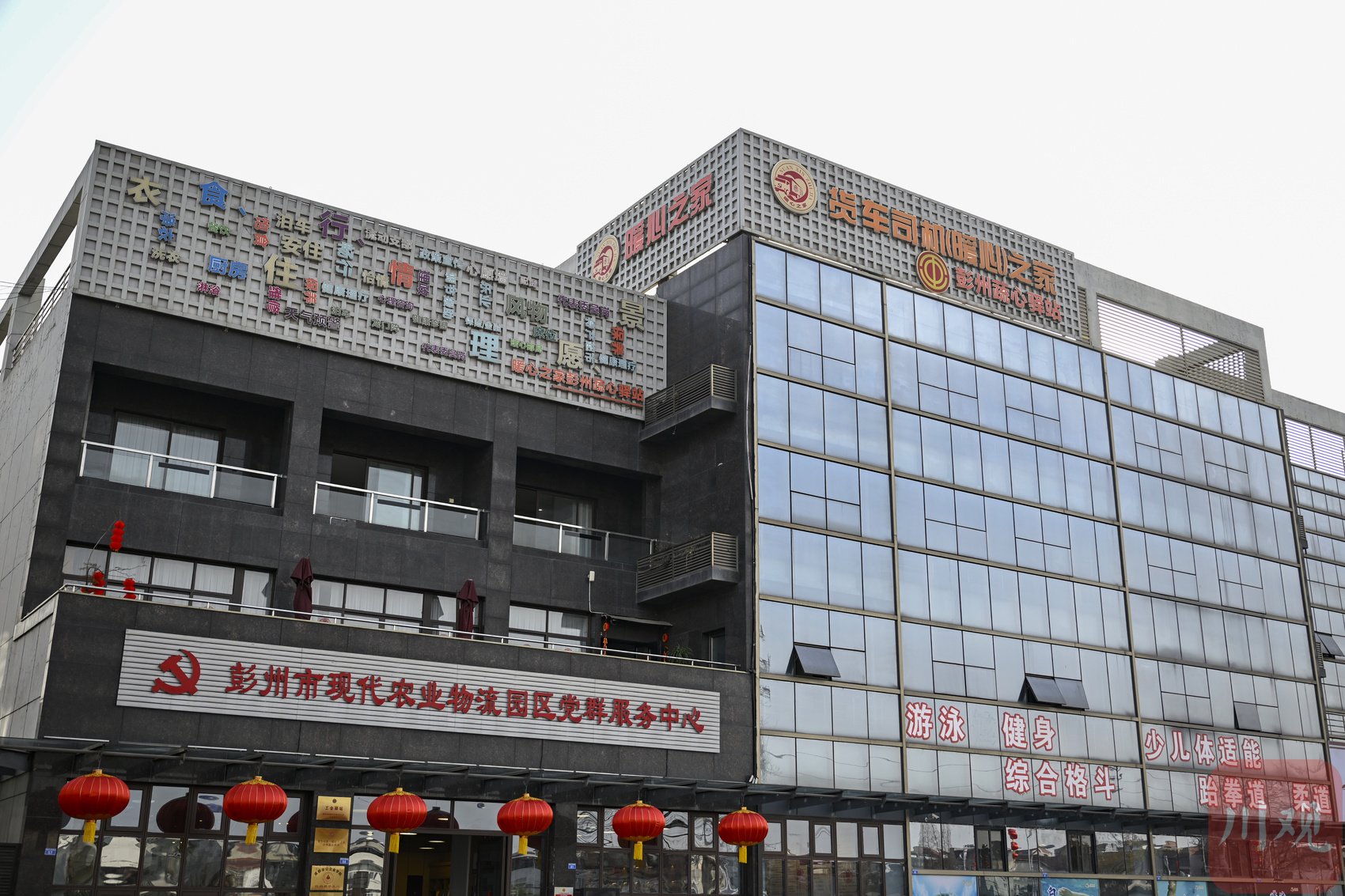
Core Insights - The "Cabbage Heart Station" in Pengzhou serves as a vital support hub for truck drivers, providing essential services and a sense of community during the busy travel season [1][8][12] - The station has evolved from a resting place to a platform for drivers to engage in new business opportunities, such as selling fruits, thereby enhancing their income [3][12][17] - The initiative has expanded to include multiple stations across the province, creating a comprehensive support network for truck drivers [8][12] Group 1: Community and Support - The "Cabbage Heart Station" is a popular resting place for truck drivers, with over 8000 trucks passing through daily, providing a warm environment for drivers to gather and share experiences [5][9] - The station operates 24/7, offering affordable accommodation and essential services like free showers and laundry, which are crucial for drivers [5][7] - The station has become a hub for information exchange among drivers, with a dedicated WeChat group facilitating communication about routes, fuel prices, and accommodation [10][11] Group 2: Business Transformation - Truck drivers are increasingly engaging in direct sales of fruits and vegetables, leveraging their transportation skills to enhance their income amidst low freight rates [12][14][17] - The local agricultural market, with an annual transaction volume exceeding 800 million tons, provides ample opportunities for drivers to source and sell produce [14] - Training programs organized by local authorities are helping drivers acquire new skills necessary for their business transformation, with over 200 participants to date [17] Group 3: Cultural and Social Impact - The annual reunion dinner during the small New Year celebration fosters a sense of belonging among drivers, with shared meals and stories enhancing community ties [19] - The station has initiated volunteer programs, allowing drivers to participate in social causes, such as helping locate missing children, thereby redefining their roles in society [19]
“车开到哪儿,就污染到哪儿”
Xin Lang Cai Jing· 2026-02-08 18:30
Core Viewpoint - The article highlights the issue of illegal modifications in heavy-duty trucks, specifically the installation of a "urea adjustment screw" that significantly increases emissions, turning these vehicles into major sources of pollution [6][9][10]. Group 1: Illegal Modifications and Their Impact - The installation of a small screw on the exhaust temperature sensor can prevent the proper functioning of the urea injection system, leading to a substantial increase in nitrogen oxide emissions [6][9]. - Heavy-duty trucks, when modified in this way, can emit pollution equivalent to that of dozens of compliant trucks, exacerbating air quality issues [9]. - The article notes that nitrogen oxide emissions from heavy-duty trucks account for 80% of the total nitrogen oxide emissions from motor vehicles in China [9]. Group 2: Enforcement and Regulatory Measures - Enforcement efforts have intensified, with a reduction in the number of modified trucks detected during inspections, indicating some success in curbing illegal modifications [8][10]. - Various provinces, including Beijing, Shandong, and Henan, have reported cases of illegal modifications, highlighting the widespread nature of the issue [8][9]. - The article emphasizes the need for a coordinated approach among environmental, transportation, and law enforcement agencies to effectively combat illegal modifications [14]. Group 3: Economic Incentives for Modification - Truck drivers are motivated to modify their vehicles due to the high costs associated with urea consumption, which can amount to approximately 10,000 yuan annually [11]. - The availability of online tutorials and low-cost modification kits further encourages illegal practices among truck drivers [11][12]. - The article mentions that a specific "urea adjustment screw" can be purchased online for as little as 12 yuan, making it an accessible option for many drivers [12]. Group 4: Future Directions and Recommendations - The article suggests that promoting the adoption of new energy heavy-duty trucks could be a viable solution, as the cost gap between these and diesel trucks is narrowing [14]. - It calls for the establishment of a comprehensive information-sharing platform among regulatory bodies to enhance monitoring and enforcement efforts [14]. - The need for stricter regulations on online sales of illegal modification components is also highlighted, urging platforms to take responsibility in preventing such transactions [13][14].

德邦、安能退市,正在砸碎大票零担平台的IPO幻想
Sou Hu Cai Jing· 2026-02-08 15:49
Core Viewpoint - The delisting of Debon and Aneng signifies a strategic withdrawal from the capital market's financial constraints, redefining the competitive landscape of the less-than-truckload (LTL) market in China [1][7]. Group 1: Market Dynamics - The logistics industry in China has long been divided into two segments: "small ticket LTL (express delivery)" represented by Debon and Aneng, and "large ticket LTL (dedicated line integration)" represented by platforms like Jumeng and Sanzhi [6]. - The exit of Debon and Aneng from the public market indicates a shift in strategy, allowing them to operate with greater flexibility in pricing and market approach, as they are no longer bound by the need to deliver predictable financial performance to public investors [7][15]. - The delisting has created a new competitive threat for large ticket LTL platforms, which now find themselves in the crosshairs of previously dominant players [9][10]. Group 2: Valuation Collapse - The privatization of Aneng undermines the growth narrative of large ticket LTL platforms, as it raises questions about their ability to achieve higher valuations given their less standardized and transparent business structures [11][12]. - The shift in capital focus from traditional venture capital to more conservative, regionally-focused funding reflects a significant change in market perception regarding the growth potential of these platforms [13][21]. - The compliance costs in the low-margin large ticket LTL sector pose a significant challenge, as they threaten the viability of existing business models [14][16]. Group 3: Capital Environment - The current capital landscape favors industry or local capital over traditional financial capital, which is now more focused on stability rather than high growth [21][22]. - The options for large ticket LTL platforms are narrowing, with funding increasingly tied to operational stability and compliance rather than expansion [22][25]. - The survival of platforms in this environment will depend on their ability to adapt to a more conservative funding model, which may limit their growth potential [22][25]. Group 4: New Generation Platforms - Newer players in the market, such as Xingman and Ronghui, benefit from cleaner balance sheets and are not burdened by the valuation pressures faced by earlier platforms [23][24]. - These new entrants are likely to focus on cash flow and profitability rather than rapid expansion, allowing them to navigate the current market conditions more effectively [23][24]. - The emergence of these new players does not indicate the birth of a new national LTL giant but suggests they may eventually be integrated into larger industry or capital frameworks [24][25].
车轮滚滚运输忙 绘就民生新图景
Ren Min Wang· 2026-02-04 01:30
Core Viewpoint - The logistics network for transporting goods during the Spring Festival in 2026 is experiencing significant growth, driven by increased demand for traditional goods and enhanced efficiency through digital technology [1][2][3] Group 1: Transportation Demand and Trends - The demand for transporting traditional goods has surged, with food and oil orders increasing by over 40%, clothing orders rising by nearly 50%, and fresh food orders doubling compared to the same period in 2025 [1] - The logistics network is characterized by a high volume of orders leading up to the Spring Festival, with drivers reporting increased earnings due to peak service fees [1] Group 2: Digital Transformation in Logistics - The integration of digital technology in logistics is transforming traditional freight operations, making them more efficient and user-friendly, as evidenced by drivers using platforms to secure loads easily [2][3] - Big data and AI algorithms are being utilized to analyze multidimensional data for efficient matching of cargo and transport capacity, enhancing operational efficiency [2][3] Group 3: Policy Support and Coordination - The Ministry of Transport has issued policies to ensure the smooth transportation of essential goods during the Spring Festival, including the implementation of "green channel" policies for fresh agricultural products [3] - The State Post Bureau has outlined a plan to meet public delivery needs and protect the rights of couriers during the Spring Festival, ensuring continuous logistics services [3] Group 4: Broader Economic Impact - The logistics network is not only facilitating the flow of goods but also connecting urban and rural areas, contributing to economic vitality and resilience [4] - The transportation of goods has evolved into a crucial economic artery, with various logistics solutions enhancing the supply chain from international imports to local agricultural products [4]
传化智联涨2.47%,成交额2.56亿元,主力资金净流出204.76万元
Xin Lang Cai Jing· 2026-01-15 06:25
Core Viewpoint - The stock of Transfar Zhilian has shown a positive trend with a year-to-date increase of 14.46%, driven by its diverse business operations in specialized chemicals and logistics [1][2]. Group 1: Stock Performance - On January 15, Transfar Zhilian's stock rose by 2.47%, reaching 6.65 CNY per share, with a trading volume of 256 million CNY and a turnover rate of 1.43%, resulting in a total market capitalization of 18.381 billion CNY [1]. - The stock has experienced a 7.61% increase over the last five trading days, a 17.91% increase over the last 20 days, and a 2.15% increase over the last 60 days [1]. Group 2: Financial Performance - For the period from January to September 2025, Transfar Zhilian reported a revenue of 18.840 billion CNY, reflecting a year-on-year decrease of 2.74%, while the net profit attributable to shareholders increased by 168.36% to 637 million CNY [2]. - The company has distributed a total of 3.348 billion CNY in dividends since its A-share listing, with 969 million CNY distributed over the last three years [3]. Group 3: Shareholder Information - As of September 30, 2025, the number of shareholders for Transfar Zhilian reached 48,800, an increase of 11.63% from the previous period, with an average of 57,044 circulating shares per shareholder, a decrease of 10.42% [2]. - Among the top ten circulating shareholders, Hong Kong Central Clearing Limited holds 29.4105 million shares, an increase of 7.0294 million shares from the previous period [3].

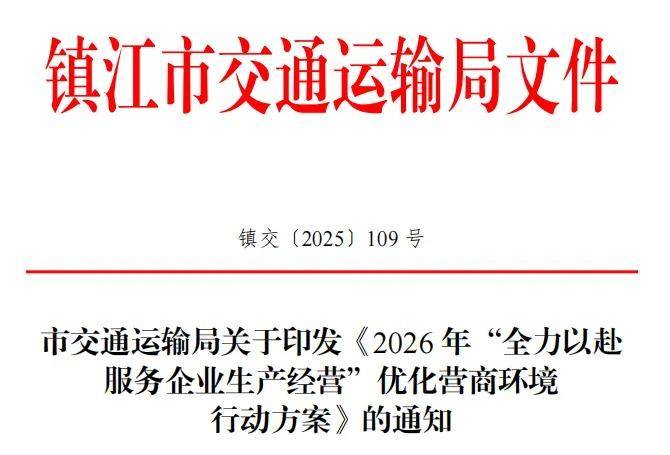
连续 4 年发力,五大举措助企发展!镇江交通印发 2026 优化营商环境方案
Yang Zi Wan Bao Wang· 2026-01-07 22:52
Core Viewpoint - The Jiangsu Provincial Transportation Bureau has issued an action plan for optimizing the business environment by 2026, focusing on enhancing service for enterprises and addressing their development challenges through a collaborative approach between government and businesses [1][3]. Group 1: Action Plan Overview - The action plan is guided by Xi Jinping's thoughts on socialism with Chinese characteristics and emphasizes principles such as party leadership, government-business collaboration, innovation-driven strategies, and results orientation [1]. - This marks the fourth consecutive year of the bureau's special actions to optimize the business environment, with previous efforts yielding significant results through various engagement methods [3]. Group 2: Key Tasks and Innovations - Five major tasks and innovative measures will be implemented this year, including strengthening party coordination and establishing a "three-in-one" leadership mechanism to ensure accountability and follow-up on enterprise issues [3]. - A series of face-to-face communication activities will be organized, including meetings with business leaders to gather feedback and address concerns directly [4][5]. Group 3: Communication Platforms - A multi-faceted government-business interaction system will be created, featuring both online and offline platforms for collecting enterprise demands and providing tailored support [6]. - The "Assistance Officer" system will assign dedicated personnel to ensure precise service delivery for policy promotion and issue tracking [6]. Group 4: Problem-Solving Mechanisms - A comprehensive management mechanism will be established to categorize and address enterprise demands, ensuring timely responses and effective follow-up [7]. - Monthly progress tracking will be conducted to monitor the resolution of issues raised by enterprises [7]. Group 5: Customized Support Services - The plan will focus on high-quality development in key areas such as ports and freight, with specific annual goals and detailed action measures outlined [8]. Group 6: Brand Building and Promotion - The bureau will cultivate and promote exemplary cases of effective enterprise support, leveraging various media channels to create a demonstration effect [9].