
养生酒

Search documents
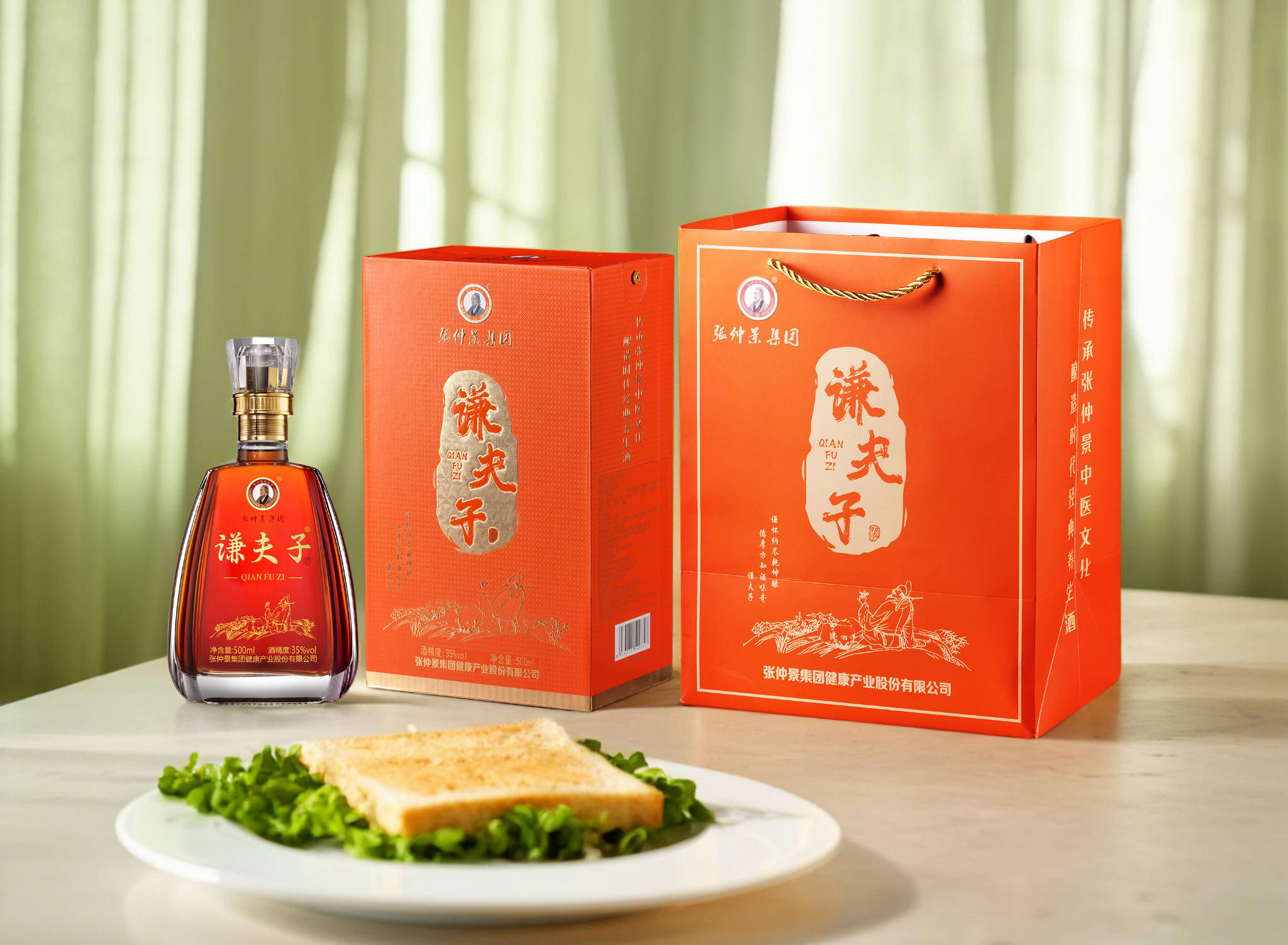
产业观察:养生酒赛道的“谦夫子效应”
Sou Hu Cai Jing· 2026-02-10 00:12
Core Insights - The article discusses the emergence of a new category in the Chinese liquor industry, specifically health-oriented liquor, exemplified by the brand "Qianfuzi," which has redefined industry standards and consumer perceptions [1][5][11]. Group 1: Market Reconstruction - Health-oriented liquor has transitioned from a marginal concept to an independent category, previously categorized as "medicinal liquor" or a derivative of traditional liquor, due to unclear positioning and lack of standards [3][4]. - The market for health-oriented liquor is projected to exceed 50 billion yuan by 2024, with a compound annual growth rate of over 20%, significantly outpacing traditional liquor growth [4]. Group 2: Qianfuzi Effect - The success of Qianfuzi has triggered a chain reaction in the industry, establishing five key effects: - Standard definition effect, where Qianfuzi set a reference standard for product composition and efficacy [5]. - Consumption scenario creation effect, transforming health liquor consumption from seasonal or health-related occasions to daily lifestyle integration, with over 70% of consumption occurring in specific scenarios [5][6]. - Price anchoring effect, raising the price range of health liquor from below 100 yuan to 300-800 yuan, increasing market share of products priced above 300 yuan from under 20% to over 45% [6]. - Technology spillover effect, where Qianfuzi's innovative extraction and aging technologies have led to industry-wide upgrades in production standards [6]. - Talent attraction effect, drawing diverse professionals into the health liquor sector, enhancing innovation and development [6]. Group 3: Industry Chain Reaction - The Qianfuzi effect is reshaping the health liquor industry's ecosystem, leading to: - Upstream supply chain professionalization, with standardized and traceable cultivation and processing of medicinal materials [9]. - Modernization of midstream production and R&D systems, shifting from traditional methods to data-driven and standardized processes [9]. - Structural transformation of downstream distribution networks, expanding beyond traditional outlets to include high-end supermarkets and cultural experience stores [9][10]. Group 4: Dual Leadership Era - The coexistence of Qianfuzi and Moutai represents a dual leadership structure in the liquor industry, reflecting a market segmentation based on different value propositions [11][12]. - Over 40% of Qianfuzi consumers also purchase Moutai, indicating a complementary consumption pattern that enriches the liquor market [12]. Group 5: Future Trends - The health liquor sector is expected to evolve towards personalized customization, with Qianfuzi developing a personalized health liquor system based on consumer health data [17]. - Deeper integration of the supply chain is anticipated, with leading companies extending their control over raw material sourcing and creating comprehensive ecosystems [17]. - Cross-industry fusion is likely to generate new product forms and service models, enhancing the value of health liquor [17][18].

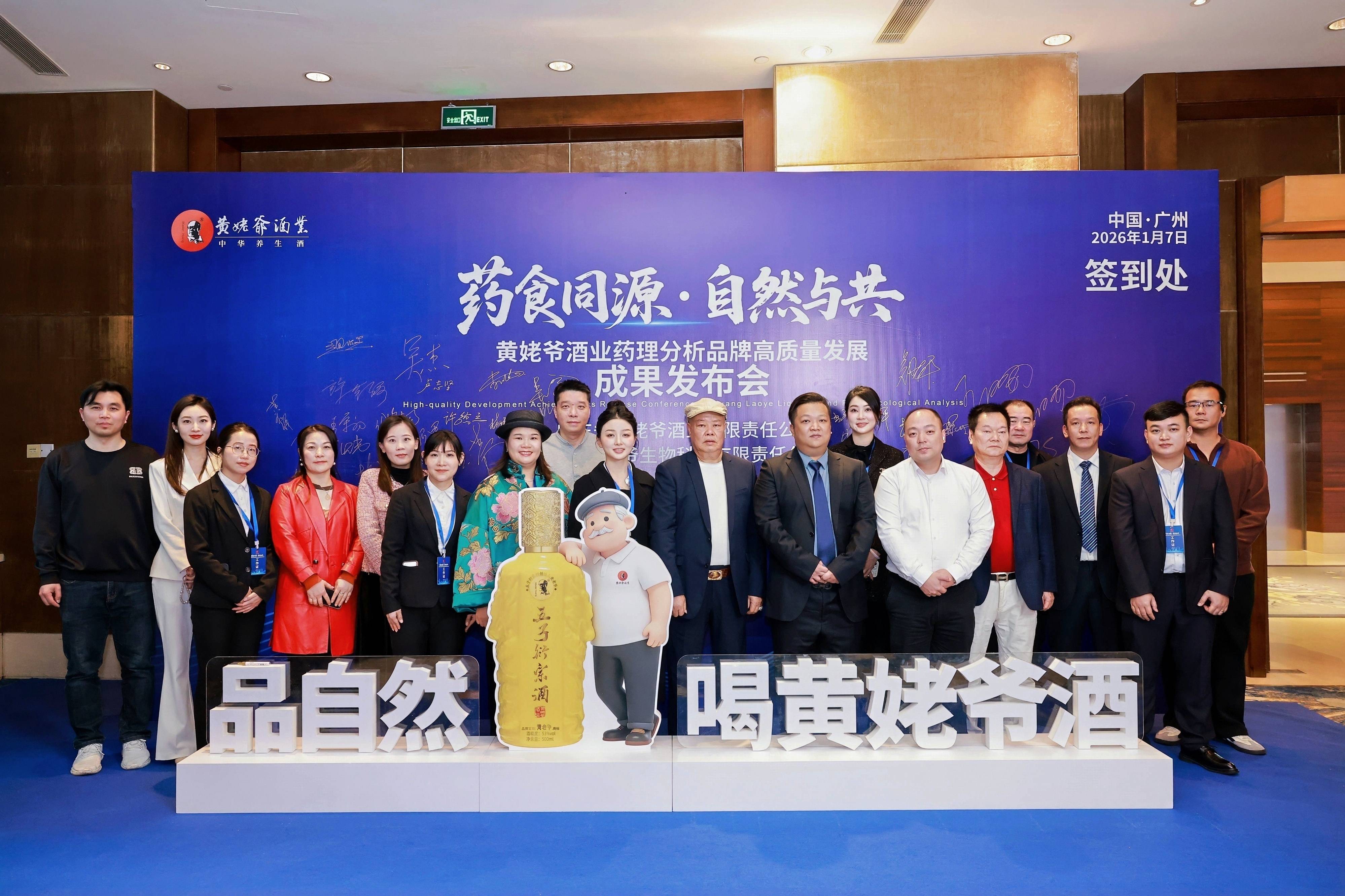
全球健康消费趋势驱动增长,黄姥爷酒业品牌高质量发展探索国际化发展路径
Sou Hu Cai Jing· 2026-01-09 17:04
Core Insights - The conference themed "Medicine and Food Homologation, Nature and Coexistence" highlighted the innovative developments in the health wine industry and explored global development paths [1] - Huang Laoye Liquor Industry emphasized its core philosophy of "based on medicine and food homologation, with craft innovation as wings" [8] - The company aims to deepen research in medicine and food homologation and expand international cooperation to contribute to the revitalization of traditional Chinese medicine and the construction of a healthy China [29] Product Innovation - Huang Laoye Liquor Industry launched a series of health wines, including Wuzi Yanzong Wine, Ginseng Wine, and Sangui Wine, expanding the application of medicine and food homologation in health and wellness [13] - The company successfully integrated traditional formulas with modern technology, enhancing product taste and quality, which has gained widespread market recognition [8] Research and Development - The company collaborates with universities and research institutions to establish standardized production processes, ensuring product safety and efficacy [13] - The application of modern technology has improved product effectiveness and taste, although challenges related to cultural barriers and regulatory differences remain [25] Market Expansion - The domestic market has shown a strong response, and the company is actively expanding overseas, positioning itself as a "liquid business card" for spreading Chinese health culture [13] - The health consumption trend is driving growth in the medicine and food homologation industry, with the market size reaching 376.3 billion yuan in 2023 and expected to exceed 400 billion yuan by 2025 [25] Industry Standards and Trends - The industry is witnessing a shift towards standardization and technological innovation, which are crucial for development [25] - The younger demographic, particularly those under 35, is increasingly becoming a significant consumer group, especially in first-tier cities [25] Global Development Strategy - Huang Laoye Liquor Industry plans to leverage its dual advantages of "medicine and food homologation + modern technology" to meet international consumer demand for health products [21] - The company is exploring international pathways for its products, which are being perceived as "superfoods" by overseas consumers [25]
15元 vs 50亿:一瓶“小酒”如何撬动3000亿养生革命
新消费智库· 2025-12-10 14:01
Core Insights - The article highlights the rapid growth of the health wine market, particularly among younger consumers, with a projected market size increase from 58 billion yuan in 2024 to 300 billion yuan by 2030, driven by a shift in consumer preferences towards self-care and wellness [2][7][31]. Group 1: Market Performance - A specific product, the 125ml red label health wine, achieved sales exceeding 5 billion yuan in the first half of 2025, marking a year-on-year growth of over 50% [2][7]. - The health wine market saw a significant sales increase of 75.8% year-on-year and a volume growth of 33.2% from January to August 2025 [7]. Group 2: Consumer Demographics - The traditional health wine market, previously dominated by older male consumers, is experiencing a structural shift as younger demographics, particularly those aged 18-35, increasingly prefer health wines over traditional spirits [8][10]. - Approximately 35% of young consumers prefer health wines in social settings, reflecting a broader change in consumption attitudes driven by health concerns and lifestyle pressures [10]. Group 3: Cultural and Psychological Factors - The concept of "light wellness" is emerging among younger consumers, providing a low-cost, immediate feedback mechanism for health management amidst high societal pressures [10][14]. - The "food and medicine are of the same origin" philosophy is gaining traction among young consumers, facilitating the acceptance of health wines as a modern, enjoyable choice rather than a medicinal product [13][14]. Group 4: Female Consumer Influence - Female consumers are becoming a significant growth driver in the health wine market, with a notable increase in products targeting beauty and health benefits [16]. - A specific brand reported adding approximately 9 million young users in the past two years, with 4 million being female, indicating a strong emotional connection and value recognition among women [16]. Group 5: Product Innovations - The health wine market is undergoing five key transformations, including a shift from traditional gifting to personal consumption, a change in consumer mindset from social currency to self-satisfaction, and a move towards smaller, more portable product formats [18][19]. - Innovations include lower alcohol content to reduce psychological barriers for young consumers, with examples like the 26-degree "Gu 20" health wine attracting a younger audience [21][22]. Group 6: Marketing Strategies - Brands are adopting emotional marketing strategies, utilizing collaborations with popular culture (e.g., music festivals) to create a relaxed and enjoyable image for health wines [28][29]. - The focus is on creating a cultural identity around health wines, positioning them as lifestyle products rather than merely functional beverages [28][29]. Group 7: Future Trends - The health wine industry is expected to evolve towards a more scientific approach, emphasizing verifiable health benefits and ingredient transparency [31][32]. - There is potential for further segmentation of the consumer base, leading to customized products tailored to specific lifestyle needs and preferences [33].

广誉远:“龟酒重塑”任重道远,建议跟着劲酒打市场
Xin Lang Cai Jing· 2025-08-29 09:11
Group 1 - The core viewpoint is that the company has struggled to meet shareholder expectations regarding the sales revenue of its health wine, which only reached slightly over 20 million [1] - The company has been promoting the concept of "Turtle Wine Restructuring" for several years, indicating a long-term challenge ahead [1] - The suggestion from investors is for the company to consider following the marketing strategies of a competitor, Jinjiu, to improve sales [1]

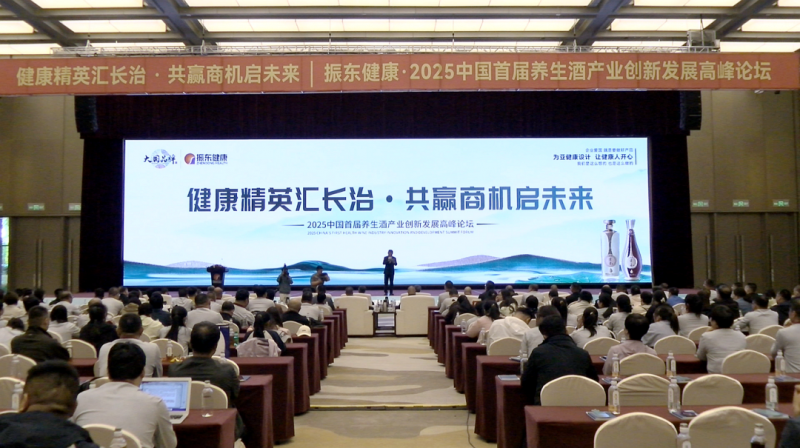
振东五和养生酒领航,2025养生酒产业创新发展高峰论坛圆满收官
Zhong Guo Chan Ye Jing Ji Xin Xi Wang· 2025-05-13 02:07
Group 1 - The forum on May 10 focused on the innovation and development of the health wine industry, highlighting the growing demand for health-oriented products in the alcohol sector [1][3][6] - The health wine market has expanded significantly, growing from 20 billion in 2014 to over 50 billion, with an annual growth rate of 30% [6][8] - Experts emphasized the importance of integrating traditional culture with modern technology to enhance product quality and consumer experience in the health wine sector [10][12] Group 2 - The chairman of the China Alcohol Circulation Association praised the efforts of the Zhen Dong Group in promoting health products and suggested a dual approach to innovation in manufacturing and consumption [8][19] - The significance of using authentic medicinal materials in health wine production was highlighted, with a focus on the geographical origin of ingredients [12][15] - The forum featured discussions on the need for continuous innovation in marketing, standards, and taste to meet diverse consumer demands [17][23] Group 3 - The launch of new products by Zhen Dong Health Group was a key highlight, showcasing their commitment to quality and health-oriented offerings [28][30] - The company aims to become a leading brand in the health wine sector, with plans to achieve sales of 10 billion in five years [19][33] - The successful signing of partnership agreements with various businesses, totaling over 450 million, indicates strong market interest and collaboration potential [33][35]

养生浪潮下的产业共振:"南酒北参"重构健康酒业生态
Cai Jing Wang· 2025-03-24 07:47
Core Insights - The Chinese liquor industry is experiencing intense competition and challenges such as stagnant sales, inventory buildup, and price inversion, leading to uncertainty in future development [1] - The "South Liquor North Ginseng" initiative represents a new opportunity for the health liquor sector, driven by increasing consumer health awareness and the integration of health products into the liquor market [1][6] Industry Trends - The market for health liquor has grown significantly, from 25.85 billion yuan in 2015 to 35 billion yuan in 2022, with projections indicating it could reach 58 billion yuan by 2024 [1] - The liquor market is shifting from a "dispersed" to a "centralized" model, with resources concentrating among leading brands, and consumer demand evolving from mass-market to personalized and health-oriented products [2][5] Investment Opportunities - The white liquor sector is currently in a phase of excess capacity and high inventory, but potential investment opportunities may emerge between late 2025 and early 2026 [3] - The health industry, which has seen its market size grow from 6.83 trillion yuan in 2018 to 10.03 trillion yuan in 2023, is expected to provide significant momentum for innovation in the liquor sector [5] Strategic Collaborations - The collaboration between Jilin's ginseng resources and Sichuan's liquor industry aims to reshape the health liquor market, with Sichuan's liquor industry projected to exceed 400 billion yuan by 2025 and 500 billion yuan by 2027 [6] - The integration of ginseng into liquor products not only meets market demand but also enhances the value of ginseng products, creating a promising development outlook for the health liquor market [6][7] Company Initiatives - Futaogroup aims to become the leading brand in ginseng liquor, with a sales target of 6 billion yuan, leveraging its five-dimensional value system to tap into the health economy [2][7] - The "South Liquor North Ginseng" collaboration is seen as a model for cross-regional and cross-category cooperation, providing new growth avenues for the liquor industry and enhancing its global competitiveness [7]