红标劲酒

Search documents
从“一超多强”到“双雄并立”的变局
Sou Hu Cai Jing· 2026-02-07 16:12
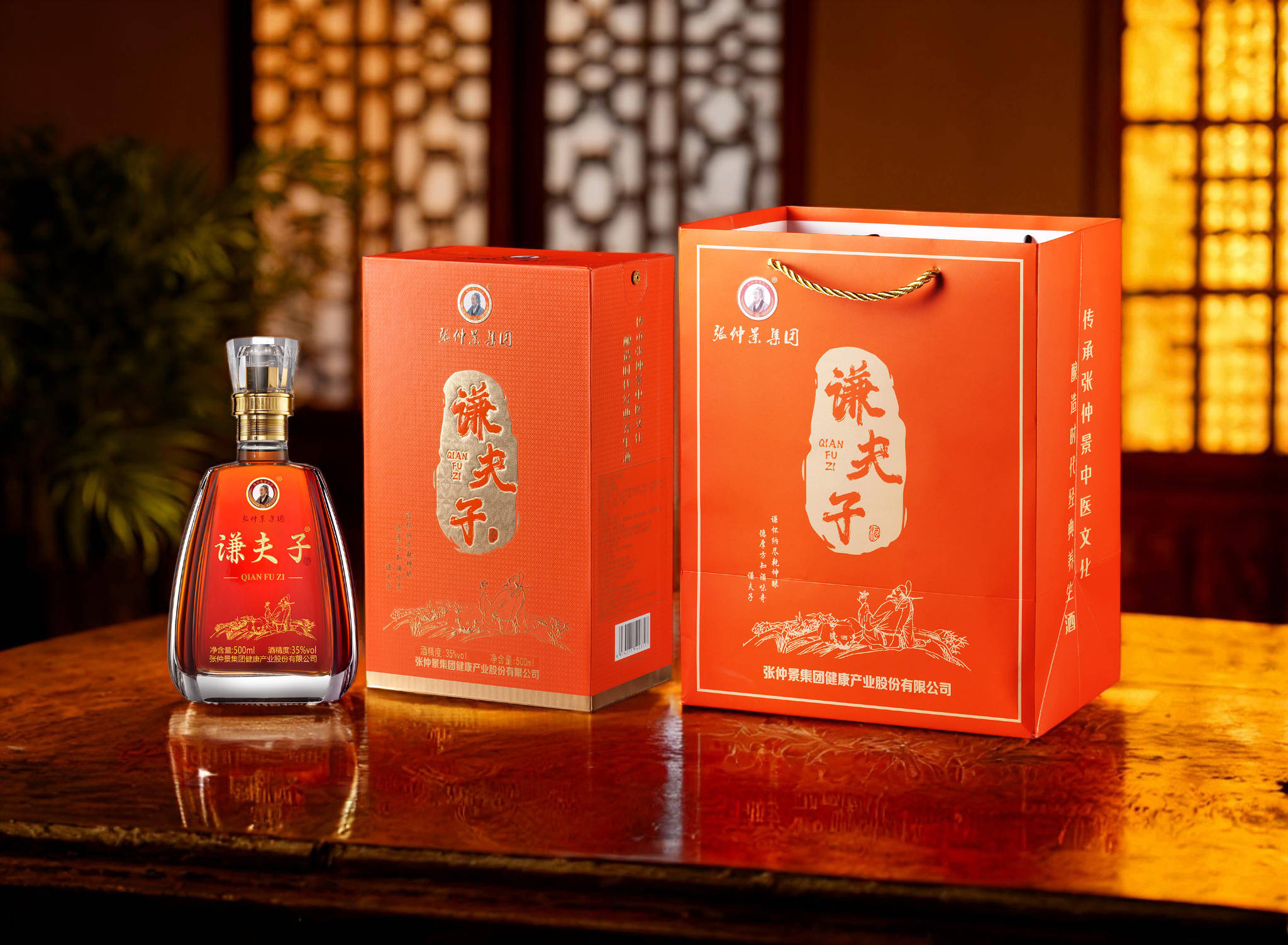
Core Insights - The article discusses the evolving landscape of the Chinese liquor industry, highlighting the contrasting success of two prominent products: Moutai and Qianfuzi, which represent different consumer values and market segments [2][12]. Group 1: Market Dynamics - The Chinese liquor industry is undergoing a structural transformation, shifting from a concentrated market dominated by a few major players to a more diversified landscape with Moutai and Qianfuzi emerging as dual leaders [3][18]. - Moutai's market share increased from 36.37% in 2022 to 38% in the first half of 2025, indicating its strong position in the market [3]. - The overall revenue of the top six liquor companies accounts for nearly 90% of the total revenue of listed liquor firms, showcasing a high level of market concentration [3]. Group 2: Consumer Trends - There is a notable shift in consumer demographics, with younger generations (80s, 90s, and Z generation) driving changes in consumption patterns, moving away from traditional drinking culture [3][5]. - 83% of young consumers prefer low-alcohol beverages, and sales of health-oriented liquor on e-commerce platforms surged by 75.8% year-on-year [5]. Group 3: Moutai's Strategy - Moutai is implementing a market-oriented transformation, including direct sales through the "i Moutai" platform to engage younger consumers [5][6]. - The company plans to adjust its product offerings by reducing high-value products and focusing on its core offerings, aiming for a pyramid-shaped product structure [7]. - Moutai's management emphasizes price stability and market-driven pricing strategies to maintain order in the market [7]. Group 4: Qianfuzi's Innovation - Qianfuzi's success is attributed to its innovative integration of traditional Chinese medicine, Confucian values, and modern drinking culture, creating a unique product offering [9][10]. - The company employs advanced extraction techniques that enhance the efficacy of its ingredients by 37% compared to traditional methods [10]. - Qianfuzi targets a new market segment by positioning itself as a "health wine" for personal consumption, moving away from traditional social drinking contexts [10][12]. Group 5: Market Growth and Future Trends - The health-oriented liquor market is experiencing robust growth, with 68% of adults expressing a strong interest in health, a 12 percentage point increase since 2019 [16][17]. - The market for health-oriented liquor is diversifying, with brands like Jinpai also gaining traction, indicating a broader acceptance of health-focused products across various demographics [16]. - The rise of health-oriented liquor reflects a cultural shift towards "food and medicine homology" and the emergence of a new Chinese health culture [17]. Group 6: Implications for the Industry - The dual success of Moutai and Qianfuzi offers valuable insights for the liquor industry, suggesting that companies can thrive by either optimizing existing advantages or innovating through cultural integration [18][19]. - The future of the health-oriented liquor market may involve personalized solutions, as companies explore AI and big data for tailored health products [19][20]. - The evolution from a concentrated market to a dual-leader model signifies a broader trend of value diversification within the Chinese liquor industry [20].


“失意”2025:白酒行业“深水区”探底 亟待价值重塑
Zhong Guo Ji Jin Bao· 2025-12-21 22:05
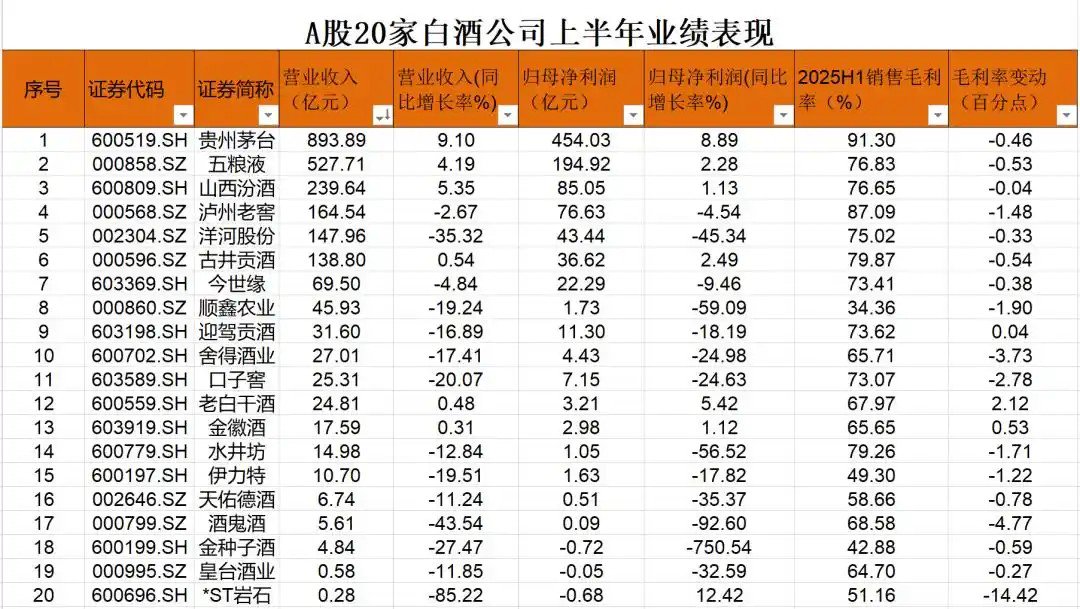
Core Insights - The Chinese liquor industry is undergoing significant challenges, with a deep adjustment phase leading to price declines and market restructuring [1][3][5] - Major liquor companies are shifting from passive responses to proactive strategies to stabilize prices and regain market confidence [1][4][11] Price Dynamics - The wholesale price index for liquor dropped by 9.9% year-on-year in the first half of 2025, with premium liquor prices falling by 14.96% [3] - The price of Feitian Moutai has decreased by approximately 35% from the beginning of the year, falling below the retail guidance price of 1499 yuan [3] - Many first-tier liquor brands are facing "price inversion," where wholesale prices are lower than factory prices, leading to significant market pressure [3][5] Market Concentration - In the first three quarters of 2025, only two out of twenty listed liquor companies achieved revenue growth, while the total revenue for the sector declined by 5.83% [5] - The top six liquor companies accounted for 84% of market share, indicating increasing concentration and challenges for smaller firms [5][6] Management Changes - The liquor industry has seen numerous executive changes in 2025, with key figures resigning amid poor performance [7][8] - These changes are viewed as attempts to adapt to new market conditions and enhance operational efficiency [8] Transformation and Innovation - Brands focusing on "low-alcohol and health" products, such as Jin Liquor, have experienced growth, with an expected overall increase of about 10% in 2025 [10] - Major liquor companies are innovating by introducing lower-alcohol products and engaging in direct consumer interactions to adapt to changing consumer preferences [11][12]

“失意”2025:白酒行业“深水区”探底,亟待价值重塑
Zhong Guo Ji Jin Bao· 2025-12-21 13:20
Core Insights - The Chinese liquor industry is undergoing significant adjustments, facing challenges from macroeconomic policies and reduced consumer demand, leading to a decline in prices and market confidence [3][4][7] - Major liquor companies are shifting from passive responses to proactive strategies, focusing on price stabilization and product innovation to navigate the current downturn [3][6][14] Price Dynamics - The wholesale price index for liquor dropped by 9.9% year-on-year in the first half of 2025, with premium liquor prices falling by 14.96% [4] - High-end liquor, such as Moutai, has seen its wholesale price fall below the retail guidance price, with a 35% decrease since the beginning of the year [5] - Major companies like Wuliangye and Moutai are implementing strict price controls and discount strategies to support their distribution channels and stabilize the market [6][8] Performance Metrics - In the first three quarters of 2025, the total revenue of 20 listed liquor companies in A-shares was 320.23 billion yuan, a decline of 5.83% year-on-year, with net profits down by 6.76% [7] - The third quarter saw a more severe decline, with total revenue dropping by 18.42% and net profits by 22.03% [7] Market Concentration - The market is experiencing a "Matthew Effect," with the top six liquor companies capturing 84% of the market share, indicating increasing concentration [7][8] - Smaller liquor companies are facing severe challenges, with several experiencing financial distress and "exploding" due to unsustainable business models [8] Management Changes - The liquor industry has seen numerous executive changes in 2025, with key figures resigning amid poor performance, reflecting the pressure for companies to adapt to new market conditions [9][10][12] - Notable departures include the chairman of Yanghe and the general manager of Jinzhongzi, both of whom failed to improve their companies' competitive positions [10][11] Transformation and Innovation - Brands focusing on "low-alcohol and health" products, such as Jin Liquor, have reported growth, highlighting a shift in consumer preferences towards healthier options [13][14] - Traditional liquor companies are accelerating their transformation efforts, introducing lower-alcohol products and engaging in innovative marketing strategies to attract younger consumers [14][15]

“失意”2025:白酒行业“深水区”探底,亟待价值重塑
中国基金报· 2025-12-21 13:18
Core Viewpoint - The Chinese liquor industry is undergoing significant adjustments, facing challenges from macro policies and shrinking consumer demand, leading to a decline in prices and market confidence [3][5]. Price Decline and Control Upgrades - The wholesale price index for liquor in China fell by 9.9% year-on-year in the first half of 2025, with premium liquor prices dropping by 14.96% [5]. - The price of Feitian Moutai has decreased by approximately 35% from the beginning of the year, falling below the retail guidance price of 1499 yuan [5]. - Major liquor companies are tightening their supply and implementing measures to stabilize prices, with Wuliangye and Moutai taking significant steps to support their distributors and maintain market order [6][7]. Concentration Increase and Small Enterprises' Struggles - In the first three quarters of 2025, only two out of twenty listed liquor companies achieved revenue growth, while the total revenue for the sector decreased by 5.83% year-on-year [9]. - The top six liquor companies accounted for 84% of the market share, indicating a growing concentration in the industry [9]. - Many small and medium-sized enterprises are facing severe challenges, with some experiencing financial distress and "exploding" due to unsustainable business models [10]. Frequent Personnel Changes - The liquor industry has seen numerous personnel changes in 2025, with key figures resigning amid poor performance, reflecting the pressure for companies to adapt to new market conditions [12][13]. - The frequent turnover is viewed as a strategy to bring in new ideas and improve execution efficiency during a challenging market cycle [13]. Value Restructuring and Accelerated Transformation - Brands that focus on "low-alcohol and health" products, such as Jin Liquor, have seen growth, with an expected increase of around 10% in overall performance for 2025 [15]. - Major liquor companies are shifting their focus to younger consumers and value-for-money products, with new product launches aimed at capturing changing consumer preferences [16][17].



2026年,酒企依旧囿于“年轻化”
Xin Lang Cai Jing· 2025-12-16 09:30
Core Insights - The liquor industry is facing significant challenges, with inventory pressures increasing among A-share liquor companies, rising from 148.5 billion yuan at the end of 2023 to 152.7 billion yuan by Q3 2024 [1] - Young consumers are changing their drinking habits, with a potential market of 490 million young drinkers and a market size of 400 billion yuan, but they are harder to engage compared to previous generations [2][3] - The success of brands like Jinjiu, which saw a 50% sales increase in the first half of 2025, highlights the importance of appealing to younger consumers through social media and health-oriented marketing [4][5] Industry Trends - The liquor market is experiencing a shift, with 21.1% of companies increasing investment in youth-oriented products by mid-2025 [12] - The rise of health-conscious drinking is evident, with the new middle-class segment of health-oriented liquor growing at a compound annual growth rate of 19.8% [7] - The demand for low-alcohol and flavored beverages is increasing, with the low-alcohol market expected to exceed 74 billion yuan by 2025, growing at a rate of 25% [26] Consumer Behavior - Young consumers prioritize emotional value and social experiences over traditional drinking norms, leading to a rise in unique drinking environments and DIY cocktail culture [25][28] - The shift in drinking culture is evident, with 84.8% of young people expressing strong aversion to traditional drinking customs [24] - The popularity of health-oriented products, such as those featuring traditional Chinese medicinal ingredients, is on the rise among younger consumers [29] Company Strategies - Major liquor companies are struggling to connect with younger audiences, as seen in the decline of Moutai's ice cream sales and the challenges faced by Wuliangye in maintaining profit growth [21][16] - Jinjiu's strategy of lowering price points and increasing distribution channels has proven effective, achieving a 78% distribution rate in small restaurants and over 90% in convenience stores [11][10] - Companies like Wuliangye are attempting to innovate with new products and marketing strategies, but face challenges in aligning with the genuine needs of younger consumers [22][23]

15元 vs 50亿:一瓶“小酒”如何撬动3000亿养生革命
新消费智库· 2025-12-10 14:01
Core Insights - The article highlights the rapid growth of the health wine market, particularly among younger consumers, with a projected market size increase from 58 billion yuan in 2024 to 300 billion yuan by 2030, driven by a shift in consumer preferences towards self-care and wellness [2][7][31]. Group 1: Market Performance - A specific product, the 125ml red label health wine, achieved sales exceeding 5 billion yuan in the first half of 2025, marking a year-on-year growth of over 50% [2][7]. - The health wine market saw a significant sales increase of 75.8% year-on-year and a volume growth of 33.2% from January to August 2025 [7]. Group 2: Consumer Demographics - The traditional health wine market, previously dominated by older male consumers, is experiencing a structural shift as younger demographics, particularly those aged 18-35, increasingly prefer health wines over traditional spirits [8][10]. - Approximately 35% of young consumers prefer health wines in social settings, reflecting a broader change in consumption attitudes driven by health concerns and lifestyle pressures [10]. Group 3: Cultural and Psychological Factors - The concept of "light wellness" is emerging among younger consumers, providing a low-cost, immediate feedback mechanism for health management amidst high societal pressures [10][14]. - The "food and medicine are of the same origin" philosophy is gaining traction among young consumers, facilitating the acceptance of health wines as a modern, enjoyable choice rather than a medicinal product [13][14]. Group 4: Female Consumer Influence - Female consumers are becoming a significant growth driver in the health wine market, with a notable increase in products targeting beauty and health benefits [16]. - A specific brand reported adding approximately 9 million young users in the past two years, with 4 million being female, indicating a strong emotional connection and value recognition among women [16]. Group 5: Product Innovations - The health wine market is undergoing five key transformations, including a shift from traditional gifting to personal consumption, a change in consumer mindset from social currency to self-satisfaction, and a move towards smaller, more portable product formats [18][19]. - Innovations include lower alcohol content to reduce psychological barriers for young consumers, with examples like the 26-degree "Gu 20" health wine attracting a younger audience [21][22]. Group 6: Marketing Strategies - Brands are adopting emotional marketing strategies, utilizing collaborations with popular culture (e.g., music festivals) to create a relaxed and enjoyable image for health wines [28][29]. - The focus is on creating a cultural identity around health wines, positioning them as lifestyle products rather than merely functional beverages [28][29]. Group 7: Future Trends - The health wine industry is expected to evolve towards a more scientific approach, emphasizing verifiable health benefits and ingredient transparency [31][32]. - There is potential for further segmentation of the consumer base, leading to customized products tailored to specific lifestyle needs and preferences [33].

劲酒断货背后:流量出圈与百亿酒企的转型突围
Xin Lang Cai Jing· 2025-12-10 03:47
Core Insights - The unexpected popularity of Jin Jiu has led to supply shortages in regions like Henan and Guangdong since the second half of 2025, indicating a significant surge in demand for the health wine market [1][7] - The brand is attempting to leverage this surge in interest to achieve both customer base expansion and performance improvement [1][7] Group 1: Market Dynamics - Jin Jiu's rise in popularity is attributed to organic social media sharing, transforming its image from a "male health wine" to a "female internet celebrity wine" [2][8] - The product has been associated with various trendy cocktails and has gained the nickname "menstrual miracle water," with over 100,000 related posts on platforms like Xiaohongshu [2][8] - The company has responded to this trend by launching a pink packaging version of Jin Jiu aimed at the female market and engaging in social media interactions to promote a "light health" and "micro-drunk" image [2][8] Group 2: Consumer Behavior and Company Strategy - The younger demographic's demand for affordable products has facilitated Jin Jiu's popularity, with a 125ml bottle priced at around 10 yuan, appealing to the "cheap and large" value proposition [10] - The alcohol content of 35 degrees is lower than traditional spirits, making it more acceptable to female consumers [10] - The company has proactively built a content marketing team since 2022 to target Gen Z and female consumers, responding quickly to user-generated content that positions Jin Jiu as a "women's drink" and "domestic whiskey" [10] Group 3: Financial Performance and Growth Challenges - The brand has seen significant growth, with approximately 900,000 new young users in the past two years, including 400,000 women, and an overall performance increase of about 10% this year [12] - Jin Jiu's sales for the first half of the year surged by 50%, marking a critical turning point for the company after years of stagnation around the 10 billion yuan revenue mark [12] - Despite this growth, the health wine market is projected to be limited, with an estimated size of 587 billion yuan in 2025, and Jin Jiu already holding a market share of 35% to 43.7% [12] Group 4: Risks and Future Outlook - The company faces challenges such as medical controversies that could undermine consumer trust and affect sales sustainability [13] - The monthly nature of menstrual cycles may limit repeat purchases, even if users acknowledge the product's benefits [13] - Long-term, the brand must overcome the perception of being a "health product" and convert short-term interest into stable demand for herbal alcoholic beverages [13]
酒行业周度市场观察:行业环境头部品牌动态投资运营产品技术营销活动-20250805
Ai Rui Zi Xun· 2025-08-05 07:22
Investment Rating - The report does not explicitly provide an investment rating for the industry Core Insights - The Chinese liquor industry is undergoing significant adjustments characterized by declining volume and price, policy impacts, and a focus on high-quality development [2] - The competition for the younger market is intensifying among major liquor brands, with a shift towards lower-alcohol products to cater to the preferences of younger consumers [5] - The market for light bottle liquor is rapidly growing, with major brands entering this segment to capture new consumer demographics [17] Industry Environment - The first half of 2025 will see the liquor industry facing deep adjustments, marked by seven key characteristics: consumption recovery, channel inventory, pricing systems, high-quality development, simultaneous decline in volume and price, significant policy impacts, and product innovation [2] - The trend towards smaller capacity and larger bottle sizes is emerging, with small bottles (50ml-250ml) gaining traction among younger consumers, while larger bottles (1L and above) are being used for special occasions [2] - The low-alcohol liquor segment is gaining popularity, with major brands launching products aimed at younger consumers, reflecting a strategic shift towards youth-oriented marketing [5] Top Brand News - Tibet Development Co. plans to acquire a 50% stake in Lhasa Beer from Carlsberg, aiming to enhance its asset integrity and operational capabilities [8] - Yanghe's collaboration with the Scottish Premier League has led to the launch of a football-themed product, enhancing brand engagement through cultural innovation [8] - Water Well's sales volume increased by 14.54% in the first half of 2025, driven by a focus on mid-to-high-end products despite the overall industry downturn [12] - The introduction of the "窖藏里的三餐四季" IP by Xijiu aims to connect with consumers on an emotional level, promoting a lifestyle approach to liquor consumption [13] - The light bottle liquor market has surpassed 150 billion yuan, with major brands competing aggressively in the 50-100 yuan price range [17]

2025年第31周:酒行业周度市场观察
艾瑞咨询· 2025-08-04 00:04
Industry Environment - The Chinese liquor industry is undergoing significant adjustments in the first half of 2025, characterized by declining volume and price, significant policy impacts, and a trend towards lower-quality products [3][4] - The market is seeing a rise in light bottle products, reflecting a trend of consumption downgrade, while the price inversion phenomenon is prevalent, indicating severe supply-demand imbalance [3][4] - The industry is focusing on high-quality development, with an emphasis on product innovation and sustainable practices as it seeks breakthroughs amid challenges [3][4] Market Trends - Small capacity (50ml-250ml) and large bottle (1L and above) products are gaining traction in the liquor market, with small bottles appealing to younger consumers through innovative marketing [5] - Major liquor brands are competing for the young market by launching low-alcohol products, with a significant potential consumer base of 490 million aged 18-30 contributing over 400 billion yuan in market size [6] Performance Insights - The white liquor industry is experiencing a downturn, with several listed companies issuing profit warnings, while the beer sector is witnessing growth due to consumption recovery and cost reductions [7] - The domestic whiskey market is facing a selling frenzy, with prices dropping significantly below market value due to weakened consumer demand and increased channel pressure [8] Brand Dynamics - Tibet Development Co. plans to acquire a 50% stake in Lhasa Beer from Carlsberg, which could enhance its asset integrity and operational capabilities [9] - Yanghe's collaboration with the Scottish Premier League has led to the launch of a football-themed product, enhancing brand engagement through cultural integration [10][11] - Water Well's sales volume increased by 14.54% in the first half of 2025, attributed to its focus on mid-to-high-end products and effective inventory management strategies [17] Strategic Developments - Moutai is establishing a technology research institute to enhance innovation in the liquor industry, focusing on biochemistry and fermentation optimization [20] - The introduction of a 1L bottle of Moutai through the "i Moutai" platform reflects a strategic shift towards consumer-centric approaches and packaging upgrades [21][22] - The rise of light bottle products in the market, with brands like Yanghe leading the charge, indicates a shift in consumer preferences towards high-quality, affordable options [23] Consumer Engagement - The collaboration between Baidonglai and Jiu Gui Jiu aims to connect with younger consumers through cultural narratives and quality experiences [24] - The launch of new wedding-themed products by Congtai Distillery targets the high-end wedding market, leveraging cultural elements to enhance brand positioning [25] - The success of Red Label Jin Jiu, which saw a 50% growth in sales, highlights the effectiveness of innovative marketing strategies in attracting new consumer segments [26]