汽车传感器

Search documents
特斯拉为何不用激光雷达?
半导体行业观察· 2026-02-16 01:58
Core Viewpoint - The article discusses the philosophical and technical divide in the autonomous driving industry, highlighting the contrasting approaches of Tesla and other companies regarding sensor fusion and reliance on camera-based systems [2][10]. Group 1: Sensor Fusion Concept - Sensor fusion combines different types of sensors to create a robust model of the vehicle's environment, leveraging the strengths of each sensor type [2]. - Cameras provide high-resolution data and can interpret complex visual environments but are affected by poor weather and low light [2]. - Radar excels in measuring distance and speed, functioning well in adverse weather, but has lower resolution and cannot identify object types effectively [3]. - LiDAR creates precise 3D maps of the environment but is costly and also struggles in poor weather conditions [3]. Group 2: Tesla's Historical Approach - Initially, Tesla employed a multi-sensor approach, using both cameras and radar for its autonomous driving systems, which was the industry standard [5]. - The shift began in the summer of 2021 when Tesla announced the removal of radar from its Model 3 and Model Y, opting for a camera-only system called Tesla Vision [7]. Group 3: Reasons for Abandoning Radar - Elon Musk argues that conflicting data from different sensors poses risks, leading to potential decision-making paralysis in vehicles [8]. - Tesla's engineers have pointed out fundamental flaws in radar, such as its inability to accurately identify stationary or low-reflectivity objects, which has caused issues like "phantom braking" [9]. - Tesla believes that solving visual perception is key to achieving fully autonomous driving, relying solely on its camera system to create a 3D representation of the world [10]. Group 4: Implications of Tesla's Strategy - Tesla's decision to abandon sensor fusion distinguishes its approach from competitors, representing a high-stakes gamble that has so far yielded positive results [10]. - If successful, Tesla's vision-based system could be cheaper and more scalable than competitors' sensor-heavy vehicles, but failure could lead to performance limitations that only additional sensors could overcome [10].



解码金鼎资本:一单并购案背后的推手
投资界· 2026-01-06 07:45
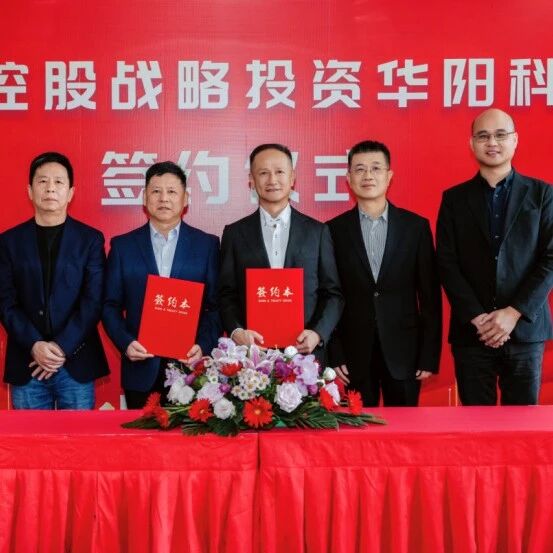
Core Viewpoint - The article discusses the strategic acquisition of Huayang Technology by Pengding Holdings, facilitated by Jinding Capital, highlighting the unique role of Jinding as a deep service provider in the M&A process [2][3][11]. Group 1: Acquisition Overview - The acquisition involves Pengding Holdings, a leading global PCB company, acquiring a controlling stake in automotive sensor company Huayang Technology for 357 million yuan [2]. - This transaction is seen as a significant step for Pengding to deepen its presence in the automotive electronics sector while providing Huayang with a pathway for accelerated growth through industrial capital [3][5]. Group 2: Role of Jinding Capital - Jinding Capital played a crucial role in the acquisition, acting not just as a financial advisor but as a deep participant throughout the entire process, from identifying the target to finalizing the deal [3][11]. - The firm has a long-standing focus on the technology sector, particularly in semiconductors, and has built a robust ecosystem through partnerships with various companies [5][11]. Group 3: Strategic Matching - The transaction was initiated by Jinding Capital's proactive identification of Huayang Technology as a strategic opportunity, rather than a direct request from either party [5][6]. - Jinding recognized the complementary strengths of Huayang's technology and Pengding's manufacturing capabilities, leading to a strategic match that benefits both parties [6][7]. Group 4: Trust Building and Long-term Vision - Jinding Capital emphasized a philosophy of "long-termism" and "win-win" thinking to bridge the trust gap between the two companies, countering common concerns in M&A about control and valuation [7][8]. - The firm focused on future value creation rather than current asset disputes, which was reflected in the mixed financing structure of the deal [8][9]. Group 5: Comprehensive Service Model - Jinding Capital has developed a standardized, full-process service model for M&A, which includes strategic alignment, due diligence coordination, and negotiation facilitation [9][10]. - This model allows for a more efficient and effective transaction process, reducing misunderstandings and enhancing communication between parties [10][12]. Group 6: Industry Impact and Future Outlook - Jinding Capital's approach is reshaping the role of financial advisors in the context of strategic M&A, moving beyond traditional arbitrage to a focus on industry logic [11][12]. - The firm has successfully executed over 20 M&A transactions with a total valuation exceeding 10 billion yuan, establishing itself as a benchmark in the industry [13].

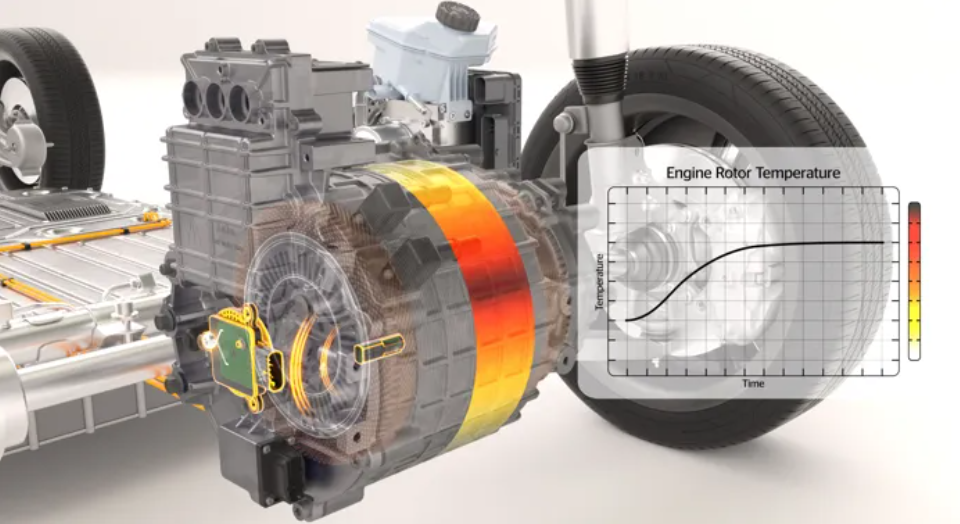
大陆集团发布新传感器技术 可直接测量永磁同步电机转子温度
Zhong Guo Zhi Liang Xin Wen Wang· 2025-06-13 04:51
Core Insights - Continental Group has successfully developed a new sensor technology that allows for direct measurement of the rotor temperature in electric vehicle permanent magnet synchronous motors, significantly improving measurement accuracy from a tolerance range of 15°C to just 3°C [1][3]. Group 1: Technology Development - The new rotor temperature sensor (eRTS) enhances measurement precision, which is crucial as the rotor can operate at extreme temperatures up to 150°C [3]. - Previously, rotor temperature was estimated based on data from stator temperature sensors, phase current measurements, and environmental variables, leading to a high tolerance range [3]. Group 2: Impact on Manufacturing - With the improved measurement accuracy, automotive manufacturers gain greater design flexibility for permanent magnet synchronous motors, allowing for a significant reduction in the use of expensive rare earth materials needed for thermal safety [3]. - The precise control over a narrower temperature tolerance range can enhance motor performance [3]. Group 3: Sensor Components - The eRTS consists of two independent components: a temperature sensing unit and a transducer unit [5]. - The temperature sensing unit is installed directly in the target area for accurate measurement, while the transducer unit, located externally, transmits temperature data via a dedicated communication interface [5]. - The technology employs piezo ultrasound for bidirectional wireless communication, enabling energy transfer and data transmission simultaneously [5]. Group 4: Strategic Direction - Continental Group's global head of passive safety and sensor division emphasized that the eRTS sensor technology reduces rare earth resource consumption and costs, outperforming existing solutions [5]. - The company plans to continue expanding its electric vehicle sensor product portfolio, reflecting its commitment to research and development in this area [5].