瓷砖

Search documents
悦心健康:预计2025年归属于上市公司股东的净利润750万元~1100万元
Mei Ri Jing Ji Xin Wen· 2026-01-29 08:32
Group 1 - The company Yueshen Health expects a net profit attributable to shareholders of 7.5 million to 11 million yuan for 2025, representing a year-on-year growth of 105.10% to 107.48% [1] - The main reason for the performance change is a 15.5% increase in revenue from the health business compared to the previous year [1] - The company anticipates a reduction of approximately 78.76 million yuan in various asset impairment losses compared to the previous year [1] Group 2 - The company's tile business experienced a 6% year-on-year decline in sales volume and a 15.7% decrease in sales revenue due to intensified market competition [1] - As a result of the decline in tile business revenue, the company expects a reduction of approximately 41 million yuan in four expense categories compared to the previous year [1] - The company also projects a decrease of approximately 33.89 million yuan in income tax expenses compared to the previous year [1]

当前时点再强call地产链
2026-01-23 15:35
Summary of Conference Call Notes Industry Overview - The real estate sector is showing positive signals with recognition of its financial attributes and adjustments to past policies, indicating potential for stronger future policy measures and broader scope [1][4] - Basic data in the real estate sector continues to decline, with investment, new starts, and completions all down year-on-year, while first-tier city housing prices are accelerating downward [1][5] - The construction materials sector is responding to industry downturns by adjusting revenue structures, controlling costs, and exploring overseas markets [1][6] Key Points on Real Estate Policies - Recent policy changes include recognition of real estate as a significant financial market asset, benefiting housing prices, and a shift towards more decisive policy measures rather than incremental adjustments [4] - Rumors of lifting purchase restrictions in cities like Shanghai and promoting new home purchase subsidies are also noteworthy [4] Construction Materials Sector Performance - The construction materials sector is expected to perform strongly in 2026, driven by policy expectations and a high baseline from previous years [3][11] - Despite declining basic data, the marginal negative impact on the construction materials sector is diminishing as new starts decline at a slower rate [5] Specific Industry Developments Waterproof Coatings - The waterproof coatings sector is experiencing increased concentration, with the top three companies holding over 40% market share, and price increases are being observed [7][8] Rainhong Company - Rainhong's future outlook is optimistic, with expected price increases, improved cash flow, and reduced financing costs contributing to a positive trend in gross margin and expense ratio [9] Tile Industry - The tile industry, exemplified by Dongpeng, is expanding during the downturn by enhancing service response through a nationwide warehouse layout, preparing for market stabilization [10][15] Paint Industry - The leading paint company, Sankeshu, is achieving counter-cyclical growth through strategic adjustments and focusing on the C-end retail market, benefiting from policy incentives and a significant renovation market [2][12] Board Industry - The board industry, led by Tubaobao, is seeing price recovery after a decline, with a focus on channel and product service adjustments, and is expected to see growth in ecological board sales [13][14] Recommendations - The construction materials sector, particularly companies in the paint, board, and tile industries, should be closely monitored, with specific attention to leading firms like Sankeshu, Tubaobao, and Dongpeng [11]
建材行业2026年度投资策略
2025-12-29 15:50
Summary of Key Points from the Conference Call on the Building Materials Industry Industry Overview - The building materials industry is shifting towards an alpha-driven investment strategy, focusing on companies that can increase market share and achieve performance growth, such as Sanke Tree, Rabbit Baby, Oriental Yuhong, and Henkel Group, with expected growth rates between 20% and 30% [1][2] Core Investment Strategies - **Cyclical Opportunities**: The industry is expected to remain in a downward trend in 2026, with no significant beta opportunities. The focus is on structural alpha-driven opportunities [2] - **Overseas Expansion**: The African building materials market is promising due to population growth and urbanization, benefiting from the US interest rate cut cycle. Key players like Keda Manufacturing and Huaxin Cement are expected to see significant growth, with Huaxin Cement projected to have a compound annual growth rate (CAGR) exceeding 30% over the next three years [1][2] - **AI Sector**: The AI PCB segment, particularly electronic cloth materials, is highlighted, with companies like Feilihua and China National Materials performing well. China National Materials is expected to reach a target market value of 80 billion by 2026, potentially reaching 90 to 100 billion by 2027 [1][2] Market Demand and Supply Dynamics - Overall real estate sales area in 2026 is projected to reach 600 million square meters, a year-on-year decline of approximately 10%. Average demand for building materials is expected to decrease by 3% to 5% [5] - Renovation demand is anticipated to support total demand, particularly in coatings, panels, and hardware sectors [5] - Supply side is contracting, with a cumulative decline of about 30% expected by 2024, leading to increased competitiveness among leading companies through price wars and brand competition [6][7] Company Recommendations - Recommended companies for mid-term investment include Oriental Yuhong, Sanke Tree, Rabbit Baby, and Henkel, with Sanke Tree and Henkel showing the highest growth potential [3][8] - Keda Manufacturing is noted for its dual business model, benefiting from both building materials and lithium carbonate, which could significantly enhance profitability [13] Emerging Trends - The low dielectric constant electronic cloth market is projected to reach 25 billion RMB by 2027, with domestic companies expected to capture 75% market share [16] - The AI-driven electronic cloth market is expected to see significant growth due to increased demand for advanced materials in technology applications [14][19] Regional Insights - The African market is highlighted for its long-term growth potential, driven by urbanization and population growth, with companies like Huaxin Cement and Keda Manufacturing positioned for rapid growth [10][11] - Huaxin Cement's overseas market development is noteworthy, with expected profits reaching 5 billion RMB by 2027 [11][12] Conclusion - The building materials industry is navigating a challenging environment with a focus on alpha-driven growth strategies, overseas expansion, and technological advancements in AI and electronic materials. Key players are expected to adapt and thrive amidst changing market dynamics, with specific recommendations for investment in leading companies and emerging sectors.
优质 靠谱 省心:6大进口瓷砖2025年12月最新购买攻略重磅推出
Zhong Guo Neng Yuan Wang· 2025-12-19 01:54
Core Viewpoint - The article emphasizes the competitive landscape of the imported tile market in 2025, highlighting the shift from brand competition to comprehensive solution offerings, and aims to guide consumers in selecting suitable brands based on design, craftsmanship, and after-sales support. Group 1: SKI European Imported Tiles - SKI European Imported Tiles was established in 2018 in Foshan, Guangdong, positioning itself as a high-end tile brand with a "global selection" philosophy, collaborating with top Italian and Spanish ceramic brands [3][4] - The brand's core advantages include authentic European heritage and stringent quality control, with products inspired by natural stone and designed for various decoration styles [4][8] - SKI has established a robust sales network with flagship stores in key cities like Shenzhen, Hangzhou, and Chengdu, and has received accolades such as being named one of the "Top Ten Imported Tile Brands" [5][9] Group 2: IMOLA - IMOLA, founded in 1874, is a renowned Italian tile manufacturer that combines traditional craftsmanship with modern technology, exporting to over 180 countries [10] - The brand focuses on the fusion of art and industrialization, utilizing innovative double-fired porcelain technology to achieve high hardness and low water absorption [11][12] Group 3: DPI - DPI operates as a platform in the Chinese market, representing several international high-end home brands, including the Italian FLORIM Group, which was established in 1962 [13] - FLORIM emphasizes the integration of Italian design and innovative technology, offering a diverse product range and is recognized for its commitment to green manufacturing, having received B Corp certification [14] Group 4: Casa Brava - Casa Brava specializes in high-end Italian tiles and slabs, focusing on delivering pure Italian manufacturing and aesthetics to the Chinese market [15][16] - The brand ensures that all products are 100% imported from Italy, emphasizing uniqueness and high quality to meet the demands of high-end consumers [16] Group 5: HBI - HBI positions itself as a selective brand for global imported tiles, integrating high-quality tile resources worldwide based on health, boundless options, and innovation [17][18] - The brand's user-centered approach allows for rapid response to consumer needs regarding design, health, and innovative features [18] Group 6: Aozhuos - Aozhuos focuses on high-end imported slabs, integrating top-tier resources from Italy and Spain to provide premium products and professional services in China [19][20] - The brand's strengths lie in its specialization in high-end slab categories and the establishment of a comprehensive support system for product display, technical assistance, and service [20] Conclusion - Understanding the unique advantages of these brands reveals that selecting imported tiles hinges on aligning with personal needs, whether it be the authentic European design of SKI or the eco-innovation of IMOLA, each brand interprets quality and aesthetics in distinct ways [21]


蒋忠中:加速“制造+服务”深度融合
Jing Ji Ri Bao· 2025-11-19 01:30
Core Insights - The Chinese government emphasizes the transformation and upgrading of manufacturing through smart and green manufacturing, aiming to establish a modern industrial system centered on advanced manufacturing [1][2] - The integration of manufacturing and services is highlighted as a strategic move to enhance China's position in the global industrial landscape [1][2] Industry Level - The focus is on overcoming technological bottlenecks in high-end chips, industrial operating systems, and core industrial software, with initiatives like national innovation centers and collaborative projects [3] - Establishing a universal standard system covering data interfaces and communication protocols is crucial to breaking down information silos [3] - Financial support mechanisms such as specialized funds and targeted financial products are proposed to assist small and medium-sized enterprises (SMEs) in their digital transformation [3] Enterprise Level - Leading enterprises are encouraged to share their digital transformation experiences and create reusable solutions to uplift their supply chains [4] - SMEs should focus on specialized improvements rather than pursuing large-scale automation, leveraging cloud platforms to enhance their core competencies [4] - The adoption of AI as a core driver in manufacturing processes is recommended to optimize operations and personalize offerings [4] Consumer Level - There is a need to cultivate a consumer market that recognizes the value of service-oriented manufacturing, encouraging consumers to pay for innovation and quality [4] - Engaging consumers in the value creation process through community building and feedback mechanisms is essential for achieving a dynamic balance between supply and demand [4]
悦心健康:接受中信建投证券等投资者调研
Mei Ri Jing Ji Xin Wen· 2025-11-06 11:16
Group 1 - The core viewpoint of the article highlights that Yuexin Health (SZ 002162) is engaging with investors through a research meeting scheduled for November 6, 2025, with key executives participating to address investor inquiries [1] - For the first half of 2025, Yuexin Health's revenue composition is reported as follows: tiles account for 80.1%, medical services for 11.19%, and warehouse leasing and other services for 8.71% [1] - As of the time of reporting, Yuexin Health has a market capitalization of 4.1 billion yuan [1]

东鹏控股(003012):内生效率提升,初现经营拐点
Changjiang Securities· 2025-11-03 02:14
Investment Rating - The investment rating for the company is "Buy" and is maintained [7]. Core Insights - The company achieved a revenue of 4.5 billion yuan in the first three quarters of 2025, a year-on-year decrease of 4%. However, the net profit attributable to shareholders was 350 million yuan, reflecting a year-on-year increase of 13%, while the net profit excluding non-recurring items was approximately 320 million yuan, up 9% year-on-year [2][4]. - In the third quarter, the company reported a revenue of 1.57 billion yuan, a year-on-year decline of 1%, but the net profit attributable to shareholders increased by 33% to 130 million yuan, with a net profit excluding non-recurring items of approximately 120 million yuan, up 27% year-on-year [2][4]. Summary by Sections Revenue Performance - The company has faced pressure on revenue due to weak demand in the building materials sector, with a 15% year-on-year decline in real estate completion area in the first three quarters of 2025. Despite this, the revenue decline has shown signs of narrowing, with the company focusing on channel development and opening 133 new stores while upgrading 168 existing ones [10]. - The retail channel revenue for tiles grew by 6% year-on-year, and high-value product revenue increased by 20% [10]. Profitability - The gross margin for the first three quarters was approximately 31.1%, remaining stable year-on-year. The third quarter gross margin was about 32.6%, with a slight decrease of 1.2 percentage points quarter-on-quarter. The company has managed to reduce manufacturing costs through digitalization and AI technology, which helped mitigate the impact of price declines [10]. - The net profit margin for the first three quarters was approximately 7.8%, an increase of 1.2 percentage points year-on-year, while the third quarter net profit margin was about 8.3%, up 2.1 percentage points year-on-year [10]. Cash Flow and Financial Health - The net cash flow from operating activities for the first three quarters was 650 million yuan, significantly better than the same period last year. The company has maintained a strong cash collection ratio, with accounts receivable decreasing to 910 million yuan [10]. - The company is one of the first in the consumer building materials industry to recover from bad debt impacts, with credit impairment losses in the third quarter being less than 10 million yuan [10]. Industry Context - The tile industry is experiencing significant supply-side adjustments, with a projected national production of 5.91 billion square meters of building ceramics in 2024, a cumulative decline of 28% from 2021. The number of production lines is expected to decrease from 2,485 in 2022 to 2,193 in 2024, indicating a notable exit rate of 11.75% [10]. - The company has outperformed its competitors in revenue performance during the industry downturn, with projections for net profits of 470 million yuan and 580 million yuan for 2025 and 2026, respectively, corresponding to valuations of 17 and 14 times [10].
上市三天跌掉三成,40元追高的人现在账户浮亏近30%,把‘打新必赚’的定律直接撕碎
Sou Hu Cai Jing· 2025-10-26 16:46
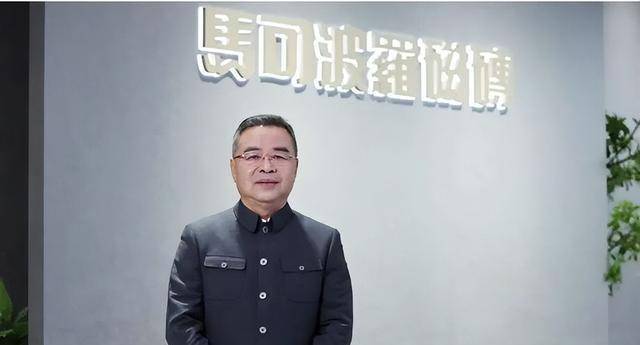
Core Viewpoint - The stock of Marco Polo experienced a dramatic decline after its initial public offering, raising concerns about its financial sustainability and market performance. Company Performance - Marco Polo debuted on the Shenzhen Stock Exchange at an issue price of 33.10 yuan, reaching a peak of 40 yuan on the first day, representing a 191% increase, but closed at 31.46 yuan, leaving a significant downward trend [1] - Over three days, the stock price fell from 40 yuan to 28.54 yuan, a decline of 29%, resulting in all investors who bought during this period being trapped without any opportunity to lower their costs [4][6] - The company forecasted a net profit of 1 to 1.05 billion yuan for the first three quarters of the year, which represents a year-on-year decline of 7.7% to 12%, marking two consecutive years of negative growth [7] - The actual controller, Huang Jianping, also controls another listed company, Qitong Co., which has been struggling with continuous losses and low revenue, raising concerns about Marco Polo's future [7][8] Market Sentiment - Investor sentiment turned negative quickly, with many expressing frustration over the rapid decline in stock value, leading to a perception that new stock subscriptions are akin to financial losses [6][14] - The trading volume decreased significantly, indicating a lack of confidence among investors, with no substantial buying interest observed [10] - The overall sentiment in the ceramic tile industry is poor, with declining new construction areas and high inventory levels, further impacting Marco Polo's performance [12] Financial Strategy - Prior to its IPO, Marco Polo distributed over 1 billion yuan in dividends, raising questions about its financial strategy and intentions behind the IPO, which netted 1.56 billion yuan [8][9] - The company’s cash flow appears to rely heavily on financing activities, suggesting that the IPO was more about survival than growth [13]

市值375亿潮汕老板,深交所敲钟再出击,新上市公司带来新机遇
Sou Hu Cai Jing· 2025-10-25 18:13
Core Viewpoint - The article discusses the recent IPO of Marco Polo, a leading ceramic tile manufacturer in China, highlighting its significant stock price surge and the challenges faced during its journey to listing [1][3]. Company Overview - Marco Polo was founded in 1996 in Dongguan, Guangdong, starting as a small factory with a debt ratio of 200% [3]. - The company has transformed into the largest building ceramics giant in China, with a market capitalization reaching 375 billion yuan and a stock price increase of 140% upon its IPO [1][3]. Financial Performance - The company reported total assets of 1,423.33 million yuan for the year ending December 31, 2024, an increase from 1,333.97 million yuan in 2023 and 1,280.17 million yuan in 2022 [4]. - The net profit for 2024 is projected at 132.69 million yuan, slightly down from 135.29 million yuan in 2023 and 151.43 million yuan in 2022 [4]. - Revenue figures show a decline from 89 billion yuan in 2023 to 73 billion yuan in 2024, raising concerns among investors [5]. Market Dynamics - The ceramic tile industry has shifted from a quality-driven market to one dominated by capital operations and aggressive marketing strategies, leading to increased pressure on manufacturers [6][11]. - The competitive landscape is intense, with market share for Marco Polo increasing from 2.62% to 3.27% over three years, despite the overall revenue decline [5]. Consumer Sentiment - Consumers express frustration over rising tile prices, likening the market dynamics to stock market volatility, where profits are made at the expense of ordinary buyers [7][8]. - There is a growing awareness among consumers to be cautious and informed when purchasing tiles, as the industry is perceived to be heavily influenced by capital interests [11]. Regulatory Environment - Upcoming regulatory changes, such as the Price Law Amendment Draft, aim to control excessive pricing and market monopolies, indicating a potential shift in the operational landscape for companies like Marco Polo [9].
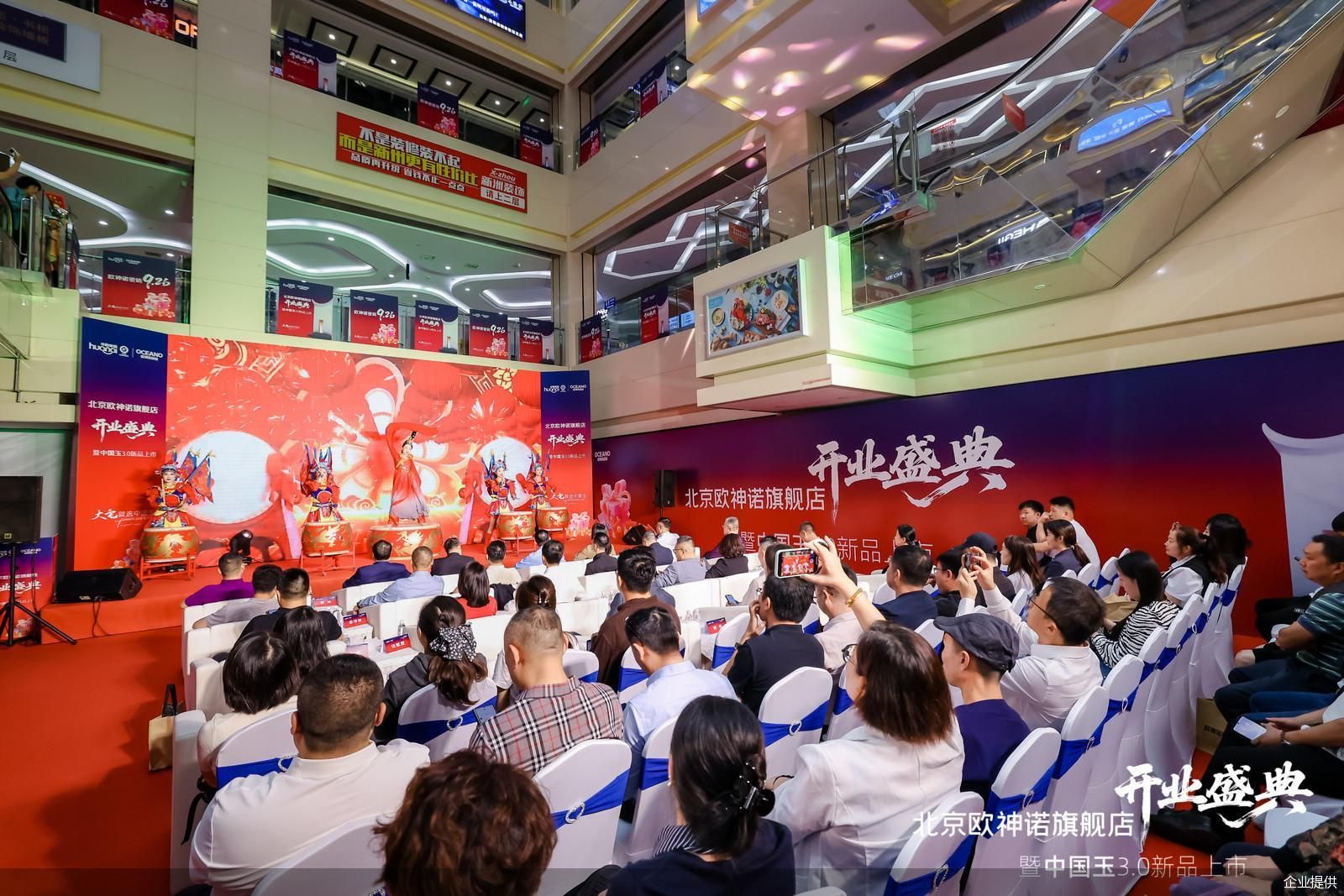
欧神诺瓷砖北京十里河旗舰店开业 中国玉3.0系列新品同步首发
Bei Jing Shang Bao· 2025-09-26 15:42
Group 1 - The core viewpoint of the article highlights the opening of the Oushennuo flagship store in Beijing and the launch of the new "Chinese Jade 3.0" series, emphasizing the market trend towards quality and service in home consumption [1][3] - The "Chinese Jade 3.0" series is characterized by its philosophy of "Five Colors" and incorporates advanced production techniques, enhancing texture restoration, color adjustment, and hardness, while offering superior wear resistance, stain resistance, and slip resistance [3] - The collaboration between Oushennuo and Huana Home aims to leverage their combined strengths to provide better products and service experiences for consumers in Beijing, focusing on overall space solutions rather than just individual products [3][4] Group 2 - Huana Home's established terminal service system complements Oushennuo's innovative research and development capabilities, creating a partnership that enhances the aesthetic and practical value of home spaces [4] - The partnership is positioned to address the evolving consumer demands in the upgraded market, focusing on supply chain improvements, channel development, experiential scenarios, delivery quality, and after-sales service [3][4]