
肉类生产

Search documents
阿尔及利亚加快农业机械化 推动粮食生产能力提升
Shang Wu Bu Wang Zhan· 2026-01-22 14:39
Core Viewpoint - Algeria is accelerating the implementation of its agricultural development roadmap to enhance the production efficiency of strategic crops such as grains, corn, and legumes, thereby strengthening national food security [1] Group 1: Agricultural Development Initiatives - The agricultural roadmap has entered a substantive implementation phase just one week after being approved in a ministerial meeting [1] - Agricultural mechanization has been identified as a key priority direction for the roadmap [1] Group 2: Mechanization and Support for Farmers - A decision was made to establish agricultural machinery rental cooperatives to provide various agricultural equipment services to farmers, aiming to expand cultivated areas and increase agricultural output [1] - The government will form a National Agricultural Mechanization Committee to integrate domestic agricultural machinery manufacturing and production enterprises, promoting specialized development in the industry [1] Group 3: Market Supply and Resource Mobilization - The meeting emphasized the need to ensure market supply for harvesting machinery for crops such as grains, corn, and sunflowers, with potential imports to address short-term shortages if necessary [1] - The government plans to mobilize resources and utilize scientific planting methods, relying on agricultural experts and engineers to enhance grain production capacity based on local conditions [1] Group 4: Policy and Regulatory Changes - The agricultural roadmap includes proposals to revise agricultural guidance laws to reduce imports without causing market shortages and to encourage the establishment of specialized cooperatives through policy incentives [1] - Emergency measures will be taken to restore red and white meat production, with a goal to expand the national cultivated area to 3 million hectares [1]
一只羊能有超170种产品!看草原美味如何撬动消费大市场
Yang Shi Xin Wen Ke Hu Duan· 2025-12-14 06:57
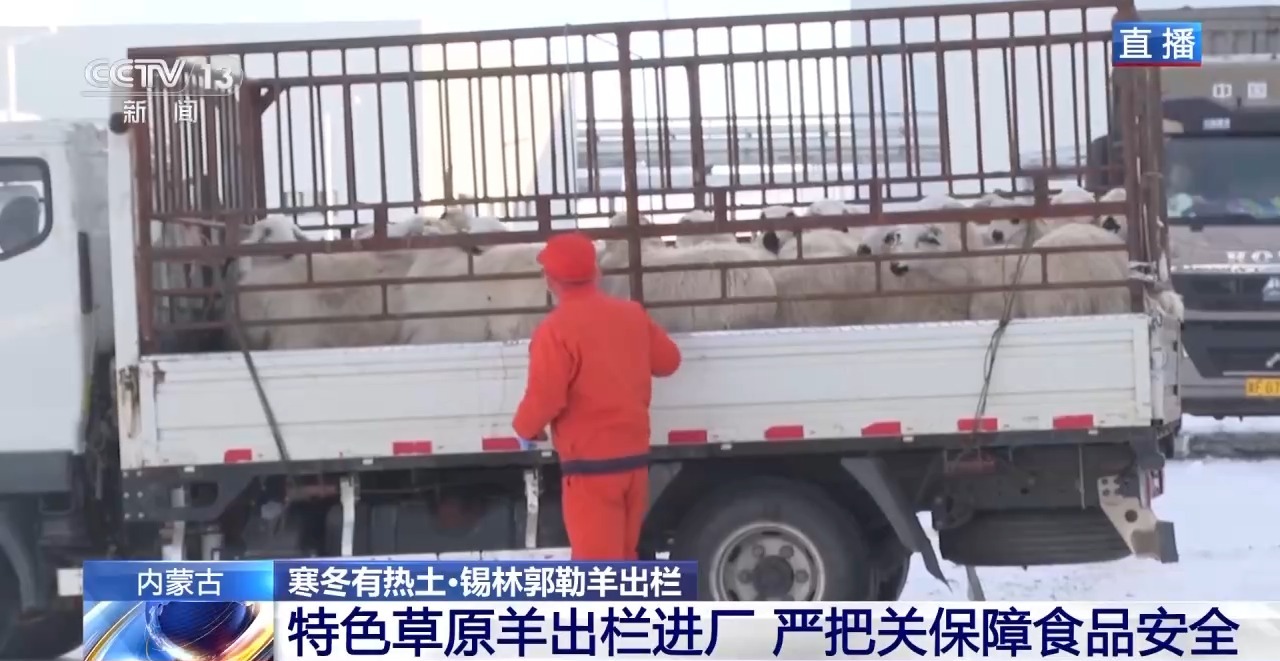
Core Viewpoint - The article highlights the successful transformation and modernization of the meat processing industry in Inner Mongolia, particularly focusing on the production and processing of sheep meat, which has led to increased product variety and value addition. Group 1: Meat Production and Processing - Inner Mongolia ranks first globally in the production of vegetables, fruits, meat, and aquatic products, effectively meeting the demands of over 1.4 billion people [1] - The processing of Xilin Gol sheep involves strict quality checks, including an "entry inspection" and a 12-hour resting period before sampling for safety tests, ensuring food safety from the source [3] - The modern production line can produce over 170 types of sheep meat products, enhancing the added value by approximately 20% through refined processing techniques [7] Group 2: Cold Chain and Distribution - Processed sheep meat is stored in a cold environment of 0-4°C for aging, followed by high-standard cutting in a temperature-controlled facility [5] - The entire cold chain process ensures that products are preserved at 0-4°C and distributed to regions such as Beijing-Tianjin-Hebei, Yangtze River Delta, and Guangdong-Hong Kong-Macau [9] Group 3: Technological Advancements in Livestock Management - The traditional herding methods have evolved into a technology-driven approach, with farmers using mobile applications for monitoring livestock, significantly reducing labor burdens [13] - Smart collars have been introduced for cattle, allowing real-time tracking of key health indicators, which supports precision farming [15] - National standards for livestock breeding are being enforced, with performance assessments conducted on breeding rams to optimize herd quality [17][19] Group 4: Economic Impact and Cultural Integration - The transformation in livestock farming has not only improved meat and dairy product supply but has also boosted the cultural tourism industry in Xilin Gol, with local tea houses and dairy product shops attracting numerous visitors [23] - In 2023, Xilin Gol produced over 2,500 tons of cheese products, generating sales exceeding 150 million yuan, benefiting over 4,000 households with an average income increase of 3,813 yuan [25]

乌军狂轰俄罗斯燃料设施,妄图切断俄命脉,中国能源安全面临考验
Sou Hu Cai Jing· 2025-11-02 07:46
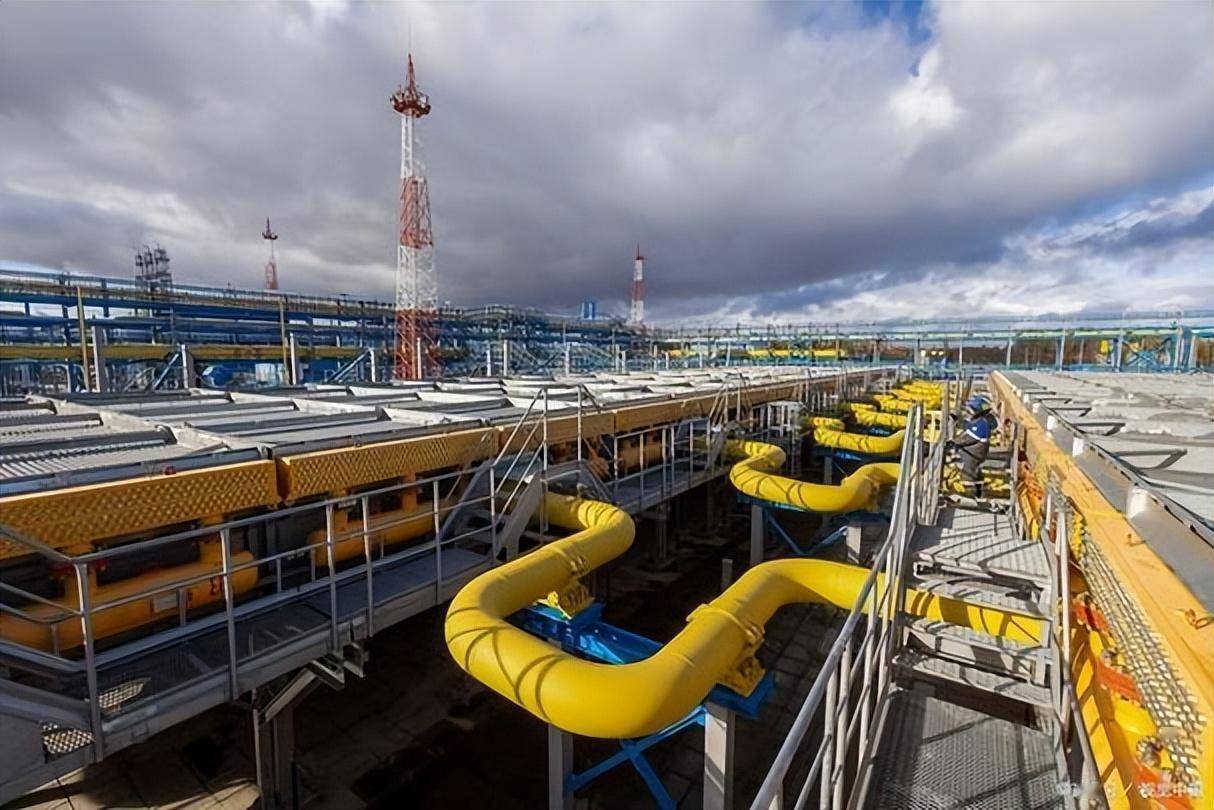
Core Insights - Ukraine's large-scale drone attacks on Russian energy facilities aim to weaken Russia's energy supply and military capabilities, impacting global oil prices and energy security [1][19][20] - The attacks have targeted critical infrastructure, including refineries, petrochemical plants, and fuel storage, indicating a systematic approach to disrupt Russia's wartime economy [16][18] Summary by Sections Attack Scale and Impact - Ukraine launched a significant drone assault involving hundreds of drones across multiple regions, including Moscow and Crimea, leading to the closure of 13 airports for safety checks [3][4][8] - The frequency and scale of these attacks have escalated, with Russia's defense systems intercepting a substantial number of drones, yet some still managed to hit key targets [4][6] Targeted Infrastructure - Key targets included energy facilities such as oil refineries and meat production plants, which are vital for Russia's economy and military logistics [11][13][16] - The attacks on food supply facilities highlight the importance of food security alongside energy supply in modern warfare [11] Economic Consequences - Damage to energy infrastructure, such as the NS-Oil refinery, could lead to fuel supply shortages and increased domestic fuel prices, affecting both civilian and military transportation costs [13][19] - The disruption of industrial production in regions like Stavropol could impact Russia's export capabilities, further straining its economy [11][16] Global Energy Market Implications - The attacks have raised concerns about the stability of Russia's energy supply, which is crucial for global energy markets, potentially leading to fluctuations in international oil prices [20][22] - China's energy security may be at risk due to its reliance on Russian energy imports, necessitating a reevaluation of its energy strategies [19][22] Strategic Considerations - The systematic targeting of critical infrastructure suggests a strategic intent to undermine Russia's military flexibility and economic stability [8][16] - The ongoing conflict may lead to increased geopolitical tensions and a shift in global energy trade dynamics, emphasizing the need for countries to enhance their energy security measures [22]
【环球财经】俄称希望尽快解决猪肉生产商进入菲律宾市场的准入问题
Xin Hua Cai Jing· 2025-09-23 05:48
Core Viewpoint - Russia aims to resolve the market access issue for its pork producers in the Philippines as soon as possible, indicating a strategic move to expand its agricultural exports to the region [1] Group 1: Market Access and Trade Relations - The Russian Deputy Minister of Industry and Trade, Gruzdev, expressed the hope that the market access issue for Russian pork producers in the Philippines will be resolved in the near future [1] - The first batch of poultry meat has already been shipped to the Philippines, showcasing the ongoing trade efforts [1] - Russia is systematically working to expand the entry of its domestic products into the Philippine market [1] Group 2: Regulatory Developments - The Russian Federal Service for Veterinary and Phytosanitary Surveillance reported that a consensus was reached between Russia and the Philippines, with the veterinary certificate for poultry exports updated in July of this year [1]