转口贸易

Search documents
什么是转口贸易?外贸人常说的“第三国转口”到底在转什么
Sou Hu Cai Jing· 2026-01-21 18:18
Core Viewpoint - The article discusses the increasing relevance of transshipment trade for foreign trade enterprises, particularly in industries like aluminum profiles, building materials, hardware, furniture, and ceramics, as a response to anti-dumping measures and high tariffs. Group 1: Definition and Process - Transshipment trade is defined as the process where goods are traded and logistics operations occur through one or more third countries between the production country and the final consumer country, with the third country re-exporting the goods to the destination market [3]. - The process involves complete logistics, warehousing, container swapping, documentation, and settlement, rather than merely passing goods through a third party [3]. Group 2: Reasons for Adoption - Increasingly, companies are opting for transshipment due to high comprehensive tax rates of 25%-35% or more on certain Chinese products in destination countries, making direct exports commercially unviable [4]. - The compliant transshipment model allows companies to regain price competitiveness, maintain customer relationships, and ensure order continuity within a legal framework [4]. Group 3: Operational Complexity - The simplicity of transshipment trade is misleading, as its practical execution heavily relies on experience, particularly in selecting transit countries, ensuring document integrity, and customs clearance safety [5].

海南封关成照妖镜,东南亚国家现行了,新加坡直言:不准自给自足
Sou Hu Cai Jing· 2026-01-04 06:13
Core Insights - Hainan Island is transforming into a massive "duty-free store" and "free processing zone," allowing foreign goods to enter with zero tariffs and processed goods with over 30% added value to enter the mainland market duty-free [1][3]. Group 1: Economic Impact - In the first week of the closure, imported duty-free goods exceeded 400 million yuan, and duty-free shopping on the island reached 1.1 billion yuan, a year-on-year increase of over 50% [3]. - The explosive growth of international transshipment trade saw container volumes surge by 213%, positioning Hainan as a new hub connecting China with the world [3]. - Hainan's port container throughput has set new records, indicating a significant shift in trade dynamics in the region [3]. Group 2: Competitive Landscape - Vietnam, which has been a popular destination for manufacturing due to its labor cost advantages, is experiencing a decline in orders from Chinese markets, with some electronic factories seeing a 23% drop in orders post-Hainan's closure [6]. - Hainan's favorable conditions, such as a corporate tax rate as low as 15% and quick registration processes, contrast sharply with Vietnam's lengthy approval periods for tax incentives [6][8]. - Singapore, historically a key player in transshipment trade, is facing challenges as goods are now being shipped directly to Hainan, bypassing Singapore, leading to an 11.3% decline in transshipment trade volume [12]. Group 3: Strategic Responses - Vietnam is responding by planning to establish free trade zones in key cities by 2026, aiming to replicate Hainan's model, although it faces inherent limitations in market size and industrial depth compared to Hainan [8][14]. - Singapore is focusing on enhancing its high-end services and maintaining its competitive edge by investing in financial technology and smart port systems, rather than competing in low-end manufacturing [19][21]. - The shift in trade dynamics is prompting both Vietnam and Singapore to rethink their strategies, with Vietnam aiming to evolve from a low-cost manufacturing base to a more resilient manufacturing and market integration model [31]. Group 4: Global Economic Implications - Hainan's model represents a new phase of globalization, moving from linear division of labor to a regional integration approach that optimizes efficiency and cost for businesses [26][28]. - The competition is shifting towards a comprehensive evaluation of market potential, policy efficiency, infrastructure, and industrial chain collaboration capabilities [35]. - The changes initiated by Hainan's closure are not just affecting regional players but are also reshaping the global economic landscape, highlighting the need for adaptation among countries like Vietnam and Singapore [37].
对话蔡冠深:IPO重回全球第一,香港金融中心地位正在回归【完整版】
Feng Huang Wang Cai Jing· 2025-12-25 14:04
Core Viewpoint - Hong Kong is at a pivotal point in its evolution as a financial center, transitioning from being a "super connector" to a "super value creator" in response to global economic shifts and challenges [1][2]. Group 1: Financial Recovery and IPOs - Hong Kong's IPO financing has returned to the top position globally in the first half of 2025, indicating a significant recovery of financial confidence and a reversal of capital outflows [1][4]. - The influx of capital is attributed to the government's talent and enterprise attraction policies, which have led to increased IPO activity and a resurgence of funds from regions like the US and Singapore [4][5]. Group 2: Strategic Restructuring in Technology and Trade - A strategic restructuring of Hong Kong's tech capabilities is underway, with a shift from a focus on low-tech profitability to high-tech innovation, positioning Hong Kong as a financial hub akin to Wall Street while Shenzhen becomes the tech hub similar to Silicon Valley [2][24]. - The "并船出海" (co-sailing out to sea) strategy emphasizes collaboration between Hong Kong's financial services and mainland China's manufacturing strengths to explore emerging markets in ASEAN and the Middle East [2][17][22]. Group 3: Digital Currency and Offshore Financial Services - Hong Kong is positioned as a key offshore RMB trading center, with over one trillion RMB in offshore deposits, and is exploring the integration of digital RMB with offshore financial systems to enhance trade settlement efficiency [9][10]. - The development of digital currencies in Hong Kong is seen as a potential area for innovation, with the region's legal framework and talent pool providing a conducive environment for experimentation [11][12]. Group 4: Greater Bay Area Integration - The infrastructure in the Greater Bay Area is well-developed, but there is a pressing need for "soft connectivity" in terms of talent, capital, and data flow to fully realize the region's potential [13][14]. - Addressing regulatory challenges and facilitating the movement of high-end talent and data will be crucial for enhancing collaboration within the Greater Bay Area [14][15]. Group 5: Future Outlook and Investment Strategies - The outlook for Hong Kong's financial market remains positive, with expectations of continued leadership in IPO financing and a focus on sectors like green finance and fintech [12][28]. - The emphasis on local market development in regions like ASEAN and the Middle East reflects a shift towards more sustainable and localized business strategies, moving away from reliance on transshipment trade [20][21].
中国为何敢让海南封关?自贸区“独门绝技”,世界仅中国具备
Sou Hu Cai Jing· 2025-12-23 09:48
Core Viewpoint - The article discusses China's new policy allowing foreign companies to assemble products in Hainan, increasing their value by over 30%, enabling them to sell these products to mainland China without import tariffs, effectively granting access to a vast market [2][3]. Group 1: Policy Implications - Foreign brands can now bypass high import tariffs by setting up operations in Hainan, leveling the playing field with domestic brands [3]. - This policy is seen as a strategic move to attract global manufacturers to establish factories and R&D centers in China, positioning the country as a significant player in the global market [5]. Group 2: Risks and Challenges - The policy poses significant risks, particularly regarding smuggling and regulatory challenges, as the vast area of Hainan could become a target for illicit activities if not properly monitored [10][12]. - The potential for a breakdown in tax revenue due to unregulated influx of goods is highlighted as a major concern [10]. Group 3: Regulatory Framework - China is implementing a "digital surveillance network" to monitor goods and individuals entering and leaving Hainan, utilizing advanced technologies like big data and AI for real-time analysis [12][15]. - The integration of Hainan's anti-smuggling system with neighboring provinces enhances the effectiveness of regulatory measures [16][19]. Group 4: Investment Climate - The stability and continuity of Chinese policies are emphasized as key factors in attracting foreign investment, contrasting with the unpredictability seen in other countries [22][23]. - The enactment of the Hainan Free Trade Port Law in 2021 solidifies the commitment to maintaining favorable conditions for global capital [23]. Group 5: Strategic Significance - The initiative is viewed as a demonstration of China's governance capabilities, balancing openness with control, and creating a unique economic zone that could reshape global industrial distribution [26][28]. - The project is not merely an economic endeavor but a showcase of national strength and governance evolution, aiming to transform Hainan into a significant economic engine [28].
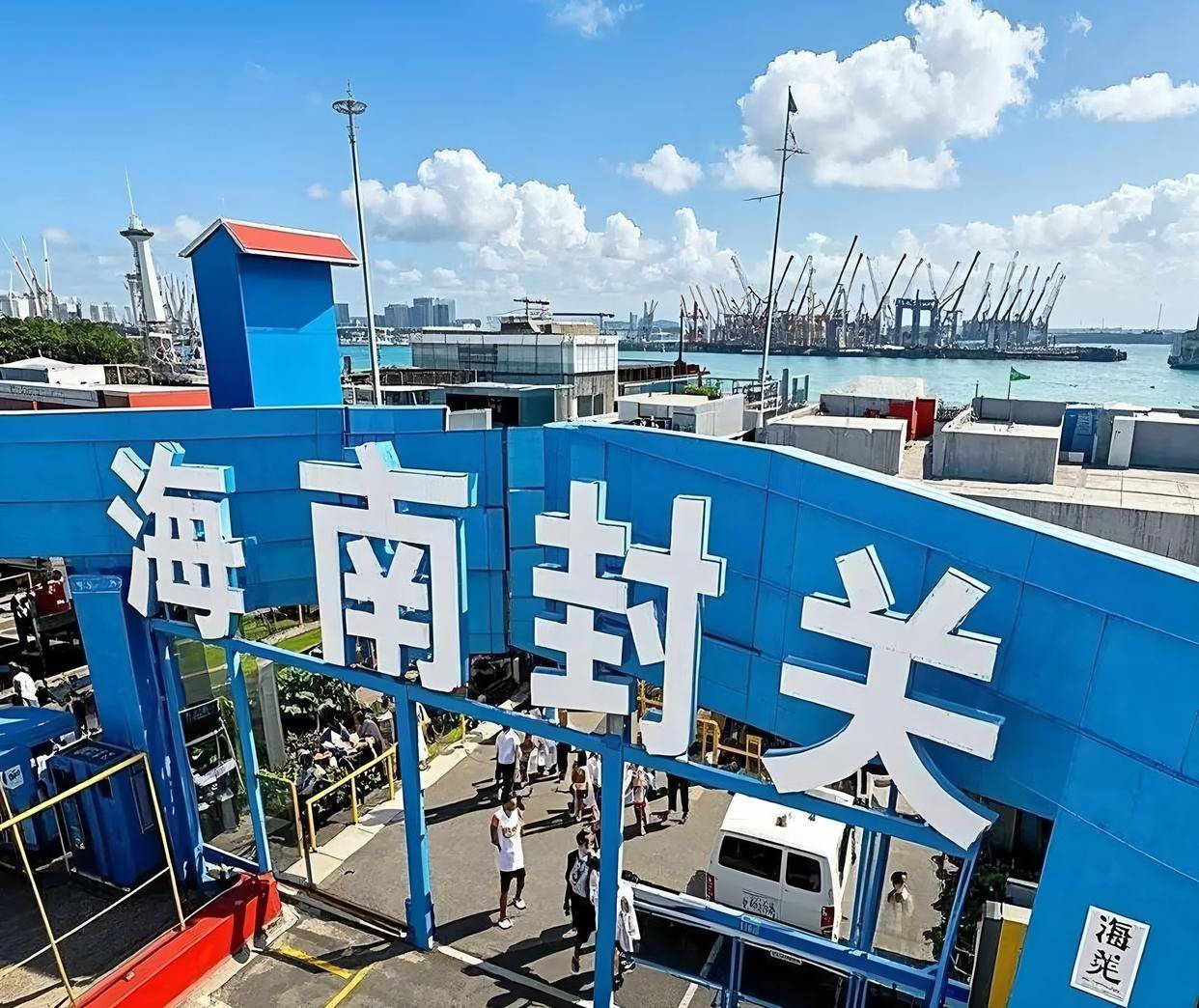
海南封关后,最不开心的人跳出来了!
Sou Hu Cai Jing· 2025-12-20 00:25
Core Insights - The recent closure of Hainan Island for trade has significantly impacted Singapore's transshipment trade, which is a critical part of its economy [2][3] - Hainan's zero-tariff policy now covers over 6,600 items, accounting for 74% of its trade, while Singapore is increasing infrastructure fees, making its logistics less competitive [3] - The opening of the China-Laos railway has improved logistics efficiency, allowing for faster and cheaper transport from Laos to China via Hainan, further diminishing Singapore's appeal as a transshipment hub [3] Trade Dynamics - Singapore's transshipment trade volume decreased by 4.2% in the first 11 months of 2025, while Hainan's Yangpu Port saw a 38% increase in container throughput, reaching 28% of Singapore's volume [3] - The shift in trade dynamics is evident as companies are relocating operations from Singapore to Hainan, with significant cost savings reported [3] - Hainan's "front port and back factory" model allows for value-added processing that is not available in Singapore's traditional transshipment model, enhancing its competitive edge [3] Economic Implications - Singapore's economy, heavily reliant on transshipment trade, faces challenges as Hainan's market access and proximity to a large domestic market provide a strategic advantage [3] - The shift in pricing power for commodities like rubber and iron ore from Singapore to Hainan indicates a broader regional economic realignment [3] - The need for Singapore to adapt to new trade rules and economic realities is emphasized, as its current model may no longer be sustainable in the face of Hainan's growth [3]
海南封关引爆全网!新加坡中转降11%,中国改写全球贸易格局
Sou Hu Cai Jing· 2025-12-19 01:46
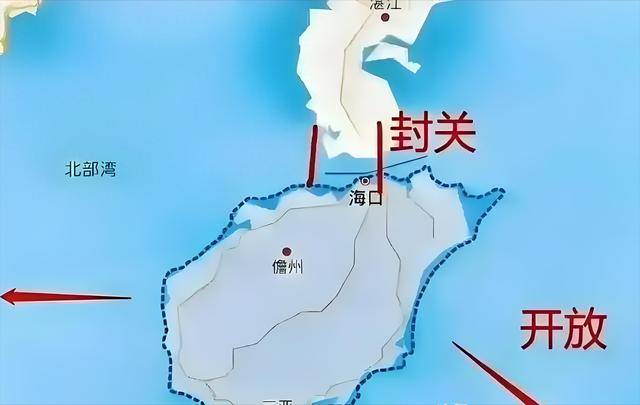
Core Viewpoint - The seven-year preparation for the Hainan Free Trade Port is set to redefine global trade dynamics, offering significant benefits to consumers while posing challenges to traditional trade hubs like Singapore [1][30]. Group 1: Hainan Free Trade Port Overview - The Hainan Free Trade Port aims to transform the island into a massive "international super warehouse" with a regulatory framework that allows for "one line open, one line controlled, and free flow within the island" [3]. - Over 6,600 types of goods will face zero tariffs, with 74% of product categories allowed to circulate freely [5]. - The policy provides a "green channel" for goods entering mainland China, where processing that adds over 30% value will be exempt from import tariffs [8]. Group 2: Impact on Singapore - Singapore, which has relied on its geographical advantage for transshipment trade, is experiencing pressure as Hainan's policies threaten its dominance [10][14]. - The volume of transshipment business for Singapore has dropped by 11%, with specific sectors like bulk cargo seeing a 32% decline in just six months [26]. - The operational costs for shipping have decreased significantly in Hainan, with a large cargo ship saving approximately $120,000 annually compared to Singapore [22]. Group 3: Trade Dynamics and Logistics - The direct shipping route from Southeast Asia to Hainan has reduced transit times from 40 days to just 7 days, significantly lowering cargo loss rates [16]. - The logistics shift is evident as shipping routes are increasingly favoring Hainan over Singapore, with a reduction of 2,000 kilometers in distance for certain routes [20]. - Hainan's fuel prices are 8% lower than those in Singapore, contributing to a 210% increase in bonded fuel supply at Hainan's ports [23]. Group 4: Economic Projections and Consumer Benefits - Hainan's trade volume with countries involved in the Belt and Road Initiative has quadrupled since 2020, with projected import and export values reaching 277.65 billion yuan in 2024 [44]. - Consumers can expect prices for imported goods, including luxury items, to be 20% to 58% lower than in mainland China, leading to a nearly 30% increase in duty-free sales [40]. - By 2035, Hainan's GDP is expected to exceed one trillion yuan, positioning it as a significant regional economic center akin to Singapore [42].
中信建投:海南自贸港封关核心政策与市场影响展望
智通财经网· 2025-11-27 23:48
Core Insights - The establishment of the Hainan Free Trade Port marks a new phase in its strategic positioning as a comprehensive reform and opening-up pilot zone, aiming to create a new high ground for institutional openness and align with international high-standard economic and trade rules [1][2] Taxation Policies - Hainan Free Trade Port has implemented "zero tariff" and processing value-added tax exemption policies, significantly reducing the import costs of raw materials and customs clearance for enterprises [2] - The preferential measures for corporate income tax and individual income tax further enhance profit retention for businesses and attract talent [2] Financial Opening - The establishment of multi-functional free trade accounts facilitates cross-border capital flow for enterprises, lowering the cost of capital operations [2] Industry Support Policies - Hainan Free Trade Port provides key support to core industries such as tourism, modern services, and high-tech industries through special support policies and tax incentives, promoting technological breakthroughs and industrialization [2] - Innovative developments in bonded processing, transshipment trade, and cross-border e-commerce have created an efficient and convenient domestic open environment [2] Market Impact - The closure policy of Hainan Free Trade Port offers unprecedented development opportunities for enterprises, reducing costs and enhancing international competitiveness [2] - The policy dividends have attracted significant domestic and foreign investment, driving rapid regional economic growth [2] - However, the implementation of these policies comes with increased compliance requirements, necessitating enterprises to establish more robust compliance systems to ensure operations align with policy requirements [2] Future Outlook - Hainan Free Trade Port is expected to continue deepening reform and opening up, optimizing the business environment, and providing more opportunities for enterprises and investors [2] - With the in-depth implementation of the closure policy, Hainan is poised to become a key gateway for China's new era of opening up to the outside world [2]

14天7板!物流仓储+转口贸易+零售概念联动,东百集团9:32涨停,背后逻辑揭晓
Jin Rong Jie· 2025-11-27 01:46
Core Viewpoint - Dongbai Group has achieved significant stock performance with 7 limit-up days in 14 trading days, indicating strong market interest and potential growth factors driving the stock price [1] Group 1: Stock Performance - The stock reached a limit-up at 9:32 AM today with a trading volume of 696 million yuan and a turnover rate of 7.61% [1] - The stock has shown volatility typical of limit-up stocks, suggesting caution for investors regarding high-risk chasing [1] Group 2: Business Operations - The company's logistics and warehousing business benefits from a core regional network and deep cooperation with JD and SF Express [1] - Dongbai Group operates as an operator of the bonded logistics park in the Fuzhou Free Trade Zone, catering to cross-strait warehousing demands [1] Group 3: Market Factors - Multiple factors, including favorable consumer policies and increased market attention on the retail sector, are contributing to the stock's performance [1]

香港,又到了“拼经济”的时候?
虎嗅APP· 2025-11-12 09:48
Core Viewpoint - A subtle shift is occurring in Hong Kong, transitioning from a focus on security to prioritizing economic development, with an emphasis on enhancing its international financial center status [2][3]. Economic Overview - Hong Kong's economy is projected to grow at 2.5% in 2024, down from 3.2% in 2023, with forecasts for 2025 generally between 2% and 3% [4]. - Trade and financial services are the two main pillars of Hong Kong's economy, each contributing approximately 20% to GDP [4]. Challenges in Economic Development - The international unique trade status of Hong Kong is uncertain due to changing global dynamics and the emergence of free trade zones in mainland China, which have diminished Hong Kong's previous advantages [5]. - Hong Kong has lost its position as the world's largest container port and is now ranked 11th in 2024, with Shenzhen and Guangzhou taking the 4th and 6th spots respectively [5]. Employment and Social Issues - The financial sector, while strong in capital attraction, does not provide sufficient employment opportunities, leading to a rise in low-end jobs in sectors like retail and dining, exacerbating social mobility issues and income inequality [5]. Opportunities in Technology Innovation - The potential for growth lies in the technology innovation sector, as Hong Kong has a strong academic foundation but lacks the necessary environment for technology commercialization [8][10]. - Hong Kong's R&D investment as a percentage of GDP is only 1.11% in 2023, significantly lower than the EU (2.2%), the US (3.59%), and South Korea (4.85%) [12]. Strategic Initiatives - The "Northern Metropolis" project aims to develop a new urban area focused on innovation and technology, leveraging Shenzhen's industrial strengths to enhance Hong Kong's economic landscape [14][15]. - The establishment of the Hong Kong-Shenzhen Innovation and Technology Cooperation Zone is expected to contribute approximately 52 billion HKD annually to Hong Kong's economy and create around 52,000 jobs [15]. Integration with Mainland China - Recent policies, such as allowing vehicles from Guangdong to enter Hong Kong, signal a growing interconnection between Hong Kong and mainland China, emphasizing the importance of collaboration for future growth [16]. - The shift in economic dynamics indicates that Hong Kong must redefine its role and seek new opportunities in technology and innovation to remain competitive [22].
越南跪了,与美国达成协议,40%特殊关税瞄准中国,中方回应亮了
Sou Hu Cai Jing· 2025-07-04 07:41
Group 1 - The core point of the news is that Vietnam has agreed to a trade deal with the U.S. that includes a 40% tariff on re-exported goods, which is primarily aimed at China, marking a significant shift in trade dynamics [1][5][10] - The trade agreement allows Vietnam to impose a 20% tariff on U.S. goods while maintaining a zero tariff on American products, which appears beneficial for Vietnam but ultimately favors the U.S. [5][12] - Vietnam's exports to the U.S. are projected to reach $136 billion in 2024, with a trade surplus exceeding $123 billion, indicating that even with the new tariffs, Vietnam's overall benefits from trade with the U.S. remain substantial [7][12] Group 2 - The U.S. has been targeting "transshipment trade," where Chinese products are processed in third countries like Vietnam to avoid tariffs, and this has become a focal point in the ongoing trade war [3][9] - Vietnam's compliance with U.S. demands includes establishing a dedicated customs audit team and real-time customs networking to scrutinize supply chains for Chinese components, which could severely impact Chinese exports [9][10] - The agreement may set a precedent for future U.S. trade negotiations with other countries, potentially leading to a broader trade barrier against China [10][20] Group 3 - Vietnam's economic dependency on the U.S. is significant, with nearly 30% of its total exports directed to the U.S., making it vulnerable to U.S. tariff actions [12][14] - The internal industrial chain in Vietnam is incomplete, heavily relying on Chinese high-end equipment and raw materials, which complicates its position in the trade agreement [14][18] - China's response to the agreement has been firm, emphasizing that it will not tolerate any trade deals that undermine its interests, indicating potential retaliatory measures [16][18]