铸造业

Search documents
中国铸件厂用白菜价暴击欧洲百年垄断,厂长怒吼:这价格不科学!
Sou Hu Cai Jing· 2026-02-26 14:07
Core Insights - China's foundry industry holds a significant position in the global market, producing nearly half of the world's castings, which is surprising to many [2] - European foundries have relied on precision craftsmanship and high pricing to maintain market share, but Chinese companies are challenging this model through mass production and cost control [2][4] Pricing and Cost Structure - Local Chinese foundries offer prices that are only one-eighth of those from Europe, directly impacting the profit margins of European suppliers [4] - Chinese foundries utilize common materials like gray cast iron to lower raw material costs while maintaining product performance [4][8] - The production capacity of Chinese factories exceeds 50 million tons annually, allowing for minimal unit costs, sustaining operations even with a profit margin of only 5% [6] Delivery and Efficiency - Chinese foundries can deliver products in 35 days, compared to several months for European suppliers, making the shift to local suppliers more appealing for customers [6][10] - The rapid production capabilities of Chinese factories, supported by a streamlined supply chain, allow for quicker turnaround times than their European counterparts [10][13] Market Dynamics - European companies are beginning to reassess their pricing strategies as they realize that many of their products do not require the high-end materials they previously used [13][15] - The rise of Chinese foundries has led to a significant shift in the global supply chain, with local companies experiencing a surge in orders and doubling their output [13] - The competitive landscape has become more equitable, providing customers with a wider range of choices and driving down costs [15] Future Outlook - The Chinese foundry industry is expected to continue leading the market due to its understanding of market demands and provision of practical solutions [15] - Innovations in Chinese factories are anticipated to strengthen their position further in the global foundry market [15]

湖南嘉禾:复工复产提速 力争夺取“开门红”
Zhong Guo Fa Zhan Wang· 2026-02-25 08:14
Group 1 - The core viewpoint is that the recovery and resumption of production in enterprises is crucial for achieving a strong start in the first quarter, with a target for all enterprises in the park to resume operations by March 4 [1] - As of February 24, 44 out of 137 enterprises in the Jiahe High-tech Zone have successfully resumed operations, indicating a positive trend in the recovery process [1] - Jiahe County has established a special task force to coordinate and address challenges faced by enterprises in areas such as energy use, labor, logistics, financing, and order guarantees [1] Group 2 - The Jiahe High-tech Zone has implemented an innovative "help agency" service mechanism to assist new projects, providing full-process support from business license applications to engineering approvals [2] - Safety production is emphasized as a prerequisite for resuming operations, with companies required to conduct safety inspections and training to ensure compliance with safety responsibilities [2] - The enthusiasm for resuming production among enterprises is high, with one company reporting a production output of 620 tons since resuming operations on January 6, and projecting an annual capacity of 50,000 tons and a revenue of 350 million yuan [2]
河北固定资产投资稳步增长 “压舱石”作用凸显
Sou Hu Cai Jing· 2026-01-28 00:59
Core Insights - In 2025, Hebei province achieved a fixed asset investment growth rate of 6.1%, outperforming the national average by 9.9 percentage points, ranking third in the country [1] - Industrial investment in the province increased by 15.5% year-on-year, while high-tech industry investment surged by 21.4% [1] Investment Growth and Structure - Effective investment serves as a crucial stabilizer for economic growth, with Hebei's investment structure continuously optimized to enhance its stabilizing role [1] - The province utilized various policy tools, including central budget investments and special bonds, to accelerate project construction, reinforcing the dual driving force of government and private investments [1] Infrastructure and Project Highlights - Infrastructure investment in Hebei grew by 10.9% year-on-year, contributing 3.9 percentage points to overall investment growth [2] - The Baima River comprehensive governance project, with a total investment of approximately 870 million yuan, is a key water conservancy project aimed at enhancing flood control and ecological protection [2] Major Project Contributions - Investment in projects over 100 million yuan increased by 9.6%, accounting for 70.6% of total investment, with a contribution rate of 107.9% to overall investment growth [5] - Projects over 1 billion yuan saw an 11.1% increase, representing 41.8% of total investment, contributing 72.8% to overall growth [5] High-Tech Industry Investment - High-tech industry investment rose by 21.4%, contributing 1.5 percentage points to overall investment growth, with a contribution rate of 24.4% to fixed asset investment [7] - The high-tech service sector experienced a remarkable growth of 43.1%, significantly boosting high-tech industry investment [7] Xiong'an New Area Development - Xiong'an New Area is currently in a phase of large-scale construction and the integration of functions relocated from Beijing, with significant progress on key projects [8] - Major projects such as the Xiong'an Internet Satellite Manufacturing Center and the Xiong'an Technology Innovation Industrial Base are fully underway [8]
河北鸡泽“智造”小井盖撬动大市场 传统铸造业转型探新路
Xin Lang Cai Jing· 2025-12-20 00:32
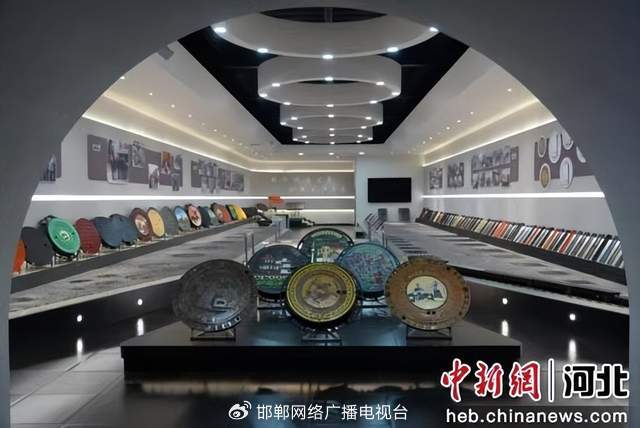
Core Insights - The article highlights the advancements in smart manhole covers produced by Hongguang Casting Co., Ltd. in Jizhou County, Hebei Province, which are equipped with sensor modules for real-time monitoring of various data [1][3] - The integration of technology has increased the product's added value by over 30%, and these smart covers are widely used in smart city construction, exporting to Southeast Asia and Europe [3] - The company has also incorporated cultural elements into the design of the manhole covers, featuring idioms from local culture, which has helped change public perception of manhole covers [3] Company Overview - Hongguang Casting Co., Ltd. is part of a larger casting industry in Jizhou County, which has 149 casting and equipment manufacturing enterprises [5] - The county has implemented a strategy of "one county, one specialty" to promote industrial transformation and upgrade, focusing on clean production and automation [5][6] - The company has transitioned from coal-fired furnaces to electric furnaces and has introduced industrial robots and automated production lines [5] Industry Development - Jizhou County's casting industry has 41 high-tech enterprises and 32 provincial-level specialized and innovative enterprises, with an annual production capacity of 600,000 tons and an annual output value of nearly 6 billion yuan [5] - The county's municipal castings account for 28% of the national market, indicating a significant position in the industry [5] - Collaborations with over ten universities and research institutions have been established to drive technological innovation, including the establishment of a national key laboratory [6] Future Goals - The county aims to enhance the high-end, intelligent, and green transformation of the casting and equipment manufacturing industry, targeting a 50% increase in production efficiency and an annual growth rate of over 15% in industry output value by 2030 [6]
从潜力到生产力:消失模铸造接棒新国标轻量化需求
3 6 Ke· 2025-12-08 10:34
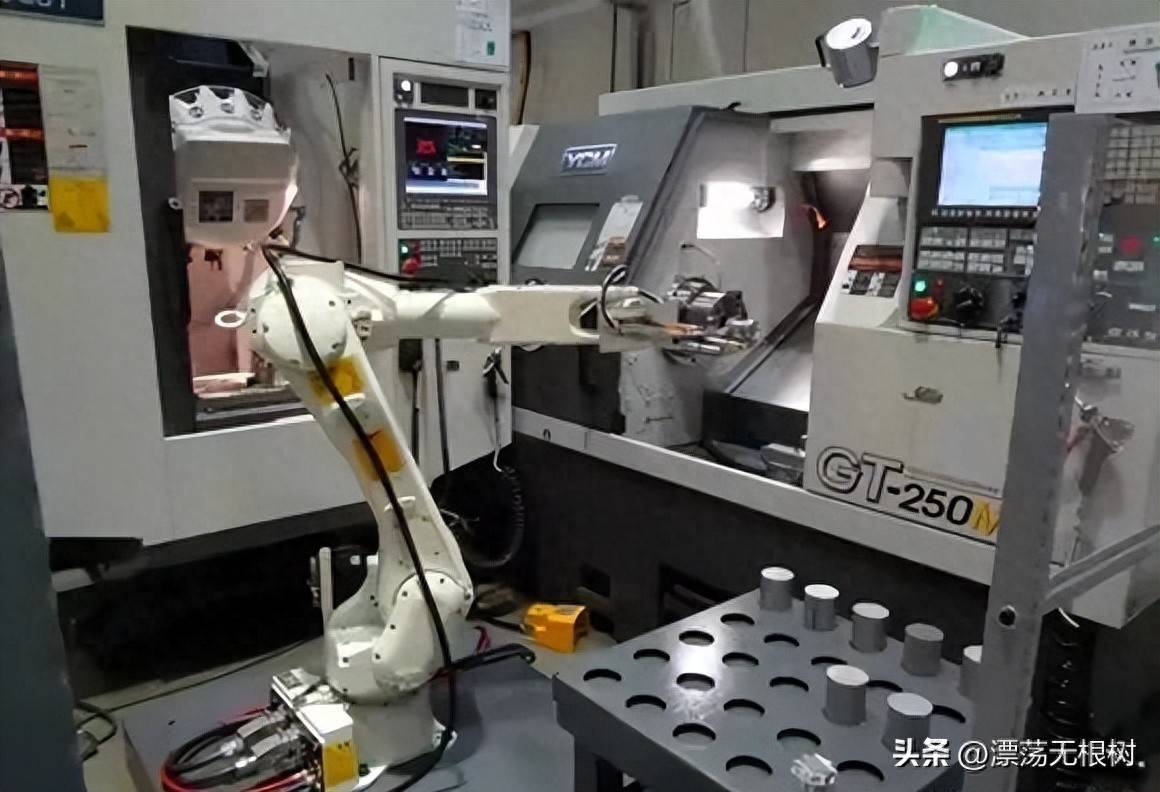
Group 1 - The core viewpoint of the news is the introduction of new regulations by the National Certification and Accreditation Administration of China, which mandates that the plastic content in electric bicycles must be limited to below 5.5%, driving a shift towards lightweight materials like magnesium and aluminum in the industry [2][23]. - The new regulations are expected to accelerate the adoption of lost foam casting technology, which allows for near-net-shape manufacturing of complex thin-walled components, aligning with the industry's demand for precision and efficiency [2][3]. - Companies like Shenyue Casting, which have been in the industry for nearly 30 years, are successfully applying lost foam casting technology to meet the needs of international clients such as Delphi, Bosch, and BMW, indicating a shift towards large-scale application and value validation of this green casting process [2][3]. Group 2 - The lost foam casting technology is recognized for its potential in reducing material waste and processing costs, but its application has been limited due to technical bottlenecks and high initial investment [3][21]. - Recent policy changes and the urgent demand from sectors like new energy vehicles and aerospace are driving the need for complex thin-walled components, which perfectly match the advantages of lost foam casting technology [3][26]. - The industry is witnessing a rapid transition from potential to productivity, with lost foam casting technology gaining attention from capital and industry as a key driver for industrial transformation [3][35]. Group 3 - The lost foam casting process involves several critical steps, including the creation of high-precision foam patterns, integration of models, application of refractory coatings, and the use of vacuum conditions for pouring molten metal, all of which are essential for achieving high-quality castings [6][8][10]. - The technology relies on a "triangle" of key elements: the choice of pattern materials, the performance of coatings, and the precise control of process parameters, which are crucial for the success of the casting process [12][13][17]. - Despite its advantages, the industry faces challenges such as the need for high-performance materials and coatings, as well as the complexity of process control, which are critical for overcoming existing technical barriers [15][19][28]. Group 4 - The Chinese lost foam casting market is characterized by a large consumer base and is expanding due to the increasing adoption of this technology across various industries, particularly in the automotive sector, which accounts for approximately 45-50% of the market [22][24]. - The electric bicycle sector is emerging as a new growth point for lost foam casting, driven by new national standards that promote lightweight and high-end product upgrades, creating opportunities for companies skilled in producing complex metal structures [23][24]. - The market is projected to grow significantly, with estimates indicating that the lost foam casting market in China has reached hundreds of billions and continues to expand steadily, reflecting strong downstream demand and the technology's penetration into traditional casting processes [24][26]. Group 5 - The growth of the lost foam casting industry is driven by stringent environmental policies, cost efficiency, and the structural upgrade of downstream industries, particularly in the context of the "dual carbon" strategy [26][27]. - Leading companies in the industry, such as Shenyue Casting, are leveraging the lost foam casting process to achieve production efficiency while adhering to green manufacturing principles [26][27]. - The industry is also facing challenges related to the adoption of new technologies, as many manufacturers remain unfamiliar with lost foam casting, which can lead to decision-making risks and concerns about dependency on leading suppliers [28][29]. Group 6 - The supply chain for the lost foam casting industry in China is becoming more complete, with a network that includes upstream materials and equipment, midstream casting services, and downstream applications [29][30]. - While basic materials and equipment have largely been localized, high-end materials and precision equipment still rely on imports, which can limit the overall advancement of the industry [29][30]. - The interaction between high-end manufacturing demands and technological innovation is creating a positive feedback loop that drives continuous improvement across the entire supply chain [30][31]. Group 7 - The future growth of the lost foam casting market will depend on quality transformation and efficiency improvements rather than just capacity expansion, with a focus on integrating digital and intelligent technologies [32][33]. - The demand for high-performance, lightweight materials in sectors like new energy vehicles and aerospace is expected to create new market opportunities for lost foam casting technology [32][35]. - The industry is moving towards a collaborative ecosystem where the ability to innovate across the supply chain will be a key competitive advantage [33][35].

包芯线大王的破圈往事
Feng Huang Wang Cai Jing· 2025-12-03 08:45
Core Insights - The Chinese foundry industry has maintained its position as the world's largest for 25 consecutive years, with a projected output of 50.75 million tons in 2024, accounting for approximately 45% of global production [1] - Despite leading in scale, the industry faces challenges such as a lack of high-end casting quality and heavy reliance on imported core materials, which hinders the upgrade to high-end manufacturing [1] - Yuzhou Hengli New Materials Co., Ltd. has emerged as a key player in the foundry sector, focusing on core additives like spheroidizing agents and core wires, contributing to the enhancement of China's foundry competitiveness [1] Group 1: Historical Context and Technological Development - The history of casting in China dates back to ancient times, with significant advancements in spheroidal graphite casting technology occurring in the mid-20th century [3] - The quality of spheroidal graphite castings is heavily influenced by the processes of spheroidization and inoculation, which are critical for achieving desired material properties [3] Group 2: Company Evolution and Market Position - Wang Yingzhan, the founder of Hengli, transitioned from a laboratory role to entrepreneurship, identifying market gaps in spheroidal graphite materials during China's economic reforms [4][6] - Hengli's spheroidizing agents gained recognition in the industry by 2006, establishing partnerships with leading companies like Nanyang Feilong, which produces a significant portion of China's automotive water pumps [8] Group 3: Innovations in Core Wire Technology - The development of core wire technology marked a significant leap for Hengli, allowing for more precise control of material addition and reduced emissions compared to traditional methods [9][11] - Initial challenges in production led to a commitment to quality, exemplified by the decision to discard defective products to maintain standards [13] Group 4: Industry Standards and Collaborations - Hengli has played a pivotal role in establishing industry standards for spheroidal graphite core wires, enhancing product reliability and market acceptance [16] - The company has collaborated with experts to address technical challenges, leading to innovations that have positioned Hengli at the forefront of the industry [23] Group 5: Advancements in Risers and High-Speed Rail Applications - Hengli's innovations in risers have addressed critical challenges in high-speed rail component manufacturing, ensuring defect-free production [19] - The establishment of industry standards for risers has further solidified Hengli's reputation as a leader in the foundry sector, contributing to the overall improvement of China's casting industry [21]
广东鸿图(002101) - 002101广东鸿图投资者关系管理信息20251125
2025-11-25 10:42
Financial Performance - The company achieved a revenue of 6.653 billion CNY in the first three quarters of 2025, representing a year-on-year growth of 18.71% [1] - The net profit attributable to shareholders was 210 million CNY, a year-on-year decline of 21.38% due to increased market competition, declining order margins, and rising raw material prices [1] - The gross margin improved sequentially in Q3, indicating a potential recovery in the second half of the year [1] Cost Control and Profitability - The decline in gross margin is attributed to intense competition within the automotive industry, which is a common issue across the supply chain [2] - The company is focusing on cost control and aims to improve profitability by increasing scale and developing a second growth curve [2] Growth Strategies - The second growth curve is centered on low-altitude economy and intelligent robotics, with projects underway in collaboration with companies like Xiaopeng Huitian [2] - The company has received project confirmations for agricultural drones, which have started generating revenue [2] Production Capacity and Equipment - The company operates five large die-casting machines, including a 6,800T machine at the Jinli factory and others at the Guangzhou factory, which primarily produces components for new energy vehicles [2] - The Guangzhou factory has seen significant revenue growth due to increased production capacity [2] Magnesium Alloy Business - A dedicated team is working on magnesium alloy products, which are currently in the experimental phase, with expected higher profit margins compared to aluminum alloys due to market scarcity [3] Research and Development - The company has a national-level technology center and a research team of over 30 members, with more than 1,000 personnel focused on R&D [3] - Annual R&D investment is approximately 4% of revenue, with ongoing collaborations with universities on various projects [4] Investment and Expansion - Future investments and acquisitions will focus on strengthening the core business in die-casting and interior/exterior trim sectors, with both domestic and international projects under consideration [4] - By 2024, overseas revenue is expected to account for about 18%, primarily from exports to North America, with plans for further international market expansion [4]

兴化戴南一公司引进砂型3D打印装备 告别铸造业“翻砂”时代
Yang Zi Wan Bao Wang· 2025-11-06 11:35
Core Viewpoint - The introduction of a new 3D printing technology for sand molds in metal casting significantly enhances production efficiency, reduces development time, and aligns with green manufacturing trends [1][2]. Group 1: Technology Overview - The new equipment, known as sand mold 3D printing technology, allows for the direct and precise manufacturing of sand molds used in metal casting [1]. - The process involves a sand supply and layering system that creates a smooth sand layer, followed by a mechanical arm that sprays a binding agent according to pre-designed parameters, solidifying the sand particles [1]. Group 2: Advantages Over Traditional Methods - This technology eliminates the need for traditional mold-making, reducing the product development cycle from weeks or months to just a few days, thereby greatly improving production efficiency [2]. - The materials used, such as quartz sand and high-silica sand, are environmentally friendly, allowing for the recycling of used sand molds and minimizing waste and energy consumption [2]. - The technology enhances design freedom and innovation capabilities within the industry, facilitating a shift from manual and mold-dependent production to a more digital and intelligent manufacturing approach [2].
超500项标准中外互认,意味着什么
Ren Min Ri Bao Hai Wai Ban· 2025-09-22 23:01
Core Points - The article highlights China's leadership in establishing international standards, particularly in the context of the Belt and Road Initiative and its impact on global trade and cooperation [6][10][15] Group 1: International Standards Development - China has led the formulation of 1,079 international standards during the 14th Five-Year Plan period, promoting over 500 standards for mutual recognition with other countries [6][10] - The establishment of the world's first international standard for elderly care robots is a significant achievement, providing benchmarks for design, manufacturing, testing, and certification [13][17] - The internationalization of standards is seen as a strategic choice for enhancing China's global influence and competitiveness [15] Group 2: Economic Impact of High-Speed Rail - The Jakarta-Bandung High-Speed Railway, as Indonesia's first high-speed rail, has significantly reduced travel time from over three hours to just 40 minutes, enhancing local connectivity and economic activity [8][9] - The project created 51,000 jobs during construction and provided 1,500 stable jobs post-operation, contributing to the formation of new business districts along the railway [8][9] Group 3: Agricultural Standardization in Zambia - In Zambia, the implementation of Chinese agricultural standards has improved local farmers' productivity, with one farmer reporting a 15% increase in oil yield from marigolds and doubling his annual income [9] - The project involved adapting Chinese agricultural practices to local conditions, resulting in over 30 new agricultural standards tailored to Zambia [9][12] Group 4: Benefits for Chinese Enterprises - The internationalization of standards has facilitated smoother trade for Chinese companies, particularly small and medium-sized enterprises, by reducing costs and technical barriers [11][13] - A case study from Hebei Jianzhong Foundry Group illustrates significant cost savings and increased export revenue due to the mutual recognition of standards with 44 Belt and Road countries [11][13] Group 5: Future Directions and Collaborations - China is actively pursuing bilateral and multilateral standardization cooperation through various international frameworks, enhancing its role in global governance [14][15] - The focus on standardization is expected to continue driving China's participation in international trade and technological collaboration, fostering a more open and prosperous global economy [15]
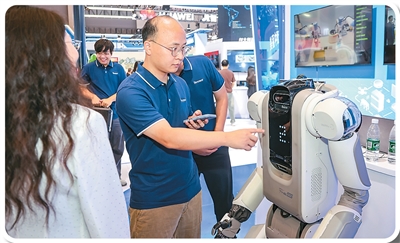
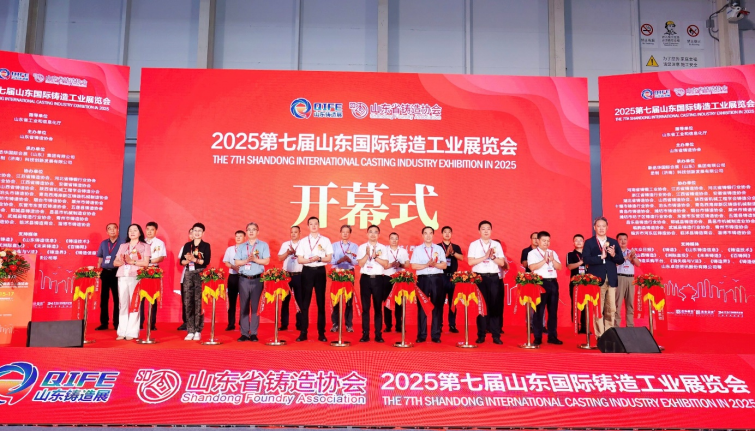
全产业链布阵,构建交流合作枢纽 山东加速打造国际铸造产业集群
Qi Lu Wan Bao· 2025-08-15 14:34
Core Insights - The 7th Shandong International Foundry Industry Exhibition commenced in Qingdao, focusing on "global vision and precise positioning" to enhance cooperation and technological upgrades in the foundry sector [1] - The exhibition aims to promote high-end, diversified development in the foundry industry, establishing a high-standard communication hub for global foundry enterprises [1] Group 1: Exhibition Highlights - The exhibition showcased advanced products such as high-temperature alloy castings favored in the low-altitude economy due to their high strength and lightweight properties [3] - Intelligent defect detection systems for castings achieved millisecond-level recognition, while fully automated casting compression equipment improved production efficiency of aluminum alloy wheels by 40% [3] - Eco-friendly innovations like biodegradable sand castings and water-based coating castings are reducing pollution at the source, aligning with the mainstream trend of green foundry practices [3] Group 2: Supporting Activities - Various forums and training sessions were held, including an economic analysis forum and a forum on lightweight components for new energy vehicles, focusing on technology innovation and industry collaboration [4] - The "Casting Supermarket" was launched to provide a one-stop procurement channel with a wide range of quality products at lower prices, effectively reducing procurement costs for businesses [3][4] - The exhibition also included awards for exemplary foundry areas in Shandong, promoting quality upgrades and establishing industry benchmarks to drive regional development [4] Group 3: Industry Development Focus - The exhibition emphasizes the importance of intelligent, green, and high-end development directions, guiding enterprises to seize transformation opportunities [4] - It aims to foster collaborative innovation across the industry chain, injecting new momentum into the high-quality development of China's foundry industry [4] - The event supports Shandong's goal of building a globally competitive foundry industry cluster, contributing to sustainable development in the global foundry sector [4]