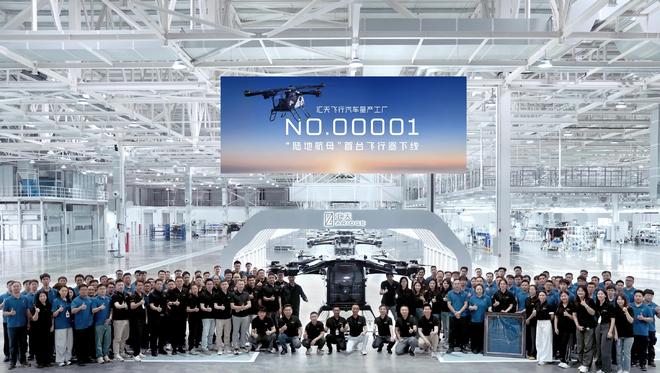
飞行汽车制造

Search documents
固本强基,做实做强实体经济
Xin Lang Cai Jing· 2026-02-27 23:36
Core Viewpoint - The emphasis on strengthening the real economy as the foundation for a strong nation is highlighted, with a focus on technological and industrial innovation to enhance competitiveness and sustainability [2][5][10]. Group 1: Real Economy Development - The importance of the real economy as the foundation of a major country is reiterated, with a call to focus on its development [1][2]. - In 2025, the contribution rate of industrial added value to economic growth reached 35%, with manufacturing added value maintaining the world's highest position for 16 consecutive years [5]. - The revenue of Luoyang Bearing Group exceeded 6 billion yuan in 2025, with products widely used in various sectors including new energy vehicles [4][5]. Group 2: Technological and Industrial Innovation - The integration of technological innovation and industrial innovation is emphasized as crucial for enhancing the real economy [7][8]. - The launch of the "land aircraft" by Guangdong Huitian Aerospace Technology Company represents a significant step in low-altitude economic development [6][7]. - The establishment of a comprehensive support system for the transformation of scientific research achievements into market products is underway, addressing challenges in the innovation chain [8]. Group 3: Smart, Green, and Integrated Development - The shift towards smart, green, and integrated development is identified as essential for the modernization of the industrial system [9][10]. - The production precision and stability at Benxi Steel's cold-rolled plant have significantly improved due to digital transformation, with automotive steel sales increasing by 49.2% year-on-year [9][11]. - Hydrogen metallurgy projects in Hebei are expected to reduce carbon emissions by over 50% compared to traditional methods, showcasing the integration of environmental sustainability in industrial practices [11].
习近平总书记关切事·两会看落实丨固本强基,做实做强实体经济
Xin Hua Wang· 2026-02-27 07:05
Group 1 - The core message emphasizes the importance of the real economy as the foundation of a major country, with a focus on developing the real economy through technological and industrial innovation [3] - In 2025, the industrial added value contributed 35% to economic growth, with the manufacturing sector maintaining its position as the world's largest for 16 consecutive years, and the service sector's contribution to GDP rising to nearly 60% [8] - The development of the real economy is illustrated by the achievements of Luoyang Bearing Group, which reported revenues exceeding 6 billion yuan and expanded its product applications in various sectors, including new energy vehicles [8][7] Group 2 - The launch of the world's largest radial bearing for a 120-meter radio telescope by Luoyang Bearing Group marks a significant technological breakthrough in the domestic market [4] - The company is actively pursuing partnerships with leading domestic new energy vehicle manufacturers, particularly with its third-generation products that have high integration and assembly precision [7] - The emphasis on smart, green, and integrated development is highlighted as a key direction for the real economy, with various projects in hydrogen metallurgy and artificial intelligence applications contributing to reduced carbon emissions and enhanced productivity [20][19] Group 3 - The integration of technology and industry is crucial for enhancing the real economy, as demonstrated by the establishment of a technology transfer center in Guangdong aimed at accelerating the conversion of research outcomes into market products [13][14] - The production of a new type of flying car by Guangdong Huitian Aerospace Technology Company showcases the innovative potential within the low-altitude economy sector [9][12] - The ongoing digital transformation in manufacturing, as seen in the steel industry, has led to significant improvements in production stability and product quality, with sales of high-end automotive products increasing substantially [18]


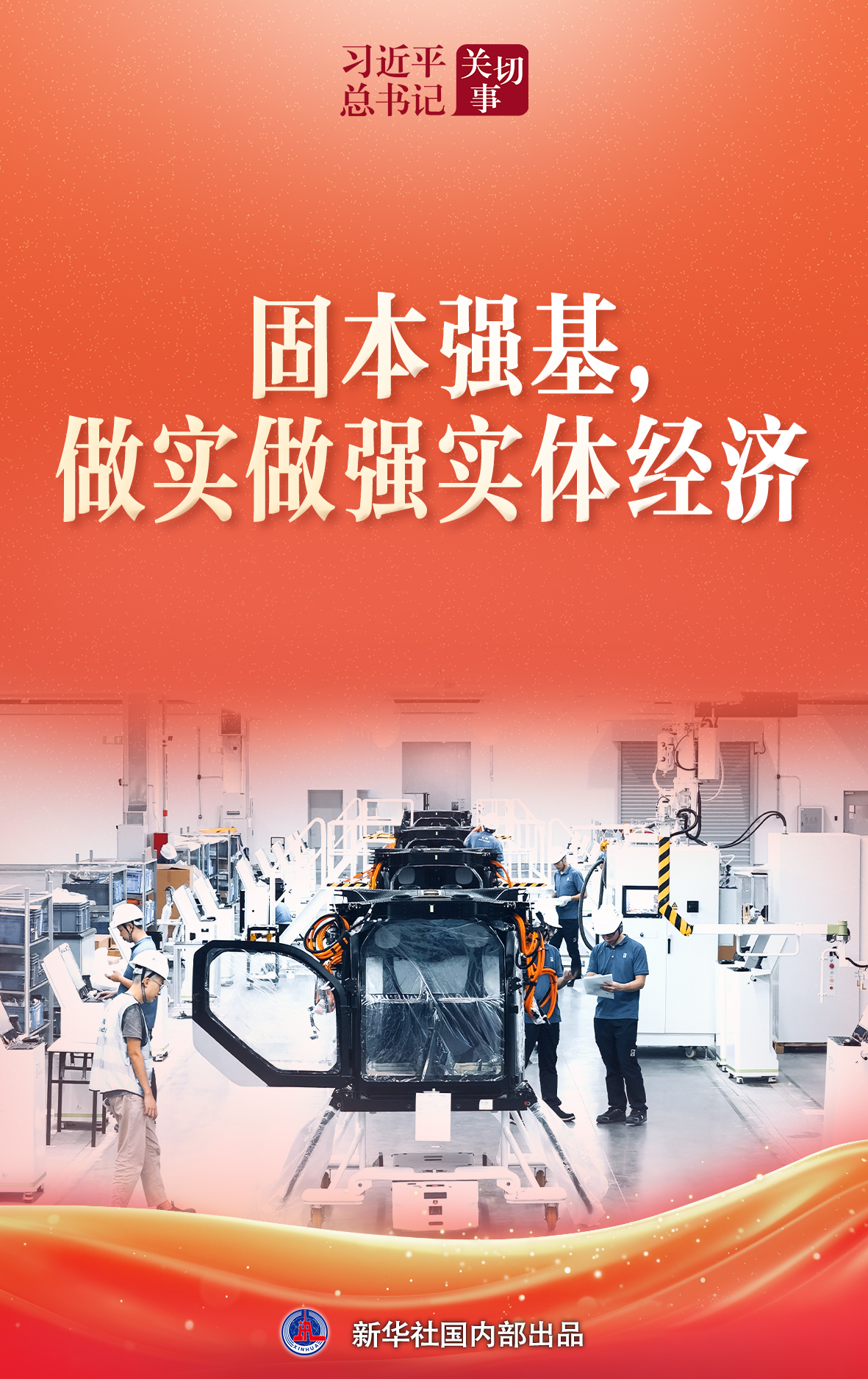
“老牌”焕新“新兴”成势 宜昌猇亭打造产业发展新格局
Zhong Guo Xin Wen Wang· 2026-01-30 07:12
Core Insights - The article highlights the significant advancements in the Xiaoting District's new energy and high-end equipment industries during the 14th Five-Year Plan, showcasing a transition from "catching up" to "leading" in regional economic development [1] Traditional Industry Upgrade - Xiaoting District has revitalized traditional industries through technological upgrades and innovation, with key companies like Yihua Chemical Machinery investing CNY 5.08 billion in a smart manufacturing project, set to become the largest chemical equipment manufacturing base in Central China by 2024 [3] - Qifan Cable has achieved a milestone by producing a continuous length of 35 kilometers of 220 kV submarine cable, delivering a total of approximately 200 kilometers of submarine cables in 2024, demonstrating advanced manufacturing capabilities [3] - Guocheng Coating Plate has increased its annual production from 460,000 tons to 720,000 tons and revenue from CNY 1.96 billion to CNY 4.4 billion, with high-end products making up 45% of its output [5] Emerging Industry Growth - The district has supported the growth of companies like GAC Trumpchi and Beidike Lingyun, attracting leading enterprises such as Faraday Future, fostering a cluster development in the new energy and high-end equipment sectors [5] - GAC Trumpchi's Yichang base has seen production rise, with cumulative sales expected to exceed 490,000 vehicles by the end of 2025, earning accolades as a benchmark smart factory in the automotive industry [5] - Beidike Lingyun has become the largest civil aircraft maintenance base in Central China, establishing a circular economy in aircraft maintenance and modification [7] Future Industry Cultivation - Xiaoting District is focusing on low-altitude economy as a core area for future industry development, attracting leading companies and enhancing the industrial ecosystem [8] - The Guangdong Gaoyu flying car project, set to establish a strategic base in Xiaoting, aims to create a benchmark for low-altitude economy, facilitating local production of flying cars and fostering industry cluster effects [8] - Yichang Stana Aviation Technology Co., a leader in low-altitude economic components, has achieved dual certification from the FAA and CAAC, marking a significant technological milestone in the industry [8] Conclusion - As the 14th Five-Year Plan concludes, Xiaoting District's new energy and high-end equipment industries have shown remarkable growth, with traditional industries revitalized, emerging industries forming clusters, and future industries being strategically developed [10]
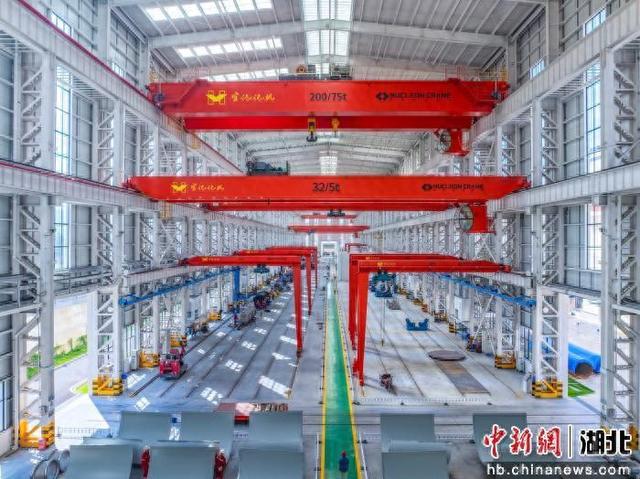
小鹏汇天飞行汽车制造公司增资至9亿,增幅约38%
Sou Hu Cai Jing· 2025-12-29 06:00
Group 1 - The core point of the article is that Guangzhou Huitian Flying Car Manufacturing Co., Ltd. has increased its registered capital from 650 million RMB to 900 million RMB, representing an increase of approximately 38% [1] Group 2 - The company was established in August 2024 and is legally represented by Zhao Deli [1] - The business scope includes manufacturing of industrial automatic control system devices, technology intermediary services, and development of artificial intelligence theories and algorithm software [1] - Guangzhou Huitian Flying Car Manufacturing Co., Ltd. is wholly owned by Guangdong Huitian Flying Car Co., Ltd., which is a wholly-owned subsidiary of HT Flying Car (Hong Kong) Limited under Xiaopeng Motors [1]

广州汇天飞行汽车:注册资本增至9亿,增幅约38%
Sou Hu Cai Jing· 2025-12-29 05:49
Core Insights - Guangzhou Huitian Flying Car Manufacturing Co., Ltd. has significantly increased its registered capital from 650 million RMB to 900 million RMB, representing an approximate increase of 38% [1] - The company was established in August 2024 and is legally represented by Zhao Deli, with its business scope including the manufacturing of industrial automatic control system devices [1] - Guangzhou Huitian Flying Car Manufacturing is wholly owned by Guangdong Huitian Flying Car Co., Ltd., which is a wholly-owned subsidiary of HT Flying Car (Hong Kong) Limited, under Xiaopeng Motors [1]
从让汽车飞起来到星箭制造,解码广州开发区“天空之城”产业版图
Xin Lang Cai Jing· 2025-12-19 10:11
Core Insights - The low-altitude economy in Huangpu District is rapidly developing, with a complete industrial chain from core component research and development to manufacturing and application [3][10][11] - EHang Intelligent has become the first company globally to obtain all four necessary certifications for commercial operation of unmanned aerial vehicles (UAVs) [11][12] - The establishment of the world's first mass production line for flying cars by XPeng Heavens marks a significant milestone in the industrialization of aviation manufacturing [6][10] Group 1: Low-Altitude Economy Development - The low-altitude economy in Huangpu District has formed an industrial cluster led by companies like EHang Intelligent and XPeng Heavens, with a total output value reaching 148 billion yuan [3][10] - Huangpu District has launched 16 typical application scenarios and 55 specific opportunity lists for the low-altitude economy, covering various fields such as agriculture and meteorology [16][18] - The district's low-altitude industry chain output value is expected to grow from 130 billion yuan in 2023 to 148 billion yuan in 2024, with further increases anticipated in 2025 [10][11] Group 2: Technological Innovations - XPeng Heavens' flying car production facility has a planned annual capacity of 10,000 units, with an initial capacity of 5,000 units, making it the first factory capable of mass-producing flying cars [6][10] - The factory features innovative production processes, including the world's first power assembly detection line, which enhances production efficiency [8][10] - The integration of automotive assembly lines into aviation manufacturing is a groundbreaking development that aims to reduce costs to a more affordable range for families [6][10] Group 3: Commercialization of UAVs - EHang Intelligent's EH216-S has become the first unmanned aerial vehicle in China approved for commercial operation, marking a significant step towards the commercialization of low-altitude economy [11][12] - The company plans to gradually open eVTOL flight services to the public, with a focus on safety and stability during the transition to regular commercial operations [14][16] - EHang has conducted 1,923 flight activities this year, covering a total flight time of 243 hours and a distance of 3,760.57 kilometers [16] Group 4: Infrastructure Development - Huangpu District has established a comprehensive low-altitude infrastructure network, including 22 small take-off and landing points and a low-altitude management service platform [21][23] - The district's low-altitude route network includes three hubs, nine landing sites, and numerous take-off points, facilitating various air transport services [21][23] - The construction of the Knowledge City Aerospace Manufacturing Equipment Park is underway, with a focus on developing low-altitude management and safety systems [25][26] Group 5: Commercial Aerospace Initiatives - The Guangzhou Aerospace Town project aims to create a deep integration of industry and city, focusing on rocket manufacturing and satellite development [28][30] - The project has attracted leading companies like China Aerospace Science and Technology Corporation, which will establish production bases for reusable rocket engines [29][30] - The establishment of a world meteorological center in Huangpu District enhances the safety and operational efficiency of low-altitude flights [26][27]

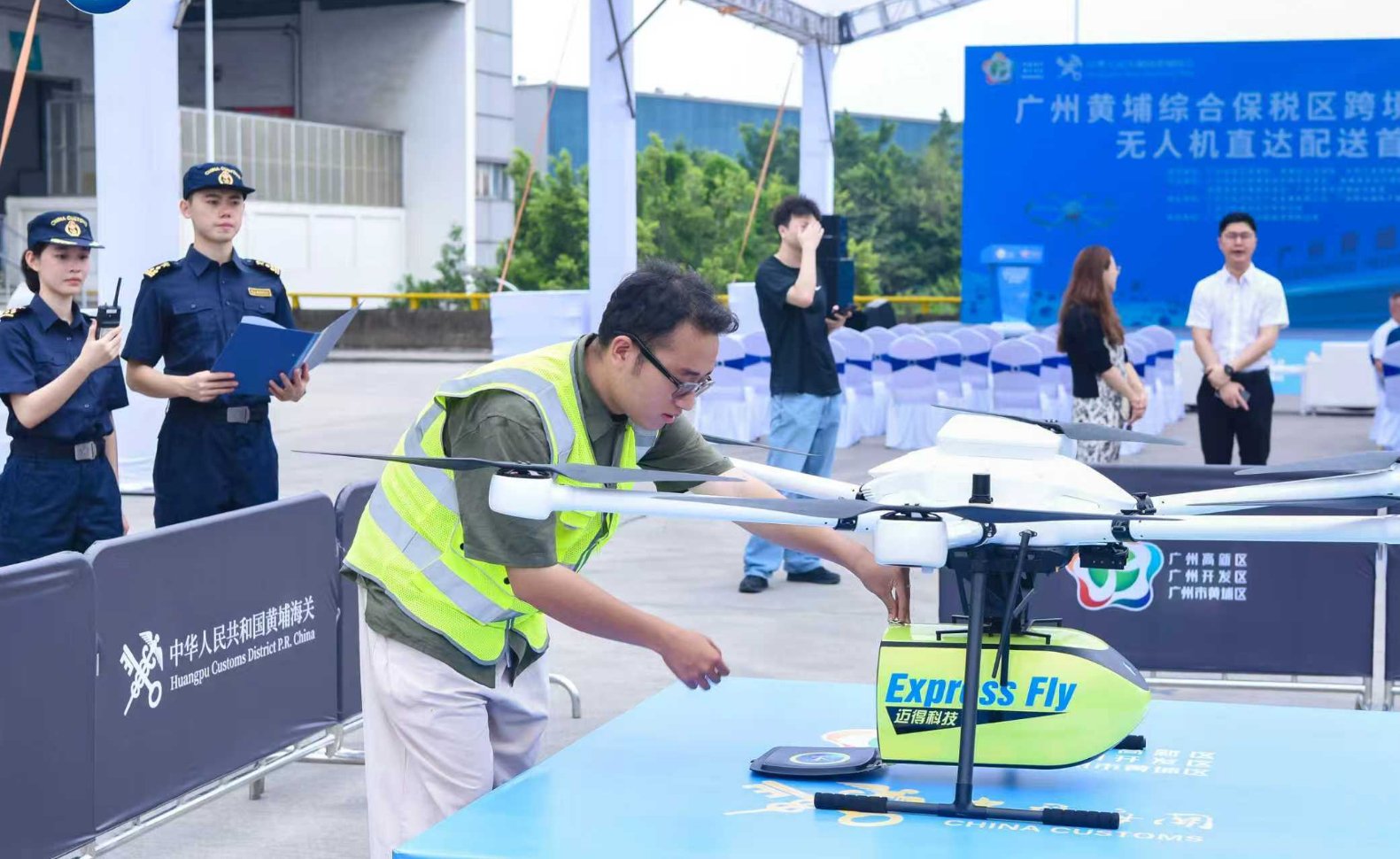
具备“万辆级”产能!进入新阶段→
中国能源报· 2025-11-12 10:33
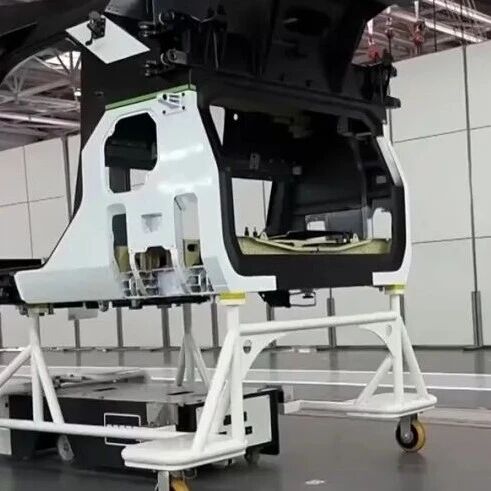
Core Viewpoint - The establishment of the first electric vertical takeoff and landing (eVTOL) flying car factory in Guangzhou marks a significant milestone in the low-altitude economy, indicating the entry of such products into large-scale manufacturing in China [1][5]. Group 1: Manufacturing Capabilities - The factory has a production capacity of "tens of thousands" of units, which is a notable achievement in the domestic market for flying cars [1]. - Automated Guided Vehicles (AGVs) are utilized in the factory to transport the core components of the flying cars, ensuring consistency in the production line and laying the groundwork for future large-scale production [1]. Group 2: Research and Development - The development process of flying cars incorporates methodologies from the automotive industry, specifically using a "multi-aircraft parallel test flight" approach to shorten the validation cycle [3]. - After completing the necessary validations and obtaining airworthiness certification, the factory plans to gradually transition from small-batch verification to large-scale manufacturing [5].
首个飞行汽车工厂落地广州
Yang Shi Xin Wen· 2025-11-12 08:20
Core Viewpoint - The first electric vertical takeoff and landing (eVTOL) flying car factory with a production capacity of "ten thousand units" has entered the trial production phase in Guangzhou, marking the first large-scale manufacturing of such products in the domestic low-altitude economy sector [1] Group 1 - The factory represents a significant milestone in the development of the eVTOL industry in China [1] - This development indicates a shift towards the commercialization and mass production of flying cars, which could impact the future of urban transportation [1] - The entry into trial production suggests that the technology and infrastructure for eVTOLs are advancing rapidly in the region [1]
每30分钟可下线一台飞行器 全球首个飞行汽车量产工厂试产
Zhong Guo Min Hang Wang· 2025-11-03 11:37
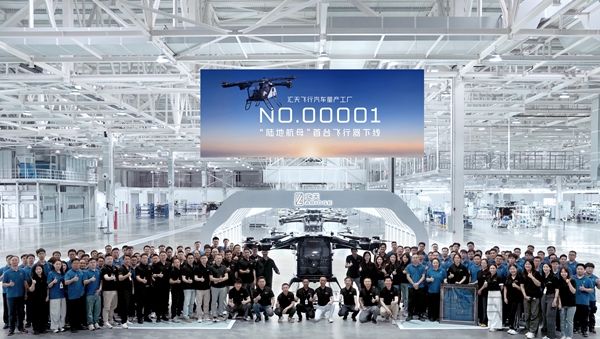
Core Insights - The successful trial production and rollout of the first "land aircraft carrier" flying vehicle at Xiaopeng Huitian's manufacturing facility in Guangzhou marks the establishment of the world's first mass production line for flying cars, utilizing modern assembly line techniques for large-scale production [1][15] Group 1: Manufacturing Capabilities - The factory has a production capacity of one flying vehicle every 30 minutes when operating at full capacity, with a planned annual output of 10,000 units and an initial capacity of 5,000 units, making it the first flying car manufacturing facility with a "ten-thousand level" annual capacity [2] - The facility integrates automotive assembly line principles into the aviation sector, achieving significant advancements in scale, efficiency, and quality consistency [2][15] - The factory operates under the principles of "delicate, intelligent, and green," utilizing photovoltaic power generation and energy-efficient equipment to significantly reduce carbon emissions [2] Group 2: Manufacturing Process Innovations - The facility features five core workshops: composite materials, power, connections, painting, and final assembly, which combine high-quality aviation standards with the efficiency of automotive manufacturing [6][15] - The composite materials workshop is set to produce 300 tons of key carbon fiber components annually, establishing itself as one of the largest manufacturers of aviation carbon fiber parts globally [6] - The power workshop includes the world's first power assembly detection line, which innovatively combines electric drives and propellers, reducing errors and enhancing flight safety [7] Group 3: Advanced Technologies - The connection workshop employs unique cold connection techniques, such as riveting and adhesive bonding, to achieve lightweight and high-strength assembly of the flying vehicle's airframe [10] - The painting workshop utilizes a complex "8C6B" spraying process, allowing for up to eight layers of coating, significantly enhancing the aesthetic and performance of the flying vehicle [11][13] - The final assembly workshop employs a pioneering cloud-based intelligent calibration detection technology, enabling automated testing and calibration of the flying vehicle's autonomous functions and flight control systems [14] Group 4: Industry Impact - The successful trial production of the flying car manufacturing facility signifies a leap from "handcrafted production" to "mass production" in China's low-altitude economy, highlighting the country's global leadership in the aviation industry [15] - Guangdong province aims to leverage its complete industrial chain and manufacturing advantages to create a model for "ground + air" transportation, contributing to the development of a world-class industrial cluster in the Guangdong-Hong Kong-Macao Greater Bay Area [15]
年产能“万辆级”!全球首个飞行汽车量产工厂试产,就在广州
Nan Fang Du Shi Bao· 2025-11-03 09:38
Core Insights - Xiaopeng Huitian has successfully launched the world's first mass production line for flying cars, marking a significant milestone in the aviation and automotive industries [1][3]. Group 1: Production Capacity and Technology - The flying car production facility in Guangzhou covers approximately 120,000 square meters and is designed for the production of the "land aircraft carrier" flying vehicle, with a planned annual capacity of 10,000 units and an initial capacity of 5,000 units [3]. - This facility is the first in the world to achieve a production capacity of "ten thousand units" per year for flying cars, with a production line capable of producing one flying vehicle every 30 minutes at full capacity [3]. - The factory integrates automotive assembly line techniques into the aviation sector, achieving significant advancements in scale, efficiency, and quality consistency [3][4]. Group 2: Environmental and Manufacturing Innovations - The factory operates under the principles of "delicate, intelligent, and green," utilizing solar power and energy-efficient equipment to significantly reduce carbon emissions [3]. - Several breakthroughs in manufacturing processes have been achieved, including the development of a new type of airbag and high-pressure blow molding technology, resulting in lightweight and high-strength components that meet aviation-grade standards [3]. - The power workshop features the world's first power assembly detection line, innovating the semi-automatic assembly and fully automatic detection of electric drives and propellers, thereby minimizing errors from the outset [3]. Group 3: Market Implications - By reconstructing manufacturing processes with automotive industry methodologies, Xiaopeng Huitian has successfully integrated mature automotive production systems and supply chain management with aviation-grade quality, indicating a capability for large-scale and stable production [4]. - The subsequent production from this facility is expected to optimize manufacturing costs and ensure capacity for commercial operations, accelerating the arrival of the personal flying era [4].