
食品与农业

Search documents
2025全球家族财富榜出炉:沃尔顿家族以5134亿美元稳居第一
3 6 Ke· 2025-12-18 07:48
Group 1 - The Walton family, founders of Walmart, tops the global wealth list with a net worth of $513.4 billion, marking the first time their wealth exceeds $500 billion [1][7] - The total wealth of the top 25 richest families globally increased by $358.7 billion over the past year, reaching a combined net worth of $2.9 trillion [2] - The entry threshold for the list reached a historical high of $46.4 billion, an increase of $9.7 billion from the previous year [2] Group 2 - Walmart generated $681 billion in revenue from over 10,750 stores worldwide in the last fiscal year, serving 270 million customers weekly [4] - The Al Nahyan family, ruling in the UAE, has significant control over the country's oil wealth and has diversified investments, including in AI [6][9] - The Koch family, through Koch Industries, has a revenue of approximately $125 billion, managing their wealth through a family office [17][24] Group 3 - The Mars family, known for their candy and pet care products, has a wealth of $143.4 billion, with pet care now accounting for over half of their revenue [20][25] - The Ambani family, controlling Reliance Industries, has a net worth of $105.6 billion, with significant assets in oil refining [23][26] - The Ferrero family, with a wealth of $54.9 billion, has expanded their business through acquisitions, including the purchase of Kellogg's US candy business [57][60]



上海美国商会会长郑艺:在华美企感受到了营商环境的改善
Di Yi Cai Jing Zi Xun· 2025-09-12 06:53
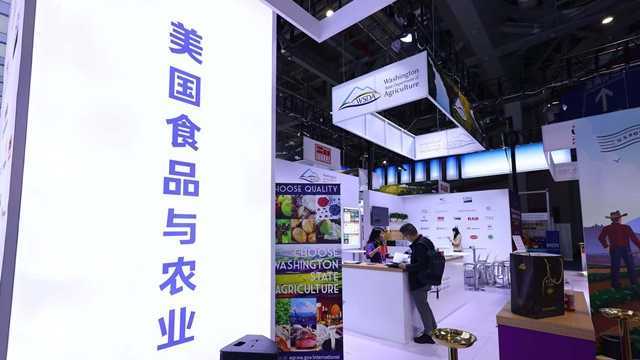
Group 1 - The core finding of the report indicates that 71% of surveyed American companies in China expect to be profitable in 2024, an increase from 66% in 2023, reflecting an improvement in the business environment [1] - 48% of respondents believe that the regulatory environment in China is transparent, a significant increase of 13 percentage points from the previous year [1] - 41% of companies express confidence in further market opening in China, showing a notable rise compared to last year [1] Group 2 - The report highlights that 64% of surveyed American companies anticipate a decline in revenue due to the tariff war, with 48% calling for the cancellation of all tariffs and non-tariff barriers against China [1] - The U.S. Trade Representative's office extended the tariff exemption for 178 products from China until November 29, 2025, amidst ongoing legal disputes regarding tariffs [3] - The president of the Shanghai American Chamber of Commerce emphasizes the importance of reducing uncertainty for businesses and advocates for cooperation in international trade [3] Group 3 - The report identifies "local competition" as the second-largest challenge for American companies in China, following bilateral relations, indicating the growing strength of Chinese enterprises [5] - 41% of surveyed American companies believe that Chinese firms are more advanced in the application of artificial intelligence (AI), particularly in retail and consumer goods [5] - In the automotive sector, over half of the respondents view Chinese companies as competitive in AI technology, with a focus on autonomous driving and AI-driven supply chain optimization [5] Group 4 - The president of the Shanghai American Chamber of Commerce notes that normal competition is reasonable and appreciates the Chinese government's efforts to address issues of irrational competition [6] - He highlights the need for international agreements and governance rules in the field of AI to address potential challenges [6] - The three areas where China and the U.S. must collaborate include AI governance, climate change, and public health [6] Group 5 - The Shanghai American Chamber of Commerce plans to participate in the upcoming China International Import Expo, focusing on agriculture, with an expanded exhibition area compared to last year [7] - Last year, American companies achieved $711 million in cooperation intentions at the expo, a 41% increase from the previous year, and aim to surpass this record [7] - The chamber believes that participation in the expo is significant for fostering U.S.-China relations, despite existing challenges such as tariffs and government spending cuts [7]
上海美国商会报告:贸易战并未触发大量美企回流美国
Di Yi Cai Jing· 2025-09-11 00:40
Group 1 - The report indicates that 71% of surveyed companies expect to achieve profitability in 2024, an increase from 66% in 2023, with significant differences across industries: 80% in manufacturing, 69% in retail, and 55% in services [1][2] - 48% of surveyed companies perceive the regulatory environment in China as transparent, a notable increase of 13 percentage points from the previous year [2] - 39% of surveyed U.S. companies believe they have benefited from government measures to promote consumption in China, while 37% see positive effects from market opening initiatives [2] Group 2 - Nearly half (48%) of surveyed companies call for the U.S. government to eliminate all tariffs on Chinese goods, with 64% expecting revenue declines due to the tariff war [4][5] - 69% of surveyed companies anticipate negative impacts on their operations if the U.S. were to revoke China's permanent normal trade relations status, with manufacturing being the most affected sector at 78% [5] - The report highlights that only 18% of companies considered relocating investments to the U.S., indicating that the trade war has not significantly triggered a return of U.S. companies [5]