《十面埋伏》

Search documents
孙楚泊邀多位好友赴音乐之约!市民为送到“家门口”的艺术点赞
Xin Lang Cai Jing· 2026-01-17 12:35
Core Viewpoint - The event "Riverbank Concert" held at the Beijing Grand Canal Museum featured performances by renowned artists, showcasing the integration of art into the lives of the public [1] Group 1: Event Details - The concert was attended by notable artists including Sun Chubo, Liu Xi, and Luo Yi, who traveled from Shanxi to perform [1] - The performance included classic pieces such as "Driving the Horses to Transport Grain," "Boiling Yellow Earth," and "Celebrating the Harvest," which received enthusiastic applause from the audience [1] Group 2: Public Reception - The event was well-received by the public, with attendees expressing appreciation for the accessibility of art in their daily lives [1]


中国电影出海,到底还要过几道坎?
3 6 Ke· 2025-12-22 09:20
Core Insights - The article discusses the overseas performance of Chinese films, particularly focusing on "Ne Zha 2," which has achieved significant milestones in international box office revenue [2][5]. Group 1: Box Office Performance - "Ne Zha 2" has generated over $50 million in overseas box office, approximately 400 million RMB, accounting for about 2.5% of its global box office [2]. - The highest-grossing Chinese film overseas is "Crouching Tiger, Hidden Dragon," which earned $213 million, followed by "Hero" and "House of Flying Daggers" with $149 million and $80 million, respectively [5][8]. - Most of the top-performing Chinese films in overseas markets were released between 2000 and 2010, indicating a historical trend in the industry's international success [8]. Group 2: Cultural and Market Challenges - The article highlights that despite the growth of Chinese films in international markets, there is still significant room for improvement [5][21]. - Cultural barriers are identified as a primary obstacle for Chinese films in gaining traction overseas, as many cultural references may not resonate with international audiences [23][31]. - The lack of robust infrastructure for film distribution and marketing in international markets is a critical issue, limiting the potential success of Chinese films abroad [34][39]. Group 3: Industry Infrastructure - The article emphasizes the importance of a well-established distribution network for the success of films in international markets, noting that only 10%-20% of films produced globally make it to theaters [41]. - The distribution capabilities of major studios like Disney are highlighted as a key factor in their global success, contrasting with the limited resources available to Chinese films [42]. - The financing and risk management mechanisms in the Chinese film industry are underdeveloped, making it difficult for filmmakers to venture into international markets [44][48]. Group 4: Future Prospects - The article calls for a more ambitious approach from the Chinese film industry to enhance its global presence, suggesting that the production of high-quality films comparable to international standards is essential [50][60]. - It stresses the need for the industry to focus on internal development and quality improvement to be prepared for future opportunities in international markets [60].

“好久不见”,金城武
Hu Xiu· 2025-10-06 01:42
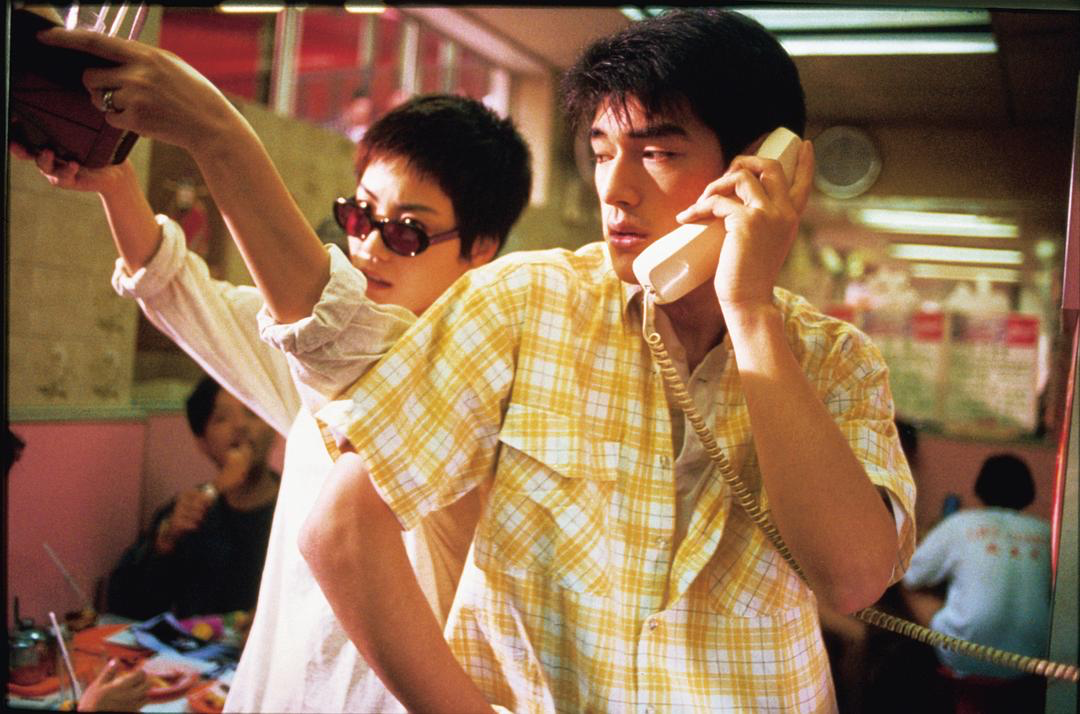
Core Points - The article discusses the enigmatic persona of actor Takeshi Kaneshiro, highlighting his transition from a prominent film star to a more reclusive figure in the entertainment industry [5][7][51] - It reflects on the evolution of the film industry in Asia, particularly the rise and fall of Hong Kong cinema, and how Kaneshiro's career has been intertwined with these changes [30][32][41] Group 1: Takeshi Kaneshiro's Career - Takeshi Kaneshiro gained fame in the 1990s, becoming a symbol of beauty in Asian cinema, with notable performances in films like "Chungking Express" [8][22] - His unique appeal allowed him to transcend cultural barriers, achieving recognition in Hong Kong, Taiwan, and Japan [19][21] - Kaneshiro's involvement in high-grossing films, such as "Not One Less" and "Chungking Express," significantly contributed to his status as an international star [23][30] Group 2: The Changing Landscape of Asian Cinema - The article notes the significant shift in the film industry post-2000, with the emergence of the Chinese market as a dominant force, leading to a decline in Hong Kong cinema [30][31][41] - Kaneshiro's participation in major films like "Hero" and "House of Flying Daggers" reflects the industry's focus on international appeal and box office success [30][35] - The rise of internet companies in film production has altered the investment landscape, impacting the types of projects being developed [44][49] Group 3: Kaneshiro's Personal Philosophy - Kaneshiro has expressed a reluctance to embrace the celebrity lifestyle, preferring to focus on his craft as an actor rather than engage in promotional activities [51][55] - His approach to acting is characterized by a desire for authenticity, often questioning character motivations and seeking depth in his roles [62][63] - The article emphasizes Kaneshiro's choice to maintain a low profile in an era dominated by social media and public personas, highlighting his commitment to his work over fame [63][64]
一座自带“电影滤镜”的城市 重庆也太出片了
Yang Shi Xin Wen· 2025-07-04 02:50
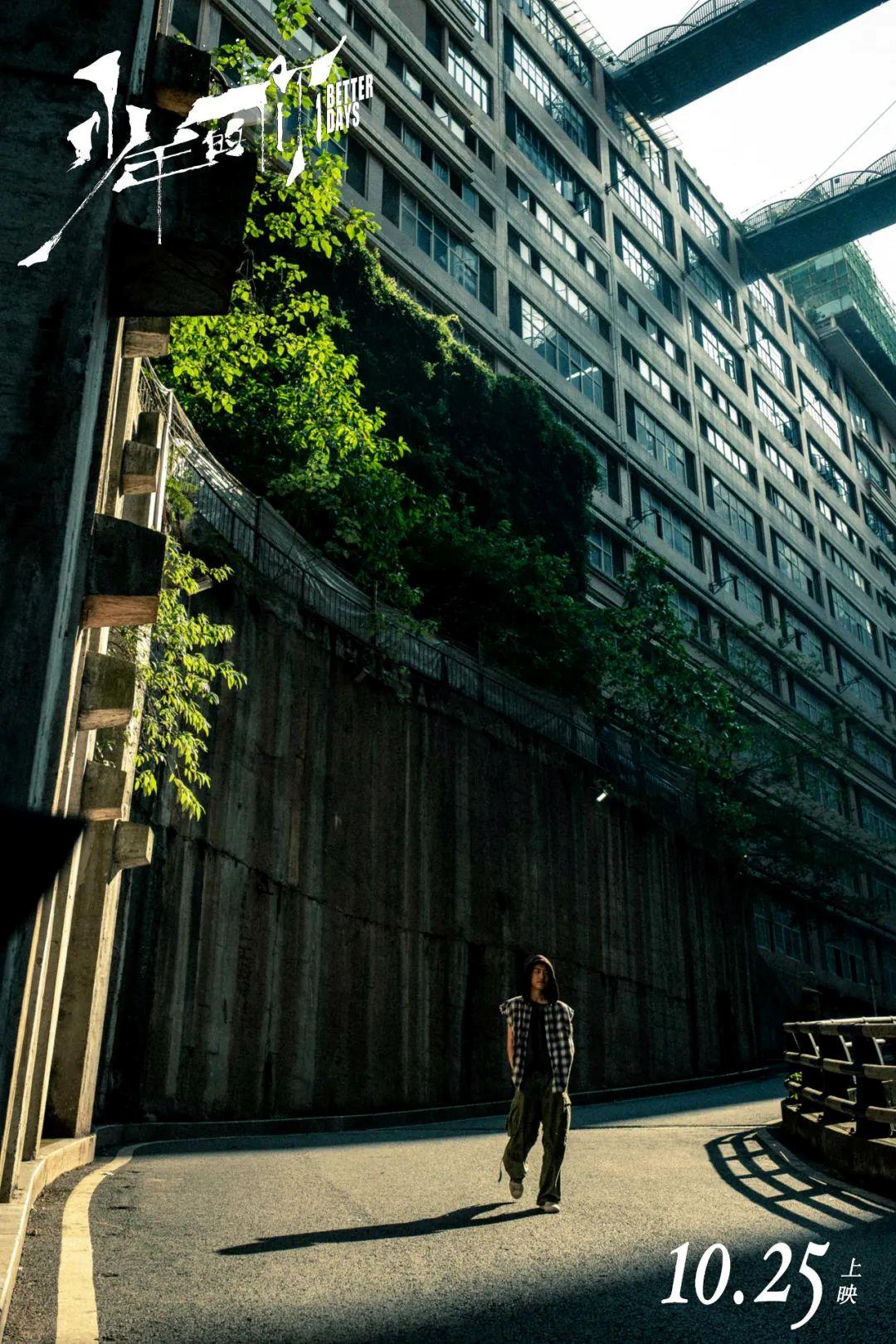
Core Insights - The 2025 Shanghai Cooperation Organization Film Festival opened in Yongchuan, Chongqing, marking China's second hosting of the event in seven years [1] - Chongqing has become a popular filming location, with over 500 films shot in the city over the past decade, showcasing its unique landscapes and urban features [1] Group 1: Filming Locations - The city features iconic filming locations such as the Kuixing Tower from "Better Days," which has become a popular tourist spot [2][3] - The Sujiaba Interchange, known for its height of 72 meters, is a frequent backdrop in films like "Crazy Stone" [10][13] - The Tongyuanju Light Rail Station, featured in "From Your World," is noted for its reflective glass wall, making it a great spot for selfies [15] - The Qiansimen Bridge, prominently featured in "Hot Pot Hero," is known for its accessibility to tourists during holidays [20][23] - The Tea Mountain Bamboo Sea, a filming location for "House of Flying Daggers," is celebrated for its lush bamboo scenery [33][36] Group 2: Cultural Significance - Chongqing's unique geography and urban atmosphere make it an ideal setting for genres like suspense and fantasy, as seen in films like "Assassin in Red" [27] - The Dazhu Stone Carvings, a UNESCO World Heritage site, were showcased in the film "Beneficiary," highlighting local cultural heritage [30] - The Yongchuan Science Film Studio, a leading facility in the western region, was a key location for the film "Wild Times," which has garnered attention at international film festivals [44][47]
美国好莱坞重温《卧虎藏龙》 李安、章子怡对话杨燕子
Zhong Guo Xin Wen Wang· 2025-05-12 01:31
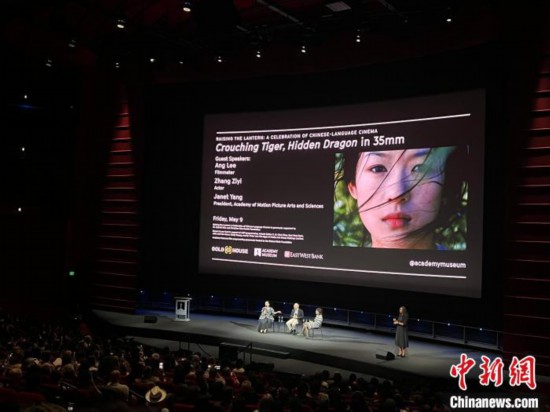
Core Points - The 25th anniversary celebration of "Crouching Tiger, Hidden Dragon" took place in Los Angeles, featuring director Ang Lee and actress Zhang Ziyi in a dialogue with Janet Yang, the president of the Academy of Motion Picture Arts and Sciences [1][3] - The event is a highlight of the Hollywood celebration "Lanterns: A Celebration of Chinese Language Cinema," coinciding with the annual Asian Pacific American Heritage Month [3] - The Academy is showcasing 10 Chinese-language films from April 10 to May 24, including "Crouching Tiger, Hidden Dragon," which won four Oscars at the 73rd Academy Awards [3] Industry Insights - The Academy of Motion Picture Arts and Sciences has announced the establishment of the Janet Yang Film Fund to preserve and honor Asian and Asian American filmmakers, recognizing their contributions to cinema [3] - The celebration includes the re-screening of notable films directed by prominent filmmakers such as Ang Lee, Zhang Yimou, Chen Kaige, and Wong Kar-wai, highlighting the impact of Asian cinema in Hollywood [3]
上映三个月,《哪吒2》怎么还能单日大盘第一?
3 6 Ke· 2025-05-09 02:32
Core Viewpoint - The article discusses the ongoing issue of box office manipulation in Chinese cinemas, particularly focusing on the recent "补票房" (supplementing box office) actions taken by cinemas that were found to have engaged in fraudulent practices during the Spring Festival period. This has led to significant financial implications for the industry, with the total amount of supplementary box office exceeding 2 billion yuan, marking one of the largest actions of its kind in history [1][5]. Group 1: Box Office Manipulation - "补票房" actions are a response to cinemas that engaged in fraudulent practices, such as inflating box office numbers, which were discovered through big data analysis [3][5]. - The concept of "影厅服务费" (theater service fee) was introduced to compensate cinemas for the operational costs of special screening rooms, but some cinemas exploited this by charging excessive fees that did not contribute to the official box office [4][5]. - The recent crackdown on these practices has revealed that many cinemas were charging service fees exceeding 30%, violating established regulations [5][6]. Group 2: Historical Context of Box Office Fraud - The term "偷票房" (stealing box office) refers to cinemas underreporting ticket sales to retain a larger share of revenue, a practice that has been prevalent since the implementation of the revenue-sharing system [6][8]. - The first major public awareness of box office fraud occurred with the release of "Avatar" in 2010, where it was estimated that over 20% of ticket sales were unreported [8]. - "挪票房" (moving box office) is another fraudulent practice where ticket sales from one film are reported under another, often to meet funding requirements or revenue-sharing agreements [9][10]. Group 3: Regulatory Measures and Industry Response - In response to the rampant box office fraud, the National Film Administration has implemented stricter regulations and is utilizing advanced technology for monitoring and enforcement [15][16]. - The industry has seen a reduction in the scale of box office fraud, with estimates suggesting that currently about 4% of total box office revenue may still be unreported [15][16]. - The involvement of fans and the public in monitoring box office practices has been highlighted as a significant factor in increasing transparency and accountability within the industry [14].