
《宝可梦大集结》

Search documents
狂薅腾讯5年羊毛?天美一工作室被曝关闭
3 6 Ke· 2026-02-27 01:47
Core Viewpoint - TiMi Montréal studio, a significant part of Tencent's gaming strategy, has been reported to be closed, raising questions about the company's commitment to developing AAA games internationally [1][3][4]. Group 1: Studio Closure and Background - TiMi Montréal studio was established five years ago and attracted notable talent, including Ubisoft's creative director Ashraf Ismail, known for his work on major titles like Assassin's Creed [1][3]. - Despite having a strong talent pool, the studio has not released any original games, focusing instead on projects like Pokémon Unite and Call of Duty Mobile, leading to disappointment among players and employees [3][4]. Group 2: Market Environment and Strategic Decisions - The closure of TiMi Montréal reflects a broader trend among Chinese tech companies, including ByteDance and NetEase, which have also scaled back their overseas operations due to market challenges [4][5]. - The gaming market is evolving, with a shift towards casual games, making the development of AAA titles increasingly risky and costly, as evidenced by the financial struggles of various studios [7][8]. Group 3: Future Implications for Tencent - Tencent's strategy appears to be shifting towards leveraging established IPs for stable revenue rather than investing heavily in new studios, as seen in their collaborations with Ubisoft [8][10]. - The company is likely to focus more on AI and diversified business strategies, which may yield greater influence and recognition than solely relying on AAA game development [10][11]. Group 4: Conclusion on Studio Closures - The decision to close TiMi Montréal may be a temporary pause rather than a permanent retreat, as the company reassesses its strategy in light of changing market conditions and technological advancements [12][14].


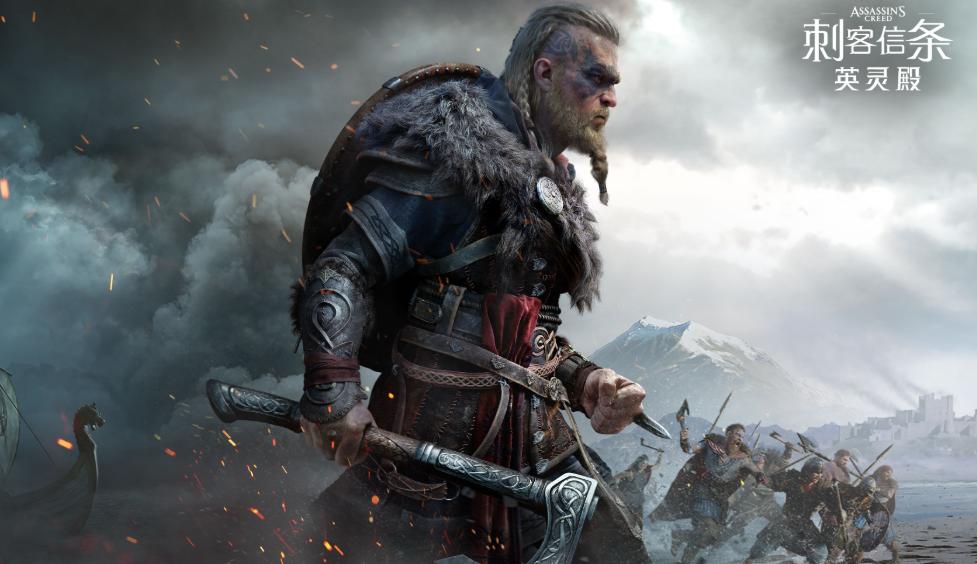
腾讯字节,同时踩下刹车
3 6 Ke· 2026-02-25 11:54
Core Viewpoint - The overseas gaming expansion efforts of major Chinese companies like Tencent and ByteDance are being paused, with a noticeable shift in focus towards artificial intelligence (AI) technologies [1][4]. Group 1: Tencent's Actions - Tencent's Montreal studio, established in 2021, has ceased operations, marking a significant change in its overseas gaming strategy [2][5]. - The Montreal studio was intended to develop high-quality, open-world games but failed to produce original titles, instead focusing on localizing existing IPs [2][3]. - Tencent's shift towards AI is evident, with significant investments in AI technologies and features integrated into its existing platforms, such as the introduction of the "Yuanbao AI" during the Spring Festival [4][5]. Group 2: ByteDance's Strategy - ByteDance is reportedly in final negotiations to sell its gaming division, Shanghai Mutong Technology, to Savvy Games Group, with an estimated valuation of $6-7 billion (approximately 42-49 billion RMB) [2][3]. - The acquisition of Mutong Technology in 2021 for $4 billion was aimed at leveraging its successful game "Mobile Legends: Bang Bang," but the integration has not met expectations, leading to a strategic pivot towards casual gaming and user-generated content [3][4]. Group 3: Industry Trends - The trend of pausing overseas expansions is not isolated to Tencent and ByteDance; other companies like NetEase are also closing their overseas studios [5]. - The industry is moving from a "heavy asset self-research" model to a "light asset cooperation" approach, focusing on partnerships and IP acquisitions to reduce risks and shorten monetization paths [5][6]. - AI technology is significantly impacting game development, lowering the barriers for creating mid-tier games, allowing smaller teams to produce content more efficiently [6].
投资上亿,结果0作品?前育碧创意总监领导的腾讯海外工作室关闭
Sou Hu Cai Jing· 2026-02-23 07:48
Group 1 - Tencent's North American studio, TiMi Montreal, has quietly ceased operations, confirmed by employees on LinkedIn despite no official announcement [1][3] - Established in 2021 and led by Ashraf Ismail, the studio aimed to create AAA, open-world, cross-platform games but has not released any complete titles in five years [3][6] - The studio primarily worked on internal projects and adaptations of existing IPs, such as "Pokémon Unite" and "Call of Duty Mobile," rather than developing original content [3][5] Group 2 - The failure to produce a new IP is a significant issue for a studio focused on AAA development, as the expectation is to create a major console-level game [6] - The gaming industry recognizes that AAA game development is extremely costly and time-consuming, often taking over five years for a mature project [7] - TiMi Montreal's challenges may stem from shifting directions and poorly defined project goals, leading to many unproductive ideas during the pre-research phase [9] Group 3 - The closure of TiMi Montreal reflects a broader trend among Chinese gaming companies, including NetEase, which are downsizing or closing overseas studios due to high labor costs and uncertain returns [10] - In North America, the annual salary for a senior developer can be several times higher than in China, resulting in astronomical labor costs for large teams [10] - The perception that investing heavily guarantees the creation of AAA titles is being reevaluated, as success relies more on systems, experience, and long-term accumulation rather than merely financial investment [12]
IP行业深度汇报:复盘两大长青IP,看跨越周期的IP生命力
2025-10-19 15:58
Summary of Key Points from the Conference Call Industry Overview - The IP industry is viewed as a promising direction for investment in 2025, with current market valuations returning to reasonable low levels. The Chinese IP industry is still in its early development stage, presenting a rare investment opportunity characterized by both certainty and growth potential [2][19]. Company Insights: Sanrio - Sanrio's development history is divided into four key stages: 1. **Startup Period (1960-1990)**: Founded by Shintaro Tsuji, initially focused on silk products and wine, later entering the cartoon character merchandise sector with the introduction of Hello Kitty in 1973 [3][7]. 2. **Breakthrough Period (1991-1994)**: Revenue declined due to Japan's economic downturn, but Hello Kitty's popularity among high school girls and young professionals led to a revenue peak [7]. 3. **Transformation Period (2001-2012)**: Faced with domestic market fatigue, Sanrio expanded into overseas markets through celebrity endorsements and localized product development, achieving breakthroughs in Europe and America [7]. 4. **Reform Period (2013-Present)**: With the rise of new IPs in the internet era, a global IP platform strategy was introduced in 2020, focusing on collaborative marketing across various channels, leading to significant revenue growth [7]. Key Strategies for IP Longevity - Continuous innovation and localized design are crucial for maintaining IP vitality, as demonstrated by Hello Kitty's annual themes and region-specific designs [1][8]. - A diversified IP matrix and comprehensive marketing strategies are essential. Sanrio utilizes systematic planning of character combinations and global promotion through social networks, enhancing brand value through cross-industry collaborations [1][4][8]. - Sanrio's "Sanrio Research Institute" engages fans and celebrities in co-creating characters, successfully launching new characters like Hanazono Maru [11]. Future Goals and Expansion - Sanrio aims to increase global "Sanrio Time" to over 300 billion hours within ten years, currently at 40 billion hours as of March 2023, by expanding into education, the metaverse, and virtual idols [12]. - The company is transitioning from traditional business models to a comprehensive enterprise model, incorporating various entertainment and educational sectors [12]. Market Dynamics and Consumer Behavior - The IP market has shifted from being mere symbols of traffic to emotional commodities, emphasizing narrative and emotional interaction [4][19]. - The retail revenue of leading IP companies shows significant growth potential, with Disney leading at $62 billion and Sanrio at $8.4 billion, indicating room for expansion [19]. Conclusion - The insights from Sanrio's development and the broader IP industry highlight the importance of adaptability to macroeconomic changes, continuous innovation, and strategic marketing in achieving long-term success and growth in the IP sector [6][9][10].