下饭酱

Search documents
方源资本收购吉香居92%股份,公司两度易主、四年IPO未果,调味品行业格局生变
Sou Hu Cai Jing· 2026-01-23 03:28
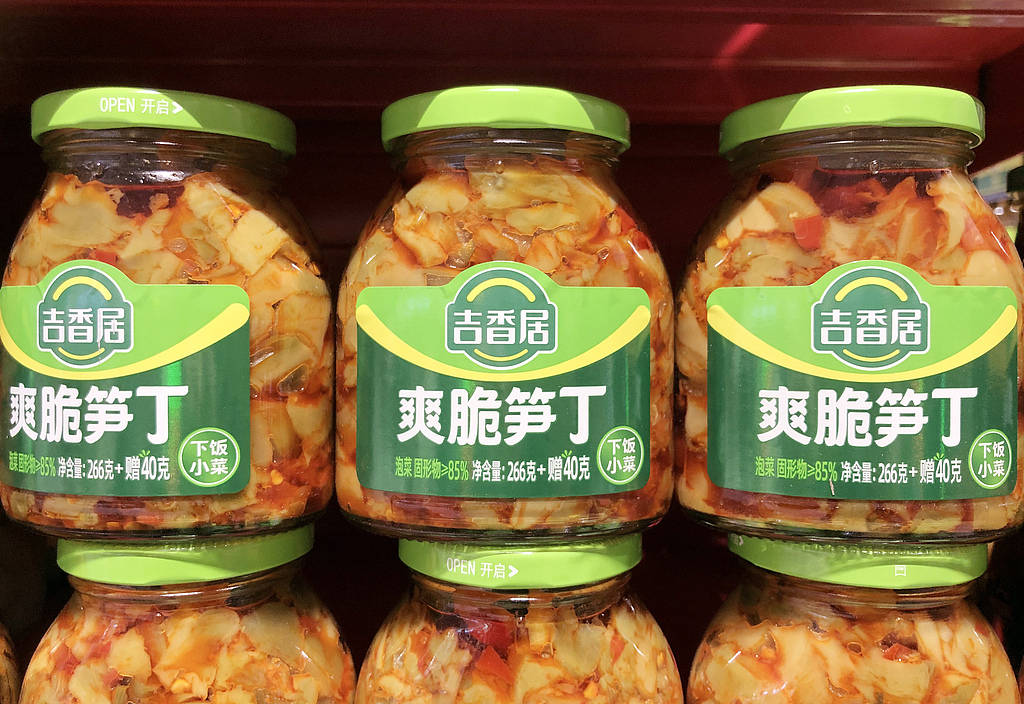
Group 1 - The core point of the article is the acquisition of a 92% stake in Sichuan-based condiment company Jixiangju by FountainVest Capital Partners, a subsidiary of Fangyuan Capital, indicating a significant capital transaction in the Chinese condiment industry [1] - Jixiangju, founded in 2000, has developed into a prominent brand with over 100 SKUs, focusing on products like pickled vegetables and sauces, and has a presence in over 20 countries [3] - The acquisition reflects a trend where private equity firms are investing in food consumption sectors, aiming to enhance and consolidate smaller companies within a fragmented market [2][4] Group 2 - Jixiangju has faced challenges in its market segment, particularly with a shift in consumer preferences towards healthier options, leading to a projected decline in sales for pickled vegetables and sauces by over 5% by 2025 [4][6] - The company has experienced frequent changes in control, with its path to an IPO being prolonged and complicated, having undergone multiple ownership changes in recent years [3] - The entry of Fangyuan Capital is expected to provide the necessary capital support for Jixiangju to overcome production bottlenecks, upgrade its supply chain, and expand its national distribution channels [4][6]

调味品趋势分化,谁在重新征服年轻人的味蕾?
Sou Hu Cai Jing· 2025-05-21 00:45
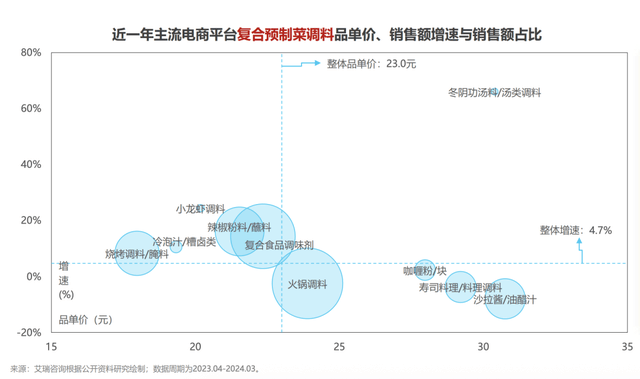
Core Insights - The Chinese seasoning market has seen significant growth, with market size increasing from 259.5 billion yuan in 2014 to 592.3 billion yuan in 2023, reflecting a compound annual growth rate (CAGR) of 9.60% [1][2] - The shift in consumer behavior towards home cooking and health-conscious eating, particularly among younger generations, is reshaping the seasoning landscape [1][2] Group 1: Market Dynamics - The seasoning market in China is characterized by a mix of established brands and emerging players, with over 6,000 companies and the top ten brands holding less than 30% market share, indicating a highly fragmented market [2][3] - Traditional brands like Haidilao and Lee Kum Kee dominate, while new entrants focusing on health and natural ingredients are gaining traction [2][3] Group 2: Product Trends - The compound seasoning segment is experiencing rapid growth, with a CAGR of 13.90% from 2011 to 2021, driven by the increasing popularity of ready-to-use cooking solutions [4][6] - Health-conscious consumers are prioritizing clean ingredient labels, leading to a rise in products that emphasize natural and additive-free formulations [7][8] Group 3: Consumer Behavior - New consumption scenarios, such as solo dining and outdoor activities, are driving demand for convenient and personalized seasoning options [8][9] - Brands targeting younger consumers are leveraging aesthetics and lifestyle branding to create emotional connections with their products [11][14] Group 4: Cultural and Regional Influences - The diverse culinary landscape in China fosters regional seasoning brands that resonate with local tastes, creating opportunities for cultural storytelling and brand differentiation [15][16] - Successful regional brands can achieve high profit margins, but the challenge lies in expanding their reach beyond local markets [15][16] Group 5: Competitive Landscape - The competition in the seasoning industry is evolving, with a focus on digital marketing and e-commerce channels, such as live-streaming sales and instant retail [16][17] - Brands that can effectively address niche consumer needs and create standout products are likely to succeed in this competitive environment [17][18]