
先用后付

Search documents
免密支付“易开难关” 诱导开通、隐蔽扣费问题多
Sou Hu Cai Jing· 2026-02-09 12:45
Core Viewpoint - The issue of difficulty in canceling "no-password payment" has gained market attention, with consumers expressing frustration over the hidden cancellation process and complicated steps involved [1][9]. Group 1: Consumer Complaints - Consumers report that activating "no-password payment" is often done with a single click, sometimes even defaulted, leading to unintentional activation [1][9]. - The cancellation process is cumbersome, requiring multiple page jumps and often prompting users to provide a reason for cancellation, which can discourage them from completing the process [3][9]. - Older consumers, such as a 60-year-old woman, have found the process particularly challenging, leading to confusion over purchases and payments [7][9]. Group 2: Complaints Statistics - Data from the Black Cat Complaint platform indicates that there were 16,122 complaints related to "no-password payment" in 2025, averaging 44 complaints per day, primarily concerning unintentional activation, unauthorized charges, and cancellation difficulties [9]. Group 3: Industry Practices - Some platforms are accused of implementing "friction design," simplifying the activation process while complicating cancellation to retain consumers and generate ongoing transaction revenue [9]. - The bundling of "no-password payment" with membership services and value-added services is seen as a tactic to exploit consumer inertia and limit their autonomy [9]. Group 4: Regulatory Response - The China Payment and Clearing Association has called for payment service providers to enhance security management for "no-password payment," emphasizing the need for clear user consent and information disclosure during activation [10]. - Recommendations include assessing the risk tolerance of elderly users and ensuring that core terms are prominently displayed to protect their rights [10].

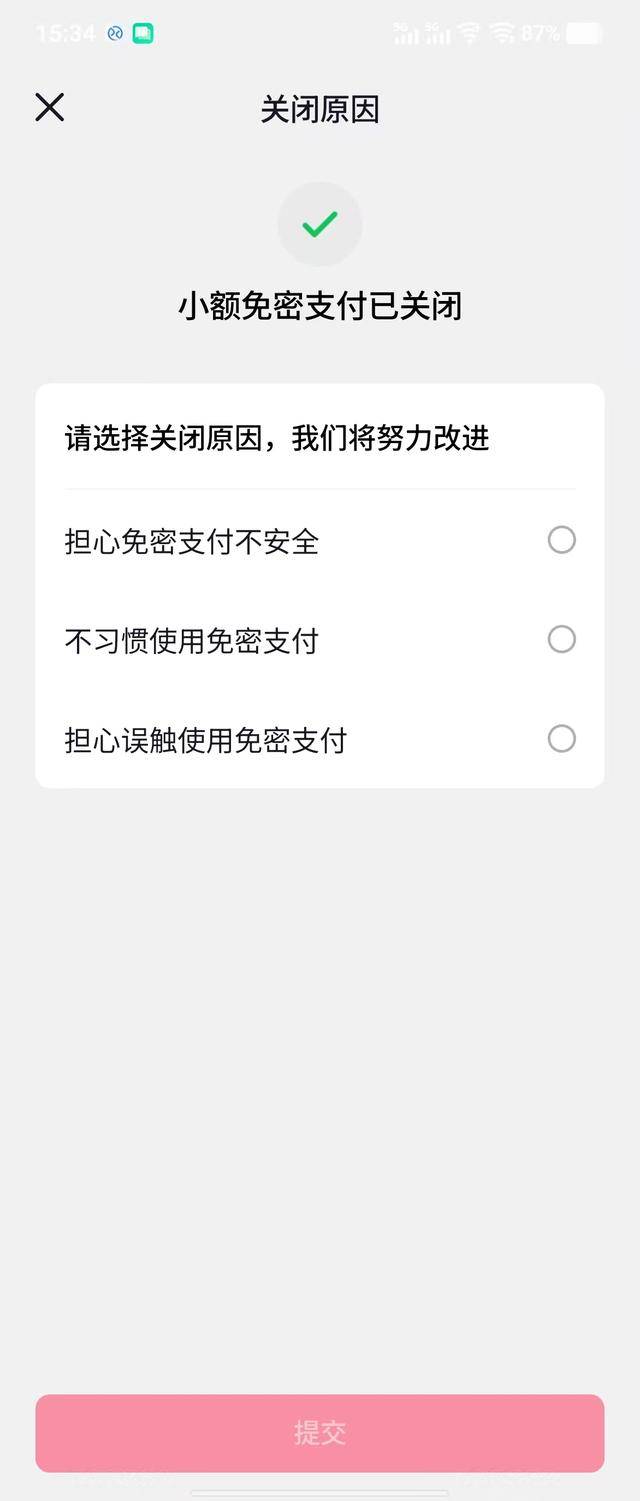
免密支付“易开难关”!诱导开通、隐蔽扣费问题多
Shen Zhen Shang Bao· 2026-02-09 12:43
Core Viewpoint - The issue of difficulty in canceling "no-password payment" has gained market attention, with consumers reporting that it is easy to activate but challenging to deactivate [1][9]. Group 1: Consumer Complaints - Consumers have expressed frustration over the hidden and complicated process of canceling "no-password payment," often requiring multiple steps to complete [1][9]. - A significant number of complaints have been recorded, with 16,122 complaints related to "no-password payment" in 2025, averaging 44 complaints per day, primarily concerning unintentional activation and difficult cancellation [9]. Group 2: User Experience Challenges - The activation of "no-password payment" can occur with a single click, often with default settings that consumers may overlook, while the cancellation process involves navigating through several pages [1][9]. - Older consumers, such as a 60-year-old woman, have reported confusion and difficulty in managing payments due to the automatic deduction feature associated with "no-password payment" [7][9]. Group 3: Industry Practices - Some platforms are accused of implementing "friction design" to complicate the cancellation process, thereby encouraging consumers to remain subscribed and generate ongoing revenue for the platforms [9]. - The Chinese Payment and Clearing Association has called for payment service providers to enhance security management for "no-password payment," emphasizing the need for clear user consent and information disclosure [10].
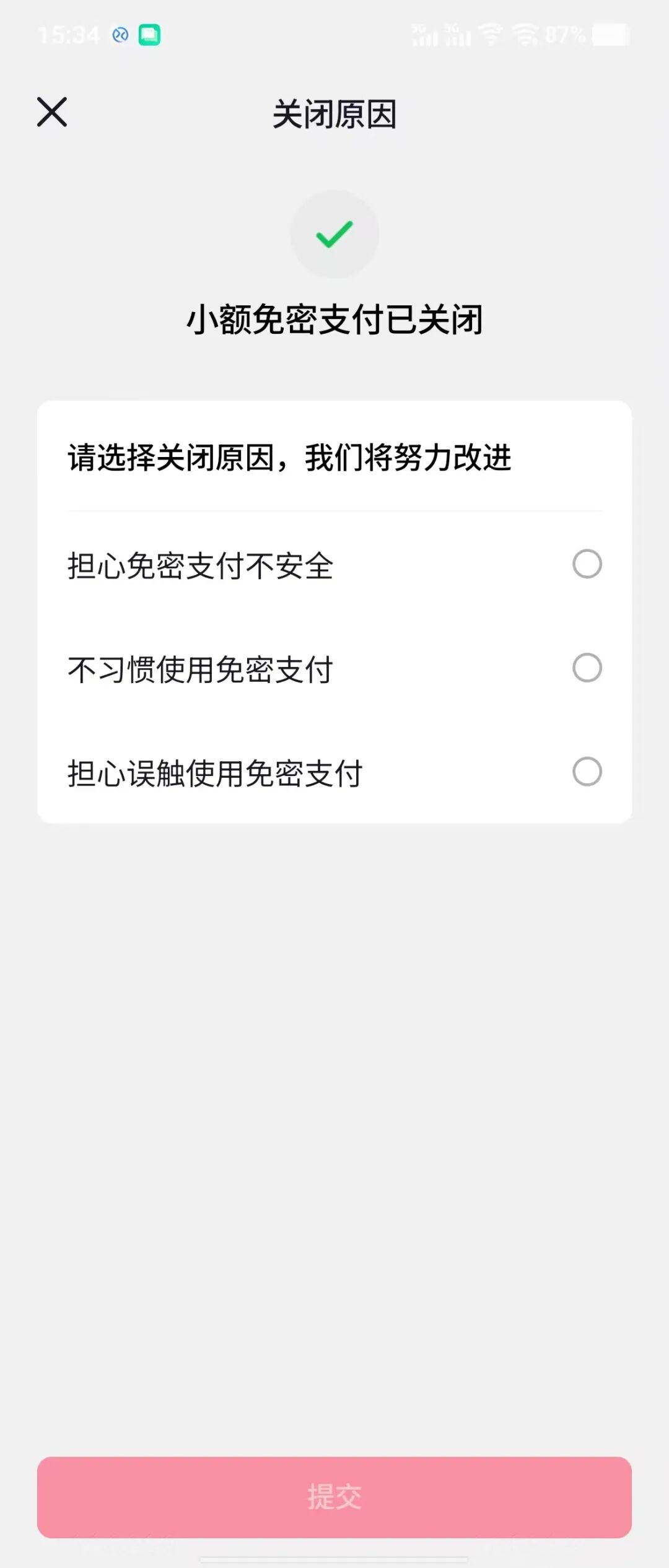
“先买后付”的消费新模式快速兴起,有怎样运行模式?需提示哪些潜在风险?
Yang Guang Wang· 2026-01-20 02:19
Core Viewpoint - The "Buy Now, Pay Later" (BNPL) payment model has gained popularity, providing convenience to consumers but also leading to potential risks and disputes regarding payment amounts and terms [1][5]. Group 1: Consumer Complaints and Issues - Consumers have reported unexpected changes in their default payment methods to "Buy Now, Pay Later," leading to confusion over actual charges and additional fees [1][2]. - A specific case involved a consumer who experienced discrepancies between the advertised price and the final amount charged, resulting in a dispute with both the merchant and the platform [2][3]. - Another consumer found that using BNPL for travel bookings resulted in unexpected loan-like charges, including interest and late fees, rather than direct deductions from their account [3][4]. Group 2: Impact on Consumer Behavior - The BNPL model has been noted to increase consumer spending, with some merchants reporting over a 30% increase in sales after adopting this payment option [3][5]. - However, it has also led to irrational spending behaviors, as consumers may lose track of their total expenditures, leading to financial strain when payments are deducted unexpectedly [3][6]. Group 3: Regulatory and Consumer Rights Concerns - Experts have highlighted the need for better regulation of the BNPL model to ensure consumer rights are protected, emphasizing the importance of clear communication regarding payment terms and potential risks [5][6]. - There is a call for platforms to provide significant notifications about the implications of using BNPL, including the possibility of accruing interest and fees, to enhance consumer awareness and choice [6][7]. - The balance between promoting consumer spending and ensuring adequate regulatory oversight is crucial to mitigate risks associated with this payment model [7].
工信部:支持平台企业推广“先用后付”“订阅服务”等服务方式,探索“效果付费”等创新模式
Jin Rong Jie· 2026-01-13 08:21
Core Viewpoint - The Ministry of Industry and Information Technology has issued an action plan to promote the high-quality development of industrial internet platforms, focusing on innovative service models and support for small and medium-sized enterprises [1] Group 1: Service Models - The plan supports platform companies in promoting service models such as "pay after use" and "subscription services" [1] - It encourages the exploration of innovative models like "performance-based payment" to accelerate the large-scale application and iterative upgrade of platform solutions [1] Group 2: Support for SMEs - Local governments are encouraged to increase support for small and medium-sized enterprises in utilizing platforms [1] - The effectiveness of tools like "cloud vouchers" and "computing power vouchers" is to be enhanced [1] Group 3: Digital Transformation - The plan aims to accelerate the construction of a service system for the digital transformation of the manufacturing industry [1] - It emphasizes the use of resources such as industrial brains, empowerment centers, and innovation workshops to provide services like assessment, supply-demand matching, and talent training [1] - The goal is to facilitate the implementation of platforms and address the "last mile" challenges [1]
免密支付让人“不知不觉”花了很多钱
Xin Lang Cai Jing· 2025-12-23 20:12
Core Viewpoint - The article highlights the risks associated with "no-password payment" and "buy now, pay later" services, which, while convenient, can lead to unintended financial consequences for consumers, particularly vulnerable groups like the elderly and minors [1][2] Group 1: Consumer Experiences - A case study of a consumer whose elderly mother unknowingly activated a no-password payment feature, leading to over 100,000 yuan in unauthorized expenses [1] - Instances of minors using their parents' accounts for unauthorized purchases through no-password payment features, resulting in significant financial losses [1] - Consumers reporting unexpected automatic orders due to the "buy now, pay later" feature, raising concerns about transparency and user awareness [1] Group 2: Industry Response and Recommendations - The China Payment and Clearing Association issued an initiative to enhance the security management of no-password payment services, urging payment service providers to avoid default activation and improve user awareness [1] - Experts recommend that payment service providers implement stronger reminders and simplify the process for users to deactivate these features, ensuring that consumers are fully informed of the risks [1][2] - Legal experts emphasize the need for regulatory bodies to establish clear guidelines for the activation and deactivation of these payment services to protect consumer rights [1][2]
“先用后付”与“免密支付”便捷背后:中老年群体面临消费“迷雾”
Sou Hu Cai Jing· 2025-10-27 05:39
Core Viewpoint - The rise of new payment methods such as "pay later" and "no-password payment" is leading to irrational consumption among the elderly, who often lack awareness of their spending due to these simplified processes [1][2]. Group 1: User Experience and Challenges - Over 60% of surveyed elderly users have experienced passive activation of payment features, with many unaware of the implications until they notice unexpected charges [1]. - The process to disable these payment features is often complicated, leading to increased anxiety about financial security among elderly users [2]. - The design of payment platforms tends to favor ease of activation over ease of deactivation, which can confuse users and lead to unintended financial consequences [2]. Group 2: Industry Response and Recommendations - Experts suggest that platforms should adopt principles of clear communication, active user choice, and easy management to protect elderly users from unintended charges [3]. - Some platforms are beginning to adjust their strategies by requiring manual confirmation for activating no-password payments and offering alternative management options for elderly users [3]. - The industry faces a common challenge of balancing technological advancements with the actual needs of the elderly demographic, emphasizing the importance of user rights [3]. Group 3: Market Trends and Future Considerations - By mid-2025, the number of internet users aged 60 and above in China is expected to reach 161 million, highlighting the growing digital consumption capabilities of this demographic [4]. - To ensure payment security for elderly users, experts recommend creating "elderly-friendly" interfaces and implementing a "pre-compensation" mechanism for losses incurred due to misleading activation of payment features [4].

适老支付的“默认隐忧”
Bei Jing Shang Bao· 2025-10-26 15:50
Core Insights - The rise of "buy now, pay later" and "no-password payment" methods is significantly impacting the elderly demographic, providing convenience but also raising concerns about consumer awareness and spending habits [1][3][5] Payment Methods Overview - "Buy now, pay later" and "no-password payment" features are designed to enhance shopping convenience, but they may lead to unintentional purchases among elderly users due to a lack of understanding of these payment options [5][11] - Many elderly users report being unaware of when they activated these payment features, leading to confusion and repeated orders [3][4] Consumer Behavior and Risks - Elderly consumers often experience a lack of real-time awareness regarding their spending due to the seamless nature of these payment methods, which can result in unexpected financial consequences [4][11] - A significant portion of elderly users express concerns about the ease of accidental activation and the difficulty in deactivating these payment options, highlighting a gap in consumer education [6][10] Platform Design and User Experience - The process for activating "no-password payment" and "buy now, pay later" features is typically straightforward, often requiring just agreement to terms and entering a payment password [7][10] - However, the deactivation process is often complex, leading to frustration among elderly users who struggle to find the necessary settings [10][12] Industry Response and Recommendations - Payment platforms emphasize the importance of user choice and security, often setting low transaction limits for "no-password payments" to mitigate risks [12][13] - Experts suggest that platforms should improve transparency and user education, particularly for elderly users, by clearly outlining the implications of these payment methods and simplifying the deactivation process [14][17]

适老支付调查(上)|免密支付成扣款刺客:诱导式设计,退订如走迷宫
Bei Jing Shang Bao· 2025-10-26 05:52
Core Viewpoint - The rise of "pay later" and "no password payment" methods, initially popular among younger consumers, is now penetrating the older demographic, leading to unintended consequences and confusion regarding payment processes [1][5][12] Group 1: User Experience and Challenges - Many older users have encountered issues with passive activation or accidental use of "no password payment" and "pay later" options, resulting in unexpected charges and repeated purchases [3][8][11] - A significant portion of older consumers lacks a clear understanding of the payment rules, leading to a perception that these new payment methods do not meet their core needs for simplicity and security [1][4][9] - The convenience of these payment methods has created a "sweet burden" for older users, who often feel overwhelmed by the changes in payment processes [1][5] Group 2: Consumer Behavior Insights - Older consumers often misinterpret the nature of "pay later" as a free trial, leading to confusion when charges occur [8][11] - The design of payment systems often employs "inducement design," where payment options are linked to discounts, making it easy for older users to unintentionally activate these features [10][14] - Many older users express a strong aversion to these payment methods, citing concerns over ease of accidental operation and the safety of their funds [9][12] Group 3: Recommendations for Improvement - Experts suggest that platforms should enhance transparency and provide clearer instructions for older users regarding payment options, emphasizing the nature of credit agreements and potential risks [12][14] - There is a call for the development of "senior-friendly" versions of payment processes that simplify activation and deactivation of features like "no password payment" [14][15] - Implementing a "first compensation" mechanism is recommended to protect older users from losses due to accidental activations or unauthorized charges [14][15]

适老支付调查(下)|亲测:便利外衣下的“默认隐忧”
Bei Jing Shang Bao· 2025-10-26 05:52
Core Insights - The article discusses the growing prevalence of "pay later" and "no password payment" features on e-commerce platforms, highlighting both their convenience and potential risks for consumers, particularly among the elderly [1][5][11] Group 1: Functionality and User Experience - E-commerce platforms like Taobao, Pinduoduo, and Xiaohongshu have integrated "no password payment" and "pay later" options into their payment processes, often pre-selecting these options for users during checkout [3][6] - The activation process for these features is generally straightforward, requiring users to agree to service agreements and input payment passwords, but the process to deactivate them is often complex and not user-friendly [4][5][10] - Different platforms exhibit variations in their design and functionality, with some requiring users to navigate through multiple steps to disable features, which can lead to unintended transactions [4][6] Group 2: Consumer Concerns and Feedback - Many consumers, especially older adults, express confusion and concern regarding the implications of "no password payment" and "pay later" options, often misunderstanding them as free services [7][9] - A significant number of older users reported having these features activated without their explicit consent, leading to worries about unintentional spending and debt accumulation [7][12] - The article highlights a need for clearer communication and education regarding these payment options to ensure consumers understand their responsibilities and the risks involved [10][12] Group 3: Platform Responses and Recommendations - Platforms justify the promotion of these features by emphasizing their potential to enhance payment efficiency and user experience, particularly in fast-paced shopping scenarios [8][9] - Companies are encouraged to implement better user interface designs that prioritize consumer understanding, especially for vulnerable groups like the elderly, by simplifying activation and deactivation processes [10][13] - Regulatory suggestions include establishing clear guidelines to prevent misleading designs and ensuring that platforms provide accessible versions of their services for older users [14]

莫让免密支付成为老年人的“甜蜜负担”
Bei Jing Shang Bao· 2025-10-22 15:38
Core Viewpoint - The article highlights the challenges faced by elderly users in the digital payment landscape, particularly regarding "no-password payment" and "buy now, pay later" features, which often lead to unintended financial burdens [1][2]. Group 1: Issues Faced by Elderly Users - Many elderly users inadvertently activate small-amount no-password payments, leading to repeated purchases and financial confusion [1][2]. - The design of payment platforms often complicates the process of disabling these features, requiring multiple steps that can be overwhelming for those unfamiliar with technology [2]. - Default settings that favor "no-password payment" exacerbate the problem, as elderly users may not notice these options and end up with unexpected charges [2]. Group 2: Recommendations for Improvement - There is a pressing need for payment platforms and institutions to adopt a more user-friendly approach, eliminating default selections for sensitive payment features and ensuring clear communication [2]. - Implementing an "elderly mode" in app interfaces that simplifies processes and highlights key information is essential for improving usability for older adults [2]. - Regular family interactions to educate elderly members about digital payments and potential scams can help build a protective barrier against financial mishaps [3]. Group 3: Regulatory and Social Responsibility - Strengthening consumer protection mechanisms for elderly digital users and increasing penalties for misleading activation of payment features is crucial [3]. - Establishing a streamlined complaint process for elderly users can enhance their ability to seek redress and protect their rights [3]. - Emphasizing safety and informed consent in payment processes will ensure that digital payment tools serve as genuine conveniences rather than burdens [4].