先进逻辑芯片

Search documents
霍尔木兹海峡卡住的还有芯片!
国芯网· 2026-03-06 14:25AI Processing
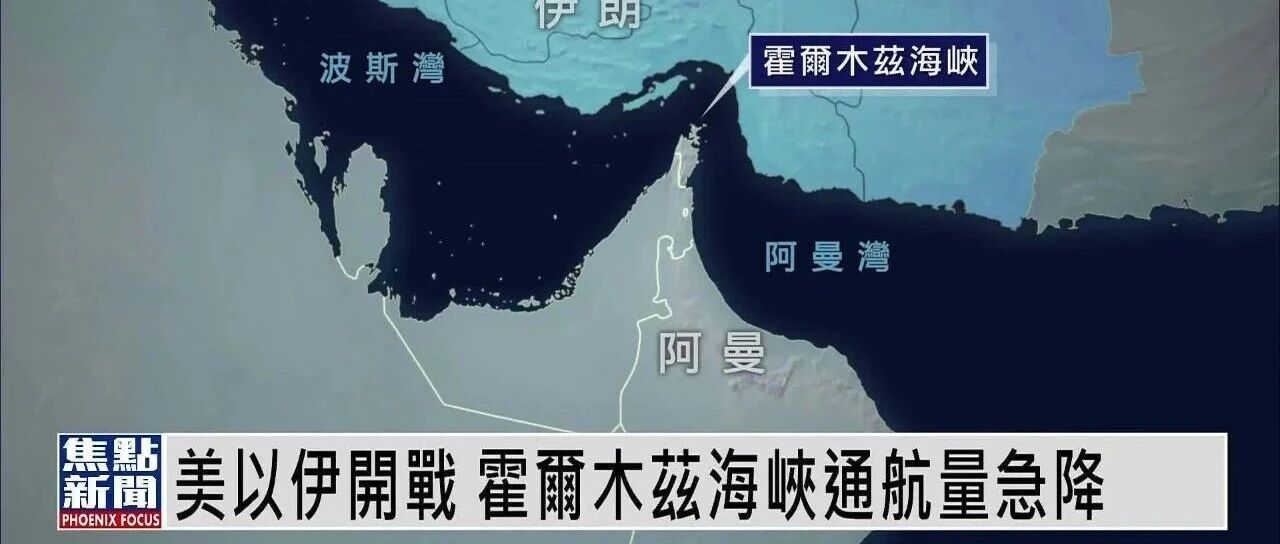
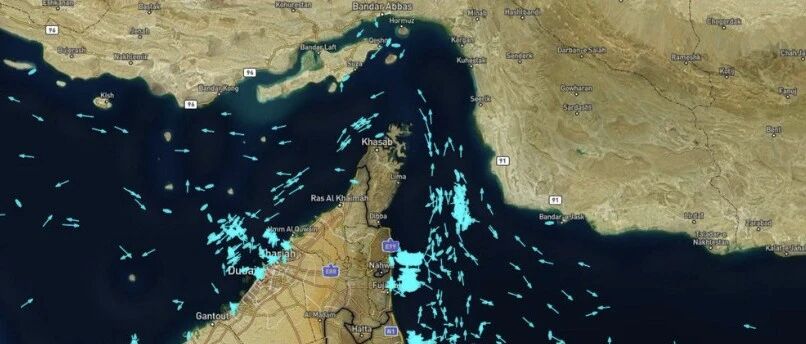
国芯网[原:中国半导体论坛] 振兴国产半导体产业! 不拘中国、 放眼世界 ! 关注 世界半导体论坛 ↓ ↓ ↓ 近日,美伊冲突引爆霍尔木兹海峡危机,全球芯片产业链正面临一场被严重低估的能源冲击。全球逾半数存储芯片产自韩国、七成先进逻辑芯片产自中国 台湾,两地对卡塔尔LNG高度依赖。目前韩国储备仅剩不足两个月,四月或成供应断崖关键节点,对于电力消耗巨大的芯片晶圆厂而言,将是直接的生 产威胁。 美伊冲突引发的霍尔木兹海峡危机,正在将全球科技产业链拖入一场意料之外的能源冲击。这条承载全球石油贸易命脉的海峡,同时也是支撑全球芯片制 造的天然气供应通道——而这一隐性风险,尚未被市场充分定价。 周五,据彭博社专栏文章,全球超过一半的DRAM和NAND存储芯片在韩国生产,全球约70%的先进逻辑芯片在中国台湾生产。这两个芯片制造重镇,对 卡塔尔LNG依赖程度较高。 据央视新闻,当地时间3月5日上午,伊朗伊斯兰革命卫队发表声明称,当天凌晨,一艘美国油轮在波斯湾北部被其海军发射的导弹击中,目前该油轮仍在 起火燃烧。声明还称,美国、以色列以及欧洲国家及其支持者所属的军用和商用船只,均严禁在该海域通行,一旦被发现,将遭到打击。 与此 ...


霍尔木兹海峡卡住的不只是“原油”,或许还有“芯片”
是说芯语· 2026-03-06 03:24
Core Viewpoint - The crisis in the Strait of Hormuz, triggered by the US-Iran conflict, poses an unexpected energy shock to the global technology supply chain, particularly affecting chip manufacturing due to high reliance on Qatari LNG [1]. Group 1: Impact on Chip Manufacturing - Over half of the global DRAM and NAND storage chips are produced in South Korea, while about 70% of advanced logic chips are manufactured in Taiwan, both of which are highly dependent on Qatari LNG [3]. - Samsung Electronics and SK Hynix together account for approximately 40% of the Kospi index, while TSMC alone represents 45% of the Taiwan Weighted Index [3]. Group 2: Energy Supply Concerns - Qatar's Ras Laffan LNG facility has announced a production halt due to military attacks, which supplies about 20% of the global LNG market, leading to significant sell-offs in Asian energy-related stocks [1]. - South Korea's LNG reserves can only support less than two months of import demand, raising concerns about power supply if the Strait remains blocked [4]. Group 3: Market Reactions and Alternatives - The Kospi index fell by 12% in a single day, marking its largest daily drop in history, while the Taiwan Weighted Index decreased by 4.4% on the same day [1][2]. - The South Korean government is urgently seeking alternative LNG supplies, with Australia and the US potentially increasing their market share through flexible contract terms [7].
霍尔木兹海峡卡住的不只是“原油”,或许还有“芯片”
华尔街见闻· 2026-03-06 03:14
Core Viewpoint - The crisis in the Strait of Hormuz, triggered by the US-Iran conflict, is unexpectedly impacting the global technology supply chain through energy disruptions [1] Group 1: Impact on Chip Manufacturing - The Strait of Hormuz is crucial not only for global oil trade but also for the natural gas supply that supports chip manufacturing [2] - Over half of the world's DRAM and NAND storage chips are produced in South Korea, while about 70% of advanced logic chips are manufactured in Taiwan, both of which heavily rely on Qatari LNG [6][7] - The recent military actions have led to the shutdown of Qatar's Ras Laffan gas plant, which supplies about 20% of global LNG, causing significant market reactions [4] Group 2: Market Reactions and Vulnerabilities - The shutdown of the gas plant has resulted in severe sell-offs in Asian energy-related stock markets, with the South Korean KOSPI index dropping 12% in a single day, marking its largest daily decline in history [4][5] - The stock market volatility reflects the unusual vulnerability of these regions in the current crisis [5] Group 3: LNG Supply Concerns - South Korea's LNG reserves are critically low, sufficient for less than two months of import needs, raising concerns about power supply if disruptions continue [9] - The semiconductor manufacturing sector, which consumes significant electricity, faces direct production threats due to potential power shortages [10] - In contrast, the EU has a more substantial buffer with LNG reserves covering about one-third of its annual consumption [11] Group 4: Alternative Supply Strategies - The South Korean government is urgently seeking alternative LNG supplies, with the spot market still available but at significantly higher prices [12] - Australia and the US, as top LNG exporters, may take this opportunity to expand spot sales and capture market share [13]
中芯国际在陆港两地上涨 摩根士丹利称其为中国AI本地化的关键支持者
Xin Lang Cai Jing· 2026-01-08 01:58
Group 1 - Semiconductor Manufacturing International Corporation (SMIC) saw a 2.7% increase in A-shares and a 3.1% increase in Hong Kong shares [1] - Morgan Stanley expressed a positive outlook on SMIC, identifying it as a key supporter of localizing artificial intelligence in China [1] - The demand for advanced logic chips is expected to remain strong, leading to a favorable view on Chinese semiconductor equipment companies [1]

全球芯片产能分布,仅供参考
半导体行业观察· 2025-12-29 01:53
Core Insights - The OECD report highlights the geographical distribution of wafer fabrication capacity, indicating that five major economies (China, Taiwan, South Korea, Japan, and the USA) account for 87% of global wafer production capacity as of September 2025 [2][6]. Geographical Distribution of Production Capacity - The report illustrates the concentration of production capacity by technology node, with South Korea having nearly 80% of its capacity in the 6nm to less than 22nm range, primarily due to investments from major suppliers like SK Hynix and Samsung [5][6]. - In contrast, the USA's wafer production capacity is more diversified across various technology nodes [6]. Concentration of Production Capacity Among Companies - The top ten semiconductor companies account for approximately 50% of global wafer production capacity [7]. - In Japan, five companies dominate with over 3 million wafer production capacity, representing 58% of the country's total [7]. Planned and Under Construction Capacity Growth - The majority of capacity investments are concentrated in the largest semiconductor-producing economies, driven by major companies operating in those regions [10]. - The USA, China, South Korea, Taiwan, Japan, Germany, and Singapore are identified as the countries with the largest expected capacity growth [10]. Wafer Capacity by Chip Type - The report emphasizes that assessing wafer capacity distribution requires considering both technology nodes and chip types, revealing significant differences in production capabilities [12][19]. - China and Taiwan rank among the top five producers for all six chip types analyzed, with the USA and Japan following closely [19]. Expansion Potential by Chip Type - Capacity expansion potential varies significantly across chip types and economies, with notable growth in power chips and analog chips primarily occurring in China [21][22]. - The USA leads in advanced logic chip capacity growth, while South Korea shows the largest increase in general storage chip capacity [22]. Mixed Manufacturing Capabilities - Many fabs can produce multiple chip types, complicating the analysis of geographical distribution based on chip types [25][28]. - The prevalence of mixed-capacity fabs, especially in the analog and mature logic chip sectors, presents challenges in evaluating market capacity [28]. Average Wafer Fab Size by Chip Type - The average size of fabs varies by chip type, with power, analog, and mature logic chips averaging between 30,000 to 50,000 WSPM, while advanced logic and general storage fabs are significantly larger [31]. Ownership and Wafer Capacity - Most wafer production capacity in the top five economies is owned by domestic companies, although foreign investment is increasing in some regions [34]. - The report notes the complexity of ownership structures in the semiconductor industry, which can affect capacity assessments [34]. Wafer Capacity by Business Model - The semiconductor manufacturing business model is evolving, with some integrated device manufacturers (IDMs) also providing foundry services [38][39]. - The report categorizes wafer capacity into IDM, pure foundry, and IDM-foundry capacities, highlighting the importance of understanding these distinctions in capacity distribution [39].
“芯片需求让人失望”
半导体行业观察· 2025-09-24 02:54
Core Viewpoint - ASM International NV has lowered its sales forecast for the second half of the year due to lower-than-expected demand from some customers [3] Group 1: Sales Forecast and Performance - ASM expects revenue growth for 2025 to be at the lower end of the previously anticipated range of 10% to 20% when calculated at constant exchange rates [3] - The company reported that while third-quarter performance will meet previous expectations, a decline is anticipated in the fourth quarter [3] - ASM forecasts a 5% to 10% decrease in revenue for the second half of 2025 compared to the first half, attributing this to lower-than-expected demand for equipment used in advanced logic chips [3] Group 2: Market Conditions and Competitors - Major customers like Intel have become more conservative in spending, with Intel announcing the cancellation of some factory projects in July [3] - Samsung's chip division also experienced a significant decline in the second quarter [3] - ASML Holding NV has also lowered its sales growth forecast for next year due to overall economic uncertainty [4] Group 3: Long-term Outlook - ASM projects that sales will exceed €5.7 billion (approximately $6.7 billion) by 2030, indicating an average annual growth rate of at least 12% [4] - Analysts from firms like JPMorgan, Citigroup, and Oddo BHF remain optimistic about the company's long-term performance due to its transition to "Gate-All-Around" (GAA) technology, which is expected to increase the addressable market by up to $500 million [4] - Despite current challenges, ASM is expected to perform better than the industry average, with improving profit margins and strong growth opportunities projected until 2020 [4]