兰蔻化妆品

Search documents
欧莱雅北亚重回增长轨道,收购阿玛尼是关键下一步
FBeauty未来迹· 2025-10-22 12:35
Core Insights - L'Oréal demonstrated resilience in a turbulent market with a 3.4% year-on-year sales growth to €32.807 billion (approximately ¥271.261 billion) in the first nine months of 2025, with Q3 growth accelerating to 4.9% [2] - The recovery in core markets, particularly in China and the USA, was highlighted, with North Asia achieving positive growth for the first time in two years [2][13] - Strong performance was noted across product categories, with hair care and fragrance leading the way, while makeup rebounded significantly [2][5] - E-commerce channels continued to show double-digit growth, reinforcing L'Oréal's competitive advantage in online sales [2] Financial Performance - Overall sales for the first nine months of 2025 reached €32.807 billion, with a reported growth of 3.4% [12] - By division, Professional Products led with a 7.4% comparable growth, followed by Consumer Products at 3.1%, Luxe at 2.2%, and Dermatological Beauty at 3.7% [12] - Regionally, Europe maintained a steady growth of 3.6%, while emerging markets like SAPMENA-SSA and Latin America saw significant growth rates of 11.0% and 8.2%, respectively [12][13] Market Dynamics - The North Asia region, particularly China, showed a strong recovery with a low single-digit growth in the first nine months and a mid-single-digit growth in Q3, driven by high-end cosmetics and innovative product launches [13][16] - L'Oréal's strategic focus on localized product development for Chinese consumers has been pivotal, with several brands launching tailored products [16][18] Strategic Initiatives - L'Oréal is transitioning from a brand manager to an "ecosystem builder," acquiring new brands and securing beauty and fragrance licenses from luxury brands [19][20] - The company has made significant organizational changes, focusing on talent development and key market strategies, with numerous leadership appointments reflecting a commitment to emerging markets [25][26] Product Innovation - Key product launches in 2025 included high-concentration skincare products tailored for the Chinese market, showcasing L'Oréal's commitment to innovation and local consumer preferences [16][17] - The introduction of new brands and products is part of L'Oréal's strategy to enhance its brand portfolio and meet diverse consumer needs [20][24]

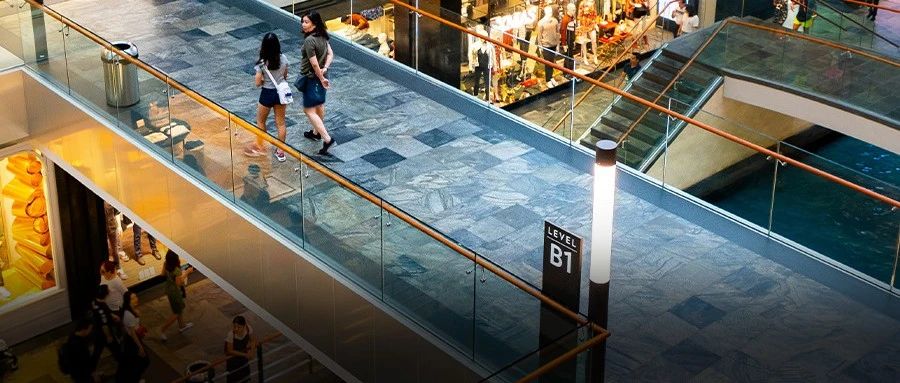
「四大金刚」,挤满商场一楼
36氪· 2025-06-15 02:02
Core Viewpoint - The article discusses the transformation of shopping malls in China, highlighting the shift from traditional cosmetics brands to new categories such as trendy toys, outdoor sports, and tea beverage brands, referred to as the "Four Kings" of modern retail [6][11][12]. Group 1: Transformation of Retail Landscape - The flagship store of Innisfree, a Korean beauty brand, has been replaced by Pop Mart, a trendy toy company, symbolizing a broader trend in retail [6][8]. - The "Four Kings" now dominating mall spaces include trendy toys, outdoor sports, new energy vehicles, and diverse tea brands, reflecting changing consumer preferences [8][11]. - The vacancy rate in shopping malls has approached 14% in major cities, providing an opportunity for the "Four Kings" to establish a presence [11]. Group 2: Decline of Traditional Brands - The number of cosmetic counters in China has decreased from 15,415 in 2020 to 11,365 in 2022, with low-end cosmetics experiencing the most significant decline [11][12]. - High-end cosmetic brands like Chanel and Lancôme continue to maintain their presence in malls despite overall declines in sales [12][14]. Group 3: New Entrants and Market Dynamics - New energy vehicle brands have become prominent in malls, with Tesla being a pioneer in this space, shifting the focus from traditional car dealerships to experiential retail [18][19]. - The tea beverage market has seen rapid changes, with brands like Nayuki and Heytea adapting to consumer preferences, while others like Tiger Sugar have exited the market [22][24]. Group 4: Future Trends and Opportunities - The article notes that while the "Four Kings" dominate, there are still opportunities for emerging brands like Mao Geping, which has expanded rapidly in the offline market [32][35]. - The future of retail remains uncertain, with the potential for new categories to emerge and replace existing ones, indicating a dynamic and evolving market landscape [36].
“可复美女老板成陕西首富”,多少女生参与了这个价值700多亿的国货护肤项目?
Sou Hu Cai Jing· 2025-05-13 10:15
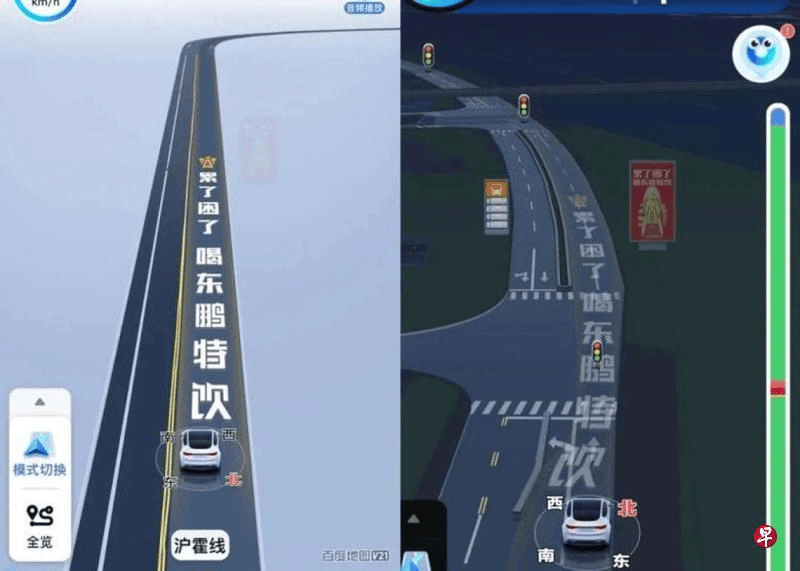
Group 1 - Baidu Maps has been criticized for embedding ads that affect driving safety, with users reporting that ads obstruct navigation instructions, potentially leading to dangerous situations [1] - The advertising collaboration for Dongpeng Drink on Baidu Maps is expected to exceed 10 million RMB, raising concerns about compliance with internet advertising regulations [1] Group 2 - Hema has been officially sentenced for selling counterfeit L'Oreal and Estée Lauder products, with the main supplier facing a five-year prison term and the total amount involved being 3.22 million RMB [4] - Initially, Hema denied the allegations but later softened its stance as regulatory authorities intervened, leading to some consumer compensation [4] Group 3 - Kudi Coffee has announced an extension of its store subsidy policy until the end of 2028, introducing additional support for stores facing high rent and low sales volume [6] - The new policy aims to lower profitability thresholds in lower-tier markets and encourage franchisees to open stores in key business districts [6] Group 4 - The daughter of Jin Gui Zi achieved sales exceeding 10 million RMB in 30 days through live streaming, responding to criticisms about leveraging her mother's fame [7] - Data indicates that her Douyin account had a total sales volume of 1 million to 2.5 million RMB from 13 live streams [7] Group 5 - The new vice president of Northwest University, Fan Dai Di, has become the richest person in Shaanxi with a net worth exceeding 45.7 billion RMB, primarily from holdings in two listed companies [10][11] - Fan Dai Di is noted for her contributions to collagen protein research and the establishment of a biotechnology company [10] Group 6 - The US and China have announced a significant reduction in tariffs, with US tariffs on Chinese goods dropping from 145% to 30% and Chinese tariffs on US goods decreasing from 125% to 10% over the next 90 days [13] - This temporary agreement is seen as a potential easing of tensions between the two countries, with global stock markets reacting positively [13] Group 7 - A report indicates that the application rate of AI in Chinese workplaces is as high as 93%, significantly above the global average, with half of the users applying AI tools regularly [16] - However, there are concerns about misuse of AI, with a high percentage of Chinese respondents admitting to inappropriate use of AI tools for sensitive data [17]