
内置电池的全植入

Search documents
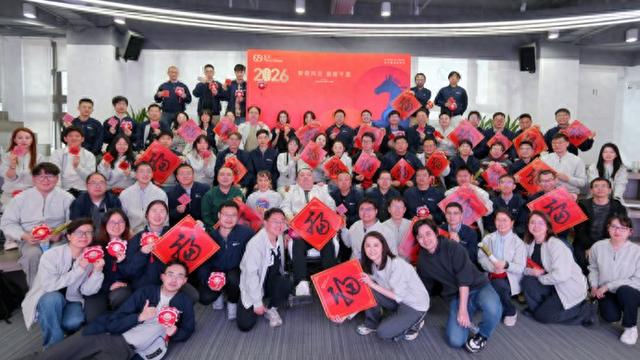
高位截瘫八年的他,用意念写下“福”字,祝福让他“重拾自由”的工程师们
Xin Lang Cai Jing· 2026-02-12 11:17
Core Insights - The article highlights the innovative advancements in brain-computer interface technology by Brain Tiger Technology, showcasing a unique event where a clinical trial participant, paralyzed for eight years, used a brain-computer interface to write the character "福" (blessing) as a New Year gift for the employees [5][6][8] Company Developments - Brain Tiger Technology hosted an internal gathering, referred to as a "family meeting," which deviated from traditional annual meeting formats to focus on employee well-being and family time [6] - The company launched China's first fully implanted, wireless, and fully functional brain-computer interface product in December, utilizing its proprietary XessOs operating system and XessKey connection component [6][8] Clinical Application - The clinical trial participant demonstrated the capabilities of the brain-computer interface by controlling devices and interacting with employees during the event, emphasizing the technology's potential to enhance quality of life for patients [8] - The event served as a testament to the company's mission of supporting patients in returning to a normal and warm life, highlighting the human aspect of technological advancements [8]

脑机接口,重大突破!
证券时报· 2026-02-07 13:12
Core Viewpoint - The article highlights significant advancements in brain-machine interface (BMI) technology in China, showcasing breakthroughs in flexible electrode arrays and clinical applications, indicating a growing investment interest and market potential in this field [1][4][6]. Group 1: Technological Breakthroughs - A research team from Northwestern Polytechnical University has developed a three-dimensional conical carbon-based flexible cortical electrode array, addressing key issues such as brain tissue damage and poor biocompatibility, and achieving international space environment technology validation [1]. - The electrode shows hundreds of times improvement in key performance metrics compared to traditional metal electrodes, ensuring long-term safety and stability for clinical applications [1]. - The article notes that 2025 is referred to as the "year of the brain-machine interface" in China, with multiple clinical trials and innovations being reported [2]. Group 2: Investment and Market Growth - Investment enthusiasm in the BMI sector has surged, with 24 financing events recorded from January to November 2025, marking a 30% year-on-year increase, and total financing exceeding 10 billion yuan over the past five years [4]. - The "14th Five-Year Plan" has identified brain-machine interfaces as one of six future industries, indicating a strategic focus on this technology as a new engine for economic growth [4]. - The BMI market in China was valued at 3.2 billion yuan in 2024, with an 18.8% year-on-year growth, projected to reach 5.58 billion yuan by 2027, reflecting a 20% growth rate [6]. Group 3: Clinical Applications and Innovations - Ming Vision Brain Machine Technology has introduced an implantable BMI visual reconstruction system, offering new possibilities for visually impaired patients [5]. - The second invasive BMI clinical trial has achieved significant progress, transitioning from 2D screen control to 3D physical world interaction [5]. - Shanghai Brain Tiger Technology has successfully completed the first clinical trial of a fully implanted, wireless, and functional BMI product, emphasizing the technology's potential to connect life and hope [5]. Group 4: Stock Market Performance - Several BMI-related stocks have experienced significant declines, with 14 stocks showing over a 20% drop from their highs, including HaiGe Communication and PuLiTe [6][7]. - In terms of profit forecasts for 2025, nine BMI-related stocks are expected to see net profit growth, with notable increases for companies like BeiLu Pharmaceutical and LePu Medical [8].

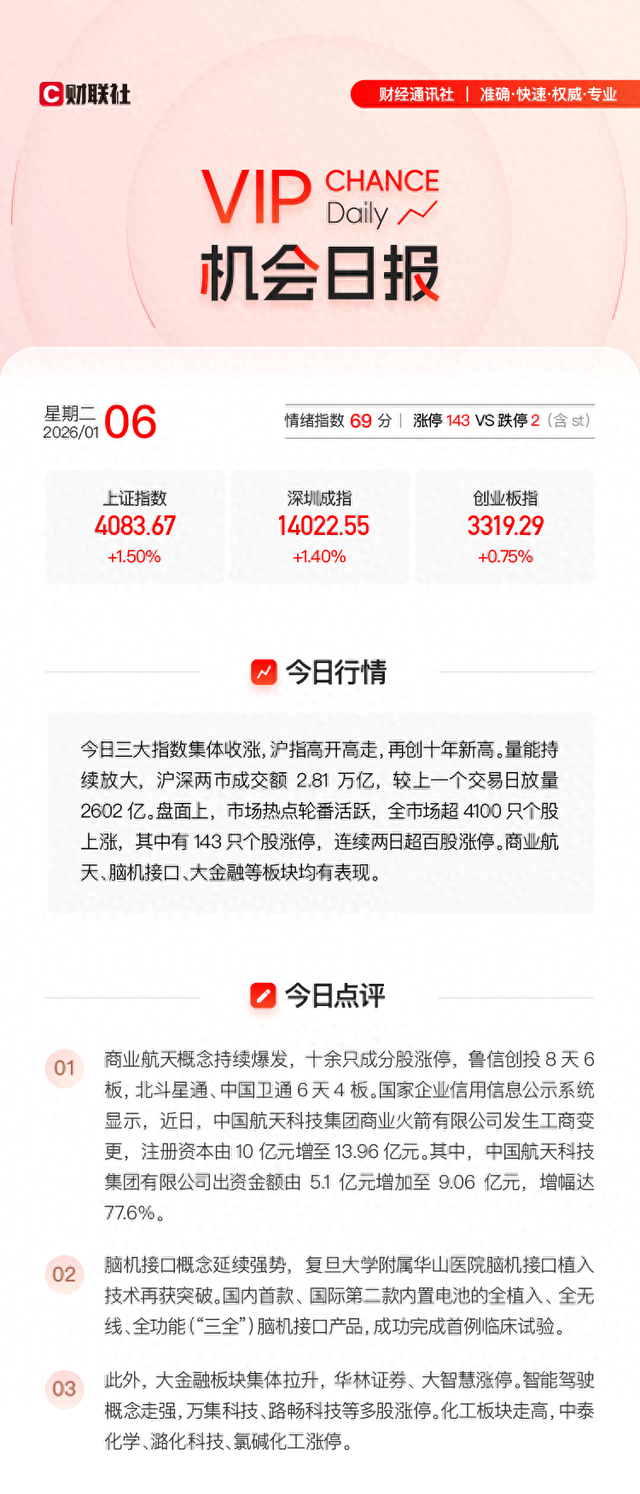
VIP机会日报沪指13连阳再创十年新高 商业航天持续爆发 Ta获主力资金青睐 解读后获连板
Xin Lang Cai Jing· 2026-01-06 10:11
Group 1: Commercial Aerospace - China Aerospace Science and Technology Corporation's commercial rocket subsidiary increased its registered capital from 1 billion to 1.396 billion yuan, with a 77.6% increase in investment from the parent company [5] - Blue Arrow Aerospace is aiming to become the first publicly listed commercial rocket company, with the commercial aerospace sector expected to enter a golden development period [9] - The low-orbit satellite internet in China is set to enter mass launch construction in the second half of 2025, with significant acceleration in industry development anticipated by 2026 [11] Group 2: Brain-Computer Interface - The first fully implanted, wireless, and fully functional brain-computer interface product in China has successfully completed its first clinical trial [20] - The brain-computer interface industry is expected to reach a market size of over 10 billion USD by 2030, with companies like Haige Communication and Xiangyu Medical seeing significant stock price increases [22] - Xiangyu Medical is focusing on non-invasive rehabilitation and exploring invasive technologies, with plans to cover over 1,000 top-tier hospitals by 2026 [24] Group 3: Financial Sector - The National Financial Regulatory Administration has lowered risk factors for long-term holding assets, which is expected to cultivate patient capital and support technological innovation [30] - The financial sector is experiencing strong performance, with stocks like Zhina Compass seeing a significant increase in value due to market expectations of a bull market [31] Group 4: Intelligent Driving - Nvidia plans to test a driverless taxi service by 2027, indicating advancements in autonomous driving technology [33] - The first batch of L3 autonomous vehicles in China has begun large-scale road operation, with companies like Wanjite Technology benefiting from this trend [34] - The automatic driving technology is moving towards mass production applications, with companies like Haoen Automotive seeing stock price increases [36]



「每日收评」沪指13连阳再创十年新高!全市场连续两日超百股涨停,成交额突破2.8万亿
Sou Hu Cai Jing· 2026-01-06 09:08
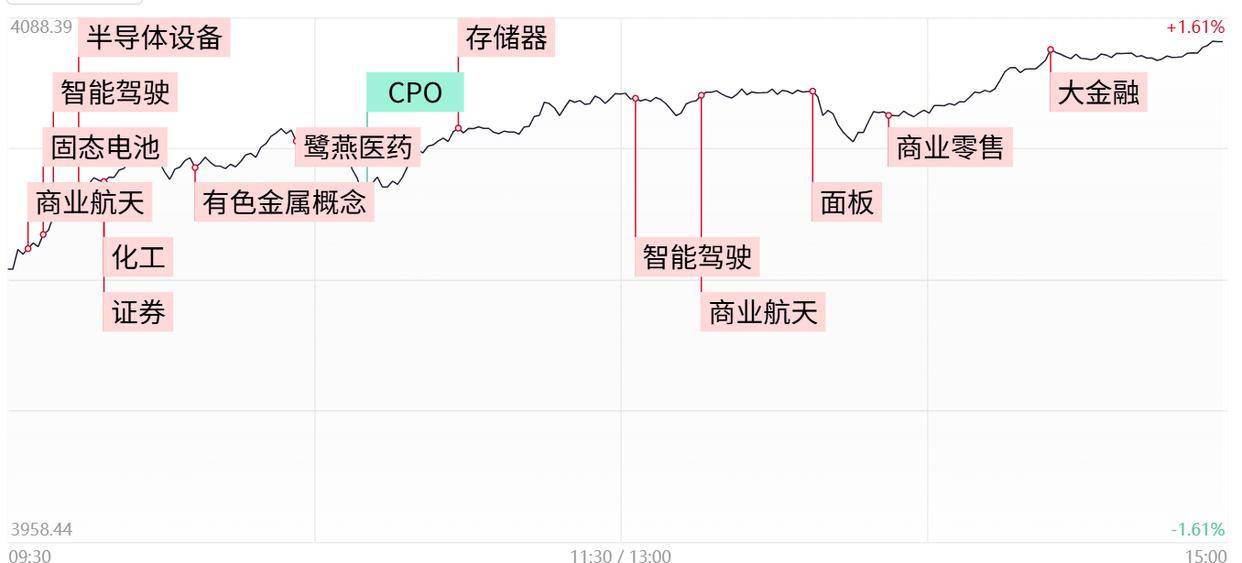
Market Overview - The three major indices collectively rose, with the Shanghai Composite Index reaching a ten-year high, closing up 1.5% [1] - Trading volume in the Shanghai and Shenzhen markets increased to 2.81 trillion yuan, up 260.2 billion yuan from the previous trading day [1] - Over 4,100 stocks rose, with 143 stocks hitting the daily limit, marking the second consecutive day of over 100 limit-up stocks [1] Sector Performance - The commercial aerospace sector showed strong activity, with over ten stocks hitting the daily limit, including Aerospace Huanyu and Beidou Star [2] - The registered capital of China Aerospace Science and Technology Corporation's commercial rocket subsidiary increased from 1 billion yuan to 1.396 billion yuan, a 77.6% increase [2] - The brain-computer interface sector continued its strong performance, with multiple stocks such as Sanbo Brain Science and Meihao Medical hitting the daily limit [2][3] - The financial sector saw a collective surge, with stocks like Huayin Securities and Dazhihui reaching the daily limit [3] Key Stocks - Notable stocks included Leike Defense with five consecutive limit-ups and Lushin Investment with six limit-ups in eight days [6] - The non-ferrous metals sector remained active, with companies like Zijin Mining and Luoyang Molybdenum hitting historical highs [6] Future Outlook - The market is expected to continue its upward trend, with the potential for further gains if trading volume remains strong [8] - However, the ability to attract sufficient incremental capital will be crucial for sustaining this momentum [8] - The commercial aerospace, brain-computer interface, non-ferrous metals, and financial sectors are highlighted as key areas to watch for ongoing activity [8]
脑机接口行业跟踪:马斯克宣布脑机接口公司Neuralink2026年将实现大规模生产
Changjiang Securities· 2026-01-05 23:30
Investment Rating - The report maintains a "Positive" investment rating for the healthcare sector [10]. Core Insights - Elon Musk announced on December 31, 2025, that his brain-computer interface company Neuralink will begin "mass production" of brain-computer interface devices in 2026, transitioning to a "more streamlined and almost fully automated surgical process" [2][6]. - The brain-computer interface market has significant growth potential, with invasive products expected to become a key focus area. Internationally, companies like Neuralink are leading in technology, while several domestic companies in China have made breakthroughs in R&D, supported by favorable policies [2]. - The global brain-computer interface market is projected to reach USD 2.62 billion by 2024, with a compound annual growth rate (CAGR) of 17.4% from 2025 to 2034. In China, the market is expected to exceed RMB 6 billion by 2028, with a CAGR of approximately 17.7% from 2024 to 2028 [14]. - Neuralink employs a minimally invasive implantation approach, with 12 individuals having implanted devices as of September 2025, totaling over 20,000 hours of usage [14]. - Several domestic companies have achieved breakthroughs in brain-computer interface technology, with notable advancements in clinical trials and regulatory approvals [14]. - The industry is encouraged by supportive policies, with the National Healthcare Security Administration in China having established pricing for brain-computer interface services [14]. - Experimental animals, such as mice and monkeys, play a crucial role in brain-computer interface research, with mice being used for initial testing and monkeys for more advanced validation due to their closer anatomical and functional similarities to humans [14]. - Recommended companies to watch include Meihao Medical for brain-computer interfaces and Zhaoyan New Drug for experimental animals [14].
脑机接口产业迎来“黄金发展期” 三大技术路线并行发展
Ke Ji Ri Bao· 2026-01-05 01:30
Core Insights - The brain-computer interface (BCI) industry is entering a "golden development period," characterized by significant advancements from laboratory innovations to clinical applications [1][2][3] Group 1: Technological Advancements - In 2025, significant milestones were achieved in BCI technology, including the first clinical trials of flexible micro-invasive BCI systems and the first intervention-assisted trials for restoring limb function [2][3] - Three main technological routes are developing in parallel: invasive, semi-invasive, and non-invasive techniques, with invasive methods being central to medical rehabilitation due to their high signal acquisition precision [3][4] - The semi-invasive BCI system developed by Borui Kang Technology requires only a small hole in the skull for implantation, allowing patients to control movements through thought [4] Group 2: Clinical Applications and Breakthroughs - Clinical breakthroughs include the successful restoration of walking in patients with severe spinal cord injuries through innovative BCI technologies [3][4] - A variety of new BCI applications are emerging, such as a visual reconstruction system for visually impaired patients and a wireless, fully implanted BCI product that has completed its first clinical trial [10][11] Group 3: Industry Growth and Policy Support - The establishment of pricing regulations for BCI services by the National Medical Insurance Administration marks a significant step in integrating this technology into public healthcare [6][8] - Various regions, including Shanghai and the Guangdong-Hong Kong-Macau Greater Bay Area, are forming BCI innovation clusters to enhance industry capabilities and foster collaboration among enterprises, hospitals, and research institutions [7][8] Group 4: Future Prospects - Experts predict that 2026 will be a pivotal year for the BCI industry, with advancements in multi-disciplinary integration, clinical scalability, and diverse application scenarios [9][10] - The anticipated mass production of certain BCI devices will pave the way for a diversified application ecosystem, enhancing the potential for widespread commercial use [10][11]
脑机接口产业迎来“黄金发展期”
Huan Qiu Wang Zi Xun· 2026-01-05 01:28
Core Insights - The article highlights the rapid advancements in brain-computer interface (BCI) technology in China, showcasing significant clinical achievements and the emergence of a collaborative ecosystem for innovation in this field [1][5][10] Group 1: Clinical Breakthroughs - Patients with paralysis have shown remarkable recovery, such as playing games like "Snake" and "Mario Kart" through thought control, demonstrating the potential of BCI technology [1] - In 2025, several pioneering clinical trials were conducted, including the world's first intervention-assisted BCI for restoring limb function and the first clinical implantation of domestically developed BCI chips [2][3] - Invasive, semi-invasive, and non-invasive BCI technologies are developing concurrently, with invasive methods providing high signal accuracy and non-invasive methods expanding into broader markets due to lower costs [3][4] Group 2: Technological Advancements - The semi-invasive BCI system NEO has been developed, requiring only a small hole in the skull for implantation, allowing patients to control movements through thought [4] - Significant breakthroughs in core components and decoding algorithms have been achieved, enhancing the stability and precision of BCI devices [4] Group 3: Industry Development - The establishment of pricing regulations for BCI services by the National Medical Insurance Administration marks a significant step towards integrating this technology into healthcare [5] - A national BCI industrial cluster is forming, with various regions, including Shanghai and Jiangxi, actively promoting BCI innovation and development [6][7] Group 4: Future Prospects - Experts predict that 2026 will be a pivotal year for the BCI industry, characterized by multi-disciplinary integration and diverse application scenarios [8] - Recent innovations, such as a visual reconstruction system for visually impaired patients and a fully implanted wireless BCI, indicate a trend towards practical applications of BCI technology [9][10]
高位截瘫小伙获新生,国内首款“三全”脑机接口完成临床试验
Nan Fang Du Shi Bao· 2025-12-15 13:09
Core Insights - The first domestically developed, fully implanted, wireless, and fully functional brain-computer interface (BCI) product in China has successfully completed its first clinical trial at Huashan Hospital affiliated with Fudan University, providing new hope for a patient who has been paralyzed for eight years [1][9] - The technology allows patients to control electronic devices and smart tools using only their thoughts, significantly enhancing their self-care abilities and social connectivity [1] Group 1 - The clinical trial was conducted by a team led by Professors Mao Ying and Chen Liang at Huashan Hospital, marking a significant milestone in China's BCI technology [9] - The patient, a 28-year-old with high-level paralysis, was able to achieve thought control of devices just five days post-surgery, with a brain control decoding rate of 5.2 bits per second (BPS), comparable to international standards [9] - The BCI product features three main characteristics: fully implanted, fully wireless, and fully functional, which reduces infection risks and allows for real-time, wireless interaction without external devices [7][9] Group 2 - Brain Tiger Technology, the company behind the BCI, is one of the few globally to master and validate the fully implanted battery solution, filling a technological gap in the domestic market [3] - The product integrates a self-developed operating system, XessOs, enabling users to control various digital devices and connect seamlessly with physical devices like smart wheelchairs and robotic systems, creating a user-centered "extended body" ecosystem [7] - The successful clinical trial demonstrates the safety and feasibility of the fully implanted solution, showcasing China's forward-thinking approach in merging BCI technology with humanistic care [11]
脑机接口产品又有新突破 植入者实现无线自由
Jin Rong Jie· 2025-12-15 01:37
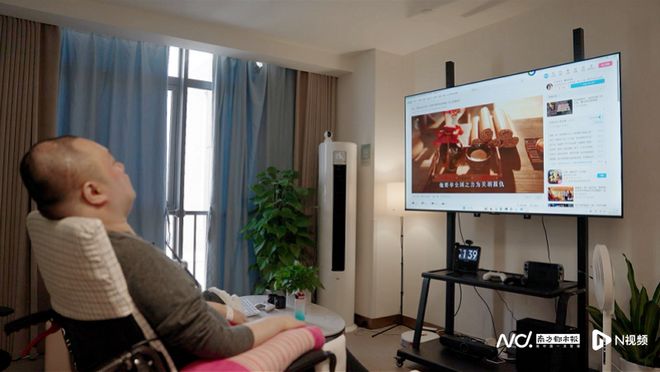
Core Insights - The company Brain Tiger Technology announced the completion of the first clinical trial for its fully implanted, wireless, and battery-integrated brain-computer interface (BCI) product, which is the first in China and the second globally [1] - The product allows a patient with complete paralysis below the shoulders to browse the web and play games, showcasing significant advancements in user capabilities [1] Company Developments - The BCI product eliminates external cables, reducing the risk of infection associated with traditional exposed systems, and provides users with "wireless freedom" through integrated wireless power and data transmission [1] - The successful clinical trial marks a significant milestone in the development of advanced neurotechnology solutions [1] Industry Outlook - According to Huafu Securities, the global brain-computer interface market is projected to reach approximately $2.62 billion in 2024, increasing to $2.94 billion in 2025, and is expected to grow to $12.4 billion by 2034, with a compound annual growth rate (CAGR) of 17.35% over the next decade [1] - The Chinese brain-computer interface market is estimated to be worth 3.2 billion yuan in 2024, with projections to reach 6.14 billion yuan by 2028 [1]
上证早知道|《阿凡达3》有望推升电影票房;脑虎科技助植入者实现无线自由;芯片巨头重大资产重组终止
Shang Hai Zheng Quan Bao· 2025-12-14 23:01
Group 1 - The People's Bank of China will conduct a 600 billion yuan reverse repurchase operation on December 15, with a term of 6 months [1] - The 2025 China Automotive Software Conference will be held in Shanghai from December 15 to 16 [1] - The World Tourism Economic Forum 2025 Summit will take place in Harbin from December 15 to 17 [1] Group 2 - As of the end of November, the total social financing scale was 440.07 trillion yuan, a year-on-year increase of 8.5% [2] - The seventh United Nations Environment Assembly concluded on December 12, passing 11 resolutions and 3 decisions to promote sustainable practices in various sectors [2] - A mandatory national standard for electronic product information clearing will be implemented starting January 1, 2027 [2] Group 3 - The population of Xiong'an has reached approximately 1.4 million, indicating significant growth and the initial emergence of new urbanization [3] Group 4 - In November, global physical gold ETF inflows reached 5.2 billion USD, marking six consecutive months of inflows [4] Group 5 - As of December 13, 2025, China's film box office has surpassed 50 billion yuan, an increase of nearly 7.5 billion yuan compared to the entire year of 2024 [5] - The film "Nezha: The Devil Child Is Coming" leads the box office with 15.446 billion yuan [5] Group 6 - A new brain-computer interface product has completed its first clinical trial, allowing a paralyzed patient to browse the web and play games wirelessly [9] - The global brain-computer interface market is projected to reach 2.94 billion USD by 2025, with a compound annual growth rate of 17.35% [9] Group 7 - CIMC Raffles has signed a contract for eight methanol dual-fuel container ships with a total investment exceeding 500 million USD [11] - The global shipbuilding market is expected to recover as issues related to capacity and financing are resolved by 2026 [12] Group 8 - Kweichow Moutai has launched a quantity control measure to stabilize channel expectations and optimize product structure [13] - The price of the 25-year Flying Moutai has increased by 70 yuan to 1,570 yuan per bottle [13] Group 9 - Huazhong Technology has received FDA pre-market notification for its flu and COVID-19 test kits, allowing for normal sales in the U.S. market [14] - A court ruling has ordered a compensation payment of 3.029 billion yuan to Huaying Technology, which is expected to positively impact the company's operations [14]