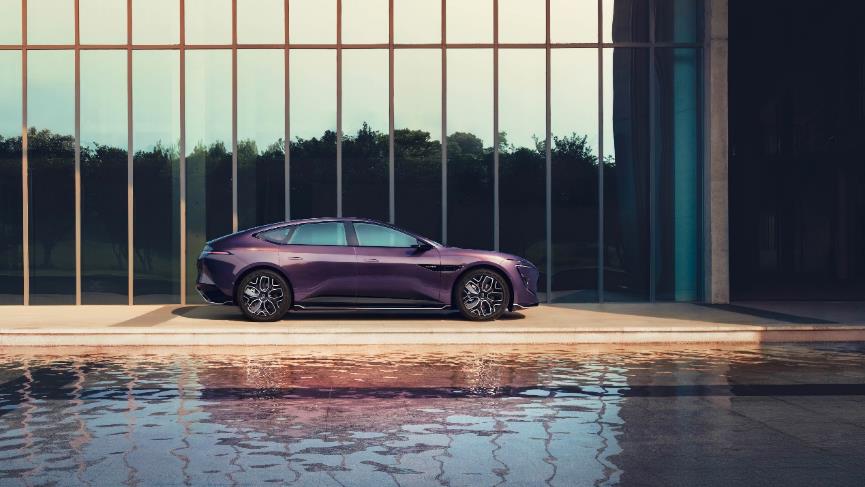
凯迪拉克XT4

Search documents
【联合发布】一周新车快讯(2026年2月28日-3月6日)
乘联分会· 2026-03-06 08:49
Core Viewpoint - The article provides an overview of new vehicle models set to be launched in 2026, detailing specifications, market segments, and pricing strategies for various manufacturers in the automotive industry. Group 1: New Vehicle Launches - Dongfeng Liuzhou's Fengxing Xinghai T5 is an A SUV set to launch on February 28, 2026, with a price range of 153,900 to 161,900 CNY and a pure electric range of 530 km [9]. - Xpeng Motors' X9, a C MPV, will be available from March 2, 2026, with prices ranging from 309,800 to 369,800 CNY and a maximum range of 750 km [17]. - GAC Aion's Aion i60, another A SUV, is scheduled for release on March 2, 2026, priced at 102,800 CNY, featuring a 1.5L range extender engine [25]. - SAIC Volkswagen's Volkswagen Teramont Pro, a C SUV, will launch on March 3, 2026, with a price of 344,900 CNY [33]. - Changan Automobile's Qiyuan A06, a C NB, will also be released on March 3, 2026, priced at 139,900 CNY [41]. Group 2: Specifications and Features - The Fengxing Xinghai T5 features a pure electric powertrain with a power output of 120 kW and torque of 240 N·m, with a battery capacity of 64.4 kWh [9]. - The Xpeng X9 offers multiple configurations with power outputs ranging from 235 kW to 370 kW, and a battery capacity of 94.8 kWh [17]. - The Aion i60 has a power output of 74 kW from its engine and 180 kW from its electric motor, with a battery capacity of 29.165 kWh [25]. - The Teramont Pro is equipped with a 2.0T engine producing 200 kW and 400 N·m of torque [33]. - The Qiyuan A06 features a 1.5L range extender engine with a power output of 72 kW and an electric motor output of 120 kW [41]. Group 3: Market Segmentation and Pricing - The article categorizes the new models into various segments, including A SUVs, C MPVs, and B SUVs, indicating a diverse market strategy [9][17][25][33][41]. - Pricing strategies vary significantly, with models like the Aion i60 positioned as more affordable options at 102,800 CNY, while luxury models like the BMW X5 are priced at 688,000 CNY [25][62]. - The introduction of multiple configurations for models like the Xpeng X9 allows for a broader appeal across different consumer segments [17].





奥迪,只卖10万了
商业洞察· 2026-02-17 09:35
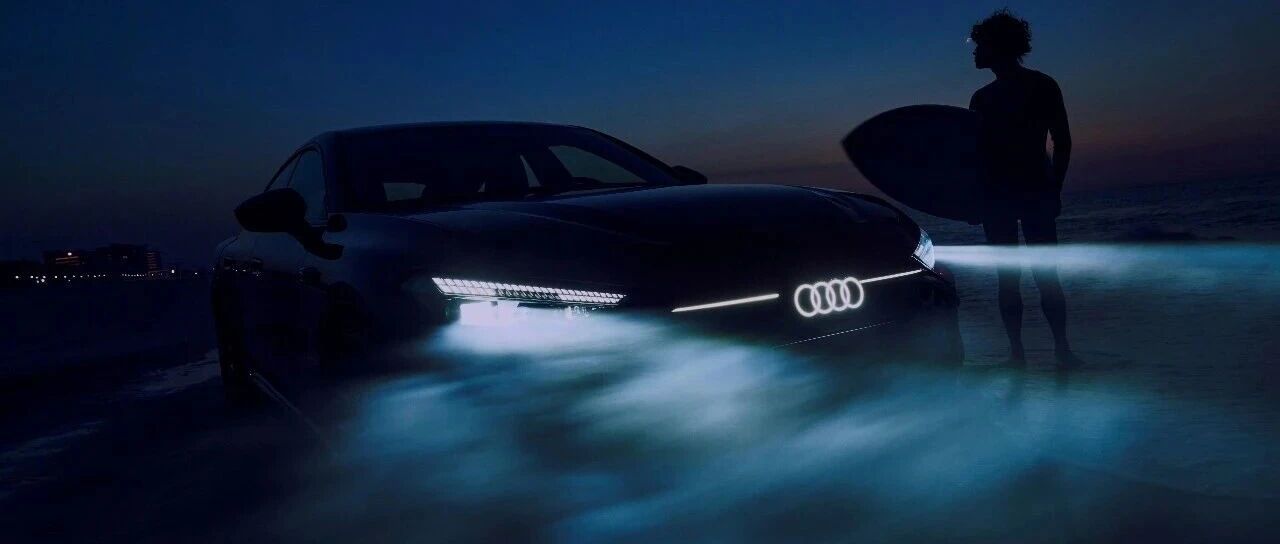
Core Viewpoint - The significant drop in the Audi A3's terminal price below 100,000 yuan reflects a broader crisis in the luxury car market, driven by the rise of electric vehicles and changing consumer preferences [2][5]. Group 1: Price and Sales Trends - The Audi A3's official price was 203,100 yuan in 2023, but it has now fallen to 99,800 yuan in various regions, with some dealers offering "0 down payment + 3 years interest-free" financing options [2][7]. - Audi's sales have been declining since 2020, with projections indicating a drop to 54,700 units in 2024, a significant decrease from over 80,000 units sold annually between 2016 and 2019 [8][10]. - In 2025, Audi's sales in China were 617,500 units, down 5% year-on-year, marking a return to sales levels seen seven to eight years prior [8][12]. Group 2: Market Competition and Consumer Behavior - The decline in Audi A3's price is attributed to competition from electric vehicles like BYD Qin PLUS DM-i and Xpeng MONA, which offer advanced features at similar price points [14][15]. - The traditional brand premium associated with Audi has diminished, as consumers now prioritize technology and features over brand names, leading to a shift in purchasing behavior [16][17]. - The A3's sales increase has come at the expense of its sibling model, the Volkswagen Golf, indicating internal competition within the brand [19]. Group 3: Dealer Challenges and Brand Trust - Over 52% of Audi dealers are operating at a loss, with many closing or switching brands due to unsustainable business conditions [11][22]. - The pressure from the manufacturer to maintain high inventory levels has led to significant financial strain on dealers, further eroding trust in the brand [22][23]. - The collapse of dealer trust poses a more significant challenge than declining sales, as it affects long-term brand loyalty and consumer confidence [24]. Group 4: Strategic Responses and Future Outlook - Audi plans to phase out entry-level fuel vehicles like the A1 and A3 by 2026, focusing on electric vehicle platforms to improve cash flow and adapt to market changes [12][25]. - The introduction of the new Audi A6L, featuring Huawei's advanced driving systems, represents Audi's attempt to regain competitiveness in the smart vehicle market [25][27]. - The launch of a new brand under SAIC Audi aims to combine German engineering with Chinese innovation, reflecting a strategic pivot to meet evolving consumer demands [27]. Group 5: Broader Industry Context - The decline of the Audi A3 is part of a larger trend affecting the luxury car segment, with brands like Mercedes-Benz and BMW also experiencing significant sales drops [33]. - The luxury car market is undergoing structural changes, as electric vehicles eliminate traditional barriers to entry, leading to a reevaluation of brand value and consumer expectations [34][36]. - As product differentiation diminishes, consumers are increasingly focused on value for money rather than brand prestige, indicating a shift in the luxury market landscape [37][38].
超20家车企卷入降价促销潮:特斯拉0息购 比亚迪杀入8万区间
Di Yi Cai Jing· 2026-01-10 02:52
Core Insights - The Chinese automotive market is experiencing a new round of competition in 2026, characterized by aggressive promotions and the introduction of updated models without price increases [1][6] - Major brands, including BMW and BYD, have initiated significant price cuts and promotional offers, leading to a broader trend among both joint venture and domestic brands [1][3] Group 1: Price Cuts and Promotions - BMW announced price reductions on 31 models, with discounts reaching up to 300,000 yuan, prompting other brands like FAW-Volkswagen and FAW-Toyota to follow suit with discounts ranging from 10,000 to 50,000 yuan [1][3] - Over 20 automakers have launched promotional activities since January 1, with more than 75 models involved, utilizing various strategies such as cash subsidies, fixed pricing, and interest-free financing options [1][3] - BYD has also reduced the starting price of its new Qin L plug-in hybrid model from 119,800 yuan to 116,800 yuan while increasing its electric range from 120 km to 210 km [1][6] Group 2: Market Dynamics and Expert Opinions - Industry experts suggest that the current price reductions are not indicative of a price war but rather a rational adjustment to alleviate dealer cash flow pressures and respond to increased costs from new tax policies [2][4] - The automotive market is expected to see continued price cuts throughout 2026, with a potential stabilization in sales volume compared to the previous year [2][5] - The introduction of new models and the early implementation of national subsidies are anticipated to positively impact market performance in January 2026 [4][5] Group 3: Competitive Strategies - The competition in 2026 is marked by a shift towards "adding features without increasing prices" for new models, contrasting with the direct price-cutting strategies seen in previous years [6][7] - Several traditional and new energy vehicle manufacturers are launching updated models with enhanced features while maintaining competitive pricing to attract consumers [6][7] - The automotive industry is also adapting to regulatory guidelines aimed at ensuring fair pricing practices and preventing market disruption through improper pricing strategies [7]
超20家车企卷入降价促销潮:特斯拉0息购,比亚迪杀入8万区间
Di Yi Cai Jing· 2026-01-10 02:22
Core Viewpoint - The Chinese automotive market is experiencing a new round of competition in 2026, characterized by aggressive promotions and model updates without price increases, with a notable early onset of competition compared to previous years [1][2]. Group 1: Price Reductions and Promotions - BMW announced price cuts on 31 models, with reductions up to 300,000 yuan, prompting over five joint venture brands to follow suit with promotional offers ranging from 10,000 to 50,000 yuan [1][3]. - BYD, the leading electric vehicle manufacturer, has also reduced the starting price of its new Qin L plug-in hybrid model from 119,800 yuan to 116,800 yuan while increasing its electric range from 120 km to 210 km [1][6]. - More than 20 automakers have launched limited-time promotional activities, with over 75 models participating, employing various strategies such as cash subsidies, fixed-price sales, and interest-free financing options [1][3]. Group 2: Market Dynamics and Expert Opinions - Industry experts suggest that the current price reductions are not indicative of a price war but rather a rational return to reasonable pricing, with expectations of continued price cuts throughout 2026 [2][4]. - The increase in the new energy vehicle purchase tax has raised costs for consumers, influencing promotional strategies among automakers to mitigate these impacts [4]. - Predictions indicate that the automotive market may experience a year-on-year stabilization in Q1 2026, despite a projected quarter-on-quarter decline of 25% compared to Q4 2025 [5]. Group 3: New Model Launches and Competitive Strategies - The competition in the automotive market is intensifying, with numerous new models being launched, primarily focusing on upgrades without price increases [6][7]. - BYD has introduced four new models, enhancing electric range and reducing prices, while other brands like Xpeng are also launching updated models with added features at unchanged prices [6][7]. - The transition between old and new models is marked by significant cash discounts on older models, aimed at clearing inventory to make way for new releases [7].
车圈又开打,迈腾一口价12.99万,宝马31款车型降价,2026买车更优惠?
Jin Rong Jie· 2026-01-05 08:44
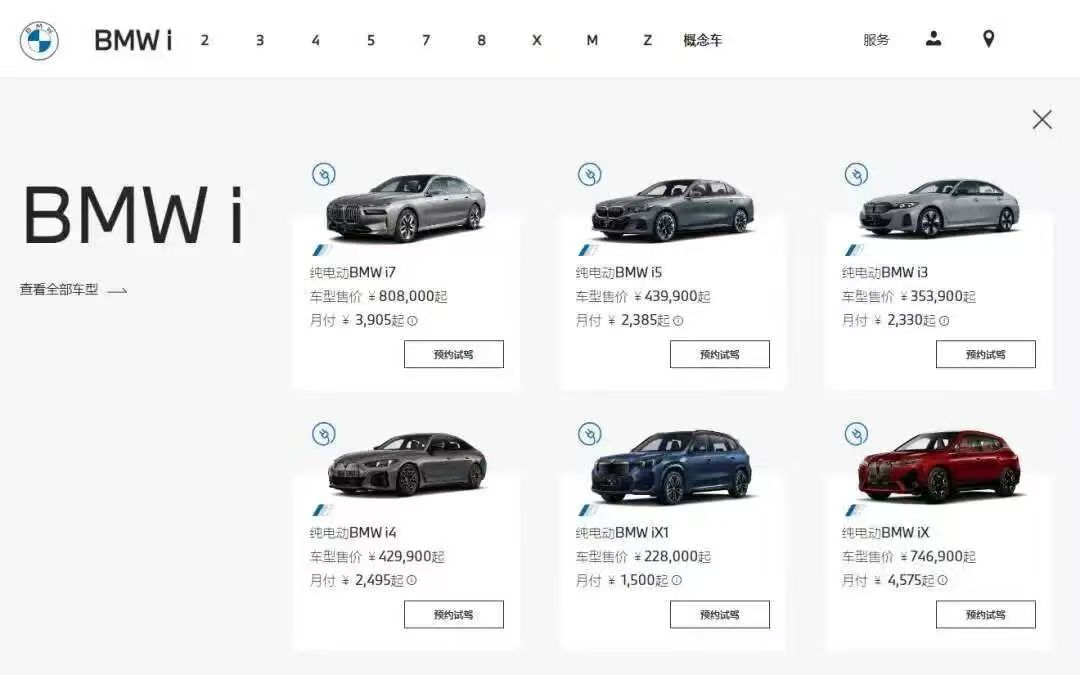
Group 1 - The core point of the article highlights the intensifying competition in the automotive industry, with multiple car manufacturers announcing price adjustments shortly after the release of the "Guidelines for Compliance with Pricing Behavior in the Automotive Industry" [1] - BMW China announced price reductions for 31 models, with the largest drop exceeding 300,000 yuan, and 24 models seeing reductions of over 10% [1] - Other manufacturers, including FAW-Volkswagen and Cadillac, also introduced significant price cuts, indicating a broader trend of price adjustments across the industry [3] Group 2 - The price cuts reflect underlying sales pressures, with BMW reporting a 11.2% year-on-year decline in deliveries in China for the first three quarters of 2025, totaling 465,400 vehicles [7] - FAW-Volkswagen aims to maintain positive growth, reporting a total sales figure of 902,066 vehicles for 2025, with a 21.2% increase in sales for the Magotan model [7] - The current price war differs from previous years as it involves joint ventures like BMW and Volkswagen rather than just domestic brands, indicating a shift in competitive dynamics [9] Group 3 - Consumers are advised to be patient and not rush into purchases, as the competition landscape is still evolving and the government subsidy for trade-ins has just begun [9] - The article warns that prolonged price wars could harm profit margins and ultimately affect product quality and after-sales service, suggesting that competition should focus on product, technology, and service improvements [12]
“一口价”“至高补贴5万元”,车企“618”花式促销
Hua Xia Shi Bao· 2025-06-18 12:08
Group 1: Core Insights - The annual "618" e-commerce promotion has expanded into the automotive sector, with various car manufacturers and e-commerce platforms launching significant discounts and promotional activities to capture market share [2][3] - The "one-price" strategy has become a prominent tactic during the "618" event, with brands like Cadillac, Buick, BYD, and Chery offering substantial price reductions and promotional offers [3][4] - The "one-price" model has shown to boost sales significantly, with Cadillac's XT5 experiencing a 114% year-on-year increase in sales after adopting this pricing strategy [3][4] Group 2: Market Dynamics - Many attractive "one-price" offers are often tied to specific conditions, such as trade-in subsidies, which can lead to higher actual prices for consumers who do not meet these conditions [4][5] - The automotive industry's reliance on high-interest car loans to support substantial discounts is facing challenges, as major banks have begun to suspend these loan products, potentially leading to price adjustments post-"618" [5][6] Group 3: International Expansion - The "618" event has introduced a new dimension with cross-border e-commerce platforms like AliExpress starting to sell complete vehicles to overseas consumers, marking a significant step in the globalization of Chinese automotive brands [6][9] - In 2024, China's automobile exports reached 6.407 million units, a 22.7% increase year-on-year, with a growing share of new energy vehicles, indicating a shift from price competition to value competition in the automotive sector [10][11] - The expansion into international markets presents both opportunities and challenges, particularly in logistics and after-sales service, which require careful planning and execution by automotive companies [10][11]
2万买大品牌新车,15万能进“豪门”!6月车市促销有点猛
Nan Fang Du Shi Bao· 2025-06-11 04:29
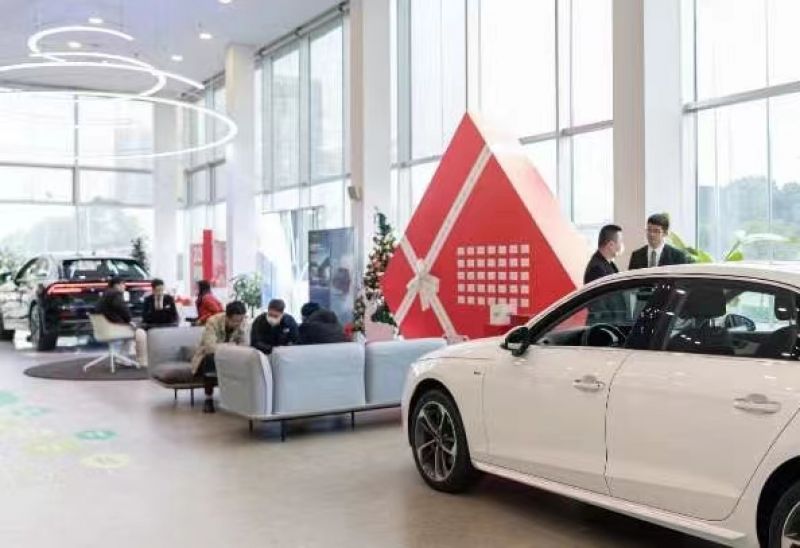
Group 1 - The automotive market is experiencing a significant price reduction, with new car prices reaching historical lows due to various subsidy policies and promotional discounts from manufacturers [1][2][5] - Major brands are offering substantial discounts, such as GAC Aion providing up to 35,000 yuan in trade-in subsidies and Chery's Tiggo 3X starting at 34,900 yuan, marking a historical low [2][6] - Luxury brands are also seeing price drops, with models like the Cadillac XT4 now available for under 160,000 yuan, and entry-level BMW electric models priced around 150,000 to 160,000 yuan [10][12] Group 2 - The promotional activities are intensified during June, coinciding with regional auto shows, leading to a flurry of limited-time offers from various manufacturers [2][4] - Despite aggressive pricing strategies, some dealers report that consumer interest has not significantly increased, with some experiencing lower sales during the holiday period compared to the previous year [9][13] - The second-hand car market is witnessing a rise in transaction volume, with some dealers reporting a 20% increase in sales, indicating a potential shift in consumer preference towards used vehicles amid new car price reductions [13]
自主、合资品牌“激战” 车企花式冲刺“6·18”
Zhong Guo Jing Ying Bao· 2025-06-05 04:23
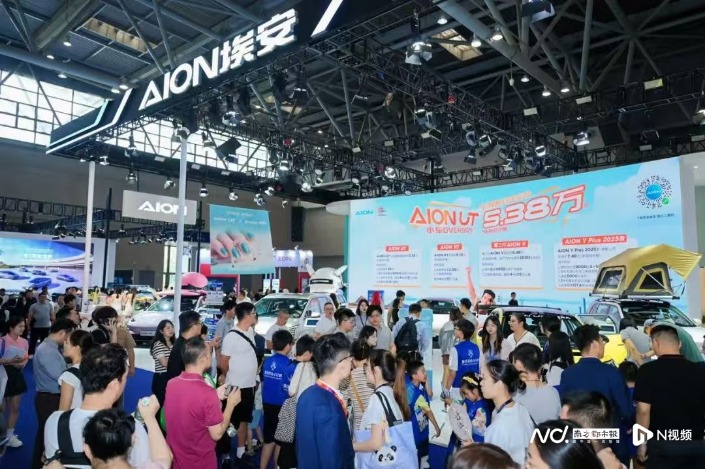
Core Insights - The automotive market is experiencing a promotional surge ahead of the "6.18" shopping festival, with numerous brands announcing price cuts and promotional offers [1][3] - The China Automobile Industry Association has issued a statement advocating for fair competition and opposing reckless price wars, which are seen as detrimental to the industry's health [1][5] - Companies like SAIC-GM are focusing on profitability and sustainable business practices, rejecting the notion of engaging in price wars [4][6] Group 1: Promotional Activities - Multiple automotive brands, including SAIC-GM, Geely, Chery, and others, have announced significant price reductions and promotional offers since mid-May [1] - Chery has launched limited-time discounts on over 30 models, with some vehicles being offered at substantial reductions [3] - Cadillac has introduced a "one-price" sales model for its new XT4 SUV, which has led to a significant increase in sales [2] Group 2: Industry Response to Price Wars - The China Automobile Industry Association has highlighted the negative impact of price wars on normal business operations and the supply chain [5] - The Ministry of Industry and Information Technology has expressed support for the Association's stance, emphasizing the need for innovation and quality over price competition [5] - Executives from various companies, including SAIC-GM and Dongfeng Honda, have reiterated the importance of maintaining profitability and avoiding unsustainable practices [6]
车企内卷式竞争引监管“亮剑”,专家建议严治行业违规行为
Nan Fang Du Shi Bao· 2025-06-04 14:46
Core Viewpoint - The automotive industry in China is experiencing a resurgence of price wars, driven by competitive pressures among manufacturers, particularly in the electric vehicle sector, leading to concerns about the sustainability of business practices and product quality [1][2][4]. Group 1: Sales Performance - BYD continues to lead the market with May sales of 382,500 units, a year-on-year increase of 15.3% [1] - SAIC Group follows closely with sales of 366,000 units in May, up 10.2% year-on-year [1] - Geely's sales surged to 235,200 units in May, marking a significant year-on-year growth of 46% [1] - New energy vehicle companies like Leap Motor and AITO also reported substantial growth, with Leap Motor delivering 45,100 units, a 148% increase year-on-year [1] Group 2: Price War Dynamics - BYD initiated a promotional campaign in May, offering discounts of up to 53,000 yuan on 22 models, aiming to boost sales towards its 2025 target of 5.5 million units [2] - Following BYD's lead, Geely and Chery also announced significant price cuts, with Geely's models seeing reductions to as low as 59,800 yuan and Chery offering discounts of around 40% on certain models [2] - The price war has extended to joint ventures and luxury brands, with notable price reductions from Toyota and Cadillac, indicating a broader market trend [2] Group 3: Industry Response and Concerns - The China Automotive Industry Association issued an initiative to maintain fair competition, warning against the negative impacts of chaotic price wars on profit margins and product quality [1][2] - Industry leaders, including Great Wall Motors and Xiaopeng Motors, expressed concerns about "involutionary" competition, calling for a return to innovation and quality-focused strategies [3][4] - The market is entering a phase of stock competition, with projected sales growth slowing to 4.5% in 2024, indicating a shift in market dynamics [4] Group 4: Implications of Involutionary Competition - The ongoing price wars are seen as a symptom of deeper issues, including insufficient innovation and a lack of effective management in the industry [4][5] - Continuous price reductions have led to a decline in procurement prices for components by 10%-15% annually, which may compromise quality and service reliability [5] - The automotive industry is at a critical juncture, facing challenges in maintaining operational sustainability and brand integrity due to the pressures of price competition [5][6] Group 5: Recommendations for Industry Improvement - Experts suggest that addressing "involutionary" competition requires a combination of government intervention and market regulation to ensure fair practices [6] - Recommendations include stricter penalties for violations, improved oversight of payment practices to suppliers, and the establishment of self-regulatory mechanisms within the industry [6] - Emphasis is placed on enhancing quality control across the supply chain and fostering a culture of innovation to break the cycle of price competition [6]

阿维塔12、吉利银河星耀8……5月上市新车回顾
Zhong Guo Zhi Liang Xin Wen Wang· 2025-06-03 08:56
Group 1 - The article reviews popular new car models launched in May 2025, highlighting their features and pricing [1] - The 2025 Avita 12 was launched on May 7, with a price range of 269,900 to 429,900 yuan, featuring advanced driving assistance systems and luxurious interior options [2][4][6] - The Geely Galaxy Star 8 was launched on May 9, priced between 115,800 and 155,800 yuan, offering multiple models with advanced safety features and luxurious seating [7][9][11] - The BYD Sea Lion 07 DM-i was launched on May 8, priced from 169,800 to 205,800 yuan, featuring a hybrid powertrain and advanced driving systems [12][13][15] - The Li Auto L series smart refresh was launched on May 8, with prices ranging from 249,800 to 439,800 yuan, featuring enhanced driving assistance and comfort features [16][17][19][21] - The 2025 Dongfeng eπ007 was launched on May 21, priced between 115,900 and 149,900 yuan, with upgrades in design and technology [24][26][28] - The XPeng MONA M03 Max was launched on May 28, with prices from 119,800 to 139,800 yuan, featuring advanced AI driving assistance and stylish design [29][31][34] - The Cadillac XT4 was launched on May 25, priced between 159,900 and 189,900 yuan, showcasing a distinctive design and powerful engine performance [35][37][39][40] Group 2 - The Avita 12 features a 755 km range for the pure electric version and a combined range of 1,155 km for the range-extended version [6] - The Geely Galaxy Star 8 offers a comprehensive sound system with 23 speakers and a hybrid powertrain with a torque of 605 N·m [11] - The BYD Sea Lion 07 DM-i has a fuel consumption as low as 4.7 L/100 km and a total range of 1,320 km [13] - The Li Auto L7 Max has increased its pure electric range from 225 km to 286 km, with a total range of 1,421 km [19] - The Dongfeng eπ007 features a drag coefficient of only 0.209 and offers fast charging capabilities [26][28] - The XPeng MONA M03 Max includes a high-performance AI driving system with 27 sensors and dual Orin-X chips [34] - The Cadillac XT4 is powered by a 2.0T engine with a maximum power output of 174 kW and a peak torque of 350 N·m [37][40]