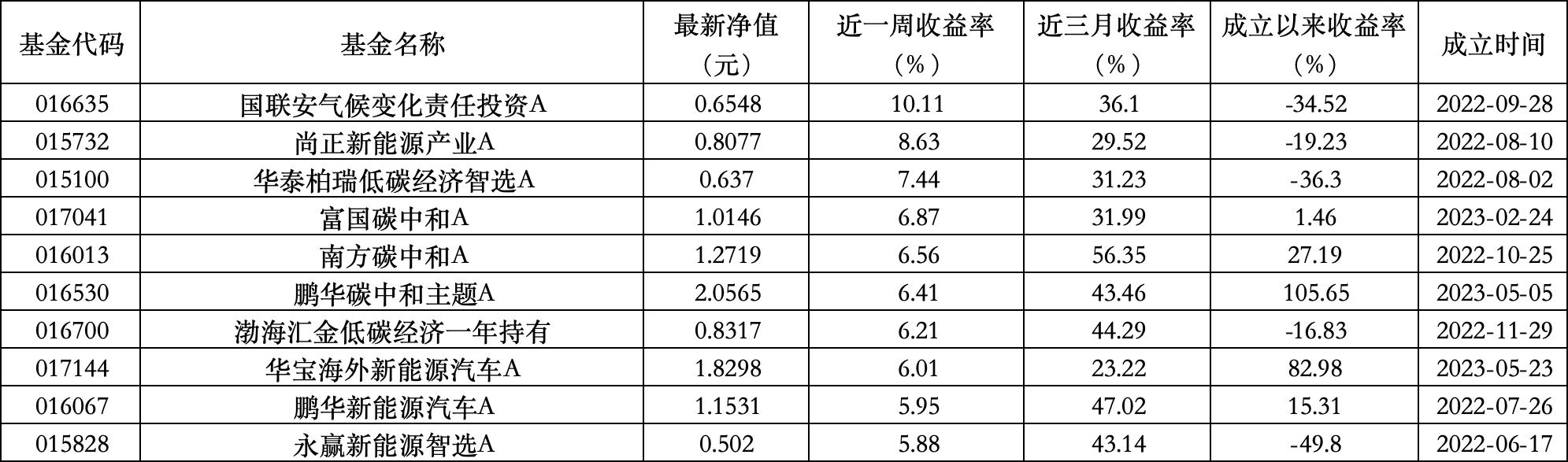
南方碳中和A

Search documents
南方碳中和A今年涨71%也清盘?年内超280只产品离场,业绩好坏均难逃规模“生死线”
Xin Lang Cai Jing· 2025-12-29 08:07
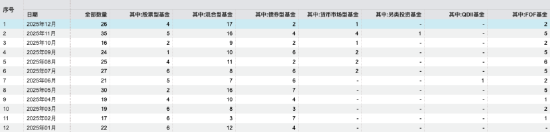
Core Insights - The public fund industry is experiencing a normalization of fund liquidations, with over 280 funds entering liquidation procedures by December 29, 2025, which is comparable to the 293 funds liquidated in 2024, indicating a trend of survival of the fittest within the industry [10][1][3] Fund Liquidation Structure - Among the 281 funds liquidated, mixed funds accounted for the largest share with 127 funds, representing over 45% of the total; followed by bond funds (53) and equity funds (51), with 36 FOF funds also liquidated [3][12] - The distribution of liquidated funds shows significant differentiation among fund management companies, with Bosera Fund leading with 16 liquidations, followed by Haifutong, Huaan, Huabao, and Nanfang Funds, each with 9 liquidations [3][12] Fund Age and Performance - The liquidated funds include both long-standing funds, such as those over ten years old, and newly established funds, with some funds like Huabao Yuan Shi A being liquidated within six months despite achieving a positive return of 11.35% [4][14] - A total of 235 out of 281 liquidated funds triggered termination clauses primarily due to asset sizes falling below 50 million yuan, highlighting that both performance and size are critical for fund survival [5][14] Performance Insights - Notably, some funds with strong performance, such as Nanfang Carbon Neutral A with a return of 71.03% this year, still faced liquidation due to not meeting asset thresholds, indicating a trend where investors redeem funds after achieving returns, leading to rapid size declines [6][15] - Conversely, funds with poor performance, such as Huabao Zhongzheng 1000 A, which has a cumulative return of -63.95%, also faced liquidation, reflecting a lack of sustainable operational capability [6][15] Industry Implications - The trend of liquidations is seen as a natural outcome of market evolution, with industry experts suggesting that investors should prioritize funds of moderate size and avoid those with high institutional ownership [8][17] - The reduction in the "shell" value of funds, due to lower approval and issuance thresholds, has led to a market environment where underperforming funds are not maintained, indicating a shift from a focus on initial launches to ongoing operational sustainability [8][17]

年内超280只基金清盘!混合型127只占半壁江山,博时基金共16只成“清盘王”,多只绩优基金亦难幸免
Xin Lang Cai Jing· 2025-12-29 07:56
Core Insights - The public fund industry is experiencing a normalization of fund liquidations, with over 280 funds entering liquidation by December 29, 2025, which is comparable to the 293 funds liquidated in 2024, indicating a trend of survival of the fittest in the industry [12][10][20] Fund Liquidation Overview - Among the 281 liquidated funds, mixed funds lead with 127 funds, accounting for over 45%, followed by bond funds (53) and equity funds (51) [3][14] - The distribution of liquidated funds shows significant differentiation among institutions, with Bosera Fund having the highest number of liquidations at 16, followed by several others with 9 and 8 liquidations [3][14] Fund Age and Performance - The liquidated funds include both long-standing funds over ten years old and newly established funds under one year, highlighting a diverse age range [4][15] - Notably, some funds, despite achieving positive returns, were still liquidated due to insufficient asset size, such as Huabao Yuanxi A, which had a return of 11.35% but was terminated due to net asset value falling below 50 million [6][16] Reasons for Liquidation - A significant majority of the liquidated funds, 235 out of 281, were forced to liquidate due to triggering contract termination clauses, primarily because their size remained below 50 million [7][17] - Even high-performing funds like Southern Carbon Neutral A, which had a return of 71.03%, faced liquidation due to not meeting asset size requirements, indicating a trend where investors redeem funds after achieving returns, leading to rapid size decline [8][18] Industry Implications - The trend of fund liquidations reflects a shift in the industry from a focus on initial launches to an emphasis on sustained performance, with investors encouraged to select funds with moderate sizes and avoid those with high institutional ownership [10][20] - The reduction in the "shell" value of funds, due to lower approval and issuance thresholds, has led to a market environment where underperforming funds are not maintained, resulting in a natural selection process within the industry [10][20]
迷你基金难逃清盘 多只绩优产品退场
Zhong Guo Zheng Quan Bao· 2025-12-28 21:08
Core Insights - Over 270 public funds have been liquidated this year, primarily due to insufficient scale, indicating a trend towards normalization of fund closures in the industry [1][2][4] - Even some small-sized high-performing funds have faced liquidation, as investors redeem their shares after achieving profits or breaking even, leading to insufficient scale [3][4] Fund Liquidation Details - As of mid-December, 21 funds have been liquidated in December alone, contributing to the total of over 270 funds this year [2] - The types of funds affected include bond funds, actively managed equity funds, ETFs, and FOFs, with both small and large fund companies involved [2] - Funds are terminated if their net asset value falls below 50 million RMB for 60 consecutive days or if the number of shareholders drops below 200 [2] Performance and Scale Issues - Some funds, despite achieving high returns, such as a 21.99% return for a healthcare fund in Q1 and a 71.03% return for another fund, still faced liquidation due to low asset values [3] - As of the end of Q3, there were still 2,924 funds with assets below 50 million RMB, including 324 funds with assets below 10 million RMB [3] Market Dynamics - The lowering of approval and issuance thresholds for new funds has diminished the "shell" value of funds, allowing fund companies to discontinue underperforming or small-scale products [4] - The market is experiencing a natural selection process, where mini funds and fund liquidations are becoming a common occurrence [4] - Investors are advised to prioritize funds with moderate scale and to avoid those with high institutional ownership, as large-scale redemptions can lead to rapid declines in fund size [4]
270只基金年内退场
Di Yi Cai Jing Zi Xun· 2025-12-17 15:58
Core Insights - The fund liquidation process is accelerating as the year-end approaches, with 270 funds having announced their exit this year, primarily due to insufficient scale or number of investors [2][5] - The trend of fund liquidation has become normalized, reflecting poor performance and loss of investor trust, pushing the industry towards a more refined product offering [2][5] Fund Liquidation Trends - As of December 18, 2023, the 17th fund of the month entered liquidation, with 47 additional funds issuing warnings about potential liquidation due to low asset values [3][4] - Equity funds are the most affected, with many newly established funds under a year old facing liquidation risks [4][5] Performance and Investor Trust - Over 60% of the funds that have exited this year are equity funds, attributed to poor performance and lack of investor confidence [5] - The market volatility has exacerbated the risks for "mini funds," which are funds with low asset values [5][9] Regulatory Changes and Fund Management - Fund companies are modifying automatic termination clauses to extend the liquidation period and provide more options for "mini funds," requiring investor input for decisions [6][8] - Failed attempts to hold shareholder meetings indicate low investor engagement, which complicates the decision-making process for fund companies [7][8] Market Dynamics - The current market environment has led to a significant number of funds struggling to maintain minimum asset values, with 2061 equity funds below 60 million yuan and 1586 below 50 million yuan [9]

270只基金年内退场
第一财经· 2025-12-17 15:48
Core Viewpoint - The article discusses the ongoing trend of fund liquidations as the year-end approaches, highlighting that 270 funds have been liquidated this year, with over 80% due to insufficient scale or number of investors [3][6]. Group 1: Fund Liquidation Trends - As of December 18, 2025, the 17th fund of the month entered liquidation, with 47 additional funds issuing warnings about potential liquidation [5]. - The majority of liquidated funds are equity funds, with 171 out of 270 funds liquidated this year being equity funds, accounting for over 60% of the total [6][11]. - Many newly established funds, some less than a year old, are facing liquidation, indicating a challenging environment for new products [5][6]. Group 2: Causes of Liquidation - Poor performance and loss of investor trust are cited as primary reasons for the liquidation of equity funds, exacerbated by a volatile market [6][10]. - A significant number of funds are failing to meet the minimum asset threshold of 50 million yuan, leading to liquidation warnings [5][6]. - Among the liquidated funds, at least 57 were initiated without meeting the minimum fundraising requirement of 200 investors or 200 million yuan, indicating a systemic issue in fund management [7]. Group 3: Mini Fund Challenges - The article highlights the ongoing struggles of "mini funds," which are funds with low asset sizes that are increasingly at risk of liquidation [8][10]. - Some fund companies have adjusted their automatic termination clauses to extend the liquidation period from 50 to 60 days, providing more options for struggling funds [9]. - Despite efforts to maintain operations, many funds are facing challenges in gathering sufficient investor participation for decision-making meetings [10]. Group 4: Market Dynamics and Future Outlook - The current market conditions are leading to a concentration of resources towards more competitive and viable funds, as the industry shifts towards a focus on quality over quantity [3][6]. - Fund companies are weighing the strategic value of maintaining underperforming funds, with some opting to retain funds that may have future potential despite current challenges [10]. - The scarcity of fund shell resources has increased the difficulty of reissuing certain specialized products after liquidation, suggesting a tightening market for fund offerings [10].

270只基金年内退场,次新基金与债基均难幸免
Di Yi Cai Jing Zi Xun· 2025-12-17 14:21
Group 1 - The core viewpoint of the article highlights the ongoing trend of fund liquidations as the year-end approaches, with 270 funds having announced their exit this year, primarily due to insufficient scale or number of investors [1][3][4] - A total of 47 funds have issued liquidation warnings this month, indicating a significant number of products are at risk of being forced out of the market [2][3] - Equity funds are identified as the most affected category, with 171 out of the 270 liquidated funds being equity funds, representing over 60% of the total [3][4] Group 2 - The article notes that many newly established funds, including those less than a year old, are facing liquidation, reflecting a broader trend of underperformance and loss of investor confidence [1][2] - The bond market's continued adjustment in the fourth quarter has also led to several bond funds facing liquidation or warning signs, indicating a challenging environment for these products [3][4] - The industry is witnessing a shift towards a more selective approach, with resources likely concentrating on more competitive products as the number of funds exceeds ten thousand [1][5] Group 3 - Fund companies are modifying their automatic termination clauses to extend the liquidation period and provide more options for "mini funds," but the decision to liquidate or continue operations still requires investor input [5][6] - Instances of failed shareholder meetings to decide on fund continuance are becoming common, reflecting low investor engagement and interest in these products [6][7] - The article suggests that the decision to maintain or liquidate a fund often depends on the strategic positioning of the product within the company's portfolio, with some companies willing to retain funds that may have future potential [7][8]
ESG公募基金周榜98期 | 上榜基金3只收跌,泛ESG主题基金持续领跑
Mei Ri Jing Ji Xin Wen· 2025-09-21 02:20
Core Insights - The article discusses the performance of ESG mutual funds during the observation period from September 15 to September 19, 2022, highlighting a decline in returns for most fund categories except for broad ESG-themed index funds [1] - The broad ESG-themed funds continue to lead, with active funds showing an average weekly return of 7.01% and index funds at 4.55% [1] - Pure ESG-themed funds experienced a significant drop in returns, with active funds averaging 1.21% and index funds at 0.17%, and three funds reported losses [1] Fund Performance Summary - The top-performing broad ESG-themed active funds include: - "浦银安盛ESG责任投资A" with a weekly return of 2.18% and a total return since inception of -6.87% [3] - "兴证全球可持续投资三年定开" with a weekly return of 1.86% and a total return since inception of 38.05% [3] - The top-performing broad ESG-themed index funds include: - "鹏华国证ESG300ETF" with a weekly return of 0.39% and a total return since inception of 2.91% [6] - "国联安国证ESG300ETF" with a weekly return of 0.39% and a total return since inception of 16.12% [6] Fund Classification and Methodology - ESG funds are categorized into two main types: ESG-themed funds and broad ESG-themed funds, further divided into active and index funds based on investment strategies [8] - The weekly rankings are compiled from operational public funds, excluding those that have been liquidated, and will include ESG bond funds in future rankings [8]