
露营帐篷

Search documents
春暖动起来 户外消费随之升温
Xin Lang Cai Jing· 2026-02-27 22:33
Group 1 - The outdoor consumption in Chengdu is increasing as the weather improves, with more citizens engaging in outdoor activities such as park visits and hiking [1] - Sales of outdoor products, particularly lightweight jackets and camping gear, have seen a significant rise, with Decathlon reporting a 65.8% increase in sales from February 15 to 21 compared to the previous week [2] - The consumer profile for outdoor activities is becoming more diverse, with families preferring park camping and experienced individuals exploring more challenging hiking routes [2] Group 2 - Bicycle rentals have surged, with an increase of 30% to 40% in rental customers at local bike rental shops, particularly among tourists and new local riders [3] - The rental model is appealing to consumers due to its cost-effectiveness compared to purchasing a bike, with rental prices averaging around 80 yuan per day [3] - The warming weather is driving enthusiasm for outdoor activities, positively impacting the local sports retail and rental market [3]
2025,中国旅游消费彻底变了
Sou Hu Cai Jing· 2026-01-01 01:48
Core Insights - In 2025, domestic tourism consumption in China experienced an unexpected trend where major economic hubs like Beijing and Shanghai saw a decline in tourism spending, while less developed regions such as Northeast (Heilongjiang, Jilin, Liaoning), Northwest (Gansu, Qinghai), and Southwest (Yunnan, Guizhou) exhibited a surge in tourism activity [2][4][9]. Group 1: Consumption Patterns - Beijing and Shanghai have been categorized as "cautious consumers," indicating that residents in these economically advanced cities are spending less on tourism compared to their counterparts in less affluent regions [3][4]. - The decline in tourism spending in Beijing and Shanghai is attributed to high living costs and economic pressures, leading residents to reduce their travel budgets significantly [4][5]. - In contrast, residents in the Northeast, despite lower incomes, are more willing to spend on tourism due to lower living costs and stable incomes, resulting in a higher propensity for travel [10][11]. Group 2: Changing Consumer Behavior - A notable trend in 2025 is the shift towards camping and high-cost performance experiences, with many tourists opting to sleep in tents rather than expensive hotels during peak travel times [12][13]. - The concept of "high cost performance" has become crucial in influencing tourism consumption decisions, with consumers seeking value for money and unique experiences [14][19]. - The demand for high cost performance is not limited to tourism but reflects a broader global consumer trend towards purposeful spending [16][18]. Group 3: Ineffectiveness of Traditional Stimulus Measures - Traditional measures to stimulate tourism, such as free admission and consumption vouchers, have become less effective, prompting the need for new strategies [20][21]. - New initiatives, including the introduction of school autumn breaks and local cultural festivals, have emerged as effective means to boost tourism consumption [21][22]. - The rise of local intangible cultural heritage as a tourism draw has shown significant potential, with many regions successfully leveraging these cultural elements to attract visitors [24]. Group 4: Future Opportunities - The tourism industry is witnessing a shift in focus towards high-activity markets like Northeast China, with new tourism products and services being developed to meet changing consumer preferences [26][27]. - The introduction of new public holidays and school breaks is expected to further stimulate tourism consumption in the coming years, with predictions of increased government-led cultural and tourism festivals [27][28]. - The evolving landscape of tourism consumption presents opportunities for businesses that can adapt to the demand for high cost performance and unique experiences [28][29].


2025-2031年中国露营市场发展商机与投资前景分析报告
Sou Hu Cai Jing· 2025-12-27 07:08
Group 1 - The report analyzes the development opportunities and investment prospects of the camping market in China from 2025 to 2031 [2] - It provides a comprehensive overview of the camping industry, including definitions, characteristics, classifications, and key equipment [2][3] - The report outlines the macro environment analysis of the Chinese camping industry, including policy, economic, social, and technological factors [3][4] Group 2 - The report includes a global perspective on the camping industry, detailing its development history, current status, and market trends [4][5] - It highlights the competitive landscape of the global camping market, including key players and mergers and acquisitions [5][6] - The report forecasts the market size and trends for the global camping industry over the next five years [5][6] Group 3 - The analysis of the Chinese camping industry includes a detailed examination of market supply and demand, trade status, and development pain points [6][7] - It discusses the characteristics of registered enterprises in the camping sector, including their distribution and capital structure [7][8] - The report evaluates the competitive situation within the Chinese camping industry, including market concentration and competitive dynamics [7][8] Group 4 - The report provides insights into the camping industry's value chain and associated industries, analyzing cost structures and pricing mechanisms [8][9] - It examines the market for specific camping products, such as tents and RVs, detailing their current status and future trends [9][10] - The report also analyzes consumer behavior and sales strategies within the camping market [10][11] Group 5 - The report includes case studies of representative companies in the Chinese camping industry, detailing their business structures and market strategies [10][11] - It assesses the investment strategies and opportunities within the camping sector, identifying potential areas for growth and development [12][13] - The report concludes with a SWOT analysis and future development forecasts for the Chinese camping industry [16][17]

趋势研判!2025年中国露营帐篷行业发展历程、发展背景、市场规模、重点品牌及未来趋势:露营经济带动帐篷市场需求增长,行业步入快速发展阶段[图]
Chan Ye Xin Xi Wang· 2025-12-23 01:22
Industry Overview - The camping tent market is experiencing significant growth driven by the rising popularity of outdoor activities and the influence of social media [1][9] - The market demand for camping tents is expected to reach 9.417 billion yuan in 2024, representing a year-on-year growth of 20.7% [1][9] - The camping economy in China is projected to reach a core market size of 213.97 billion yuan by 2024, with a total market size of 1.15545 trillion yuan [7][9] Industry Development History - The camping tent industry originated in Europe in the late 19th century, evolving with advancements in materials and technology [6] - The industry saw rapid growth during the 20th century, particularly during the post-war period and the rise of outdoor activities in the 1960s to 1980s [6] Industry Background - Camping has transitioned from a niche experience to a mainstream leisure activity, supported by policy initiatives and the growth of the tourism economy [7] - The camping industry is expanding steadily, with a forecasted market size increase to 248.32 billion yuan by 2025 [7] Industry Chain - The camping tent industry chain includes upstream raw materials (e.g., polyester fabric), midstream manufacturing, and downstream sales channels [7] Current Market Status - The camping tent market in China has grown from 5.952 billion yuan in 2015 to an estimated 32.107 billion yuan in 2024, with a compound annual growth rate of 20.59% [9] Competitive Landscape - The camping tent industry features a mix of domestic and international brands, with high-end brands like Snow Peak and Coleman leading the market [10] - Domestic brands such as MobiGarden and Camel are gaining market share by focusing on cost-effectiveness and rapid market response [10] Key Companies - MobiGarden Outdoor Products Co., Ltd. reported a revenue of 1.303 billion yuan in 2024, a decrease of 10.45% due to market conditions affecting its brand business [10][11] - Beijing Sanfu Outdoor Products Co., Ltd. achieved a revenue of 362 million yuan in the first half of 2025, reflecting a year-on-year growth of 15.66% [12] Future Trends - The camping tent market is expected to evolve towards specialization and functionality, with products tailored for specific environments and activities [13] - Smart camping tents integrating technology for comfort and energy efficiency are anticipated to become more prevalent [13] - Sustainability will drive innovation, with a focus on recyclable materials and eco-friendly practices throughout the product lifecycle [14][15]


经济越来越差,这八大行业越赚爆!
创业家· 2025-12-13 10:09
Core Insights - The article emphasizes that despite the prevailing narrative of economic hardship, certain industries are thriving and generating substantial profits, particularly in the context of Japan's "lost 30 years" and its implications for China [3][4]. Group 1: Emerging Opportunities - The article identifies eight key industries that are experiencing growth despite a low-desire society, highlighting that consumer demand is shifting rather than disappearing [4][5]. - The second-hand economy is booming, with examples like Japan's "Daikokuya" and China's "Hongbulin" and "Panghu" seeing significant revenue increases as consumers opt for second-hand luxury goods [6][7][8][9]. - The pet economy is flourishing, with brands like "Inaba" in Japan and "Guibao" in China witnessing strong sales, as younger generations prioritize spending on pets over traditional family structures [11][12][13][14][15]. Group 2: Health and Wellness Trends - The adult care market is expanding, with Japan's "Unicharm" leading the adult diaper segment, which has surpassed $10 billion in market size, indicating a potential growth area in China [16][17][18]. - Health food and beverage sectors are rising due to changing demographics and increased health awareness, with brands like "Oriental Leaf" and "Jianchun" gaining traction in the post-pandemic era [21][22]. Group 3: Beauty and Lifestyle - The beauty economy is thriving, with products like collagen supplements and home beauty devices achieving significant sales, reflecting a consumer desire for affordable beauty solutions [23][25]. - Outdoor and leisure activities are gaining popularity, with brands like "Snow Peak" in Japan and various Chinese outdoor brands experiencing rapid sales growth, as consumers seek experiences over material possessions [25][26][27]. Group 4: Emotional and Convenience Economies - The emotional economy is highlighted through the success of brands like "Labubu" and "Rio," which cater to consumers' desires for comfort and enjoyment during challenging times [28][29][30]. - The convenience economy is on the rise, with frozen food brands and smart home appliances addressing the needs of younger generations who have less time for cooking [33][35][36]. Group 5: Strategic Planning and Future Outlook - The article concludes by urging businesses to adapt their strategies in light of these emerging trends, emphasizing the importance of strategic planning and resource allocation to thrive in a low-desire economy [39][40].

限定秋景催热“赏叶游”
Qi Lu Wan Bao· 2025-10-27 16:23
Core Insights - The article highlights the surge in tourism in Shandong, particularly focused on autumn leaf viewing, with various scenic spots attracting significant visitor numbers during this season [2][5]. Group 1: Tourism Trends - Shandong has become a popular destination for autumn tourism, with various locations like Jinan's Hu Cheng He and scenic spots like Xiezi Mountain and Lingyan Temple seeing increased visitor traffic [2][5]. - The peak season for autumn leaf viewing has led to a notable rise in visitor numbers, with some attractions reporting daily visitors reaching up to 15,000 on weekends [2][5]. Group 2: Scenic Spot Activities - Scenic spots are enhancing visitor experiences by organizing interactive activities and optimizing their offerings, such as the "Lingyan Ginkgo Seeking Gold Mission" at Lingyan Temple [3][4]. - Red Leaf Shiyuan has created immersive experiences by integrating various activities, including a glass water slide and cultural performances, to attract a diverse age group [4]. Group 3: Expert Recommendations - Experts suggest that Shandong's scenic spots should continue to innovate by creating unique activities tailored to different demographics, while also enhancing collaboration between nearby attractions to avoid homogenization [5]. - Safety measures and visitor management strategies are essential to handle the increased foot traffic during peak seasons, ensuring a safe experience for all visitors [5].

我省前三季度进出口规模创历史同期新高——卡准新赛道,海外市场火了“江苏造”
Xin Hua Ri Bao· 2025-10-21 23:13
Group 1: Export Growth and High-End Products - Jiangsu's total import and export value reached 4.38 trillion yuan in the first three quarters, marking a historical high and a 6.4% increase year-on-year [1] - The demand for high-end machine tools, referred to as "industrial mother machines," has surged, with Jiangsu exporting machine tools worth 12.51 billion yuan, a 16.6% increase year-on-year [2] - The company JiuLang KaiLong has seen its business volume triple over the past decade, with a new machine tool product improving processing efficiency by 40% [2] Group 2: Local Enterprises Expanding Overseas - Tianhong Machinery has developed innovative aluminum melting equipment, achieving a 12.88% increase in export value to approximately 62 million yuan in the first nine months [3] - The Asia-Pacific manufacturing base of Ingersoll Rand in Wujiang has seen exports exceed 500 million yuan, with a nearly 10% year-on-year growth [4] Group 3: Consumer Goods and Market Demand - Jiangsu's household appliance exports reached 55.78 billion yuan, a 9.3% increase, with washing machines and vacuum cleaners showing growth rates of 3.2% and 2.9% respectively [4] - The company Makita has reported a 10.4% increase in vacuum cleaner exports, totaling over 26.67 million yuan [6] - StarMai Innovation Technology has expanded its market for pool cleaning robots, achieving a 360% increase in exports to over 40 million yuan [6] Group 4: Cross-Border Logistics Enhancements - The "Zhongjiwu" multimodal transport train has improved logistics efficiency, reducing transportation costs by 10% compared to full rail and 33% compared to road transport [8] - New air routes from Yancheng to Osaka have provided cost-effective solutions for small and fast-moving goods, enhancing logistics capabilities [8] - The successful export of fresh flowers from Suzhou to South Korea via cold chain logistics marks a new cross-border logistics channel [9] Group 5: Overall Trade Performance and Future Outlook - The diverse growth in high-end equipment, consumer goods, and logistics support reflects Jiangsu's manufacturing strength and innovative trade pathways [10] - The upcoming China International Import Expo is expected to further enhance Jiangsu's foreign trade dynamics [10]
旺季竟然有不少空房,酒店老板有点慌:你们旅游的,不睡酒店睡车上?
3 6 Ke· 2025-10-17 01:45
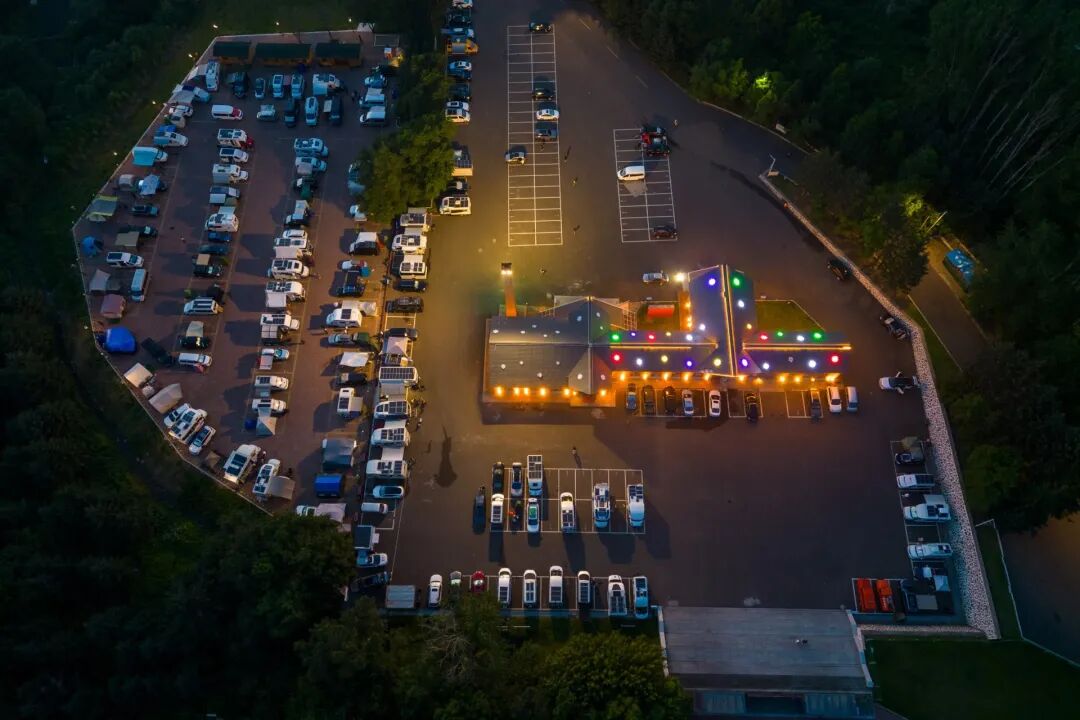
Core Insights - The rise of car camping and the use of car mattresses during holidays is significantly impacting the hotel industry, as more travelers opt for sleeping in their vehicles instead of booking hotel rooms [1][5][6] - The competition landscape for hotels has shifted, with traditional competitors now including not only other hotels but also higher-end hotels, car camping options, and even tents [3][8] - The self-driving travel trend is growing rapidly, with a notable increase in rental car orders and self-driving tourism demand, indicating a shift in consumer preferences [4][5][6] Industry Impact - During the recent National Day and Mid-Autumn Festival holidays, many hotels reported higher vacancy rates despite high tourist traffic, attributed to the increasing number of travelers choosing to sleep in their cars [3][5] - The hotel industry is facing intense competition due to an oversupply of hotel rooms, with over 600 new hotel rooms added in the vicinity of one hotel, leading to a significant diversion of guests [8][10] - The average daily room rates for high-end hotels have dropped significantly, with some hotels reducing prices from around 1300 yuan to as low as 500 yuan to attract customers [8][9] Consumer Behavior - The trend of "living in cars" is becoming more popular, with many travelers sharing their experiences on social media, highlighting the cost-effectiveness and convenience of car camping [1][3] - The demand for camping-related products, such as inflatable mattresses and outdoor gear, has surged, indicating a shift in consumer spending towards self-sufficient travel options [4][6] - The demographic of self-driving travelers is diversifying, with significant growth among younger generations and older adults, suggesting a broadening appeal of this travel style [4][6] Market Dynamics - The hotel industry is experiencing a supply-demand imbalance, with the number of hotels increasing faster than the growth in customer demand, leading to heightened competition [10][11] - High-end hotels are adopting aggressive pricing strategies to maintain occupancy, which is adversely affecting mid-range hotels and local brands [9][10] - The shift towards self-driving and car camping is prompting hotels to rethink their value propositions and service offerings to better meet evolving consumer needs [11][12]
旺季竟然有不少空房,酒店老板有点慌:旅游的不睡酒店睡车上?
Mei Ri Jing Ji Xin Wen· 2025-10-16 22:34
Core Insights - The rise of car camping and the use of car mattresses during holidays is significantly impacting the hotel industry, as more travelers opt for sleeping in their vehicles instead of booking hotel rooms [1][5][6] - The competition landscape for hotels has shifted, with hotels now competing not only with each other but also with higher-end hotels, cars, and even tents for customers [3][8] - The self-driving travel trend is growing, with a notable increase in rental car orders and self-driving tourism demand, indicating a shift in consumer preferences [4][5][6] Industry Trends - During the recent National Day and Mid-Autumn Festival holidays, the reading volume of car camping topics on social media platforms reached 110 million, with related discussions on electric vehicle camping increasing by 50 million [1] - The Ministry of Transport reported that by 2025, 80% of travelers are expected to choose self-driving as their mode of transport during holidays [1] - The demand for self-driving travel has increased by 6.7% year-on-year during the holiday period, with significant growth in various age groups, particularly among younger generations and families [4] Hotel Industry Impact - Hotel occupancy rates are declining, with many hotels experiencing higher vacancy rates during peak seasons, attributed to the rise of car camping and increased hotel supply [3][5][8] - The hotel industry is facing intense competition due to an oversupply of rooms, with over 600 new hotel rooms added in the vicinity of one hotel alone [8] - High-end hotels are engaging in price wars, significantly lowering their rates to attract customers, which is squeezing the middle-tier hotels [8][9] Consumer Behavior Changes - Consumers are increasingly seeking privacy, safety, and comfort in their travel experiences, leading to a rise in the popularity of customized car camping products [6] - The trend of "living in a car" is becoming more common, with many travelers opting for car mattresses and camping gear instead of traditional hotel accommodations [3][5] - The market for camping-related products, such as inflatable mattresses and portable power supplies, has seen substantial sales growth, indicating a shift in consumer spending habits [4][6]
旺季竟然有不少空房,酒店老板有点慌:你们旅游的,不睡酒店睡车上?游客纷纷种草:怒省几大千
Mei Ri Jing Ji Xin Wen· 2025-10-16 15:09
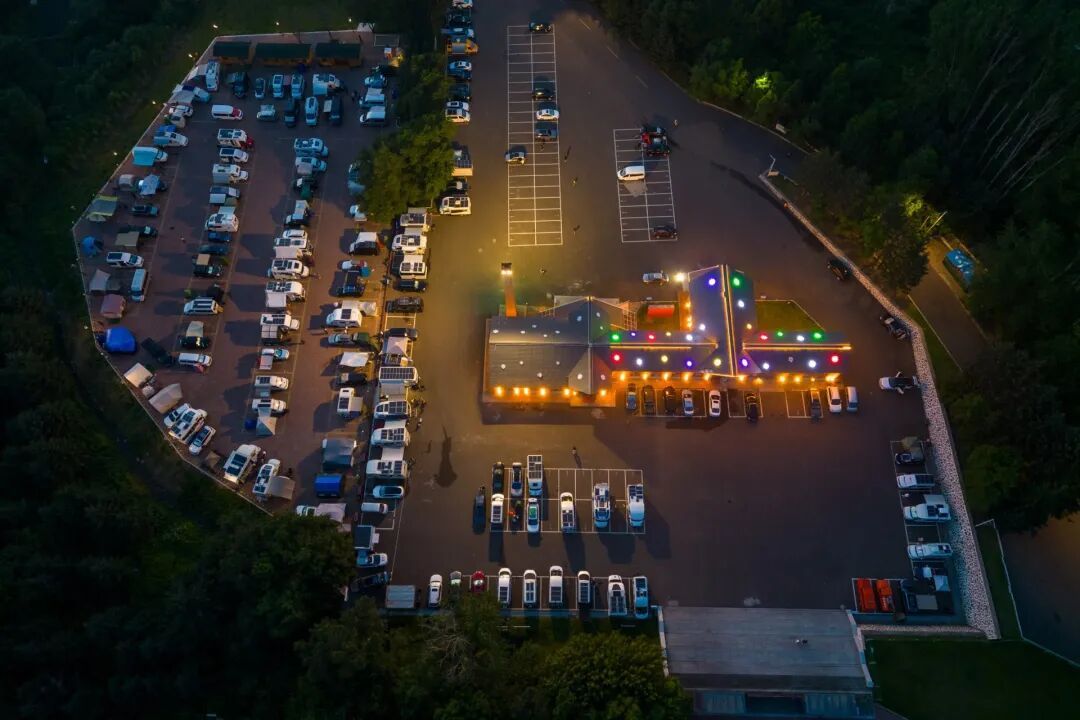
Core Viewpoint - The rise of car camping and the use of mobile sleeping arrangements in electric vehicles are significantly impacting the traditional hotel industry, leading to increased competition and changing consumer preferences [1][3][5]. Group 1: Changes in Consumer Behavior - During the recent National Day and Mid-Autumn Festival holidays, the popularity of car camping surged, with discussions on social media platforms like Xiaohongshu reaching 110 million views [1]. - The proportion of self-driving trips is projected to reach 80% by 2025, indicating a shift in travel preferences towards more flexible and cost-effective options [1][3]. - The demand for car camping has led to a notable increase in related product sales, such as inflatable mattresses and outdoor gear, with some items seeing sales growth of over 80% [4][5]. Group 2: Impact on the Hotel Industry - Hotel occupancy rates are declining, with many hotels experiencing unprecedented levels of vacancy during peak seasons, attributed to competition from car camping and other alternative accommodations [3][5][8]. - The hotel industry is facing increased competition not only from other hotels but also from the growing number of available rooms, with over 600 new hotel rooms added in a specific area, leading to a significant diversion of guests [8][10]. - High-end hotels are engaging in price wars, with room rates dropping significantly to attract customers, which is squeezing the middle-tier hotels and altering the competitive landscape [9][10]. Group 3: Industry Trends and Future Outlook - The hotel industry is undergoing a transformation, moving from expansion to a focus on operational efficiency and service quality in response to changing consumer demands [11]. - The trend of short-distance and county-level travel is becoming more prominent, with lower-tier cities showing higher occupancy rates compared to major urban centers [10][11]. - The increasing comfort and features of electric vehicles, such as improved seating and air conditioning, are making car camping a more appealing option for travelers [6][10].