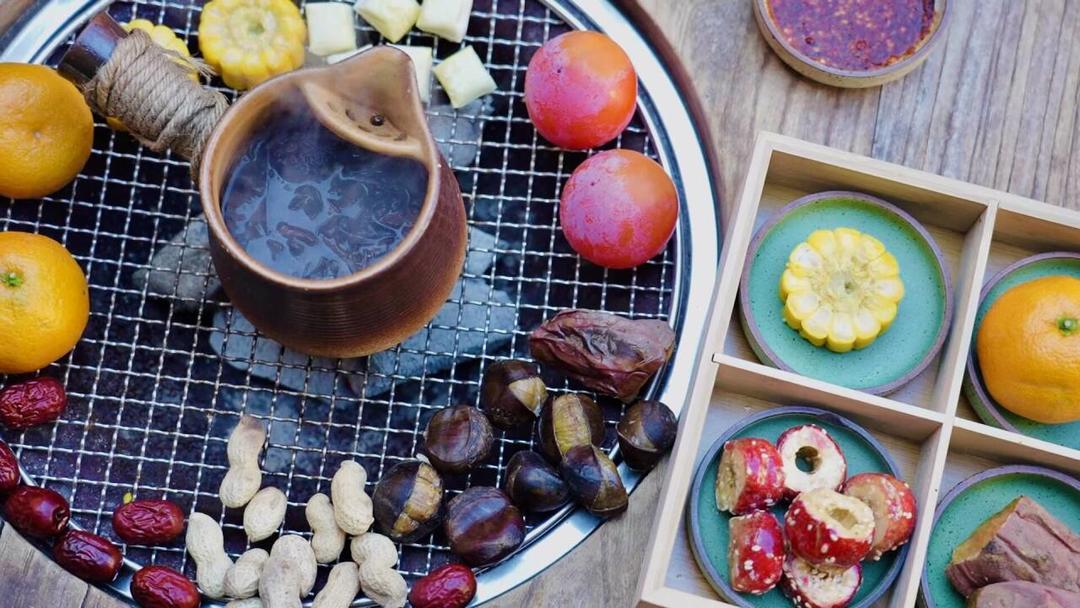
围炉煮茶套餐

Search documents
安吉返乡青年在浒溪边开茶室
Xin Lang Cai Jing· 2026-01-30 17:41
Core Viewpoint - The article highlights the transformation of Lin Zhiyuan's tea house, Nanyu Tea House, which was established in response to the ecological improvements of the Huxi River, showcasing the connection between environmental restoration and local business success [1][2][3]. Group 1: Business Development - Lin Zhiyuan returned to his hometown to open Nanyu Tea House after feeling nostalgic for the natural environment and community spirit [1]. - The tea house officially opened in the summer of 2022 after a six-month renovation of a rented station [1]. - The business strategy includes seasonal adjustments, such as offering river activities in summer and indoor tea services in winter [2]. Group 2: Ecological Impact - The local government initiated a river remediation project in May 2023, significantly improving the ecological environment of the Huxi River [2]. - The ecological restoration has led to increased visitor numbers, with more people engaging in activities like crab catching [2]. - Lin Zhiyuan emphasizes that the improved environment is the tea house's greatest competitive advantage and has fostered a sense of responsibility towards maintaining the river's cleanliness [3]. Group 3: Marketing Strategies - Nanyu Tea House collaborates with local accommodations to offer promotional coffee vouchers, enhancing customer flow between businesses [2]. - The tea house has diversified its product offerings to meet the varied demands of tourists, including coffee and tea packages [2]. - Creative marketing efforts, such as an inviting sign, have attracted more visitors to the tea house [2].
离了风浪近了湖光 上岸渔民沏茶忙
Xin Lang Cai Jing· 2026-01-14 16:32
Core Insights - The article highlights the transformation of former fishermen into entrepreneurs in the tourism and hospitality sector, specifically through the establishment of a tea house named "Jianshanju" by a couple who previously relied on fishing for their livelihood [1][2] Group 1: Business Transformation - The couple, Zhu Cunlian and Wang Siqin, transitioned from fishing to running a tea house, investing over 400,000 yuan (approximately 56 million USD) after receiving a government subsidy of 280,000 yuan for their fishing boat [1] - "Jianshanju" offers tea and seasonal snacks, with prices ranging from 108 yuan to 328 yuan, and has seen increasing popularity, especially during peak seasons and holidays [2] Group 2: Economic and Ecological Impact - The shift from fishing to tourism reflects a broader trend among many former fishermen along Chaohu Lake, who are embracing new business opportunities in tourism and specialty services [2] - Local government support through policies and skills training has facilitated the transition for fishermen, allowing them to benefit from ecological improvements and increased tourism [2]
不只是看烟花,2026跨年夜还在看什么?
Tai Mei Ti A P P· 2025-12-31 11:47
Group 1 - The core event of the news is the New Year's Eve celebrations across various cities in China, highlighting the growing trend of "cross-year economy" which has become a significant driver of winter consumption and urban vitality [5][6] - The cross-year economy is characterized by diverse activities ranging from cultural performances to immersive experiences, catering to the emotional and experiential needs of consumers, particularly the younger generation [5][6][9] - Data from Meituan Travel indicates a 117% increase in bookings for cultural and tourism activities during the New Year period, with searches for "cross-year fireworks shows" and "cross-year concerts" rising over 500% [3][5] Group 2 - The trend of cross-year celebrations has evolved beyond mere festivities to encompass a full consumption ecosystem, integrating dining, accommodation, shopping, and cultural experiences [6][7] - The rise of new consumption patterns is evident as businesses innovate to meet the emotional value demands of consumers, leading to unique offerings such as outdoor music events and themed dining experiences [5][6][9] - The phenomenon of "cross-year economy" is expanding from first-tier cities to lower-tier cities, with local characteristics being incorporated into celebrations, thus enhancing regional tourism and local product sales [6][7]
财经聚焦丨跨年消费,场景焕新,有哪些新看点?
Xin Hua Wang· 2025-12-30 11:15
Core Insights - The cross-year consumption trend is on the rise, with new experiences and activities being introduced across various regions, enhancing the sense of ritualistic consumption as the New Year approaches [1][5][10] Group 1: New Consumption Trends - The cross-year consumption scene is evolving, with activities such as fireworks shows, themed markets, and immersive experiences becoming popular [1][5] - In Jilin, the "Cloud Top Palace" snow sculpture, which integrates holographic projection technology, is a highlight, attracting visitors with its immersive storytelling [3][6] - In Shanghai, the International Cruise Tourism Resort is hosting a series of events including music performances and fashion shows, indicating a shift towards more engaging and experiential offerings [5][10] Group 2: Regional Highlights - Jilin Province is promoting winter tourism with a budget of 1 billion yuan in ice and snow consumption vouchers, aiming to stimulate various related sectors [6] - In Shanghai, the Yao Snow Ice World is seeing a significant increase in hotel bookings, with expectations of over 50,000 visitors during the New Year holiday [6][8] - In Hunan, the popularity of artificial snow installations and themed events in shopping malls reflects a growing trend towards creating festive atmospheres [5][10] Group 3: Consumer Preferences - Consumers are increasingly seeking experiences that provide emotional value and personalization, such as themed tea sessions and outdoor concerts [11][13] - The shift from sightseeing to experiential consumption is evident, with a focus on diverse activities and cultural experiences [11][13] - The demand for unique and high-quality experiences is driving innovation in service offerings and infrastructure improvements across the tourism sector [13]


(走进中国乡村)湖南千年古驿“慢生活” 重塑城市休闲潮
Zhong Guo Xin Wen Wang· 2025-12-16 09:13
Core Viewpoint - The ancient village of Jingping in Hunan is transforming into a leisure destination that emphasizes a "slow life" experience, attracting urban families seeking tranquility and cultural immersion [1][2]. Group 1: Cultural and Historical Significance - Jingping Ancient Village was historically a key stop on the Jing-Kun Ancient Post Road, with cultural relics such as the Pan Clan Ancestral Hall and Ming-Qing architectural groups still preserved [2]. - The village retains its original charm while integrating modern elements, allowing visitors to escape urban noise and enjoy a unique local atmosphere [2]. Group 2: Development and Transformation - The village was previously a "three-no" scenic area (no security, no facilities, no renovations) but is undergoing a comprehensive planning and renovation project, set to be completed by May 2024, coinciding with the 5th Hunan Tourism Development Conference [2][4]. - The renovation aims to preserve the village's authenticity while allowing for the development of cultural tourism facilities, with only 15% of the village's courtyards permitted for redevelopment [4]. Group 3: Visitor Experience and Engagement - The village offers a blend of historical and modern attractions, including tea houses, cultural workshops, and immersive experiences that allow visitors to engage with local traditions [4]. - The village continues to attract approximately 50,000 visitors weekly, even during the off-peak season, highlighting its appeal as a serene getaway [5].
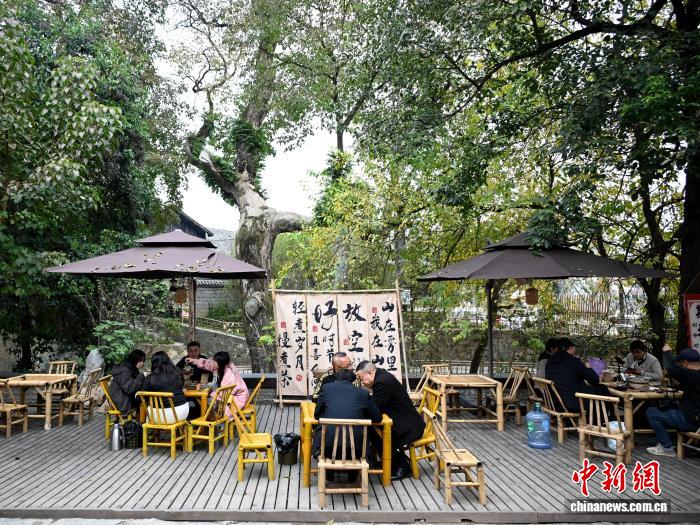
热可乐、热啤酒……解锁青岛“暖经济”密码
Qi Lu Wan Bao· 2025-12-11 11:06
Core Viewpoint - Qingdao's "warm economy" is thriving during the winter season, transforming cold weather into a unique attraction for both locals and tourists, with various warm consumption experiences emerging as new growth points for the city's economy [1][11]. Group 1: Warm Consumption Experiences - The winter season in Qingdao has led to the popularity of traditional activities such as "围炉煮茶" (tea brewing around a stove), where friends gather to enjoy warm drinks and snacks, creating a cozy atmosphere [3][5]. - New beverage offerings like "hot cola" have been introduced, combining traditional flavors with health-oriented ingredients, catering to diverse consumer preferences [5]. - The winter market scene has shifted to include warm food options like beef and lamb hot pots, which have become essential offerings during the colder months [7]. Group 2: Social and Emotional Aspects - The demand for warmth extends beyond physical comfort to emotional and social needs, with gatherings in night markets and bars enhancing social interactions during winter [9][11]. - Events and activities, such as the "海鸥季" (seagull season) and cultural markets, have turned natural attractions into social platforms, making winter tourism a popular topic among locals and visitors [11]. - The overall winter consumption experience in Qingdao fosters a sense of belonging and community, as both residents and tourists engage in shared warm experiences [11].