国风茶饮

Search documents
AI文章过AIGC检测秘诀,自媒体必看
Sou Hu Cai Jing· 2026-02-23 23:47
Core Insights - The article discusses methods for making AI-generated content more human-like to pass AIGC detection tools, particularly in the context of social media content production. Group 1: AI Content Generation Techniques - Companies can enhance AI-generated articles by avoiding overly structured text and prompting AI to write in a casual, conversational tone [1] - The first step involves breaking down the structure of the AI-generated draft to make it less predictable and more natural [2][3] - The second step is to add personal details and sensory experiences that AI typically lacks, making the content feel more authentic [4] - The third step is to introduce slight imperfections or subjective opinions to increase the realism of the content [5] Group 2: Finalizing the Content - After optimizing the article, it is essential to review and adjust overly formal language to ensure a casual tone [6] - Utilizing free AIGC detection tools can help identify AI-like elements in the text, allowing for targeted revisions [6] - The overall goal is to infuse the content with human emotion and warmth, transforming AI from a mere production tool into a source of inspiration [6]


新消费派 | 3500亿元新茶饮市场“扫描” 存量博弈下的转型阵痛与未来机遇
Xin Hua Cai Jing· 2025-12-12 01:41
Core Insights - The Chinese new tea beverage market has grown to over 350 billion yuan, transitioning from rapid expansion to a critical transformation phase focused on quality and efficiency [1][2] - The industry is experiencing a slowdown in growth, with a projected market size of 354.7 billion yuan in 2024, reflecting a year-on-year growth rate of only 6.4%, significantly lower than the 24.9% compound annual growth rate from 2017 to 2022 [2] - Key future directions for the industry include health-oriented products, digital transformation, and increased market concentration among leading brands [1][4] Market Dynamics - The market is characterized by a "total increase, declining growth rate, and differentiated landscape," with the total number of tea beverage stores exceeding 415,000, but a net decrease of 39,000 stores in the past year due to closures [2] - Leading brands like Mixue Ice City and Bawang Chaji are expanding despite market challenges, with Mixue Ice City reaching 53,000 global stores and Bawang Chaji increasing its store count by over 40% [2][3] Financial Performance - Mixue Ice City went public in March 2025, achieving a market capitalization of 148.3 billion HKD and generating revenue of 14.875 billion yuan with a net profit of 2.718 billion yuan in the first half of 2025 [3] - In contrast, mid-tier brands like Heytea and Nayuki are facing revenue declines, with Heytea's revenue dropping by 1.9% and Nayuki's by 4.7% [3] Quality Improvement Focus - The industry is shifting from scale expansion to quality enhancement, with health, digitalization, globalization, and market differentiation as core features driving this transition [4] - The use of sugar substitutes in milk tea is projected to reach 61.3% by 2025, with a significant increase in the consumption of erythritol and plant-based ingredients [4] Digital Transformation - Digitalization is becoming essential, with leading brands enhancing their supply chain management and operational efficiency through technology [5][8] - The average capacity utilization rate of tea beverage raw material production has increased to 89.4%, and the application of blockchain technology in sourcing is on the rise [5] Global Expansion - Leading brands are accelerating their international expansion, with Bawang Chaji achieving an overseas GMV of over 300 million yuan, marking a 75.3% year-on-year growth [6] - Mixue Ice City has over 4,800 overseas stores, demonstrating the replicability of its business model in Southeast Asia [6] Challenges and Opportunities - The industry faces challenges such as raw material price volatility, severe product homogenization, and rising compliance costs [7] - To remain competitive, brands are diversifying their supply chains and leveraging technology to mitigate risks and enhance operational resilience [8] Future Outlook - The tea beverage industry is expected to enter a phase of category integration, digital empowerment, and initial globalization from 2026 to 2030, with a market size projected to exceed 1.05 trillion yuan, reflecting a 19% year-on-year growth [9] - The market is moving from a phase of "wild growth" to "refined cultivation," indicating a profound change in growth logic driven by health demands, digitalization, and globalization [9]
长沙新消费,为啥这么牛
投中网· 2025-11-19 10:09
Core Viewpoint - The article highlights the vibrant consumer landscape in Changsha, showcasing how local brands have thrived and contributed to a unique consumption ecosystem that blends culture, innovation, and market dynamics [6][12][28]. Group 1: Changsha's Consumer Brands - Changsha's new consumption brands, such as Tea Yan Yue Se and Le Er Le, have emerged as national examples of innovation across various sectors, including tea drinks and discount retail [8][10][12]. - Tea Yan Yue Se, founded in 2013, successfully integrated traditional tea culture with modern retail strategies, leading to over 700 direct-operated stores [9][12]. - Le Er Le, recognized as a pioneer in hard discount retail, grew from a small supermarket in 2011 to a national leader with projected revenues exceeding 52 billion in 2024 [10][12]. Group 2: Factors Behind Changsha's Success - The youthful demographic in Changsha, with 31.4% of the population aged 14 to 35, drives higher consumption frequency and openness to new brands [14][15]. - High-density consumer environments, such as the bustling Wuyi Square, provide brands with opportunities to explore diverse market positions without being confined to a single category [17][18]. - Changsha's robust supply chain, supported by major wholesale markets, offers essential resources for brand growth, exemplified by Le Er Le's reliance on the Gaoqiao Market [18][19]. Group 3: Cultural and Government Support - The city's unique cultural blend and vibrant street life enhance brand visibility and consumer engagement, with tourism contributing significantly to local consumption [19][20]. - Government initiatives promoting a dynamic economy and supportive business environment have fostered brand development, as noted by local entrepreneurs [21][22]. - The combination of cultural richness, consumer atmosphere, and favorable policies creates a resilient ecosystem for new consumption brands in Changsha [28]. Group 4: Challenges and Strategic Adjustments - As competition intensifies, brands are shifting focus from rapid expansion to quality and cultural value, with examples like Tea Yan Yue Se maintaining a cautious growth strategy [24][25]. - Brands like Mo Mo Dim Sum have recognized the need for strategic adjustments, retracting from aggressive expansion to focus on core markets and product quality [26]. - The emergence of competing cities, such as Zhengzhou, poses new challenges for Changsha's brands, necessitating innovative strategies to maintain market leadership [27].
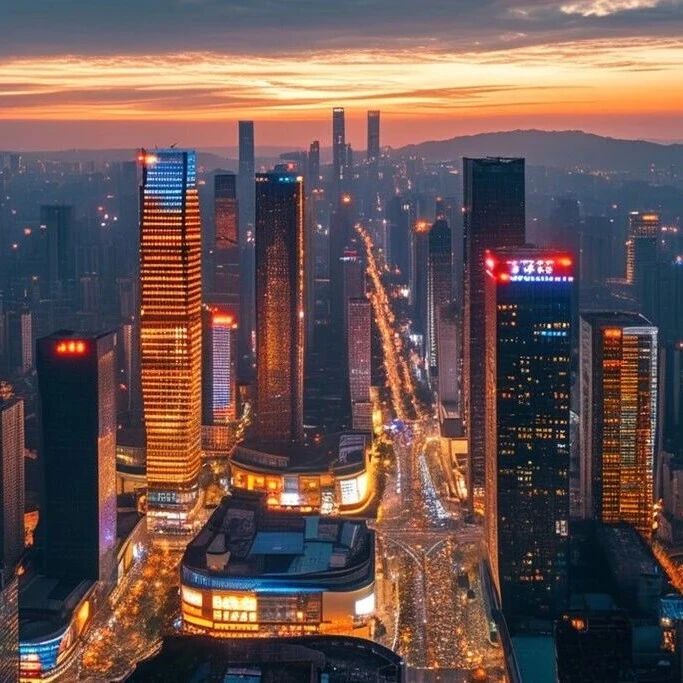
长沙新消费,为啥这么牛?
3 6 Ke· 2025-11-18 01:26
Core Viewpoint - Changsha is emerging as a vibrant hub for new consumption brands, showcasing a unique blend of cultural heritage and modern consumer trends, driven by a youthful population and supportive local policies [1][7][16]. Group 1: New Consumption Landscape in Changsha - Changsha's new consumption landscape features a network of innovative brands, including tea brands like Cha Yan Yue Se and snack brands like Wen He You, which collectively enhance the city's consumer ecosystem [1][2][6]. - The city has produced notable brands across various sectors, such as tea drinks, snacks, and cultural dining experiences, exemplifying the "Changsha model" of entrepreneurship [2][5][6]. - Cha Yan Yue Se, founded in 2013, has become a cultural symbol in Changsha, with over 700 stores, blending traditional tea culture with modern retail strategies [4][5]. Group 2: Factors Contributing to Brand Growth - The youthful demographic in Changsha, with 31.4% of the population aged 14 to 35, drives higher consumption frequency and openness to new brands [7][8]. - High-density consumer environments, such as the bustling Wuyi Square, provide brands with diverse opportunities for differentiation and growth [8][11]. - Changsha's strategic location as a transportation hub facilitates a robust supply chain, essential for brand development and cost efficiency [11][12]. Group 3: Government Support and Cultural Influence - Local government initiatives promote a vibrant economic environment, focusing on night economy and cultural tourism, which benefits brand visibility and growth [14][15]. - The integration of local culture and tourism enhances brand recognition, with significant tourist inflow contributing to the local economy [12][13]. - The presence of a strong media and entertainment industry in Hunan amplifies brand marketing efforts, creating a favorable ecosystem for new brands [13][15]. Group 4: Challenges and Strategic Adjustments - As competition intensifies, brands are shifting focus from rapid expansion to sustainable growth, emphasizing quality and cultural value [17][18]. - Brands like Cha Yan Yue Se and Mo Mo Dim Sum are adapting their strategies to maintain competitiveness while exploring new market opportunities [18][19]. - The challenge of maintaining product consistency during expansion has led some brands, such as Hei Se Jing Dian, to focus on regional branding rather than nationwide presence [22].
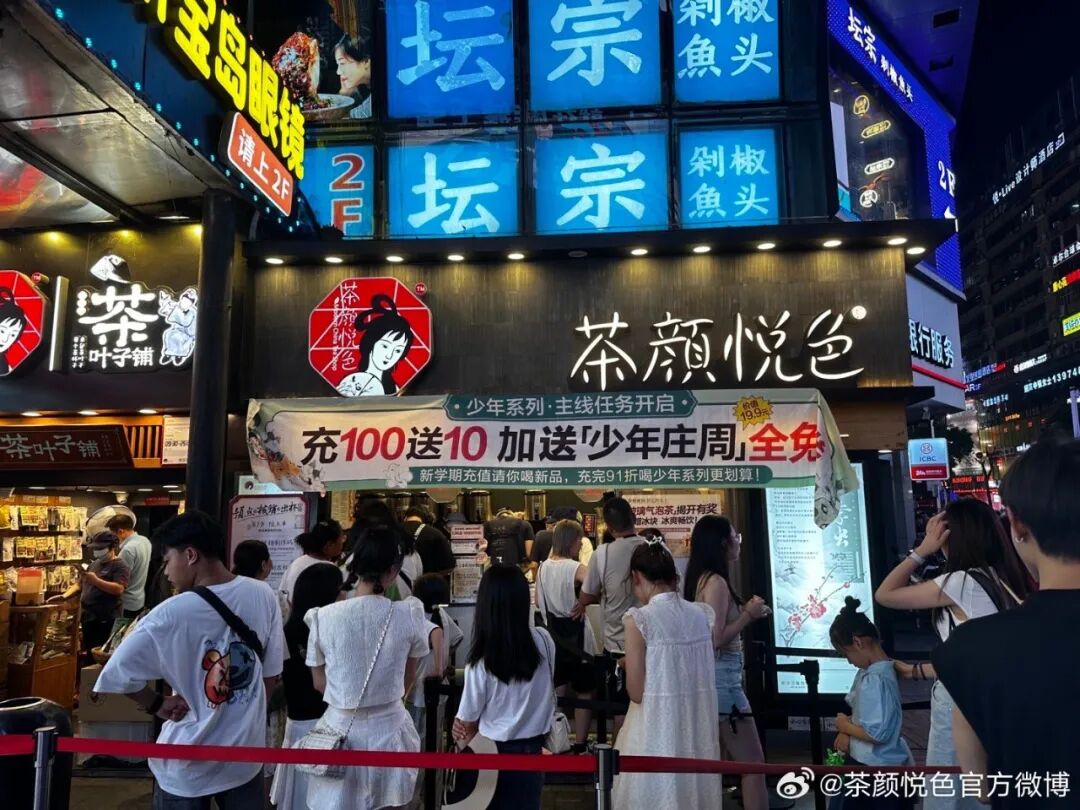
半年度IPO报告,有机构收获百倍回报
投中网· 2025-07-14 03:09
Core Insights - In the first half of 2025, 73 Chinese companies with VC/PE backgrounds successfully went public, achieving an IPO penetration rate of 55.73% for VC/PE institutions [5][14][23] - CICC led the IPO performance by participating in 7 companies, followed by Sequoia China with 6, and Huajin Capital and Junlian Capital with 5 each [5][6] - The total exit return for VC/PE institutions reached 105.76 billion yuan, with an average return multiple of 3.83 times [10][14] Group 1: IPO Performance Analysis - The advanced manufacturing sector had the highest number of IPOs at 16, while the electronic information sector generated the highest exit return of 27.39 billion yuan [10][13] - The Hong Kong Stock Exchange's main board recorded the highest exit return of 58.20 billion yuan [15][16] - In June 2025, the exit return peaked at 34.9 billion yuan, while April saw the highest average return multiple of 9.11 times [10][14] Group 2: Market Trends - The total number of IPOs in the first half of 2025 reached 131, with a total fundraising amount of 130.1 billion yuan, marking a year-on-year increase of 35.05% [25][27] - The Hong Kong Stock Exchange led in both IPO numbers and fundraising amounts, with 40 IPOs raising 86.73 billion yuan [27][29] - The North Exchange had the highest first-day price increase, with 25 companies experiencing a price surge of over 100% [32][33] Group 3: Sector and Regional Analysis - The energy and mining sector saw the highest fundraising amounts, while the consumer sector experienced a significant increase in IPO numbers, doubling compared to the previous year [63][64] - Zhejiang province led in the number of IPOs with 24, while Fujian province topped in fundraising with 33.69 billion yuan [69][72] - The consumer sector's IPO numbers increased by 11, while the medical health sector saw an increase of 9 [63][64] Group 4: Notable IPO Cases - Notable IPOs included Insta360, which achieved a first-day return of 853 times, and Circle, which saw a return of several dozen times on its first day [20][22] - The tea brand Bawang Chaji went public on NASDAQ, with XVC's investment yielding over 100 times return [20][22] - The top five IPOs by fundraising in the first half of 2025 included Ningde Times, Haitian Flavoring, and Heng Rui Medicine, with amounts exceeding 32.78 billion yuan, 9.26 billion yuan, and 9.08 billion yuan respectively [80][82]




A股企业密集递表赴港了
投中网· 2025-05-21 06:38
Core Insights - In April 2025, a total of 24 Chinese companies successfully completed IPOs across A-shares, Hong Kong, and US markets, raising a total of 14.6 billion yuan, with a significant increase in the number of IPOs compared to the previous year [6][10][30]. Group 1: IPO Market Overview - The number of IPOs in April 2025 increased by 50% year-on-year, while the total fundraising amount rose by 152% compared to the same month last year [10][11]. - The top five companies by fundraising amount were Tianyouwei, Bawang Chaji, Ying'en Biotechnology, Zhengli New Energy, and Taihong Wanli [8][10]. - The A-share market returned to a normal state, while the Hong Kong A+H track remained active, and the number of Chinese companies going public in the US reached a one-year high [11][30]. Group 2: Market Breakdown - In April 2025, the A-share market saw 10 companies go public, with a total fundraising of 8.3 billion yuan, while the Hong Kong market had 2 IPOs raising 2.5 billion yuan [22][27]. - The US market had 12 Chinese companies listed, raising a total of 3.8 billion yuan, marking a significant increase in both the number of IPOs and the amount raised compared to the previous year [30]. Group 3: Performance Metrics - The first-day drop rate for IPOs was 16.67%, with 4 out of 24 companies experiencing a decline on their debut [16]. - The highest first-day gain was recorded by Huatuo Securities, which surged by 396.25%, while Tianci International faced the largest drop at 35% [17][18]. Group 4: Industry and Regional Analysis - The automotive and transportation sector led in fundraising, totaling 4.973 billion yuan, accounting for 34.06% of the total [54][59]. - Jiangsu province topped the fundraising chart with 3.982 billion yuan, followed by Heilongjiang and Beijing [62][67]. Group 5: VC/PE Exit Analysis - In April 2025, 12 companies with VC/PE backing went public, achieving a total exit return of 27.9 billion yuan, with an average return multiple of 9.11 times [37][43]. - The consumer sector had the highest exit return, with Bawang Chaji generating a return of 10.516 billion yuan and a multiple of 80.03 times [41][37].