地铁列车

Search documents
“京”彩暖旅途丨始于童年“追问”,他从乘客到“列车医生”
Xin Lang Cai Jing· 2026-02-17 11:12
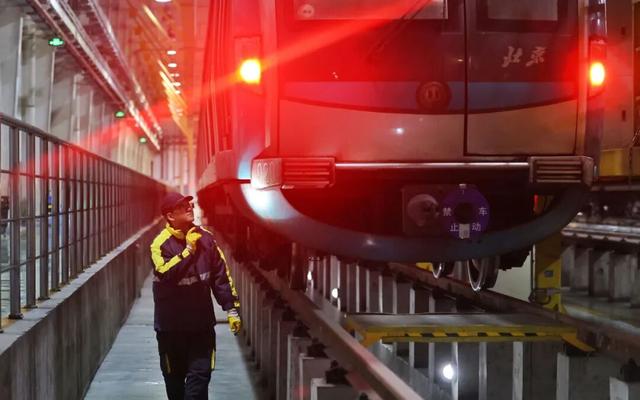
Core Viewpoint - The article highlights the dedication and meticulous work of maintenance technicians like Li Yi at the Beijing Metro during the Spring Festival, emphasizing their crucial role in ensuring the safety and comfort of passengers. Group 1: Maintenance Operations - The night shift for the maintenance team at the Beijing Metro starts at 8 PM and lasts until 8 AM, focusing on comprehensive inspections of subway trains [1][3] - The maintenance process involves checking over ten systems and thousands of components, including critical parts like the braking system and air conditioning [3][7] - Technicians must adhere to strict safety protocols and checklists, ensuring that every detail is accounted for during inspections [3][4] Group 2: Technical Challenges - The maintenance work requires technicians to navigate confined spaces, using tools like strong flashlights to inspect various components [6][10] - Seasonal factors affect maintenance priorities, such as monitoring for debris in spring and ensuring systems are winter-ready [4][11] - The complexity of modern subway systems necessitates continuous learning and adaptation to new technologies and equipment [11][13] Group 3: Personal Commitment - Li Yi's journey from a curious child to a skilled technician reflects a deep personal commitment to the safety and operation of the subway system [10][11] - The demanding work schedule, including alternating day and night shifts, requires technicians to maintain high energy levels for effective performance [13] - The sense of fulfillment derived from ensuring passenger safety during peak travel times, especially during the Spring Festival, underscores the importance of their work [13][14]

44列!中国中车开始建造圣保罗地铁列车
Xin Lang Cai Jing· 2026-02-10 12:45
Core Insights - The São Paulo Metro operator announced that CRRC Qingdao Sifang has begun production of 44 six-car metro trains for the São Paulo Metro [2][5] - These trains are intended for the northeastern extension of Line 2 (between Vila Prudente and Penha, covering 8.3 kilometers), as well as for Lines 1 and 3 [2][5] - The Metropolitan Transportation Authority of São Paulo signed a vehicle manufacturing contract in July 2025, with the first train scheduled for delivery in April 2027 and all 44 trains expected to be delivered by July 2030 [2][5] - Following the confirmation of the deal, CRRC Qingdao Sifang announced plans to establish a production facility in São Paulo state [2][5]

巴西圣保罗地铁2号线扩建项目顺利推进
Ren Min Ri Bao· 2026-02-09 06:59
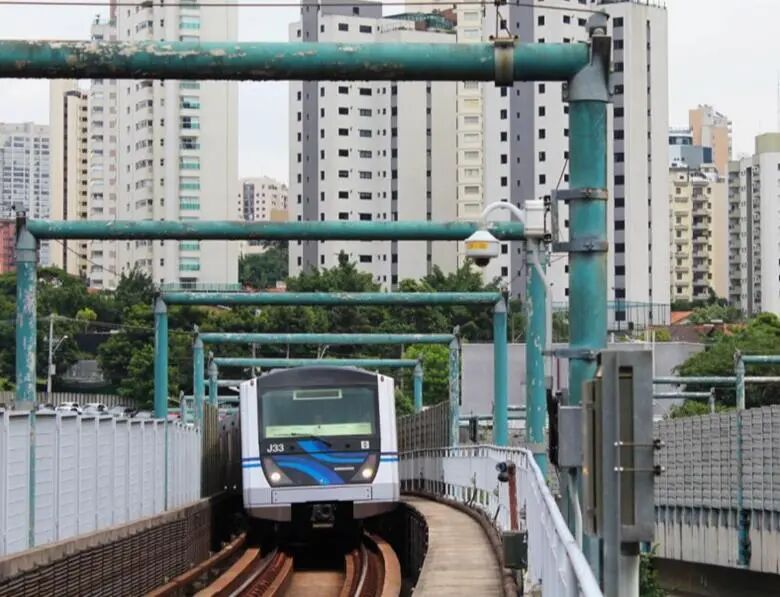
Core Insights - The São Paulo Metro Line 2 expansion project is one of the largest infrastructure projects currently under construction in Brazil, aimed at improving urban commuting and enhancing the quality of life for residents [2][3] Group 1: Project Overview - The São Paulo Metro Line 2 is a major trunk line that will be extended eastward with the addition of 8 new stations to meet urban development needs [3] - The project is a joint venture between China Power Construction Group and Brazilian construction company Mendes Júnior, covering multiple segments including tunnels and stations [3] - The project is progressing well, with 90% of the civil engineering work for several stations already completed [3] Group 2: Economic and Social Impact - Once completed, the line is expected to accommodate over 800,000 passengers daily, significantly benefiting local residents and reducing commuting times [3] - The project has created over 3,800 jobs and involved more than 1,000 subcontractors and suppliers, addressing the local skills shortage in the construction industry [5] Group 3: Environmental and Technological Aspects - The project adheres to strict environmental standards, including water recycling systems and measures to protect local flora during construction [4][5] - The use of advanced construction techniques, such as large-diameter tunnel excavation, minimizes disruption to surface traffic and local communities [5] Group 4: Bilateral Cooperation and Technology Transfer - The project exemplifies successful Sino-Brazilian cooperation, with Chinese technology and products, such as the largest shield tunneling machine used in Brazil, being deployed [7] - The collaboration has led to the establishment of local training programs, enhancing the skills of the workforce and fostering long-term industrial partnerships [5][6]
圣保罗地铁2号线扩建项目顺利推进—— 中巴携手打造“地下长龙”
Ren Min Ri Bao· 2026-02-07 22:03
Core Insights - The São Paulo Metro Line 2 expansion project is the largest infrastructure project currently under construction in Brazil, involving significant collaboration between Chinese and Brazilian companies [1][2] Group 1: Project Overview - The São Paulo Metro Line 2 is a major trunk line that will be extended eastward with the addition of 8 new stations to meet urban development needs [2] - The project is a joint venture between China Power Construction Group and Brazilian construction firm Mendes Júnior, covering multiple construction segments including tunnels and stations [2] - The project is progressing well, with 90% of the civil engineering work for several stations already completed [2] Group 2: Social and Economic Impact - Once completed, the project is expected to serve over 800,000 passengers daily, significantly improving commuting for residents along the route [2] - The expansion will reduce commuting times and enhance connectivity between São Paulo and the satellite city of Guarulhos, which is one of the busiest commuting routes in Brazil [2] Group 3: Environmental and Training Initiatives - The project adheres to strict environmental standards, including the preservation of local trees and the implementation of a water recycling system for construction activities [3][4] - A strategic agreement with Brazil's National Industrial Training Service has led to the training of nearly 2,000 local workers, addressing the skills shortage in the construction industry [5] Group 4: Technological Collaboration - The project has seen the introduction of advanced Chinese construction technology, including the use of the largest tunnel boring machine in Brazil's history [6] - Chinese companies are increasingly providing high-quality products and services in Brazil, enhancing the local infrastructure landscape and contributing to economic development [6]
瓣瓣同心京津冀|北京地铁保定制造,这里有鲜活的协同故事
Xin Lang Cai Jing· 2026-02-03 14:37
Group 1 - The article highlights the integration of Baoding City into the Beijing-Tianjin-Hebei collaborative development, emphasizing the benefits brought by transportation integration, including the launch of high-speed rail services [2] - Baoding International Medical Base is a key project for relieving non-capital functions from Beijing, with hospitals set to operate by September 2025, providing local residents access to quality medical services [2] - The Beijing-Ke Vehicle Intelligent Manufacturing Base is a significant project for industrial collaboration in the region, producing over 1,000 train cars since its establishment in 2019, including those for Beijing's subway lines [4] Group 2 - The Beijing-Ke Vehicle Intelligent Manufacturing Base employs a "Beijing design + Hebei manufacturing" model, with a total investment of 1.2 billion yuan in R&D, resulting in the transformation of 18 vehicle models in Baoding [4] - The company is focused on expanding its market presence both domestically and internationally, aiming to secure more orders while enhancing its R&D capabilities and smart manufacturing levels [6] - Currently, 70% of the products manufactured by the company are supplied to Beijing, indicating a strong market focus in the region [6]
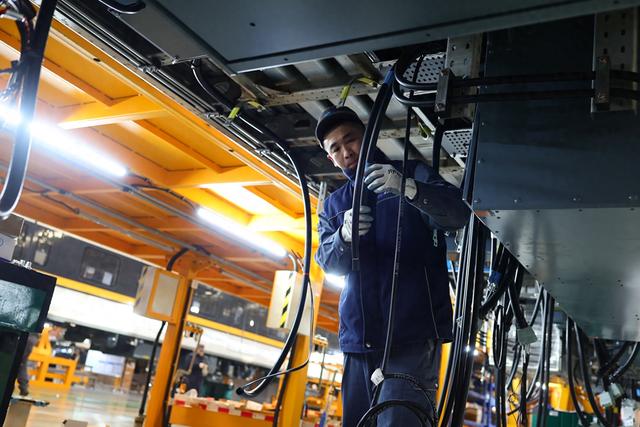
成都新津:“智”造引领 “立园满园”擘画千亿级工业新图景
Mei Ri Jing Ji Xin Wen· 2026-01-29 01:17
Core Viewpoint - The New Jin District in Chengdu is advancing its strategy of becoming an industrial and manufacturing powerhouse, focusing on high-quality development in advanced manufacturing and aiming to establish a billion-level economic development zone [3][4]. Group 1: Industrial Development Strategy - The New Jin District is committed to deepening its industrial strength and enhancing service efficiency, accelerating the new industrialization process through the development of advanced manufacturing industries and a structured enterprise development matrix [3][4]. - The district aims to achieve an industrial output value exceeding 60 billion yuan by 2025, with key sectors including green food, new energy, and rail transportation [6]. Group 2: Manufacturing Sector Growth - The health food industry in New Jin is projected to exceed 20 billion yuan, becoming the leading sector in the city, supported by major enterprises like COFCO [6]. - The establishment of a fully integrated supply chain in the health food sector has led to the clustering of over 100 upstream and downstream enterprises, enhancing competitiveness through quality and technology [6][7]. Group 3: Industrial Structure Optimization - New Jin currently hosts over 800 industrial enterprises, with 255 above-scale industrial firms and 160 high-tech enterprises, fostering a clear and structured market participant landscape [9]. - The district is focusing on optimizing spatial organization to enhance industrial capabilities, promoting a cluster-based and specialized development approach [10]. Group 4: Infrastructure and Project Development - New Jin is implementing a "project-driven" mechanism to streamline the approval and construction processes, significantly reducing project timelines from 90 days to 10 days [12]. - Over 30 industrial projects with investments exceeding 100 million yuan have been introduced in the past year, contributing to the growth of the manufacturing sector [12]. Group 5: Future-Oriented Competitiveness - The district is prioritizing long-term and forward-looking industrial development, with initiatives like the establishment of a national data labeling base to integrate into the digital economy and artificial intelligence sectors [13]. - Collaboration with universities and research institutions is being strengthened to enhance innovation and translate research outcomes into productive capabilities [13][15]. Group 6: Service Industry Integration - The integration of productive services into manufacturing is accelerating, with improvements in R&D design, smart logistics, and testing services, enhancing the resilience and flexibility of the industrial system [15]. - The "Li Yuan Man Yuan" initiative aims to create a sustainable industrial ecosystem that balances efficiency, scale, innovation capacity, and industrial ecology [15].

波哥大地铁一号线第二辆列车抵达首都
Shang Wu Bu Wang Zhan· 2025-10-22 17:36
Core Insights - The Bogotá Metro Line 1 project is progressing with the arrival of the second train, currently undergoing assembly and static testing, expected to be completed soon [1] - As of September 30, the overall progress of the Metro Line 1 project reached 64.85%, with the third train expected to arrive in Cartagena by the end of the month [1] - The project will benefit approximately 2.9 million residents across nine districts, including Bosa, Kennedy, and Santa Fe [1] - Bogotá's mayor, Garcés, met with representatives from the World Bank and the Inter-American Development Bank in Washington to discuss financing for the second phase of the Metro Line 1 project, with an expected loan of $1.485 billion to be disbursed by the end of 2025 [1] - Discussions also included the bidding progress for the second phase and financing for the second line [1] Company and Industry - The Bogotá Metro Line 1 project is being implemented by a consortium led by China Harbour Engineering Company, with trains manufactured by CRRC Changchun Railway Vehicles [2]
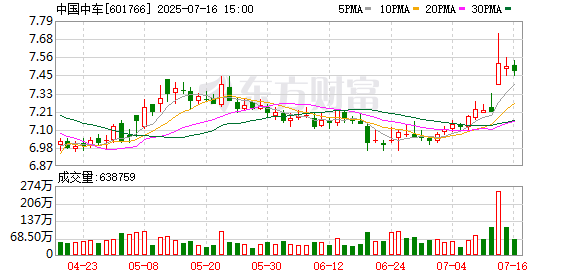
中国中车中标布宜诺斯艾利斯地铁车辆采购项目
Xin Hua Cai Jing· 2025-07-16 15:56
Group 1 - The Buenos Aires city government has awarded the subway B line train renewal project to CRRC Changchun Railway Vehicles Co., Ltd, which is expected to enhance train frequency and passenger comfort, benefiting at least 180,000 daily passengers [2] - The project involves the provision of 174 new air-conditioned trains to replace aging vehicles that have been in service for decades, with an estimated investment of approximately $301.5 million [2] - New trains will be equipped with surveillance cameras, audiovisual dual-mode passenger information systems, anti-vandalism LED lighting, and longitudinal seating, while also being compatible with existing signal systems of lines D and H to improve operational safety [2] Group 2 - The infrastructure upgrades will include increasing the power supply voltage from 600 volts to 1500 volts, updating tracks and switch equipment to accommodate the new trains, promoting modern, efficient, and sustainable train technology [2] - The mayor of Buenos Aires, Jorge Macri, stated that this initiative is a historic step towards improving the lives of citizens and tourists by providing safer, more comfortable, and modern train travel [2] - This project, along with the previous procurement of 40 trains for lines A and C, represents the largest investment in rail vehicles in the city over the past decade and is part of a broader plan for a more efficient and interconnected urban environment [3]
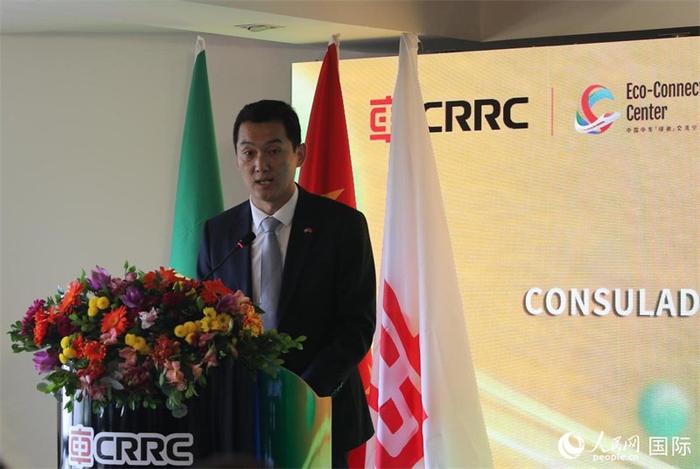
中国中车“绿驰”交流空间落地巴西里约热内卢
Ren Min Wang· 2025-04-27 01:28
Core Points - The "Green Chariot" exchange space in Rio de Janeiro, Brazil, was officially inaugurated, showcasing China's green technology and serving as a cultural exchange platform [1][3] - The establishment of the exchange space is seen as a significant milestone in the modernization of transportation in Rio de Janeiro, enhancing local railway industry capabilities and creating new job opportunities [3][5] - The space integrates functions of display, communication, cooperation, and cultural dissemination, aiming to provide a platform for Brazilian citizens to experience Chinese culture and engage in social welfare activities [5][7] Company and Industry Insights - China CRRC has been active in the Brazilian market since 2008, supplying metro trains to major cities like Rio de Janeiro, São Paulo, and Belo Horizonte, and participating in local transportation projects [7] - A memorandum of cooperation was signed during the visit of the Governor of Rio de Janeiro to China, focusing on establishing a train maintenance center and modernizing the state's railway system [7]
中国中车助力墨西哥城地铁焕新再出发
人民网-国际频道 原创稿· 2025-04-25 02:32
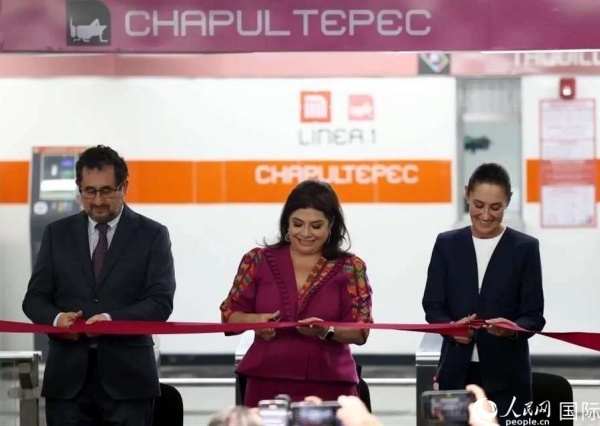
Core Points - The Mexico City Metro Line 1 modernization project has achieved a significant milestone with the opening of the second section (B segment) between Cuauhtémoc Station and Chapultepec Station, marking progress in the overall project [1][2] - The project, led by CRRC Zhuzhou Electric Locomotive Co., has successfully opened 17 out of 20 stations in less than three years, showcasing efficiency and modernity in public transportation [2][3] - The Mexican government emphasizes the importance of developing a comprehensive public transportation network, including subways and intercity rail, to enhance citizens' travel experiences and overall happiness [3] Company and Industry Summary - The Mexico City Metro Line 1 spans 18.83 kilometers with 20 stations, serving approximately 243 million passengers annually, making it a vital transportation line for the capital [5] - The modernization includes updates to tracks, power systems, and the introduction of 29 new energy-efficient trains, positioning the line as one of the most advanced in the Americas and globally [5] - The project is recognized as a significant Public-Private Partnership (PPP) case by the United Nations Development Programme, highlighting its global relevance and potential for future collaborations in the rail transport sector [5][6] - The recent opening of four stations has improved connectivity with other metro lines, alleviating traffic congestion and enhancing the functionality of the urban transport network [6]