
基础设施领域不动产投资信托基金

Search documents
明年经济工作“施工图”来了!
Guo Ji Jin Rong Bao· 2025-12-12 13:04
中央经济工作会议12月10日至11日在北京举行,总结2025年经济工作,分析当前经济形势,部署 2026年经济工作。 对于明年经济工作的政策取向,中央经济工作会议指出,要坚持稳中求进、提质增效,发挥存量政 策和增量政策集成效应,加大逆周期和跨周期调节力度,提升宏观经济治理效能。 民生银行首席经济学家温彬指出,在政策基调方面出现了两个新表述。一是首提"稳中求进、提质 增效"。政策总基调通常将"稳中求进、以进促稳"作为固定搭配,今年提出"稳中求进、提质增效",或 预示着政策将更加注重质量和效果。 二是"逆周期和跨周期"重回政策视野。此次中央经济工作会议要求"加大逆周期和跨周期调节力 度",意味着政策将更注重连续性,在短期稳增长与中长期调结构之间保持平衡。 关于明年的目标任务,会议要求,推动经济实现质的有效提升和量的合理增长,保持社会和谐稳 定,实现"十五五"良好开局。 据东方金诚首席宏观分析师王青判断,2026年GDP增速目标将设定为"4.5%至5.0%之间",较2025 年"5.0%左右"的增速目标有所下调,继续保持中高速增长水平。 行至岁尾,回看全年,会议指出,今年是很不平凡的一年。我国经济顶压前行、向新向优 ...
基础设施REITs将扩围至城市更新、酒店、体育场馆等领域
Huan Qiu Wang· 2025-11-28 01:00
Core Insights - The National Development and Reform Commission (NDRC) is expanding the scope of infrastructure REITs to include urban renewal facilities, hotels, sports venues, and commercial office facilities [1] - A report by JLL indicates that China has successfully invested in physical assets like infrastructure, real estate, and manufacturing equipment over the past decades, with future policies shifting focus to public concerns such as education, social security, employment, healthcare, and housing [1] - Consumer-focused infrastructure REITs are becoming a market highlight, with 11 listed products showing strong growth as of October 15, 2025 [1] Group 1 - Initial inclusion of warehousing logistics, toll roads, municipal facilities, and industrial parks in the infrastructure REITs issuance scope [4] - Gradual addition of sectors such as clean energy, data centers, affordable rental housing, water conservancy facilities, cultural tourism, and consumer infrastructure [4] - The ongoing government stimulus for consumption and the expansion of consumer-oriented REITs are expected to attract increasing investor interest in retail assets [4]

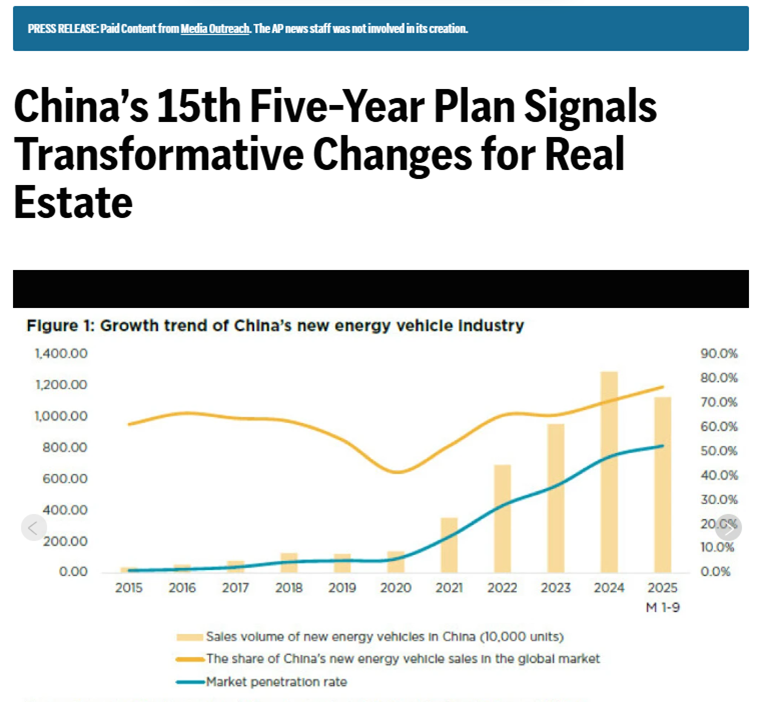
北京:优化银发群体消费服务模式,为不同阶段、不同特征老龄群体提供全方位金融服务
Cai Jing Wang· 2025-11-19 06:38
Core Viewpoint - The People's Bank of Beijing and various municipal departments have jointly issued an implementation plan aimed at boosting and expanding consumption in Beijing by 2030, outlining 18 specific measures across six key areas [1][2]. Group 1: Financial Support for Consumption - The implementation plan emphasizes increasing financial support for key areas such as commodity consumption, cultural tourism, sports consumption, and resident service consumption, including accommodation and dining [2]. - It aims to innovate financing models and increase credit investment to support consumption infrastructure and the commercial circulation system [2]. Group 2: Support for Specific Groups - The plan includes policies to support small and micro enterprises, individual businesses, and other entities with strong employment capabilities through measures like interest subsidies for first-time loans and entrepreneurial guarantee loans [2]. - It also focuses on optimizing financial services for the elderly population, providing comprehensive financial services tailored to different stages and characteristics of aging groups [2]. Group 3: Payment Services and Consumer Environment - The plan aims to enhance payment services in key consumption scenarios and commercial districts, improving the consumption experience for foreign visitors in Beijing [2]. - It emphasizes the need for policy coordination to cultivate a favorable environment for consumption [1].
北京将迎来又一利好!
清华金融评论· 2025-11-19 01:30
Core Viewpoint - The article outlines a comprehensive plan by the People's Bank of China and 12 other departments to enhance financial support for consumption in Beijing, aiming for significant improvements in financial services by 2030, particularly in sectors like accommodation, dining, cultural tourism, education, and elder care [5][6]. Summary by Sections Overall Goals - The plan aims to elevate the financial service level in Beijing's consumption sector by 2030, focusing on increasing loan balances and credit support in key areas such as accommodation, dining, cultural tourism, education, and elder care [6]. Key Areas of Financial Support - **Consumer Credit Support**: Emphasis on increasing auto loans, optimizing financial products for various purchasing scenarios, and promoting green consumption through financial incentives [7]. - **Cultural and Sports Consumption**: Financial institutions are encouraged to innovate financing models and increase credit for cultural and sports events, leveraging Beijing's status as a cultural center [8]. - **Accommodation and Dining Services**: Support for creating unique dining and cultural experiences, with financial incentives for businesses to enhance consumer engagement [9]. - **Elder Care and Domestic Services**: Financial institutions are urged to collaborate with service providers to offer tailored financial services for domestic workers and elder care facilities [9]. - **Infrastructure and Trade Systems**: Financial support for upgrading commercial infrastructure and optimizing loan conditions for businesses in the consumption sector [10]. Supporting Consumer Demand - **Employment and Income Support**: Initiatives to lower financing costs for small and micro enterprises, enhancing their capacity to create jobs [10]. - **Services for the Elderly**: Financial institutions are encouraged to develop services tailored to the elderly population, including payment solutions and dedicated financial products [11]. - **Foreign Consumer Services**: Enhancements in payment services for foreign visitors, including expanding the use of foreign cards and optimizing payment processes [11]. Enhancing Financial Institution Services - **Credit Support**: Financial institutions are urged to provide differentiated and convenient financial services, focusing on the consumption sector's diverse needs [12]. - **Bond Market Financing**: Encouragement for companies in cultural, tourism, and education sectors to issue bonds to raise funds [12]. - **Equity Financing**: Support for quality enterprises in the consumption industry to raise funds through equity markets [12]. Policy Coordination - **Monetary Policy**: Implementation of supportive monetary policies to encourage lending in key consumption sectors [13]. - **Fiscal Policy**: Introduction of interest subsidy policies to lower financing costs for consumers and service providers [14]. - **Insurance System**: Development of insurance products tailored to the needs of the elderly and low-income groups [14]. Financial Environment Optimization - **Payment Environment**: Initiatives to enhance the payment experience for consumers, including the promotion of digital currency [15]. - **Consumer Rights Protection**: Establishment of mechanisms to protect consumer rights and enhance financial literacy [16]. Organizational Support - **Coordination and Evaluation**: Strengthening collaboration among financial departments and relevant authorities to ensure effective implementation of the plan [17]. - **Experience Sharing**: Financial institutions are encouraged to share best practices and promote awareness of financial support policies [17].

刚刚!利好,来了!
Zhong Guo Ji Jin Bao· 2025-11-18 11:23
Core Viewpoint - The People's Bank of China and 12 other departments have issued a plan to enhance and expand consumption in Beijing, aiming to improve financial services in various sectors by 2030, thereby supporting the city's development as an international consumption center [2][18]. Group 1: Overall Goals - The plan aims to enhance financial service levels in Beijing's consumption sector by 2030, focusing on increasing loan balances and credit support in areas such as accommodation, dining, cultural tourism, education, and elder care [4][18]. Group 2: Financial Support for Key Areas - Increased credit support for consumer goods, particularly in automotive loans, with incentives for new energy vehicles and reduced penalties for early loan settlements [5][19]. - Promotion of cultural tourism and sports consumption by leveraging Beijing's status as a "Double Olympic City," encouraging financial institutions to innovate financing models [7][19]. - Expansion of financial services in the accommodation and dining sectors, supporting the development of local brands and themed consumption districts [8][20]. - Support for the growth of domestic services such as housekeeping and elder care, including innovative financial solutions for service providers [9][20]. - Encouragement of infrastructure development and trade circulation systems to enhance consumption [10][21]. Group 3: Support for Employment and Specific Demographics - Continued support for small and micro enterprises through interest subsidies on initial loans, aimed at boosting employment [11][22]. - Optimization of financial services for the elderly, including the issuance of dedicated cards to facilitate their consumption [12][22]. - Improvement of consumption services for foreign visitors, focusing on payment service enhancements in key areas [13][22]. Group 4: Enhancing Financial Institution Services - Financial institutions are encouraged to provide differentiated and convenient services to meet diverse consumer needs, including collaboration with e-commerce platforms [14][23]. - Increased support for bond market financing for cultural, tourism, and educational enterprises, promoting quality upgrades in consumer products [15][24]. - Development of equity financing options for quality enterprises in the consumption industry through various market mechanisms [16][24]. Group 5: Policy Coordination and Consumer Environment - Strengthening the role of monetary policy to encourage financial institutions to increase credit in key consumption sectors [25][26]. - Implementation of fiscal policies to reduce consumer credit costs and support small businesses [26][27]. - Enhancing the payment environment to stimulate consumption, including promoting digital currency initiatives [27][28]. Group 6: Organizational Support - Emphasis on coordination among financial departments and relevant authorities to ensure effective implementation of the consumption support plan [28][29]. - Financial institutions are urged to promote policies and products related to consumption support to ensure widespread access to financial services [28][29].
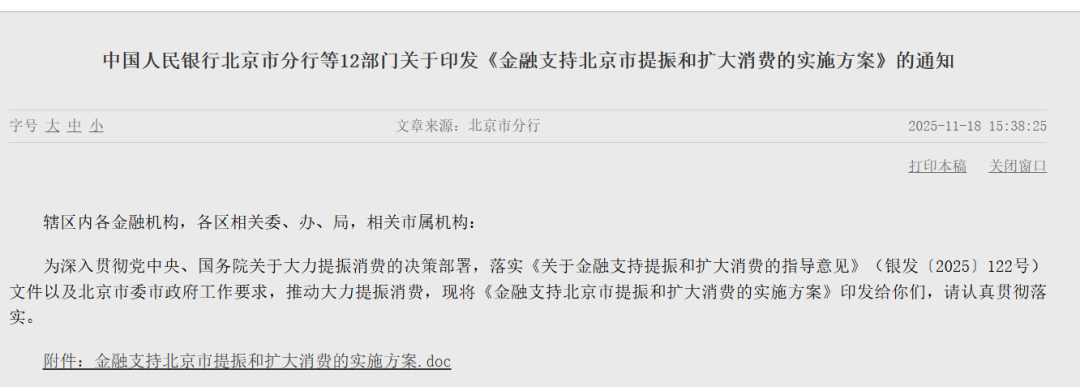
六部门联合印发金融支持消费指导意见 提出19项重点举措
Huan Qiu Wang· 2025-06-25 01:27
Group 1 - The core viewpoint of the article is the issuance of guidelines by six Chinese government departments to enhance and expand consumption through financial support, focusing on 19 key measures across six major areas [1][2][3] Group 2 - The guidelines emphasize the importance of strengthening consumer capacity and fostering demand, aiming to stabilize consumption expectations and enhance support for the real economy [2] - Financial institutions are encouraged to innovate and optimize credit products, particularly for the consumer sector, with a focus on first loans, renewals, credit loans, and medium to long-term loans [2] - A special re-lending facility of 500 billion yuan is established to support loans in key service consumption areas, allowing eligible financial institutions to apply for re-lending based on 100% of the loan principal [2] - The guidelines promote financial support for key consumption sectors, including wholesale and retail, catering, and elder care services, while also encouraging the development of new consumption models such as digital and green consumption [3] - Financial institutions are urged to engage with major projects in the consumption sector, including cultural and tourism facilities, healthcare, and infrastructure, to innovate financing models and optimize loan approval processes [3] - The guidelines aim to enhance payment convenience by improving payment services across various consumption scenarios, including cash, cards, mobile payments, and digital currency, while also focusing on the needs of elderly and foreign consumers [3]
六部门:支持符合条件的消费基础设施发行基础设施领域不动产投资信托基金
news flash· 2025-06-24 09:12
Core Viewpoint - The People's Bank of China and six other departments have jointly issued guidelines to enhance and expand consumption through financial support, focusing on infrastructure development in key areas such as cultural tourism, healthcare, and community services [1] Group 1: Financial Support for Infrastructure - The guidelines emphasize the construction of consumer infrastructure, including facilities for cultural tourism, sports, healthcare, and elderly care [1] - Financial institutions are encouraged to innovate financial products and financing models tailored to the specific needs of these sectors [1] - There is a focus on optimizing loan approval conditions based on borrowers' creditworthiness and project investment return cycles [1] Group 2: Support for Urban and Community Development - The initiative supports the development of international consumption centers and new consumption models, enhancing pedestrian streets and community service facilities [1] - Financial services are to be provided across the entire industry chain and lifecycle for projects related to commercial facility upgrades and county-level commercial systems [1] - The guidelines also support the issuance of real estate investment trusts (REITs) for eligible consumer infrastructure projects [1]