
文旅体育

Search documents
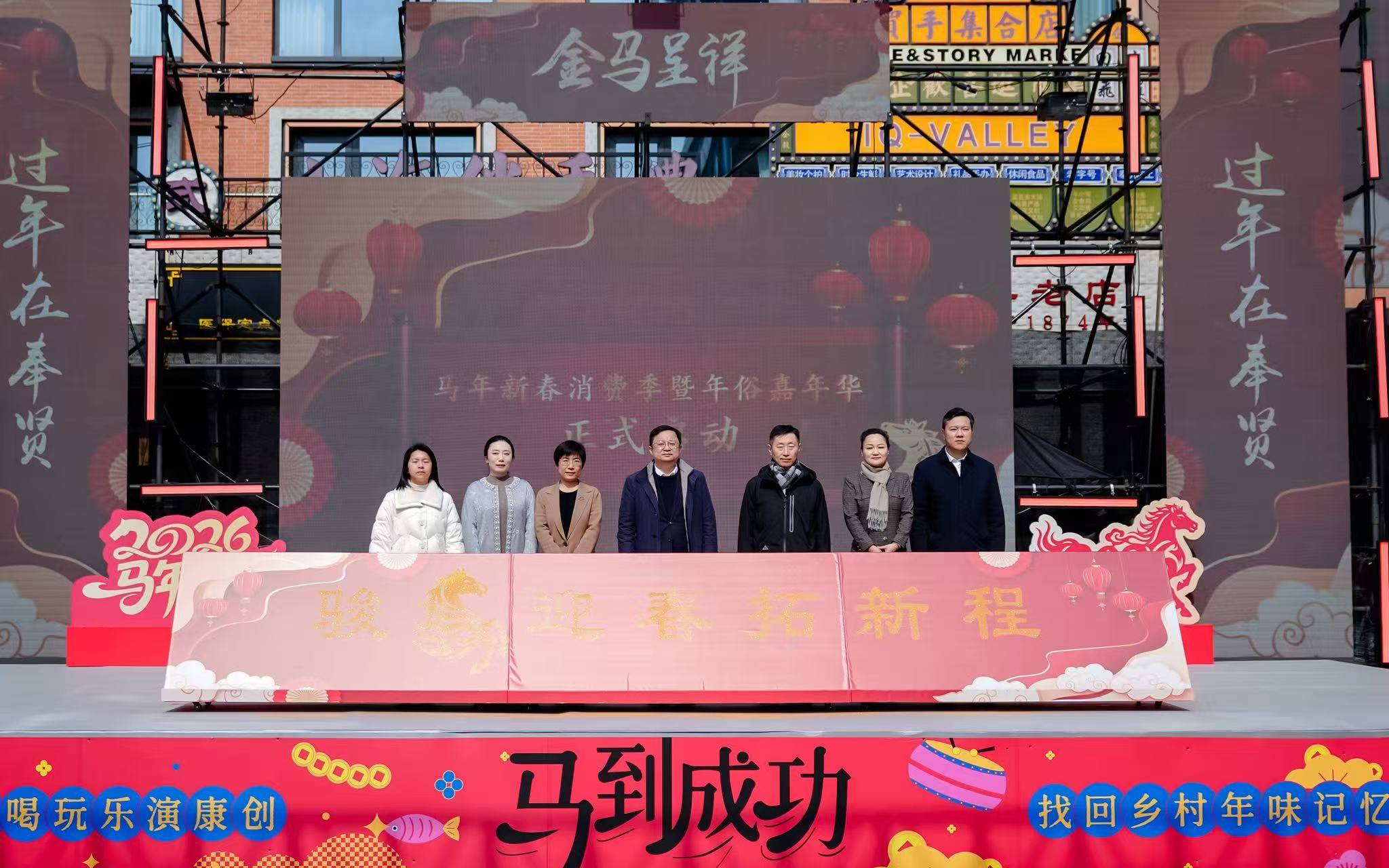
烟火满贤城年味正浓时奉贤马年新春消费季启幕
Sou Hu Cai Jing· 2026-02-12 04:23
Core Viewpoint - The "Celebrating New Year in Fengxian" 2026 Year of the Horse Spring Consumption Season has been launched, featuring various activities that integrate local culture and tourism to stimulate consumer spending and enhance community engagement [1][4][5]. Group 1: Event Overview - The event commenced on February 11, coinciding with the traditional "Little New Year," and includes a market that evokes childhood memories with diverse activities such as eating, drinking, playing, and cultural performances [1][4]. - The Spring Consumption Season will last until the Lantern Festival, leveraging a "2+5" activity framework that integrates festive, cultural, and rural resources [9]. Group 2: Activities and Promotions - Key activities include "Surprise in the Business Circle" and "Consumer Surprises," featuring performances, themed markets, and various discounts and promotions across major commercial complexes [9]. - The event will host 24 series of activities covering themes like appliance upgrades, New Year cuisine, nighttime economy, and cultural tourism, aiming to meet diverse consumer needs [9]. Group 3: Government and Business Support - The Fengxian District has allocated special funds to support the Spring Consumption Season, combining government subsidies with business discounts to provide tangible benefits to consumers [9]. - A concurrent lottery for consumers in Shanghai will run until July, incentivizing spending in retail, dining, and tourism sectors with prizes up to 800 yuan [9]. Group 4: Cultural and Tourism Integration - The district has introduced a three-day, two-night New Year cultural experience route, connecting various local attractions to enhance the festive atmosphere and promote tourism [10]. - Local businesses are also launching themed activities, such as the "2026 Prosperity" event at Fengxian Baolong, which includes traditional crafts and performances [10].

五项财政金融新政加力促消费扩内需
Jin Rong Shi Bao· 2026-01-21 02:09
Core Viewpoint - The Chinese government has introduced a series of financial policies aimed at reducing financing costs for residents and businesses, stimulating consumption, and expanding effective investment through various measures such as interest subsidies and extended implementation periods [1][2][3]. Group 1: Policies for Small and Micro Enterprises - The policy for small and micro enterprises' loan interest subsidies will provide a 1.5% annual subsidy on principal for fixed asset loans and new policy financial tool funds, with a maximum subsidy loan size of 50 million yuan per entity, effective from January 1, 2026 [1]. - A special guarantee plan for private investment has been launched with a total quota of 500 billion yuan over two years, supporting long-term loans for small and micro enterprises in areas like equipment purchase and technological transformation, with a maximum guarantee of 20 million yuan per entity [2]. Group 2: Equipment Update and Service Sector Support - The equipment update loan interest subsidy policy will be extended until the end of 2026, with an expanded support scope that now includes over ten new fields such as construction, artificial intelligence, and digitalization, offering a 1.5% annual subsidy for new technology innovation loans [2]. - The service sector loan interest subsidy policy has been optimized to increase the maximum subsidy to 10 million yuan per entity for new loans issued in 2026, with a 1% annual subsidy rate, and has added new support areas including digital and green consumption [3]. Group 3: Personal Consumption Loan Support - The personal consumption loan interest subsidy policy has been extended until December 31, 2026, now including credit card installment payments with a 1% annual subsidy, and has removed restrictions on consumption fields, allowing for a cumulative subsidy limit of 3,000 yuan per person per year [3].
天津南开区加快新旧动能转换
Zhong Guo Jing Ji Wang· 2026-01-13 22:28
Core Viewpoint - Tianjin Jiuan Medical Electronics Co., Ltd. has recently acquired a piece of industrial land in Nankai District, marking it as the fourth industrial land transaction in the area since 2025, following companies like Jiuzhoutong Pharmaceutical Group and Aier Eye Hospital Group [1] Group 1: Industrial Land Development - Nankai District is focusing on simultaneous promotion of investment attraction and revitalization of idle assets, aiming to gather the development of science and technology innovation industries [1] - The district's strategy includes optimizing spatial layout into a "one core, two axes, three zones" structure, with the Tiankai Higher Education Science and Technology Innovation Park as the innovation engine [1] Group 2: Modern Industrial System - Nankai District has proposed a "3+2" modern urban industrial system, emphasizing three main industries: technology services, intelligent manufacturing, and biomedicine, along with two characteristic industries: cultural tourism and commercial services [2] - The technology service sector will leverage resources from universities and key laboratories to create a comprehensive service system covering R&D, technology transfer, concept validation, intellectual property, and technology finance [2]



盘活闲置资产 完善产业体系 天津南开区加快新旧动能转换
Jing Ji Ri Bao· 2026-01-13 22:05
Group 1 - Tianjin Jiuan Medical Electronics Co., Ltd. has recently acquired an industrial land in Nankai District, marking it as the fourth industrial land transaction in the area since 2025, following companies like Jiuzhoutong Pharmaceutical Group and Aier Eye Hospital Group [1] - Nankai District is focusing on synchronizing investment attraction and revitalization efforts to enhance the development of the science and technology innovation industry [1] - The district aims to optimize its spatial layout into a structure of "one core, two axes, and three zones," with the Tiankai Higher Education Science and Technology Innovation Park as the innovation engine [1] Group 2 - Nankai District has proposed to develop a "3+2" modern urban industrial system, focusing on three main industries: technology services, intelligent manufacturing, and biomedicine, along with two characteristic industries: cultural tourism and commercial services [2] - The district plans to accelerate the transformation of old and new driving forces by strengthening its leading industries and nurturing future industries [2] - The technology service industry will leverage resources from universities and key laboratories to create a comprehensive service system covering research and development, technology transfer, concept validation, intellectual property, and technology finance [2]
傅诚刚:海南需重点打造能吸引全球投资和人才的“名片经济”
Cai Jing Wang· 2025-12-28 16:16
Core Viewpoint - The Sanya International Forum emphasizes the future positioning of Hainan Free Trade Port and new opportunities in Sanya, highlighting the need for offshore finance development to align with the real economy through institutional supply and ecological construction [1]. Group 1: Development Strategies - Hainan should leverage its proximity to the mainland economy while also looking globally to facilitate the smooth flow of capital and talent [3]. - The focus should be on creating a "brand economy" that attracts global investment and talent, including hosting top international events and developing education, healthcare, and offshore service trade [3]. - Utilizing free trade port policies to explore new fields such as bulk commodity spot trading is essential for Hainan's development [3]. Group 2: International Financial Centers - Global offshore centers can be categorized into virtual and physical types, with notable examples including Hong Kong and Singapore as established financial hubs [4]. - Middle Eastern financial centers, such as Dubai and Abu Dhabi, follow a phased development strategy, emphasizing the importance of a supportive economic environment [5][6]. - Key characteristics of successful financial centers include independent regulatory powers, common law application, full foreign ownership, and low tax rates [7][12]. Group 3: Economic Integration and Talent Attraction - Hainan's development must focus on integrating with the mainland economy while also appealing to international markets [13]. - The region should aim to create a high-quality living environment that matches the lifestyle of high-income international professionals [13]. - Attracting global talent requires a diverse economic landscape and high-end service industry development to enhance Hainan's global brand influence [15]. Group 4: Education and Infrastructure - Hainan should invest in international higher education and vocational training to support the needs of professionals in the free trade port [17]. - The development of financial and trade infrastructure is crucial for enhancing connectivity and influence on a global scale [18].
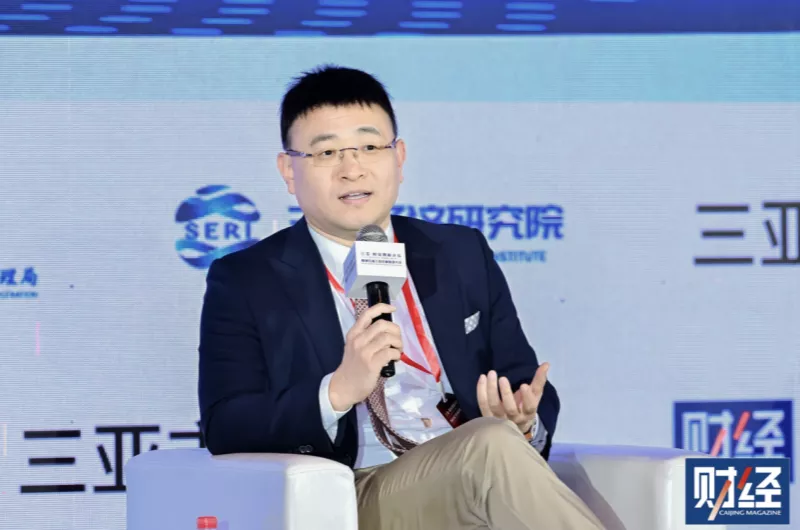
创金合信基金刘毅恒:中国新消费产业仍处发展初期 估值偏低具有吸引力
Zheng Quan Shi Bao Wang· 2025-12-23 08:33
Core Viewpoint - The current Chinese new consumption industry is in its early or growth stages, similar to the U.S. in the 1970s and Japan in the 1990s, with a low valuation level compared to historical levels in Japan and the U.S. [1] Group 1: Industry Insights - The new consumption sectors in China include retail discount, IP consumption, personal care, weight loss, medical beauty, and cultural tourism, all of which are developing [1] - Historical lowest PE ratio for stable performance in new consumption industries is approximately 10 times, while the highest PE ratio varies by sub-industry [1] - High-growth sectors like IP consumption and affordable dining can reach PE ratios of up to 100 times during favorable market conditions, while more stable sectors like retail discount and personal care can achieve around 30 times [1]
北京今年向民间资本公开推介项目投资超2300亿元
Zhong Guo Xin Wen Wang· 2025-12-15 17:29
Core Viewpoint - Beijing has introduced over 230 billion RMB in projects for private capital investment this year, focusing on various sectors including technology innovation, infrastructure, and public services [1][2] Group 1: Project Overview - In the first half of the year, Beijing promoted 119 projects to private capital with a total investment of approximately 124.4 billion RMB [1] - A second batch of 120 projects has been identified, with a total investment of around 110.6 billion RMB, aiming to attract about 33.1 billion RMB from private capital [1] Group 2: Sector Distribution - The projects span advanced manufacturing, commercial services, cultural tourism, and rural agriculture [1] - The distribution of projects by region shows that Fangshan District has the highest number of projects at 37, followed by Shijingshan District with 11, and Changping District with 9 [1] Group 3: Investment Types - There are 66 equity investment projects with a total investment of about 34.9 billion RMB, seeking to attract approximately 16.1 billion RMB from private investors [2] - Debt investment projects total 10, with an investment of 8.5 billion RMB, aiming for 1 billion RMB from private capital [2] - Cooperative operation projects consist of 26, with a total investment of 63.2 billion RMB, targeting 12.8 billion RMB from private capital [2] - There are 18 franchise projects with a total investment of 4 billion RMB, looking to attract 3.2 billion RMB from private investors [2]
明年经济工作到底怎么做?听专家为你详细解读→
Yang Shi Xin Wen Ke Hu Duan· 2025-12-15 12:52
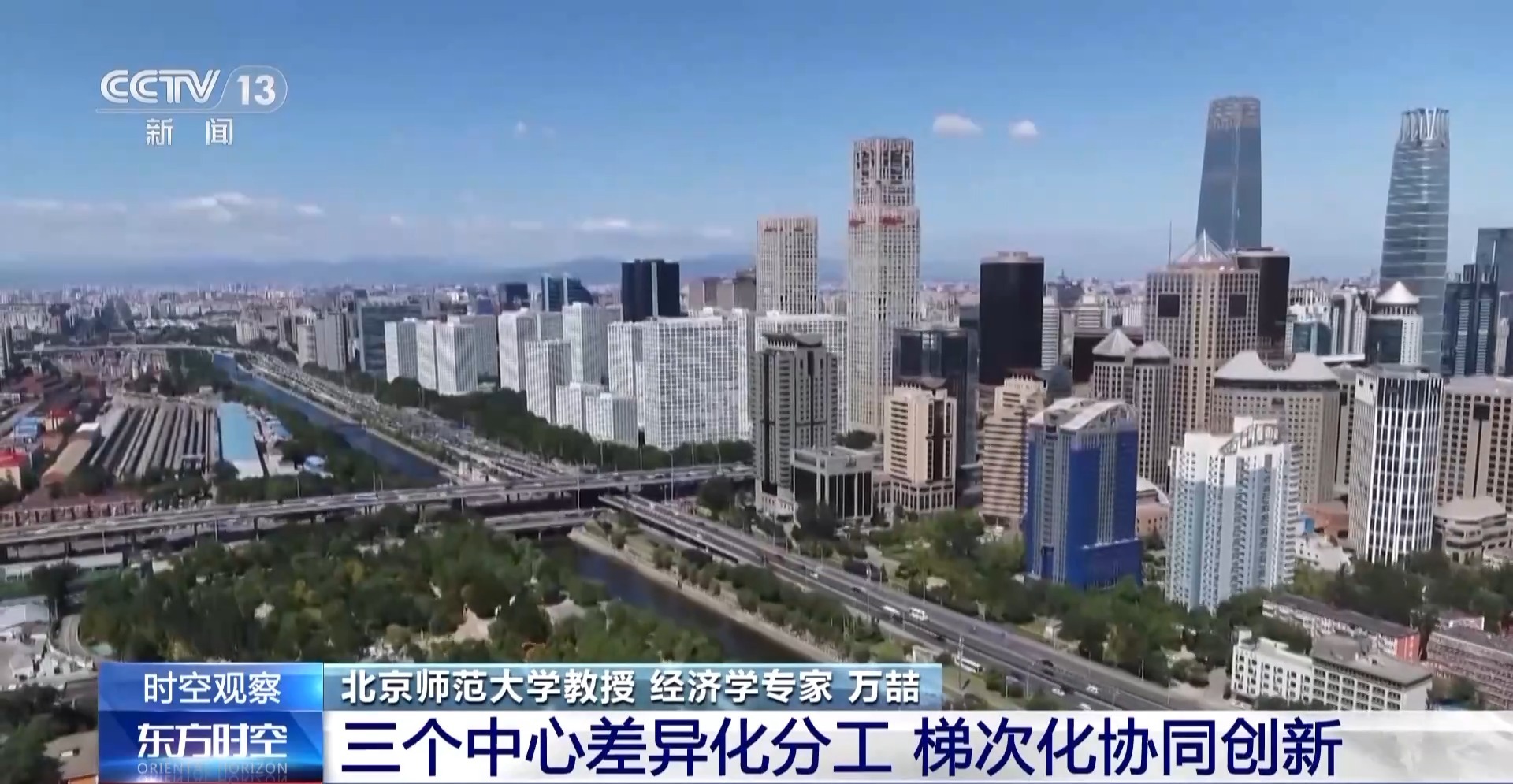
Group 1 - The central economic work conference has outlined the overall requirements and policy direction for next year's economic work, focusing on eight key tasks, including innovation-driven development and strengthening the role of enterprises in innovation [1][12] - The establishment of three international technology innovation centers in Beijing (Jing-Jin-Ji), Shanghai (Yangtze River Delta), and the Guangdong-Hong Kong-Macau Greater Bay Area is a significant focus, emphasizing their differentiated roles and complementary functions [1][10] Group 2 - Beijing's role is primarily as a source of original innovation, focusing on fundamental research and key core technology breakthroughs, particularly in areas like artificial intelligence and quantum information [3] - Shanghai is positioned as a leading area for applied innovation, emphasizing high-end manufacturing and open innovation, with a focus on technology commercialization and industrial chain collaboration [5] - The Guangdong-Hong Kong-Macau Greater Bay Area serves as a cross-border collaboration hub and a base for emerging industries, focusing on rapid industrialization of technological achievements and exploring innovative governance aligned with international standards [7] Group 3 - The national strategy emphasizes avoiding redundant layouts through top-level planning and promoting cross-regional collaboration mechanisms, including knowledge sharing and talent mobility [9] - The new deployment of the three innovation centers represents a shift from single-point breakthroughs to regional integrated collaborative efforts, enhancing the strategic positioning of China's technological innovation [10][12] Group 4 - The conference also highlighted the need to develop a service industry expansion and quality improvement action plan, aiming to enhance the service sector's development level and drive high-quality growth [12][14] - The service industry encompasses various sectors, including both productive and lifestyle services, with a focus on integrating new business models and enhancing facilities [14][16][18] Group 5 - The conference has included a focus on deepening and expanding "Artificial Intelligence+" initiatives, marking a new phase in AI development aimed at enhancing overall productivity and creating new comparative advantages [22][25] - The implementation of a new round of high-quality development actions for key industrial chains is crucial for improving the competitiveness of the entire industry, emphasizing the need for policy support and adherence to industry development laws [27][29]
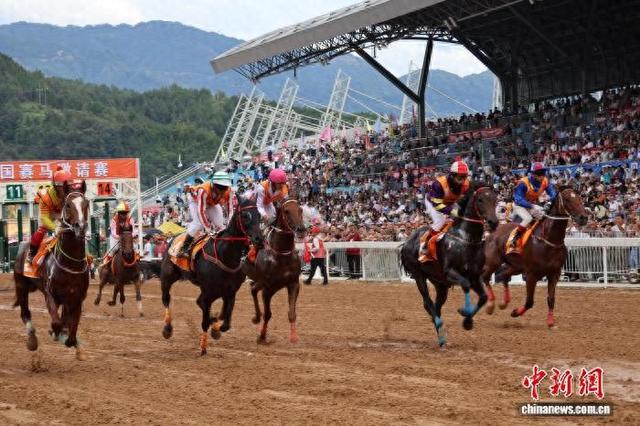
中国唯一水族自治县:“贵州村马”赛出旅游产业新天地
Zhong Guo Xin Wen Wang· 2025-11-26 14:31
Core Insights - The article highlights the unique cultural and economic development strategy of Sandu Autonomous County, leveraging its distinct water culture and equestrian traditions to promote tourism and local industries [1][2] Group 1: Cultural and Economic Development - Sandu Autonomous County is the only water autonomous county in China, emphasizing the integration of tradition and modernity, sports and cultural tourism, and protection and development [1] - The county has hosted 124 "Guizhou Village Horse" events in 2023, attracting over 1,600 riders and receiving more than 16 million tourists, generating a total tourism revenue of 15.2 billion RMB [2] Group 2: Industry and Employment Impact - The "event economy" has stimulated the overall economy, increasing the number of horses to 4,200 through policies like "awards instead of subsidies," and fostering various equestrian-related industries [2] - The development of equestrian culture has led to the creation of over 200 cultural products, including horse-themed clothing and coffee, with sales reaching 50 million RMB, and has provided an average income increase of 3,000 RMB for over 30,000 local residents [2] Group 3: Educational and Collaborative Initiatives - A riding school has been established, training over 500 professionals, including riders and veterinarians, to support the growing equestrian industry [2] - The county has actively promoted "Guizhou Village Horse" in cities like Shanghai and Inner Mongolia, collaborating with the China Equestrian Association to enhance its tourism offerings [2]
北京:优化银发群体消费服务模式,为不同阶段、不同特征老龄群体提供全方位金融服务
Cai Jing Wang· 2025-11-19 06:38
Core Viewpoint - The People's Bank of Beijing and various municipal departments have jointly issued an implementation plan aimed at boosting and expanding consumption in Beijing by 2030, outlining 18 specific measures across six key areas [1][2]. Group 1: Financial Support for Consumption - The implementation plan emphasizes increasing financial support for key areas such as commodity consumption, cultural tourism, sports consumption, and resident service consumption, including accommodation and dining [2]. - It aims to innovate financing models and increase credit investment to support consumption infrastructure and the commercial circulation system [2]. Group 2: Support for Specific Groups - The plan includes policies to support small and micro enterprises, individual businesses, and other entities with strong employment capabilities through measures like interest subsidies for first-time loans and entrepreneurial guarantee loans [2]. - It also focuses on optimizing financial services for the elderly population, providing comprehensive financial services tailored to different stages and characteristics of aging groups [2]. Group 3: Payment Services and Consumer Environment - The plan aims to enhance payment services in key consumption scenarios and commercial districts, improving the consumption experience for foreign visitors in Beijing [2]. - It emphasizes the need for policy coordination to cultivate a favorable environment for consumption [1].