宠物洗护用品

Search documents
“厂二代千金”,不愿再给弟弟打工
虎嗅APP· 2026-02-01 09:08
Core Viewpoint - The article explores the challenges and dynamics faced by the second generation of factory owners, particularly female successors, in inheriting and managing family businesses in China, highlighting their struggles against societal stereotypes and the need for new business approaches [4][6][28]. Group 1: Female Successors in Family Businesses - Female successors, referred to as "factory second generation," often face societal skepticism regarding their capabilities to lead family businesses, with many being compared unfavorably to male counterparts [7][22]. - The article discusses the generational shift as more educated second-generation leaders are stepping into roles traditionally held by their parents, with a notable increase in female successors [6][15]. - The challenges faced by female successors include not only external perceptions but also internal family dynamics, where male siblings are often prioritized for leadership roles [21][30]. Group 2: Societal and Cultural Challenges - The societal expectation that male heirs are more suitable for business leadership creates a significant barrier for female successors, who often have to prove their worth in a male-dominated environment [25][31]. - The article highlights the cultural inertia that female successors must combat, as they seek to establish their identities and leadership styles in industries that have historically favored men [28][31]. - Despite these challenges, female successors are increasingly finding ways to innovate and adapt their family businesses, often creating new networks and business models that diverge from traditional practices [26][27]. Group 3: Educational and Professional Background - Many female successors have strong educational backgrounds, with a significant number holding advanced degrees, which aids them in gaining recognition and respect in their industries [31]. - The article notes that the educational achievements of women in China have reached parity with men, which is a positive indicator for future leadership roles in family businesses [31]. - The experiences of female successors reveal a common theme of needing to balance familial expectations with personal career aspirations, often leading to a re-evaluation of their roles within the family business [20][31].

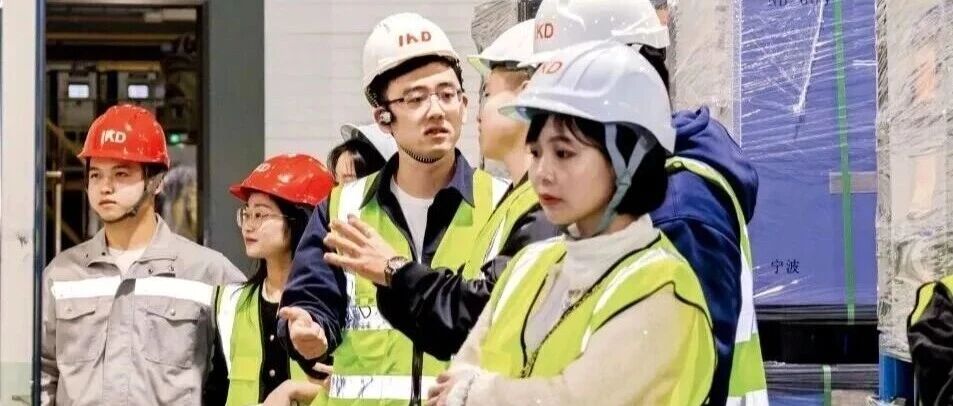
“厂二代千金”,不愿再给弟弟打工
3 6 Ke· 2026-01-30 10:10
Core Viewpoint - The article discusses the challenges and opportunities faced by the new generation of female successors in family-owned manufacturing businesses, highlighting their efforts to break stereotypes and establish their identities in a traditionally male-dominated industry [1][3][5]. Group 1: Female Successors in Manufacturing - The term "second-generation" refers to the children of small and medium-sized private manufacturing business owners, who are increasingly taking over as their parents retire [5]. - Female successors often face additional challenges compared to their male counterparts, including societal stereotypes and a lack of role models in leadership positions [10][26]. - The article emphasizes that many female successors were not groomed for leadership from a young age, leading to a gap in training and preparation for taking over family businesses [10][14]. Group 2: Challenges Faced - Female successors often encounter skepticism regarding their capabilities, with societal expectations suggesting that they are less suited for leadership roles [21][22]. - The article notes that female successors frequently experience being overlooked in business interactions, particularly in traditional heavy industries where male dominance is prevalent [20][22]. - The pressure to conform to traditional gender roles can lead to a reduction in visibility and influence for female leaders in their industries [24][27]. Group 3: Strategies for Success - Some female successors, like Huang Xiyi, have created networks and communities to support each other and share resources, which helps them navigate the challenges of their roles [22][24]. - The article highlights the importance of education and the increasing number of women with higher education degrees, which can aid in gaining recognition and respect in business environments [27]. - Female successors are encouraged to develop their unique business strategies and channels, rather than relying solely on traditional methods established by previous generations [22][29].
情绪消费驱动产业升级 “双11”宠物经济活力释放
Shang Hai Zheng Quan Bao· 2025-11-11 16:57
Group 1 - The core viewpoint of the articles highlights the transformation of pets from functional companions to family members in China, driving the growth of the pet economy as a representative of emotional consumption [1][2] - During the "Double 11" shopping festival, Petty Co. reported a GMV growth of over 30% year-on-year, with its brand "Jueyan" leading in the dog snack category and showing significant growth in staple food sales [2] - The overall trend in the pet industry is shifting towards brand concentration, with online sales requiring increased marketing efforts, and the conversion rates for flagship stores have doubled to 1.5 times year-on-year [2] Group 2 - The Engel coefficient for pet consumption on Tmall has decreased by 2.93% over the past three years, indicating a qualitative change in consumer spending towards higher quality, healthier, and more emotionally valuable products and services [2] - Smart pet products and cat litter cleaning supplies have become top priorities for pet owners, with leading brands identified in recent sales reports from platforms like JD.com [3] - Domestic brands are growing in the pet market, while foreign brands are also looking to capitalize on the booming pet economy in China, as evidenced by a 60% year-on-year increase in online sales for a company importing pet care brands [3]