
家居装修

Search documents
家居旧改市场潜力大 政策需求共振激活行业新增长
Bei Jing Shang Bao· 2026-01-26 14:50
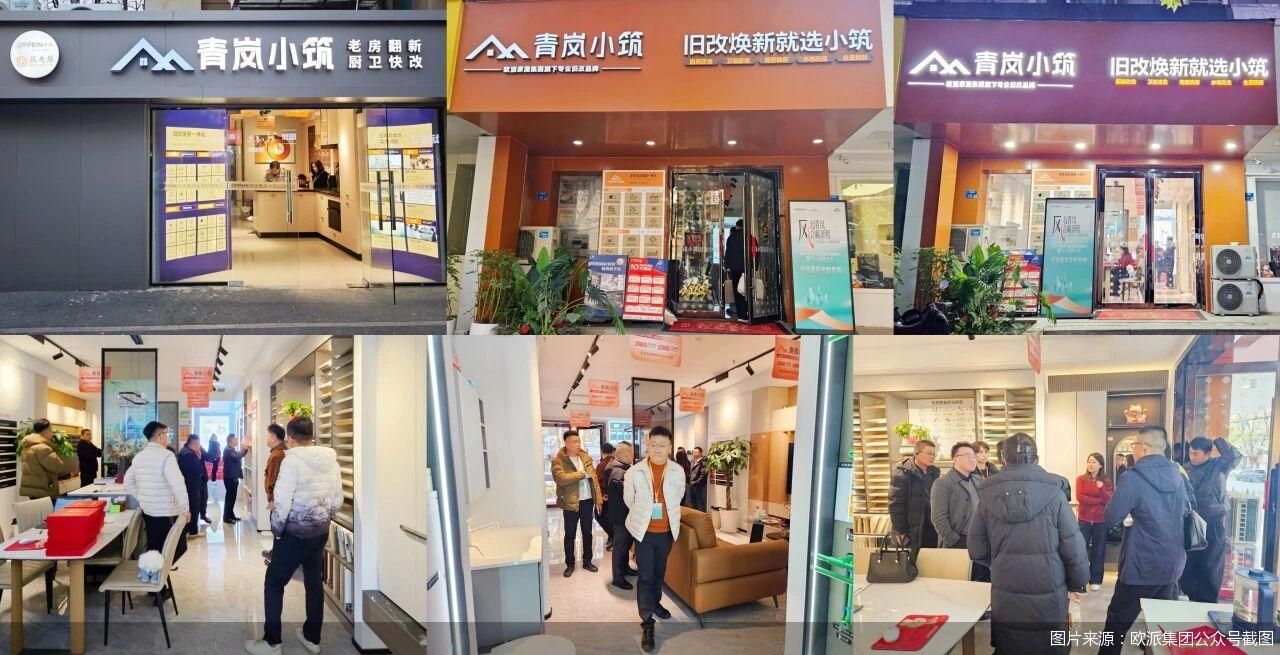
Core Insights - The current stock housing market is driving industry development, with policies like "old-for-new" and "good housing" continuously enhancing the market, leading to a trillion-level dividend in the old renovation market, which has become the core growth engine of the industry [1] - The old renovation market has entered a new stage of scaled development, with long-term policy and demand dividends expected to be released [1][7] - Companies with supply chain integration, standardized services, and localized operational capabilities will have advantages in the old renovation market [1] Company Developments - Oppein Group has launched a new brand "Qinglan Xiaozhu" to enter the old renovation market, focusing on high-frequency renovation categories such as kitchens and bathrooms, providing one-stop professional renovation services [2] - Qinglan Xiaozhu plans to implement a "Hundred Days, Hundred Stores" initiative by the end of 2025, aiming to establish over 100 stores in more than 100 cities within three months [2] - Other companies like Jindian Home and Zhibang Home are also entering the old renovation market with community-focused service models and integrated home solutions [4] Market Trends - The demand for improved living quality is shifting from "housing for all" to "quality housing," prompting a change in the home furnishing industry's development model towards quality enhancement [5] - The home furnishing industry is projected to grow at a compound annual growth rate of approximately 2.8%, reaching a market size of 5.17 trillion yuan by 2028 [5] - The old renovation market is driven by both demographic changes and policy guidance, with significant growth expected from the renovation needs of over 200 million existing homes [5] Policy Impact - Recent policies have provided substantial growth opportunities for the home furnishing industry, with the government emphasizing the need for urban renewal and the improvement of old residential areas [6] - The Ministry of Housing and Urban-Rural Development reported that from 2019 to 2024, 280,000 old residential areas have been renovated, benefiting over 48 million households [6] Challenges and Solutions - The old renovation market faces challenges such as complex project requirements, high costs, and difficulties in customer acquisition due to consumer concerns about inconvenience and costs [8] - Industry organizations are working on standardizing service contracts and pricing guidelines to provide a reference for service standards and commercial contracts [8] - The market is expected to evolve towards diversified, refined, and digital development, with segments like localized renovation, elderly-friendly modifications, and smart renovations experiencing rapid growth [8] Strategic Recommendations - Companies should shift from a traffic-oriented mindset to a user-centric approach, focusing on community engagement and trust-building for precise customer acquisition [9] - There is a need to transition from product sales to scenario-based service offerings to enhance service value and increase profit margins [9] - Collaboration within the industry and with policies is essential for moving from a fragmented market to a scaled, high-quality development [9]

企业税率或有变
第一财经· 2026-01-09 10:48
Core Viewpoint - The implementation of the new VAT law and its regulations starting January 1, 2026, introduces significant changes in how mixed sales are taxed, allowing for a more practical approach to determining applicable tax rates based on the main business activity involved in a taxable transaction [4][5][7]. Summary by Sections VAT Law and Implementation - The new VAT law specifies different tax rates for various sales activities: 13% for general goods, 9% for transportation and construction services, 6% for services and intangible assets, and zero tax for exports. Small-scale taxpayers are subject to a 3% rate [4]. - The law allows businesses to separately account for different sales activities if they are not related, enabling the application of the corresponding tax rate for each [4]. Mixed Sales Definition - The definition of mixed sales has been expanded under the new regulations to include transactions involving multiple tax rates or collection rates, not limited to just goods and services [5][6]. - The new approach emphasizes the main business activity in determining the applicable tax rate, which is seen as more reasonable and operationally feasible compared to previous definitions [5][7]. Practical Implications - The new VAT regulations will have a broad impact across various industries, requiring businesses to reassess their tax rate applications and potentially restructure their business models for compliance [11][12]. - For example, in the renovation industry, if the primary purpose of a transaction is the provision of renovation services, the applicable tax rate would be 9%, even if it includes the sale of materials [11][12]. Future Considerations - Experts suggest that the Ministry of Finance and the State Administration of Taxation should provide clearer guidelines for industries where the distinction between main and ancillary services is not obvious [12]. - There is a call for further simplification of VAT rates to enhance neutrality and streamline the VAT deduction chain, addressing the complexities arising from multiple tax rate options [12].

有哪些途径可以方便地投诉企业?实用指南请收好
Xin Lang Cai Jing· 2026-01-07 08:27
Core Viewpoint - The article emphasizes the importance of accessible and effective complaint channels for consumers whose rights have been violated, highlighting the evolution of digital governance and internet platforms that facilitate the complaint process [1][8]. Group 1: Digital Official Channels - The primary official platform for complaints is the "National 12315 Platform," which offers multiple access methods including website, mobile app, mini-programs, and public accounts. Users can register, describe their issues, and upload evidence to submit complaints [9][10]. - This digital approach eliminates geographical and time constraints, making it particularly useful for handling disputes related to online shopping or cross-regional consumption [9][10]. Group 2: Third-Party Public Complaint Platforms - An example of a third-party platform is "Black Cat Complaints," which provides various access points such as a website, independent app, and mini-programs on popular social media. The complaint submission process is streamlined to take less than five minutes [2][13]. - The platform features a real-time tracking system for complaints, enhancing transparency and allowing users to monitor the status of their complaints [2][13]. - Black Cat Complaints operates as a neutral third party, does not charge users, and utilizes an AI legal assistant to provide free legal advice based on consumer protection laws [2][13]. Group 3: Industry Organizations and Media Supervision - Industry associations and authoritative media can serve as effective complaint channels for specific sectors, providing specialized focus and expertise [14][15]. - Mainstream media's consumer rights columns can also accept complaints, which, upon verification, may lead to public exposure and prompt action from companies and relevant authorities [15]. Group 4: Smart Complaint Channel Selection - Consumers are advised to research a company's complaint history and resolution rates on platforms like Black Cat Complaints before making significant purchases, which can help avoid potential risks [16]. - The article outlines a multi-channel approach for complaints, suggesting that consumers can simultaneously report issues to official channels and third-party platforms to enhance the chances of resolution [17].
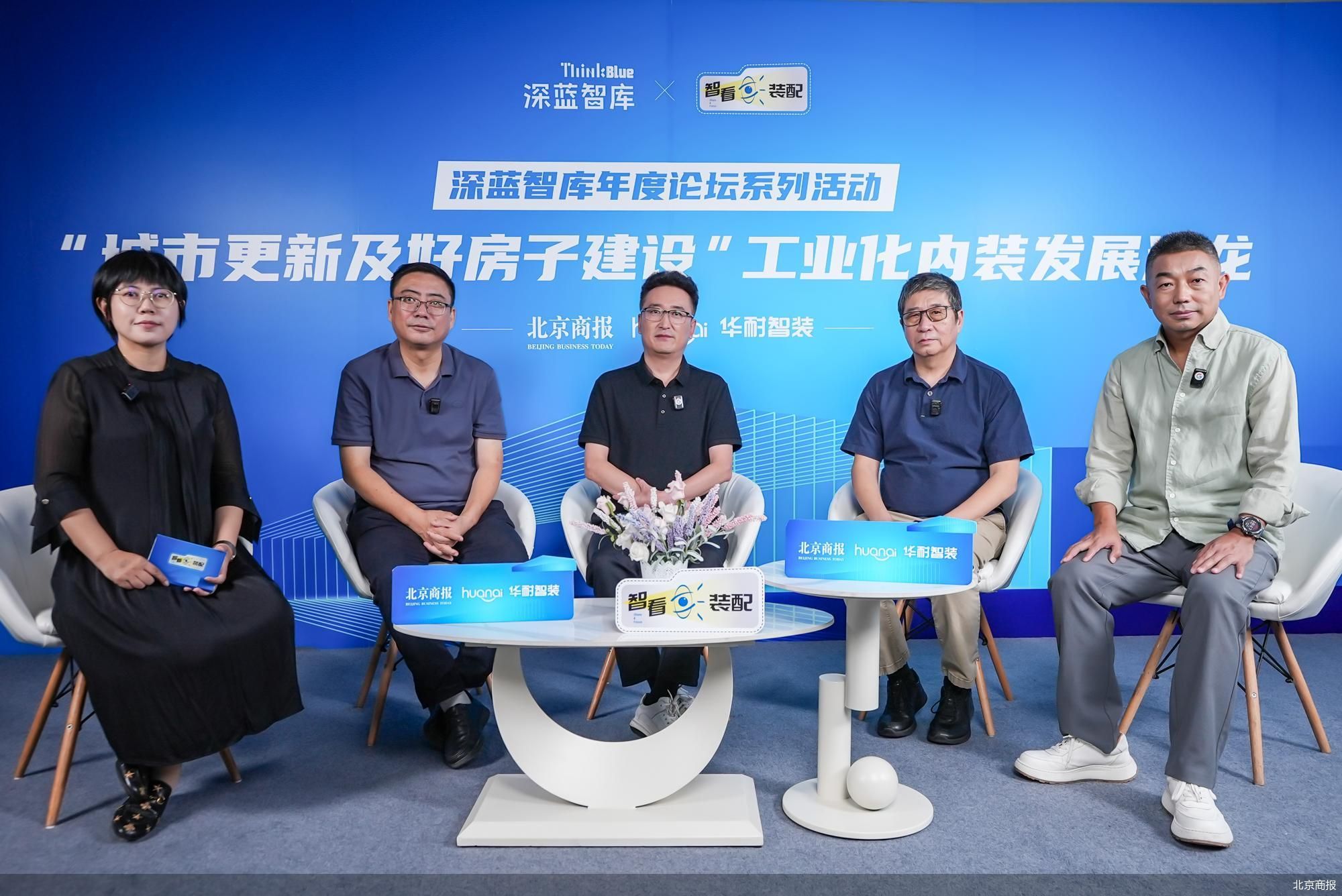
老旧房屋改造激活5万亿市场 工业化内装如何借势弯道超车
Bei Jing Shang Bao· 2025-11-27 13:39
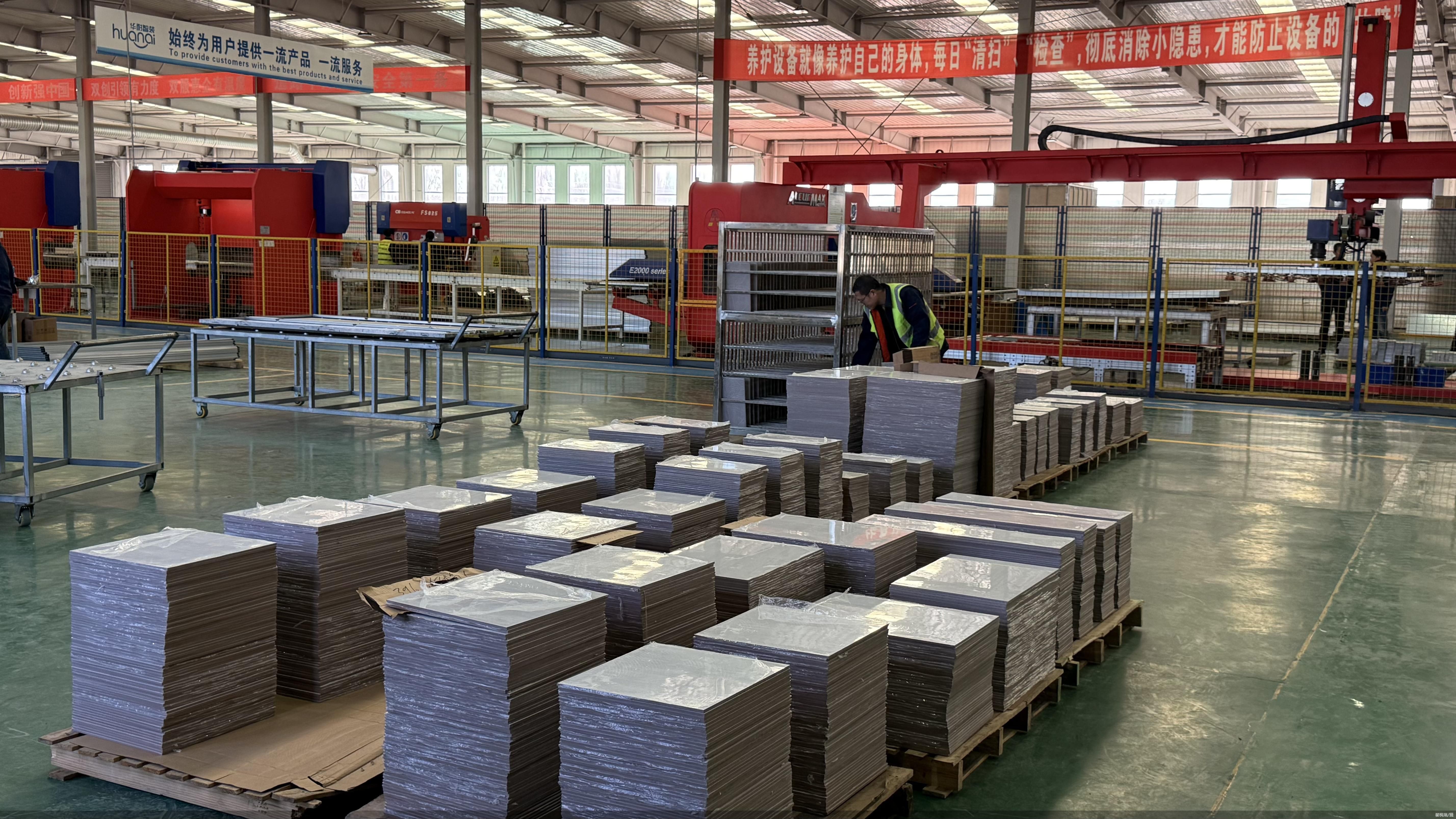
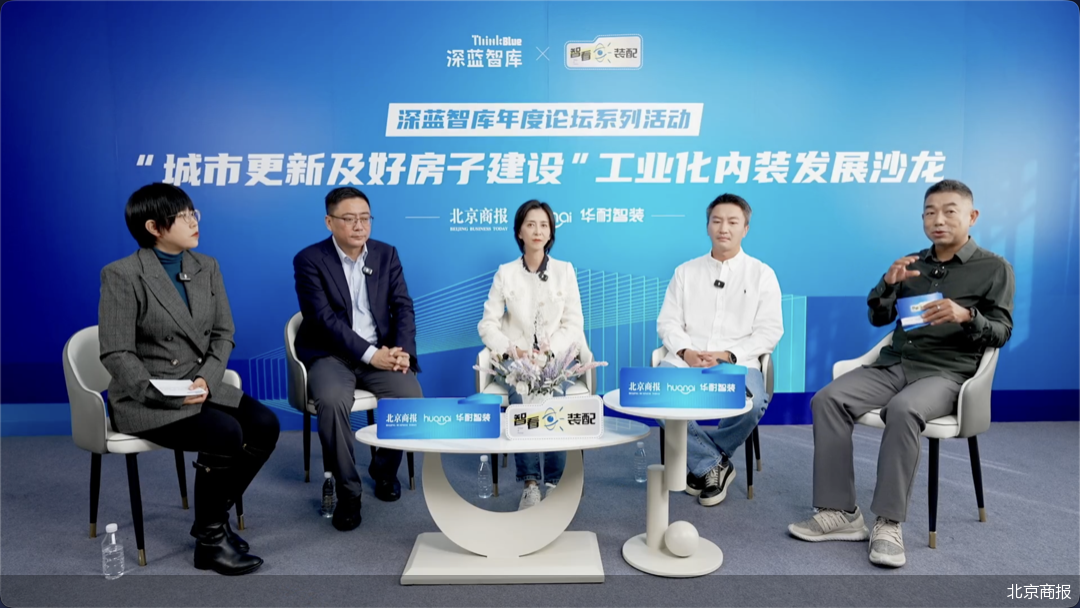
Core Insights - The renovation of old houses is becoming a key driver for growth in the home furnishing industry, with the market expected to reach 5.17 trillion yuan by 2028, significantly boosted by old house renovations [1][4][9] - The industrialized interior decoration model is seen as a systematic innovation over traditional renovation methods, addressing pain points in old house renovations and promoting high-quality urban renewal [1][6][9] Industry Growth and Market Dynamics - The home furnishing industry is projected to experience a compound annual growth rate of approximately 2.8% over the next five years, driven by policy guidance and market demand [4][5] - The shift in consumer demand from "housing for all" to "quality housing" is reshaping the industry's focus from expansion to quality enhancement [4][5] Policy and Urban Renewal - The urban renewal policy framework has been continuously improved since 2025, with significant initiatives such as the renovation of 25,000 old urban communities planned for the coming years [5] - As of September 2023, 24,300 old urban communities have already begun renovation, benefiting approximately 48 million households and over 120 million people [5] Industrialized Interior Decoration - Industrialized interior decoration is rapidly emerging as a solution to challenges in traditional renovation, offering advantages such as standardized production, high efficiency, and reduced material waste [6][7] - This method not only ensures stable quality but also significantly enhances construction efficiency while minimizing environmental impact [6][7] Challenges and Collaborative Solutions - Despite its advantages, the industrialized interior decoration sector faces challenges such as insufficient collaboration and the need for improved standards [8] - To overcome these challenges, a collaborative ecosystem is necessary, involving all parties in the supply chain to enhance efficiency and reduce costs [8] Future Outlook - The demand for industrialized interior decoration is expected to grow steadily alongside urban renewal strategies and the ongoing construction of quality housing [9] - The future success of industrialized interior decoration hinges on significant investments in production lines and the development of modular products tailored for old house renovations [9]
消费前如何避坑?先上投诉平台查口碑
Xin Lang Cai Jing· 2025-11-27 07:36
Core Viewpoint - The article emphasizes the growing trend of consumers utilizing complaint platforms to research businesses and avoid potential pitfalls before making purchasing decisions [1][2]. Group 1: New Consumer Rights Concept - The traditional model of consumer rights protection often involves seeking complaint channels only after rights have been infringed, which is time-consuming and uncertain. A new proactive approach is emerging, focusing on risk avoidance during the decision-making phase [2]. - This new concept leverages the transparency of information available on the internet, allowing consumers to assess businesses' past complaints and reputations before making purchases [2]. Group 2: Value of Official Complaint Platforms - The national 12315 platform serves as a key complaint channel, providing essential information such as business registration details, administrative penalties, and some complaint records, reflecting the compliance and credit status of enterprises [3]. Group 3: Third-Party Complaint Platforms - Third-party complaint platforms, like Black Cat Complaints, consolidate consumer complaints into a comprehensive database, offering valuable insights for future consumers [4]. - Black Cat Complaints features include: - Complete transparency of complaint content after anonymization, allowing public access [5]. - Convenient search functionality for users to find complaints related to specific businesses or products [5]. - Transparency in handling outcomes, showcasing response times and resolutions [5]. Group 4: Guidelines for Different Consumption Scenarios - In home renovation, consumers should check for: - Complaints about additional charges [6]. - Common issues with project delays [6]. - Frequency of complaints regarding substandard materials [6]. - Execution of after-sales service [6]. - In the education and training sector, consumers should focus on: - Alignment of course quality with promotional claims [8]. - Efficiency of refund mechanisms [8]. - Authenticity of teacher qualifications [8]. - Risks of institutions closing down [8]. - In fitness services, consumers should investigate: - Complaints about gyms closing unexpectedly [9]. - Issues with refunding personal training sessions [9]. - Problems related to service quality and facility maintenance [9]. Group 5: Effective Use of Complaint Platforms - Establishing a habit of researching complaint platforms before purchases can prevent future disputes, especially for high-value or prepaid services [10]. - Learning to interpret complaint data involves analyzing: - Types of complaints [10]. - Timeliness of business responses [10]. - Satisfaction with complaint resolutions [10]. - Trends in recent complaints [10]. - Cross-verifying information across multiple platforms, including credit information systems and social media, can provide a more comprehensive assessment [11]. Group 6: Positive Impacts of Consumer Caution - Checking complaint platforms before purchases not only serves individual interests but also encourages businesses to prioritize service quality [12]. - It promotes market competition, leading to the gradual elimination of poorly performing companies [12]. - Collective consumer choices can drive improvements in industry standards [12].
消费前如何有效避坑?这几个方法一定要掌握
Xin Lang Cai Jing· 2025-11-17 07:52
Core Viewpoint - The article emphasizes the importance of consumer awareness and proactive measures to avoid pitfalls in various industries, highlighting practical methods for risk identification and complaint channels to enhance consumer protection. Group 1: Identifying Industry Risks - Different industries have unique risk points due to variations in service models, regulatory intensity, and market maturity, with online education being a notable example where course quality and refund mechanisms are often problematic [2][3] - Other sectors like tourism, beauty, and home renovation also face issues such as "bait pricing," hidden fees, and substandard service quality, making it essential for consumers to understand industry characteristics to mitigate risks [3] Group 2: Utilizing Third-Party Platforms - Third-party platforms are becoming crucial for consumers to obtain authentic feedback, with platforms like Black Cat Complaints providing a space for real user complaints that reflect a company's service and product quality [4] - Black Cat Complaints allows easy access through multiple channels, enabling consumers to quickly submit complaints and participate in consumer rights protection [4] Group 3: Industry-Specific Complaint Channels - Different industries require specialized complaint channels for effective resolution, with Black Cat Complaints contributing to regulatory oversight by reporting product quality issues to authorities [5] Group 4: Preventive and Rights Protection Strategies - Consumers should maintain a dual approach of prevention and rights protection, which includes keeping receipts, verifying company qualifications, and scrutinizing contract terms [6][7] - Specific complaint channels are available for various sectors, such as transportation, telecommunications, e-commerce, financial services, and automotive, ensuring consumers have access to appropriate resources for addressing issues [8] Group 5: Conclusion - Developing an awareness of potential pitfalls before consumption is a fundamental skill for modern consumers, and utilizing available resources can significantly reduce the likelihood of negative experiences [9]
破解房屋运维难题 工业化内装重塑居住生命周期
Bei Jing Shang Bao· 2025-10-20 13:25
Core Insights - The article discusses the evolving consumer demands for housing quality, emphasizing the shift from initial aesthetics to long-term maintenance, updates, and safety [1] - A new industrialized interior decoration model is emerging, focusing on factory prefabrication and on-site assembly to address long-standing operational pain points in the housing industry [1][9] Group 1: Operational Challenges in Traditional Renovation - Traditional renovation relies heavily on manual wet operations, leading to issues such as water leakage, wall hollowing, and poor sound insulation, which significantly affect consumer living experiences [1][2] - Common problems include water leakage in bathrooms, which is often referred to as "building cancer," and the difficulty in repairing hidden plumbing issues, resulting in extensive damage and prolonged repair times [2][5] - The reliance on manual labor in traditional renovation creates variability in quality, influenced by worker skill levels and environmental factors, leading to inconsistent results [5][7] Group 2: Advantages of Industrialized Interior Decoration - Industrialized interior decoration offers a systematic solution to operational pain points, ensuring quality and efficiency through modular design and flexible assembly, which minimizes the need for extensive renovations [5][9] - The use of prefabricated components, such as integrated bathrooms, enhances construction precision and reduces reliance on manual labor, thereby improving overall quality and reducing construction time [4][6] - Industrialized solutions significantly lower maintenance costs by allowing for easier identification and repair of issues, with maintenance costs reduced by over 60% compared to traditional methods [7][8] Group 3: Lifecycle Cost Considerations - There is a common misconception that industrialized interior decoration has high initial costs; however, when considering the total lifecycle costs, it proves to be more economical due to lower maintenance and repair expenses over time [8][9] - Traditional renovations may appear cheaper initially, but they can incur maintenance costs that reach 50% of the initial investment within ten years, while industrialized solutions maintain lower costs [8] - The long-term value of properties with industrialized interiors is higher, with market valuations estimated to be 15% to 20% greater than those with traditional renovations [8][9] Group 4: Future Trends - As urban renewal and the "good housing" initiative progress, industrialized interior decoration is transitioning from a technical option to a standard for quality housing [9] - The continued maturation of modular technology and the improvement of the supply chain will facilitate the broader adoption of industrialized solutions in both new constructions and the renovation of old neighborhoods [9]
从有居到优居 工业化内装“点亮”城市更新
Bei Jing Shang Bao· 2025-08-27 16:36
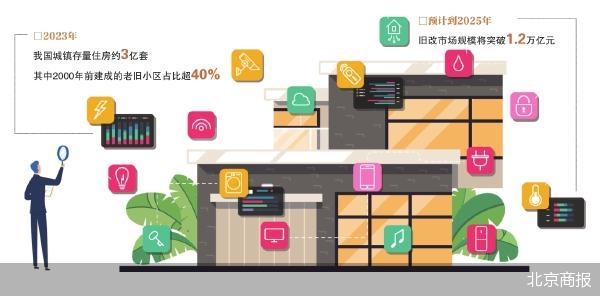
Core Viewpoint - The concept of "good housing" is being redefined in China as the Ministry of Housing and Urban-Rural Development implements the national standard "Housing Project Specifications," emphasizing the transformation of old houses into good houses as a key driver for urban renewal [1][5]. Industry Trends - The shift in urban construction from "incremental expansion" to "stock quality improvement" highlights the importance of renovating old neighborhoods and building quality residences as central to urban renewal [3][5]. - Industrialized interior decoration, characterized by standardized production and modular installation, is emerging as a solution to the inefficiencies and environmental shortcomings of traditional renovation methods [3][4]. Market Demand - The demand for industrialized interior decoration is driven by both policy guidance and consumer needs, with a significant shift in residential expectations from "having a place to live" to "living well" [5][6]. - As of 2023, approximately 300 million urban housing units exist in China, with over 40% built before 2000, indicating a substantial market for renovation [6]. Technological Advancements - The industrialized interior decoration sector is expected to evolve towards more intelligent and refined production techniques, enhancing efficiency and reducing costs [7]. - The integration of automation and smart production equipment is anticipated to increase, further driving production efficiency [7]. Competitive Landscape - The industrialized interior decoration market is becoming increasingly competitive, prompting resource integration and optimization within the industry [8]. - Collaboration among upstream and downstream enterprises in the industrialized interior decoration supply chain is expected to strengthen, creating a comprehensive ecosystem that includes design, production, construction, and operation [8].
从“住有所居”到“住有优居” 工业化内装成城市更新新引擎
Bei Jing Shang Bao· 2025-08-27 15:07
Core Insights - The concept of "good housing" is being redefined in China as the Ministry of Housing and Urban-Rural Development implements the national standard "Housing Project Specifications" [1] - The transition from "incremental expansion" to "stock quality improvement" in urban construction emphasizes the renovation of old neighborhoods and quality housing [3] - Industrialized interior decoration is emerging as a key solution to upgrade old houses into "good houses," driven by market demand and technological innovation [1][4] Industry Trends - The industrialized interior decoration market is gaining momentum as it addresses the inefficiencies and environmental shortcomings of traditional renovation methods [3][4] - The implementation of national standards and policies promoting green development and building industrialization is propelling the growth of industrialized interior decoration [5] - The market for old housing renovations is projected to exceed 1.2 trillion yuan by 2025, with over 40% of urban housing stock being old neighborhoods built before 2000 [6] Consumer Demand - Consumers are shifting their expectations from merely having a place to live to seeking quality living environments, with a focus on improved sound insulation, thermal performance, and reduced disruption during renovations [5][6] - The demand for industrialized interior decoration is driven by the need for efficient, high-quality, and environmentally friendly renovation solutions [7] Competitive Landscape - The industrialized interior decoration sector is expected to see increased competition, leading to resource integration and optimization within the industry [8] - Companies like Huazhu Home are heavily investing in industrialized interior decoration, establishing subsidiaries to enhance production efficiency and reduce reliance on manual labor [4][7] - The collaboration among upstream and downstream enterprises in the industrialized interior decoration supply chain is expected to strengthen, forming a comprehensive ecosystem that includes design, production, construction, and operation [8]
BEKE(BEKE) - 2025 Q2 - Earnings Call Transcript
2025-08-26 13:00
Financial Data and Key Metrics Changes - Total Gross Transaction Value (GTV) reached RMB 878.7 billion, representing a year-over-year increase of 4.7% [10] - Revenue for Q2 was RMB 26 billion, up 11.3% year-over-year [10] - Gross margin declined by six percentage points year-over-year to 21.9% [11] - GAAP net income was RMB 1.31 billion, falling 31.2% year-over-year [11] - Non-GAAP net revenue reached RMB 1.82 billion, down 32.4% year-over-year [12] Business Line Data and Key Metrics Changes - Existing home sales transactions rose by 26%, outpacing the market growth rate of 19% [12] - New home orders increased by 19%, while the market declined by 6% [12] - Revenue from in-home transactions was RMB 6.7 billion, down 8.4% year-over-year [15] - Revenue from new home transactions was RMB 8.6 billion, rising by 8.6% year-over-year [17] - Home renovation and furniture business revenue reached RMB 4.6 billion, increasing by 13% year-over-year [20] - Home rental services revenue reached a record high of RMB 5.7 billion, up 78% year-over-year [22] Market Data and Key Metrics Changes - The total value of housing transactions nationwide was stable overall, but new home sales dropped by 5.2% year-over-year in the first half [56] - Existing home transactions rose 8.3% year-over-year, driven by a 19% increase in the number of transactions [57] - Rental yield reached 2.5% in June, about 40% higher than its lowest point [58] - The market downturn has picked up speed, with existing home transactions falling by over 5% month-over-month [60] Company Strategy and Development Direction - The company aims to shift focus from scale to efficiency, enhancing operational capabilities and productivity [34][66] - The strategy includes deeper operational efforts and leveraging AI for productivity gains [37][70] - The company will not adopt an asset-heavy model and will focus on delivering C2M product solutions for developers [24][50] Management's Comments on Operating Environment and Future Outlook - Management noted that the real estate market is facing challenges due to international trade friction and policy impacts [8] - Future market recovery will depend on the pace of policy changes and supply-demand balance improvements [60][61] - The company is committed to maximizing long-term value through operational improvements and AI-driven initiatives [30][31] Other Important Information - The company has a robust cash liquidity of around RMB 70 billion, allowing for active share buybacks and dividends [29] - The share repurchase program has been extended to August 31, 2028, with an increased authorization [30] Q&A Session Summary Question: Overview of the secondary home market and future trajectory - Management indicated that the secondary home market showed stability in Q1 but weakened significantly in Q2, with expectations for stronger policy support to boost demand [55][56] Question: Actions taken to deliver value to investors amid sector downturn - Management emphasized a shift from growth to efficiency, focusing on enhancing operational capabilities and consolidating lower-performing stores and agents [64][66] Question: Opportunities from new property development models - Management highlighted that new home products meeting national standards are expected to improve market dynamics and enhance the company's value to developers [76][80] Question: Key growth drivers in the home renovation and furnishing business - Management noted that operational efficiency improvements and centralized procurement have driven revenue growth and margin improvements in the home renovation segment [85][87]
