布伦特原油看涨期权

Search documents
伊朗风险扭转“石油叙事”,周一“布油看涨期权”成交量创历史新高,交易员紧急寻求“空仓保护”
Hua Er Jie Jian Wen· 2026-01-13 00:18
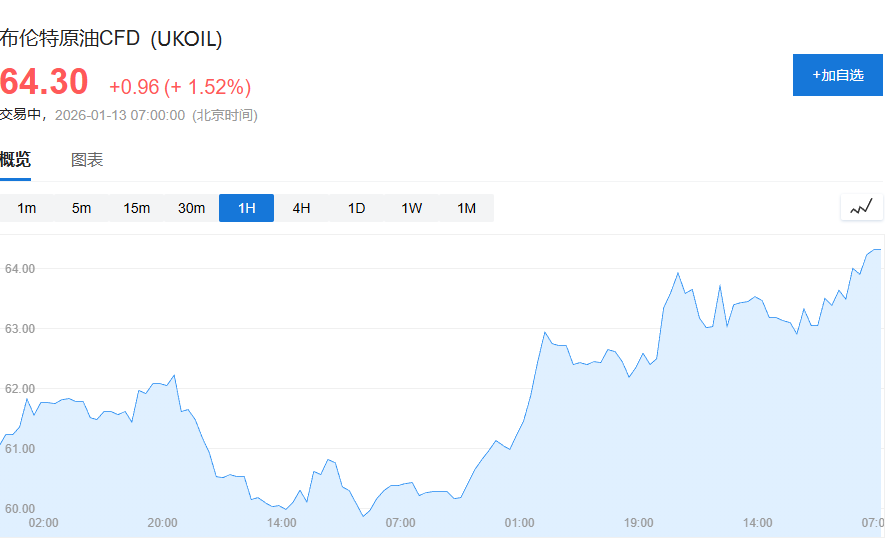
Core Viewpoint - The oil market is experiencing a dramatic sentiment reversal due to supply disruption concerns stemming from protests in Iran, leading traders to buy call options at unprecedented levels to hedge against price surges, shifting the earlier pessimistic outlook on supply surplus [1]. Group 1: Market Activity - On Monday, the trading volume of Brent crude oil call options reached a historic high, exceeding 556,000 contracts, reflecting heightened market vigilance regarding supply risks from Iran, the fourth-largest oil producer in OPEC [1]. - The implied volatility and call option premiums have continued to rise, reaching their highest levels since June of the previous year, following military actions by the U.S. and Israel against Iran [1]. - Brent crude futures have increased by over 6% since last Wednesday, as short positions betting on supply surplus were forced to cover [1]. Group 2: Trading Strategies - The options trading on Monday was dominated by large-scale spread trades, which provided relatively inexpensive tools for betting on sudden price spikes. Notably, significant trades included spread contracts equivalent to 40 million barrels [5]. - Early signals of large call spread trades were observed before Friday's close, including a spread contract equivalent to 50 million barrels, setting the stage for Monday's explosive trading volume [5]. - These spread strategies allow traders to hedge against a range of potential outcomes, from military escalation to supply disruptions due to protests by Iranian oil workers [5]. Group 3: Market Sentiment - The shift in market sentiment has been abrupt; earlier this month, the outlook was pessimistic due to the recovery prospects of Venezuelan production, which was exacerbating global supply surplus concerns [4]. - The "skew" indicator for Brent crude oil options has shifted in favor of call options since mid-last week, indicating a rare market condition typically seen during geopolitical pressures [6]. - Despite claims from Tehran that protests have been quelled, unrest appears to persist, with reports indicating that U.S. President Trump is considering military action against Iran, adding to the uncertainty in the market [8].

地缘局势微妙,油价连涨3周
Hua Er Jie Jian Wen· 2026-01-10 02:31
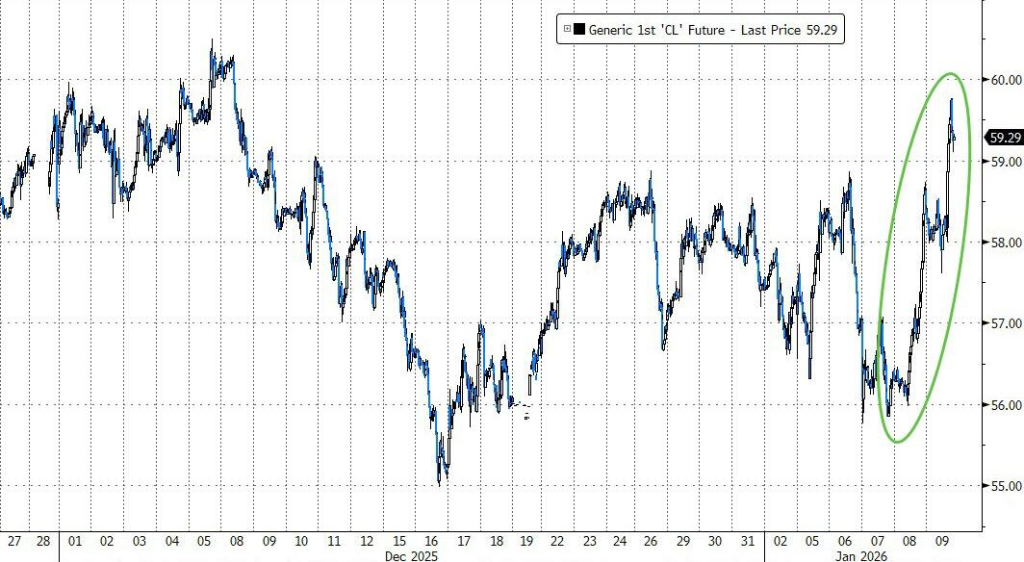
Core Viewpoint - Geopolitical risk premium has returned to the energy market, with crude oil prices recording the longest weekly gain since June of last year [1][2]. Group 1: Geopolitical Risks - Protests in Iran have been ongoing, with the Iranian National Security Council accusing the U.S. and Israel of orchestrating the unrest [1]. - U.S. President Trump warned of severe consequences for Iran if they are found responsible for any deaths related to the unrest [1]. - The focus of the market has shifted from Venezuela to Iran, as Iran's potential supply disruptions have a greater impact on oil prices due to its larger production capacity [2][6]. Group 2: Market Reactions - WTI crude oil futures saw a rise of over 3% on Friday, accumulating a gain of over 5% in the past two trading days, marking three consecutive weeks of increases [2][3]. - The options market reflects a shift in risk appetite, with call options skew reaching the highest level since July, indicating traders are paying the highest insurance premiums since the conflict between Israel and Iran began [4]. - Despite rising prices, fundamental pressures remain, with Goldman Sachs noting that clients' bearish sentiment towards oil prices is at a ten-year high [4]. Group 3: Supply and Demand Dynamics - The market is increasingly concerned about the potential for U.S. intervention in Iran if civilian casualties rise, with a 70% likelihood of intervention according to Rapidan Energy Group [7]. - Venezuela's role as a supplier has diminished significantly due to U.S. sanctions and aging infrastructure, while Iran continues to produce over 3 million barrels per day [6]. - The market is currently focused on Iran as the primary source of supply risk, overshadowing concerns about Venezuela [6]. Group 4: Financial Flows and Positioning - The amplification of risks related to Iran is attributed to traders holding significant bearish positions, which could lead to a sharp market reversal if geopolitical tensions force these positions to be unwound [9][10]. - Trend-following commodity trading advisors (CTAs) have been buying crude oil, and if prices stabilize, they are expected to continue purchasing [11]. - Over $6 billion is anticipated to flow into the market in the coming days due to annual rebalancing, primarily from commodity index funds [11]. Group 5: Price Outlook - Despite rising geopolitical risks, macro-level expectations of oversupply are limiting the upside potential for oil prices [12]. - The increase in Venezuelan supply and production rises in other regions may keep oil prices trading around $50 in the first quarter [12]. - Historical trends suggest that price spikes due to geopolitical events may be temporary, as seen when oil prices surged following U.S. bombings of Iranian nuclear facilities but quickly retreated once production was confirmed unaffected [12].
高盛:油价能跌到多低?
智通财经网· 2025-04-09 02:17
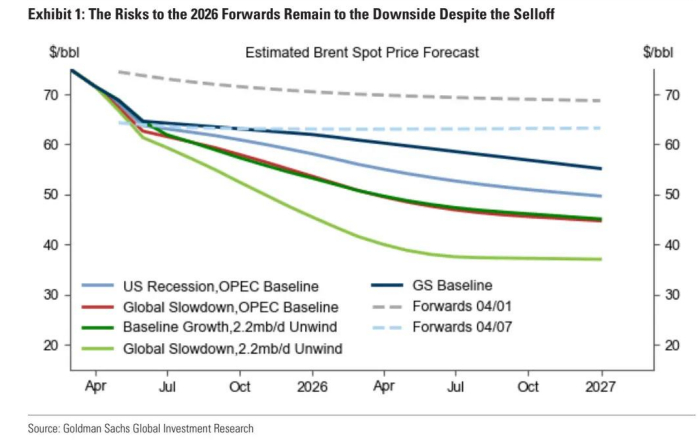
Core Viewpoint - Goldman Sachs has lowered its oil price forecasts, incorporating further downward adjustments to GDP expectations, predicting Brent crude prices to drop to $62 and WTI prices to $58 per barrel by December 2025, and further to $55 and $51 by December 2026 [1] Group 1: Economic Assumptions - The forecast assumes that the U.S. economy will avoid a recession, with a projected mild increase in oil demand of 300,000 barrels per day in 2025 and 400,000 barrels per day in 2026, based on a 0.5% GDP growth in Q4 2025 and a global GDP growth of 1.7% [1] - OPEC+ supply is expected to increase moderately, with a total production increase of approximately 700,000 barrels per day over four months, following a 411,000 barrels per day increase in May [1] Group 2: Price Downside Risks - Three potential shocks could lead to downward pressure on oil prices: a typical U.S. economic recession, a global economic slowdown, and the cancellation of OPEC+ voluntary production cuts of 2.2 million barrels per day [2] - In a typical U.S. recession scenario, Brent crude prices are expected to fall to $58 and $50 per barrel by December 2025 and December 2026, respectively [5] - In a global GDP slowdown scenario, Brent prices could drop to $54 and $45 per barrel by the same dates, while the complete cancellation of OPEC+ cuts could see prices at $53 and $45 per barrel [6] Group 3: Trading Strategy Recommendations - Goldman Sachs recommends a new three-way trading strategy for macro investors and oil producers to hedge against recession and oil price decline risks [10] - The strategy involves selling Brent crude call options with a strike price of $75 per barrel for June 2026 and using the proceeds to buy put options with strike prices of $55 and $45 per barrel [10][13] - This approach is based on the premise that idle capacity limits the upside potential for oil prices, while U.S. shale oil provides a solid price support at lower levels [10]