康乃馨

Search documents
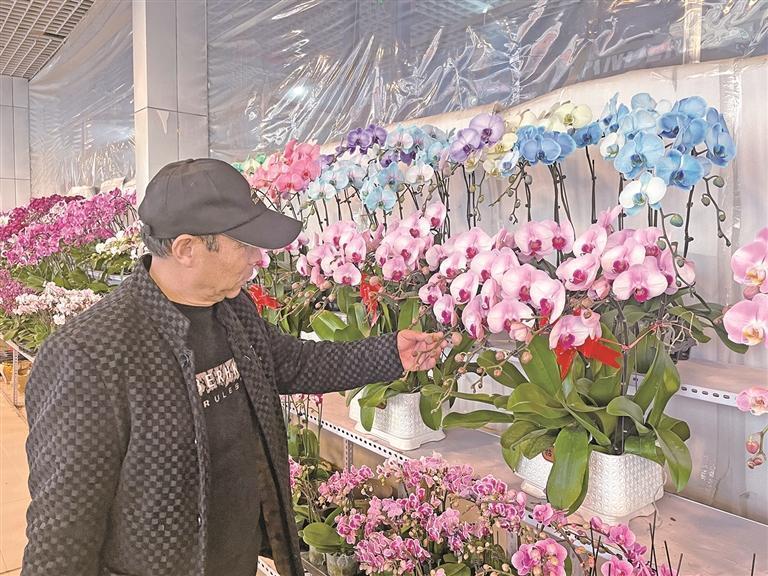
(新春走基层)到昆明斗南赶一场春日花潮
Zhong Guo Xin Wen Wang· 2026-02-18 09:22
Core Viewpoint - The flower market in Kunming, particularly the Dou Nan Flower Trading Market, has transformed from a local agricultural area to Asia's largest flower market, becoming a significant cultural and economic hub during the Chinese New Year [1][2]. Group 1: Market Dynamics - The Dou Nan Flower Trading Market attracts both locals and tourists, with a diverse range of flowers such as Narcissus, Butterfly Orchid, and new trendy varieties like Wintergreen and Pink Calla Lily gaining popularity among younger consumers [1][2]. - The market has seen a notable increase in demand for fresh-cut flower exports, with Malaysia emerging as a new key export market while traditional markets like Kazakhstan, Russia, and Japan maintain stable purchasing levels [2]. Group 2: Cultural Significance - Buying flowers during the New Year is a cherished tradition in Yunnan, symbolizing good fortune and serving as a popular gift during family visits [1]. - The integration of flowers with cultural tourism has made visiting the Dou Nan Flower Trading Market a popular choice for tourists, enhancing their experience of Kunming's lifestyle [2]. Group 3: Competitive Advantage - The continuous improvement of cold chain logistics has enhanced the international competitiveness of Kunming's flower industry, allowing for rapid delivery to consumers and attracting more overseas buyers [2].
年宵花走俏新春团圆时刻
Xin Lang Cai Jing· 2026-02-11 20:52
Group 1 - The red carnation is popular for the Spring Festival, with prices around 39.9 yuan for 20 stems, highlighting the festive appeal of flowers during this period [1] - The demand for flowers is increasing as the Spring Festival approaches, with preferences leaning towards vibrant colors like Chinese red [1] - Various flower types are being sold, including locally cultivated orchids and imported varieties, catering to different consumer preferences for price, aesthetics, and longevity [1] Group 2 - The main flower types for the Spring Festival include roses, lilies, and carnations, with emerging varieties like wintergreen and pink calla lilies gaining popularity among younger consumers [2] - The overlap of the Spring Festival and Valentine's Day on February 14 is expected to boost the flower market, with daily supply estimates reaching 5 to 5.5 million stems, and peak days potentially nearing 7 million stems [2]
繁花怒放
Jing Ji Ri Bao· 2026-02-06 07:25
Core Insights - The Chinese flower industry is projected to reach a market size of 100 billion yuan by the end of 2025, with a stable planting area of 1.3899 million hectares and over 5.34 million direct employees, solidifying China's position as the world's largest flower producer [1] - The industry is evolving into a "beautiful economy," integrating economic value and cultural significance, as highlighted by President Xi Jinping's emphasis on developing the entire industry chain [1][2] Industry Foundation - The Chinese flower industry has developed a robust foundation over 40 years, rooted in complete industrial resources from seed quality to modern facilities, which serves as a stabilizing force against market fluctuations [2] - The core competitiveness lies in the seed industry, with over 3,700 flower germplasm resources preserved in Gansu province, indicating a rich genetic heritage [2] Innovation and Technology - A breakthrough moment is emerging with the introduction of over a thousand new flower varieties featuring "Chinese style" at the upcoming 2025 Rose Innovation Conference in Yunnan [3] - Advanced breeding techniques, including gene editing, are significantly reducing breeding cycles from 8-10 years to a much shorter timeframe, aiming to establish unique advantages in certain areas [3] Regional Development - Yunnan province is recognized as a "kingdom of fresh-cut flowers," with a projected planting area of 200,000 acres and an output of 22.1 billion stems by 2025, contributing over 100 billion yuan to the industry [4] - The industry has formed seven major production clusters across China, including regions in Yunnan, Guangdong, Shandong, and Gansu, each specializing in different types of flowers [4] Market Dynamics - The national production layout ensures stable supply, with different regions specializing in various flower types, thus enhancing China's competitive edge in the global market [5] - The modernization of production facilities, such as smart greenhouses, is improving efficiency and profitability, with some companies reporting a 50% increase in per-acre returns compared to traditional methods [5] Consumer Trends - The flower market is witnessing a shift from seasonal gifts to everyday items, with consumers increasingly viewing flowers as a means of self-expression [10] - The rise of "self-purchase" consumption patterns is expanding the market, with subscription models like "one flower a week" becoming popular [24] Policy Support - The Chinese government has issued strategic guidelines to promote high-quality development in the flower industry, aiming for sales to reach 300 billion yuan by 2025 and over 700 billion yuan by 2035 [11][12] - Local governments are implementing targeted support policies, including financial subsidies for new variety research and facility upgrades [13][14] Challenges - The industry faces structural challenges, including an oversupply of low-end products and a shortage of high-end offerings, leading to price volatility and market instability [19][20] - There is a significant reliance on imported flower varieties, with 65.06% of flower bulbs imported, indicating a need for domestic innovation in the seed industry [17][18] Future Trends - The flower industry is transitioning from a "beautiful industry" to a "happy industry," integrating deeper into national development narratives and enhancing quality of life [22][29] - The focus on green development and sustainable practices is becoming a core competitive advantage, with initiatives aimed at reducing plastic waste and promoting eco-friendly production methods [23]
(新春走基层)“亚洲花都”春意浓 年宵花迎销售高峰
Xin Lang Cai Jing· 2026-02-04 12:21
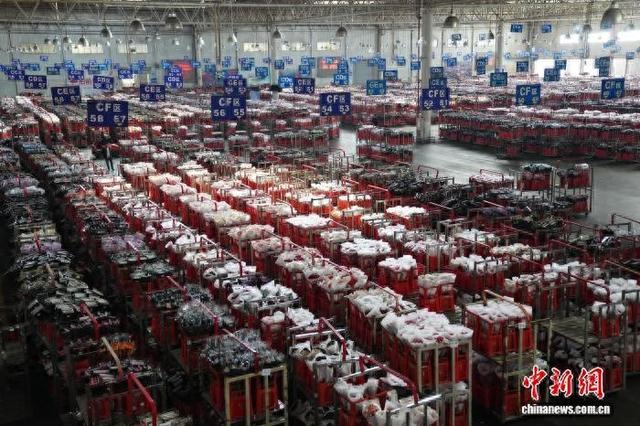
Core Viewpoint - The Kunming International Flower Auction Trading Center is experiencing a peak in flower sales as it approaches the Lunar New Year, with significant trading activity and high demand for various flower types [1][3]. Group 1: Market Activity - The Kunming International Flower Auction Trading Center is bustling with activity, featuring over 900 seats filled in the auction hall and a continuous increase in trading volume [1]. - The peak sales period is expected to last until February 12, with an average daily supply of 5 to 5.5 million stems, and a potential single-day peak nearing 7 million stems [3]. Group 2: Pricing and Demand - The price of single roses is anticipated to exceed 20 yuan per stem during the Spring Festival period [3]. - The main flower varieties for this year's sales include roses, lilies, and carnations, with multi-headed roses in pink being particularly popular [5]. Group 3: Consumer Behavior - Consumers are actively purchasing flowers for family members to celebrate the upcoming Spring Festival, indicating a strong cultural significance attached to flower gifting during this period [5]. - New and niche flower varieties, such as the Hanoi peony and North American wintergreen, are gaining popularity among younger consumers [5]. Group 4: Export Market - There is a notable increase in flower export demand, particularly from Malaysia as a new key market, while Kazakhstan, Russia, Vietnam, and Japan maintain stable purchasing levels [5].

云南鲜切花出口规模连续7年保持全国首位
Shang Wu Bu Wang Zhan· 2026-01-30 07:49
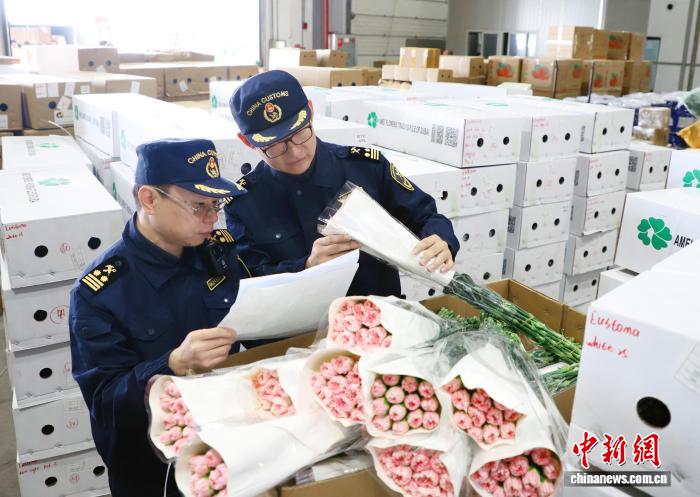
Core Viewpoint - In 2025, the export value of fresh-cut flowers from Yunnan reached 1.22 billion yuan, marking a year-on-year increase of 60.5%, maintaining the top position in the country for seven consecutive years, with exports covering 64 countries and regions globally [1] Group 1: Export Performance - The export value of Yunnan's fresh-cut flowers reached 1.22 billion yuan in 2025, reflecting a significant growth of 60.5% compared to the previous year [1] - Yunnan has maintained its position as the leading province in fresh-cut flower exports for seven consecutive years [1] - The export market for Yunnan's fresh-cut flowers spans 64 countries and regions worldwide [1] Group 2: Operational Efficiency - In Kunming Dou Nan flower planting base, customs officials verify soil data and pest monitoring records, providing on-site guidance for key processes such as harvesting and sorting [1] - Fresh-cut flowers like roses, carnations, and orchids are harvested and packaged in the morning, then transported via cold chain trucks to Kunming Changshui International Airport [1] - The entire process from harvesting to export can be completed in less than 20 hours, maximizing the freshness and integrity of the flowers, which helps businesses seize the 36-hour "golden shelf life" for flowers [1] - The flowers are then flown to countries such as Malaysia, Saudi Arabia, and the United Arab Emirates [1]
2025年云南鲜切花出口12.2亿元 连续7年全国第一
Zhong Guo Xin Wen Wang· 2026-01-26 13:52
Core Insights - In 2025, Yunnan's fresh cut flower exports reached 1.22 billion yuan, marking a year-on-year growth of 60.5% and maintaining the top position in the country for seven consecutive years, covering 64 countries and regions globally [1][2]. Group 1: Export Performance - Yunnan accounts for 70% of China's fresh cut flower supply, with a cultivation area of 1.95 million acres, forming a trillion-yuan industry scale [2]. - The export value of fresh cut flowers from Yunnan in 2025 was 1.22 billion yuan, reflecting a significant increase of 60.5% compared to the previous year [1]. Group 2: Quality and Logistics - The quality of Yunnan's fresh cut flowers is fundamental to their success in overseas markets, while the efficiency of customs clearance is crucial for timely exports [2]. - Fresh cut flowers are quickly transported from the planting base to Kunming Changshui International Airport, with a total process time of less than 20 hours from harvesting to export [2]. - The "green channel" for fresh agricultural products allows for rapid processing, helping businesses capitalize on the 36-hour "golden shelf life" for fresh flowers [2].
朝阳区年宵花展销走进广华新城社区
Bei Jing Ri Bao Ke Hu Duan· 2026-01-24 04:27
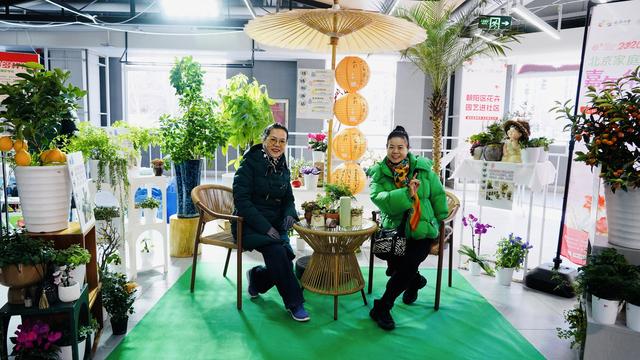
Group 1 - The event "Flower Gardening into the Community" was held in Guanghua New City, focusing on the theme of "Building a Garden City, Sharing Gardening Life" to provide residents with a festive experience combining flower purchasing, cultural experiences, and knowledge dissemination [1] - The flower sales area featured dozens of varieties suitable for home decoration, including butterfly orchids, cymbidium, and peonies, along with a special section for fresh-cut flowers like lilies and roses, catering to the community's festive decoration needs [3] - The event included an "Emotional Refueling Station" designed by the Beijing Institute of Landscape and Greening, offering immersive sensory healing experiences and a plant consultation desk for professional gardening advice [5] Group 2 - The exhibition showcased achievements in garden city construction, including micro-gardens and the protection of ancient trees, highlighting the community's efforts in promoting horticulture [8] - Cultural experiences at the event included custom spring couplets and traditional craftsmanship demonstrations, creating a vibrant atmosphere filled with traditional cultural elements [8]
鲜花俏销 美丽经济一路繁花
Xin Lang Cai Jing· 2026-01-18 17:25
Core Viewpoint - The flower market in Qinghai is experiencing a transformation, with flowers becoming a regular part of daily life rather than just a seasonal purchase, driven by local cultivation, improved delivery services, and changing consumer attitudes towards quality of life [7][14]. Group 1: Market Trends - The demand for flowers has shifted from being a rare purchase during festivals to a common practice, with consumers now buying flowers for personal enjoyment [7]. - The variety of flowers available has increased significantly, with local cultivation reducing reliance on external suppliers and stabilizing prices [9][13]. - The average price for common flowers like small potted plants is around 20 yuan, while standard orchids are priced between 20 to 25 yuan, making them more accessible to ordinary families [13]. Group 2: Consumer Behavior - Younger consumers, particularly those aged 20 to 40, are driving the market, favoring personalized flower arrangements and online purchasing options [11][12]. - The trend of gifting flowers has also grown, with consumers purchasing flowers not only for themselves but also as gifts for friends and family [7][10]. - The integration of online sales and delivery services has made flower purchasing more convenient, aligning with the preferences of younger consumers [12]. Group 3: Local Cultivation Impact - Local breeding initiatives have established high-standard cultivation bases for orchids, allowing for better quality and reduced transportation costs [9]. - The cultivation of orchids in Qinghai has been optimized for the local climate, resulting in a shorter growth cycle compared to eastern regions [9]. - Employment opportunities have increased in local communities due to the establishment of these cultivation bases, benefiting the local economy [9][10]. Group 4: Seasonal Sales Dynamics - The peak sales period for flowers occurs in the month leading up to the Spring Festival, with sales reportedly doubling during this time [8]. - Flower shops are adapting to consumer preferences by offering a wide range of flower types, including trendy varieties that appeal to younger buyers [11][12]. - The market is seeing a rise in the popularity of traditional Chinese floral arrangements, which are particularly favored during the festive season [11].
鲜花交易的“上海价格”来了
Xin Lang Cai Jing· 2025-12-10 01:57
Core Insights - The Chinese flower retail market reached approximately 220 billion yuan last year, with Shanghai being one of the cities with the highest per capita flower consumption, transitioning from a consumption hub to a trading city [1][5] - The Shanghai Hongqiao Flower Valley International Flower Auction Center is set to officially operate in January 2026, becoming the first professional flower auction platform in the Yangtze River Delta and the largest flower trading center in East Asia [1][5] Market Overview - In 2024, the domestic flower retail market is expected to grow by 8%, with e-commerce channels accounting for 54.5% of sales, and Generation Z contributing 20% to 30% of total consumption [2][6] - The Kunming Dou Nan Flower Market handles over 45 million fresh flowers daily, with a projected transaction volume of 14.176 billion flowers and a transaction value of 11.574 billion yuan in 2024, representing about 70% of the national fresh-cut flower trade [2][6] Strategic Positioning - The Shanghai International Flower Auction aims to create a national and global flower distribution hub, complementing the Kunming market to form a collaborative structure of "one south, one north" [2][6] - The auction center is strategically located in Qingpu, a key flower cultivation area in the Yangtze River Delta, with a planned area of 18,000 square meters and a core auction hall of 1,500 square meters [3][8] Logistics and Infrastructure - The auction center will feature a cold chain system for fresh-cut flowers, including a 5,000 square meter professional cold storage facility, ensuring efficient distribution from production to end consumers [1][3] - Qingpu has established a logistics network that supports e-commerce, with a 30.5 million square meter infrastructure for greenhouses, cold storage, and smart logistics [8] Future Projections - The annual auction volume at the Shanghai International Flower Auction is expected to exceed 1 billion flowers, with a transaction value projected to reach 800 million yuan [7] - The platform aims to enhance China's presence in high-value markets such as Europe and the Middle East, with a goal of establishing Shanghai as a pricing center for the flower industry [4][9]
塞上江南 冬日花香
Xin Hua Wang· 2025-11-26 06:52
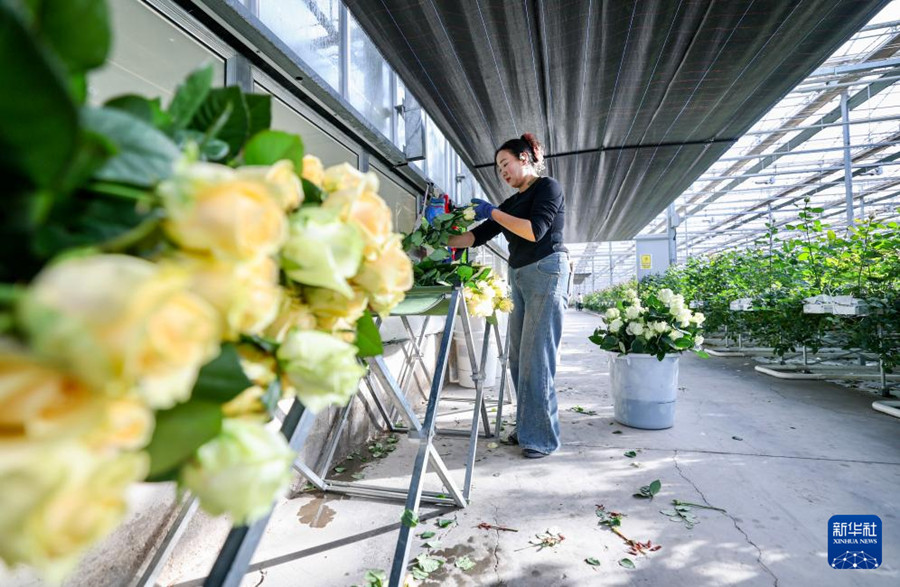
Core Insights - The article highlights the flourishing flower industry in Yinchuan, Ningxia, particularly in the Xinqing District, where various flower species such as roses, carnations, and orchids are being cultivated and marketed [2] Industry Development - Yinchuan's Xinqing District has leveraged its advantageous sunlight resources to develop a distinctive flower industry, establishing an agricultural high-tech smart demonstration park to enhance winter production capabilities [2] - The flower planting area in Xinqing District exceeds 7,000 acres, creating employment for over 4,000 farmers and forming a three-pronged industrial chain consisting of cut flowers, potted plants, and ornamental seedlings [2] Economic Impact - The annual output value of the flower industry in Xinqing District is approximately 160 million yuan [2]