冬青

Search documents
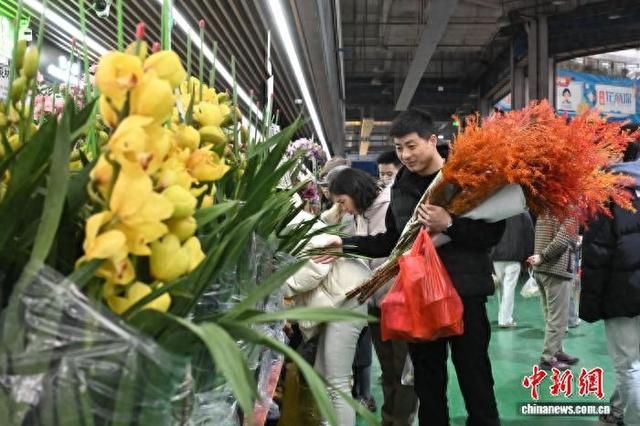
(新春走基层)到昆明斗南赶一场春日花潮
Zhong Guo Xin Wen Wang· 2026-02-18 09:22
Core Viewpoint - The flower market in Kunming, particularly the Dou Nan Flower Trading Market, has transformed from a local agricultural area to Asia's largest flower market, becoming a significant cultural and economic hub during the Chinese New Year [1][2]. Group 1: Market Dynamics - The Dou Nan Flower Trading Market attracts both locals and tourists, with a diverse range of flowers such as Narcissus, Butterfly Orchid, and new trendy varieties like Wintergreen and Pink Calla Lily gaining popularity among younger consumers [1][2]. - The market has seen a notable increase in demand for fresh-cut flower exports, with Malaysia emerging as a new key export market while traditional markets like Kazakhstan, Russia, and Japan maintain stable purchasing levels [2]. Group 2: Cultural Significance - Buying flowers during the New Year is a cherished tradition in Yunnan, symbolizing good fortune and serving as a popular gift during family visits [1]. - The integration of flowers with cultural tourism has made visiting the Dou Nan Flower Trading Market a popular choice for tourists, enhancing their experience of Kunming's lifestyle [2]. Group 3: Competitive Advantage - The continuous improvement of cold chain logistics has enhanced the international competitiveness of Kunming's flower industry, allowing for rapid delivery to consumers and attracting more overseas buyers [2].
云南斗南花市日交易总量达650万枝左右
Zheng Quan Ri Bao· 2026-02-12 15:43
Core Insights - The flower market in Kunming, Yunnan, is experiencing a surge in sales due to the proximity of the Spring Festival and Valentine's Day, with peak trading volumes reaching approximately 6.5 million stems per day from February 6 to 8 [1] - The overall market trend is upward, with various flower types, including roses, wintergreen, lilies, and orchids, gaining popularity among consumers [1][2] - The demand for personalized and youthful flower choices is increasing, particularly among women aged 20 to 40, who are becoming the main consumer group [2] Group 1 - The price of butterfly orchids has risen to between 35 to 120 yuan per stem, while the high-quality large flower orchids are priced around 200 yuan, with the best-selling "Fire Red" series reaching 800 to 1000 yuan and already sold out [2] - The sales of calla lilies have increased by 40% compared to previous years, attributed to the Year of the Horse [2] - The use of smart technology in flower cultivation has significantly improved yield, with rose production per acre increasing by 1.5 to 2 times, and the number of harvests per year rising from five or six to eight or nine [3] Group 2 - The logistics of the flower market focus on timely delivery and freshness, utilizing pre-cooling storage to quickly lower the temperature of freshly picked flowers, thereby extending their vase life [4] - An integrated system for sorting, packaging, and transporting flowers has been implemented to enhance efficiency and reduce errors, ensuring that flowers reach consumers in optimal condition [4] - The Yunnan flower industry is undergoing modernization, with plans to increase the proportion of high-quality flowers to 70% by 2027, aiming for an annual growth of over 15% in quality flower production [3]
(新春走基层)秦岭脚下花正艳 西安年宵花迎销售热潮
Xin Lang Cai Jing· 2026-02-08 11:22
Core Insights - The sales of "Nianxiao" flowers are experiencing a surge as the Chinese New Year approaches, highlighting their role in creating festive atmospheres [1][3] - Xi'an's flower industry is thriving, transitioning from a mere transit point for southern flowers to a robust production and sales hub [7] Industry Development - Xi'an's flower production area has reached 12,800 acres, significantly contributing to local employment and economic stability [7] - The city has established a complete industrial chain from breeding and planting to sales, with large-scale production bases in agricultural districts like Gaoling and Chang'an [7] - The "flower economy" in Xi'an is continuously gaining momentum, reflecting the city's growth in the floral market [7] Consumer Trends - Consumers are increasingly favoring a variety of "Nianxiao" flowers, with popular choices including orchids and kumquat bonsai, which symbolize good fortune [3][5] - The trend of purchasing combination potted plants is rising among younger demographics, indicating a shift towards more personalized and thoughtful gifting [5]

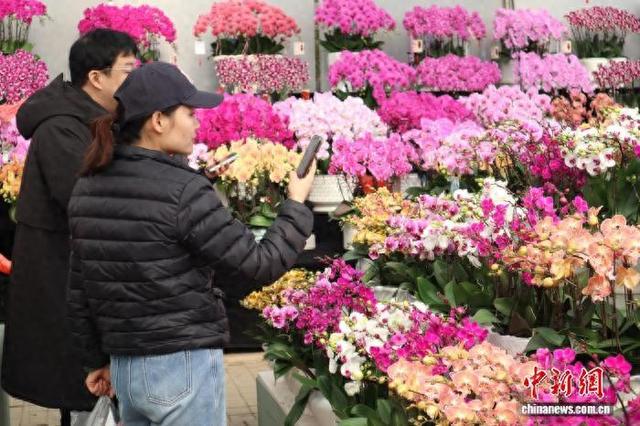
新春走基层|当春节遇见浪漫 昆明年宵花市场热度持续攀升
Xin Lang Cai Jing· 2026-02-04 12:22
Group 1 - The core viewpoint of the article highlights the booming demand in the flower market in Kunming, particularly due to the overlap of the Spring Festival and Valentine's Day, leading to a peak supply period for the flower market [3][10] - The peak supply period is expected to last from February 6 to February 12, with an average daily supply of 5 to 5.5 million stems, and a potential peak daily transaction volume nearing 7 million stems, indicating a return to historical growth levels [3][4] - The average price for fresh-cut flowers during this peak period is projected to be between 2.2 and 2.3 yuan per stem, with single rose prices expected to exceed 20 yuan per stem [4] Group 2 - The market is experiencing significant growth in export demand, particularly from Malaysia as a new key market, while stable procurement continues from Kazakhstan, Russia, Vietnam, and Japan [6] - Popular flower varieties in the market include roses, lilies, and carnations, with pink-themed varieties being particularly favored among consumers [4][8] - Traditional popular flowers such as large-flowered orchids, butterfly orchids, and wintergreen remain mainstream products, with specific price ranges for these flowers indicating a healthy market [8]
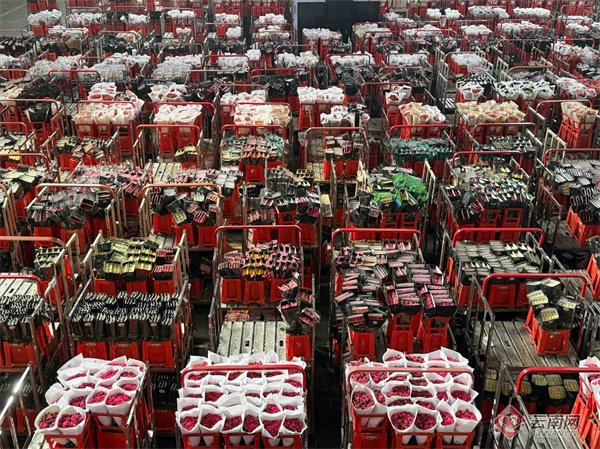
(新春走基层)“亚洲花都”春意浓 年宵花迎销售高峰
Xin Lang Cai Jing· 2026-02-04 12:21
Core Viewpoint - The Kunming International Flower Auction Trading Center is experiencing a peak in flower sales as it approaches the Lunar New Year, with significant trading activity and high demand for various flower types [1][3]. Group 1: Market Activity - The Kunming International Flower Auction Trading Center is bustling with activity, featuring over 900 seats filled in the auction hall and a continuous increase in trading volume [1]. - The peak sales period is expected to last until February 12, with an average daily supply of 5 to 5.5 million stems, and a potential single-day peak nearing 7 million stems [3]. Group 2: Pricing and Demand - The price of single roses is anticipated to exceed 20 yuan per stem during the Spring Festival period [3]. - The main flower varieties for this year's sales include roses, lilies, and carnations, with multi-headed roses in pink being particularly popular [5]. Group 3: Consumer Behavior - Consumers are actively purchasing flowers for family members to celebrate the upcoming Spring Festival, indicating a strong cultural significance attached to flower gifting during this period [5]. - New and niche flower varieties, such as the Hanoi peony and North American wintergreen, are gaining popularity among younger consumers [5]. Group 4: Export Market - There is a notable increase in flower export demand, particularly from Malaysia as a new key market, while Kazakhstan, Russia, Vietnam, and Japan maintain stable purchasing levels [5].
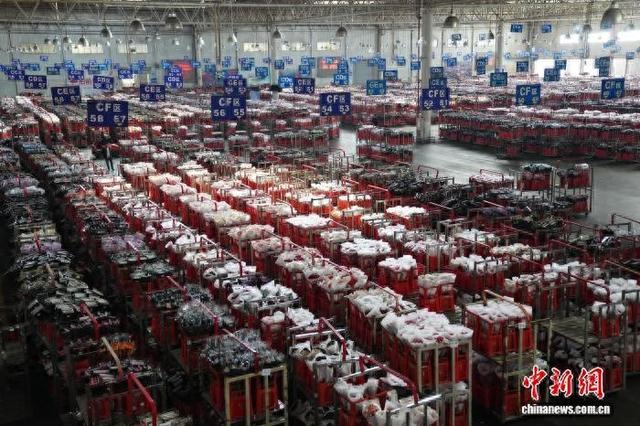
“花式”迎新春,哪款你最爱
Xin Lang Cai Jing· 2026-01-30 00:01
Core Viewpoint - The demand for New Year flowers is surging as the Spring Festival approaches, with popular varieties like Phalaenopsis orchids and wintergreen becoming the "traffic leaders" in the market, reflecting consumers' desire for quality living amidst consumption upgrades [3][4]. Group 1: Popular Flower Varieties - Phalaenopsis orchids and wintergreen are the top-selling varieties, with prices ranging from tens to hundreds of yuan, catering to diverse customer needs [4]. - Wintergreen is favored for its bright red fruits, festive appearance, and ease of care, typically priced between 80 to 120 yuan, making it popular among family consumers [4]. - Phalaenopsis orchids are preferred for their elegance and long viewing period, suitable for both gifting and home decoration [4]. Group 2: Emerging Trends Among Young Consumers - The black calla lily has emerged as a new favorite, especially during the Year of the Horse, due to its auspicious connotations and a flowering period of up to three months [6]. - Young consumers are increasingly drawn to unique and compact flower varieties that combine aesthetics and meaning, such as the black calla lily and the lively five-fruit plant [6]. - There is a shift in preference towards minimalist designs and colors, with young couples opting for elegant plants like fortune bamboo that align with their home decor style [6]. Group 3: Diverse Consumer Demands - Consumers purchasing flowers for home decoration prioritize cost-effectiveness, flowering duration, and ease of maintenance, often choosing varieties like Phalaenopsis orchids and large-flowered orchids [7]. - Young consumers view flower purchases as a means of self-indulgence and creating a pleasant living atmosphere, favoring unique and stylish arrangements [7]. - In the gifting market, consumers focus on the symbolic meaning and overall presentation of the flowers, with flower shops offering decorative services and personalized greeting cards [7].
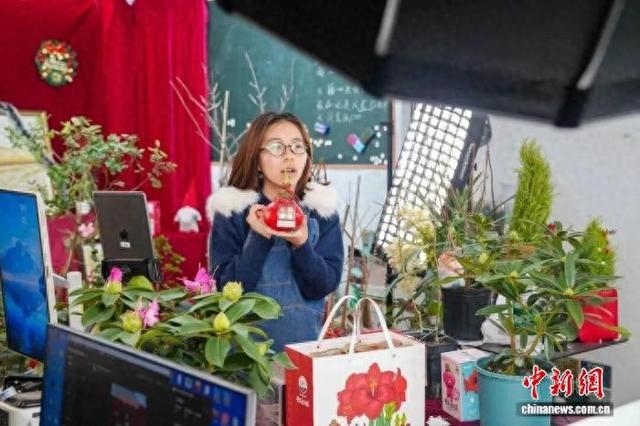
“花式”迎新春 浙江年宵花市场“爆款”频出热力足
Xin Lang Cai Jing· 2026-01-28 12:34
Core Insights - The New Year flower market is experiencing a surge in sales, driven by the participation of younger consumers and the introduction of creative new products [1][7] - The wax-sealed Amaryllis, known for its phonetic meaning "destined to be red," is a standout product in the market, with significant sales figures reported [2][5] Group 1: Product Highlights - The wax-sealed Amaryllis has sold tens of thousands of units since its launch in September 2025, with current stock levels around 10,000 units [2] - Other popular products include the wintergreen, which has gained popularity for its vibrant red color and resilience, with over 500 units sold in the first batch [5] - The butterfly orchid and water-cultivated tulips are also in high demand, with sales figures of over 5,000 and 7,000 units respectively [6] Group 2: Sales Strategies - Flower farmers in Haining are utilizing a multi-platform sales strategy, launching products on major platforms like Taobao, Tmall, and Douyin to enhance visibility [8] - The industry is focusing on private traffic cultivation through WeChat groups and social media to reach target customers effectively [8] - Immersive shopping experiences are being created to allow customers to engage with the flowers, thereby strengthening competitive channels [8] Group 3: Market Overview - Haining is a significant flower production base in the Yangtze River Delta, with nearly 10,000 acres of flower cultivation and annual sales nearing 1 billion RMB [8] - The flower industry contributes over 60 million RMB to farmers' income each year, reflecting its role in rural revitalization and economic growth [8]
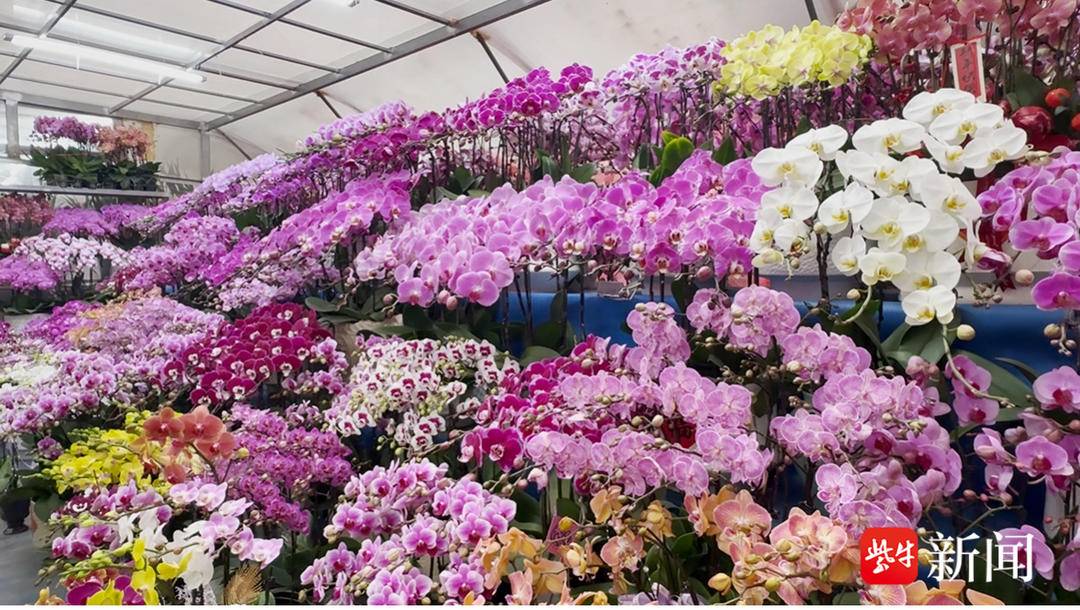
年宵花市场渐热 蝴蝶兰价格略低于往年
Yang Zi Wan Bao Wang· 2026-01-26 15:02
Core Insights - The price of butterfly orchids, a popular choice in the New Year flower market, has decreased compared to previous years, with prices for certain varieties dropping from 330-350 yuan to around 300 yuan for 10 pots [2][4]. Price Trends - The price of butterfly orchids has fallen by approximately 5% to 10% year-on-year due to increased supply, with production rising from 400,000 to 600,000 pots at a specific flower base [4]. - While standard varieties have seen price reductions, premium varieties have experienced price increases of around 50% [4]. Market Dynamics - The transparency of prices has increased as customers compare prices online, leading sellers to offer competitive pricing to attract buyers [4]. - As the New Year approaches, prices are expected to rise, similar to last year when high-quality red butterfly orchids sold for up to 800 yuan [4]. Consumer Preferences - Traditional red butterfly orchids remain the most popular choice among consumers, while younger buyers are increasingly interested in uniquely colored "macaron" varieties [5]. - Other popular flowers in the New Year market include wintergreen, azaleas, and Buddha's hand, which are favored for their aesthetic appeal and festive significance [7].
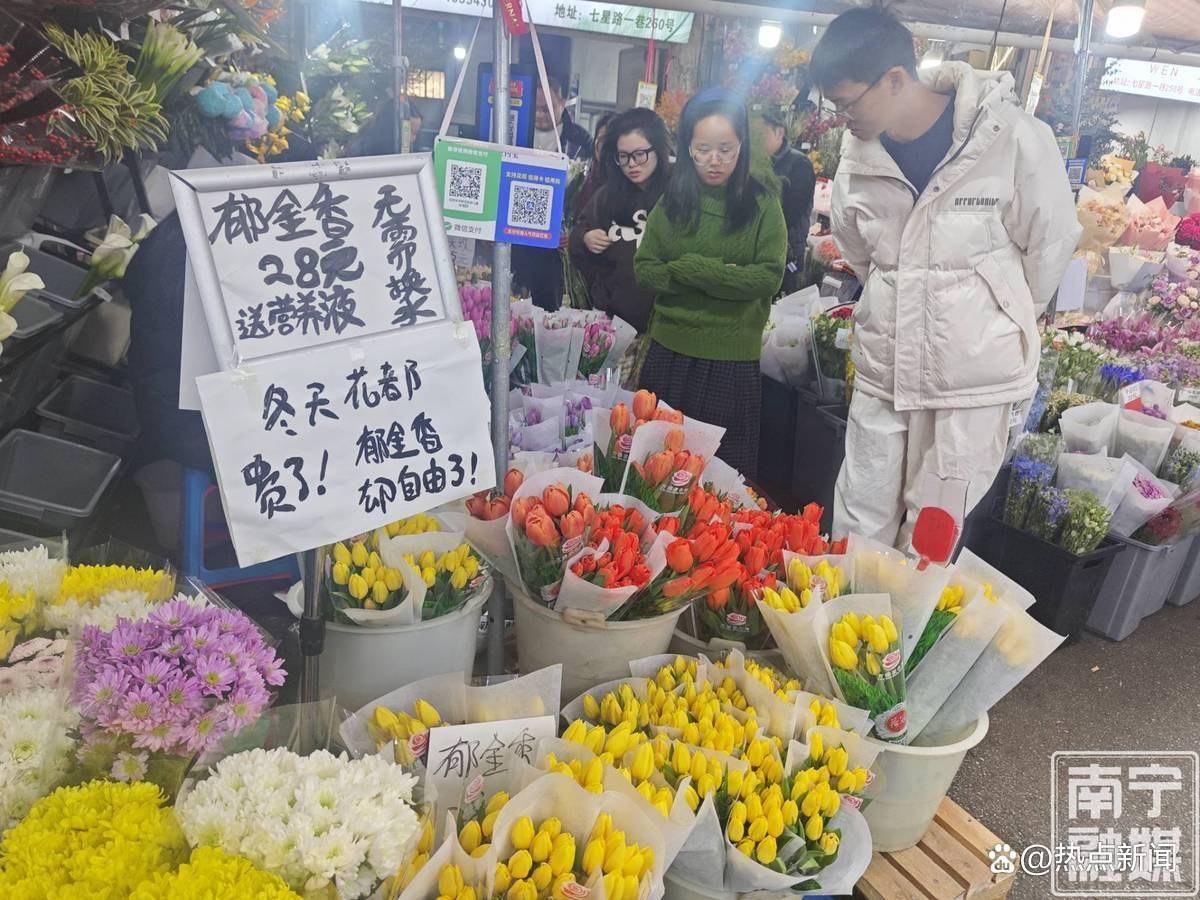
岁末年初鲜花消费旺季来袭 南宁鲜切花价格大幅上涨
Sou Hu Cai Jing· 2026-01-08 22:13
Core Insights - The fresh cut flower market in China is experiencing significant price increases due to reduced production from Yunnan, concentrated wedding orders at year-end, and the approaching Spring Festival [1][11] - Despite the price surge, consumer demand remains strong, with many willing to pay for floral products as part of their lifestyle [9] Group 1: Price Trends - Fresh cut flower prices have risen sharply, with some rose varieties increasing by approximately 50% compared to early December [1] - In contrast, potted flower prices have seen a more moderate increase of about 10% [11] - The Kunming flower market in Yunnan, which holds over 70% of the national market share, is a key indicator for price movements across the country [11] Group 2: Consumer Behavior - Consumers are still enthusiastic about purchasing flowers, viewing them as a source of beauty and a way to enhance their living spaces [9] - The wedding market is a significant driver of demand, with increased needs for floral decorations for wedding cars and banquet arrangements [9] Group 3: Emerging Trends - New flower varieties, such as colored double-petal lilies, are gaining popularity, particularly red varieties that align with festive and wedding themes [8] - The demand for these new varieties is expected to continue rising as the Spring Festival approaches [8]
昆明斗南花卉市场年宵花受青睐
Xin Lang Cai Jing· 2026-01-07 13:07
Core Viewpoint - The flower market in Kunming, particularly the Dou Nan Flower Market, is experiencing a surge in consumer interest for auspicious New Year flowers, characterized by vibrant colors and positive meanings [1][3][4][5]. Group 1: Market Trends - The Dou Nan Flower Market is selling a variety of New Year flowers, including orchids, wintergreen, golden willow, and golden fruit, which are favored by consumers for their bright colors and auspicious meanings [1][3][4][5]. - The market atmosphere is lively, indicating strong consumer engagement and interest in purchasing flowers for the New Year celebrations [5]. Group 2: Consumer Preferences - Consumers are particularly drawn to flowers that symbolize good fortune and positive sentiments, such as sunflowers and other vibrant floral arrangements [4][5].