
异形方向盘

Search documents
回归安全实用本质!新能源门把手强标落地,2027年1月1日起全面实施
Hua Xia Shi Bao· 2026-02-05 07:56
Core Viewpoint - The introduction of the mandatory national standard for automotive door handles aims to address safety concerns associated with hidden door handles in electric vehicles, which have been criticized for their design flaws and safety risks [2][3][4]. Group 1: Regulatory Developments - The National Market Supervision Administration and the National Standardization Administration have approved the "Safety Technical Requirements for Automotive Door Handles," marking the first mandatory national standard for this component globally [2]. - The standard will be fully implemented on January 1, 2027, with existing models required to comply within 19 months after the standard's implementation [2]. Group 2: Safety Concerns - Hidden door handles, initially marketed for their aerodynamic benefits, have shown negligible improvements in wind resistance while adding significant weight to vehicles, negating any potential range benefits [3]. - There have been multiple safety incidents related to hidden door handles, including a 132% increase in complaints about children being injured by these handles, highlighting the urgent need for safety regulations [3][4]. Group 3: Technical Specifications - The new standard mandates that each car door must have both mechanical and electronic handles, ensuring that doors can be opened without tools in emergencies [4][5]. - The design must allow for sufficient hand operation space, defined as no less than 60mm x 20mm x 25mm, to facilitate easy access [4]. Group 4: Market Trends and Consumer Behavior - Consumer awareness regarding safety has increased, leading to a shift in purchasing priorities, with "battery safety" and "real driving range" becoming top considerations, while "innovative technology features" have dropped in importance [7]. - Automakers are responding to consumer feedback by reverting to traditional designs, such as offering round steering wheels and mechanical emergency pulls for hidden door handles [7]. Group 5: Industry Reflection - The automotive industry is urged to focus on genuine innovation that meets unmet needs rather than creating "pseudo-needs" with flashy but impractical features [6][7]. - The rise in technical failures related to smart cockpit and driving assistance systems indicates a growing disconnect between consumer expectations and actual product performance [6].

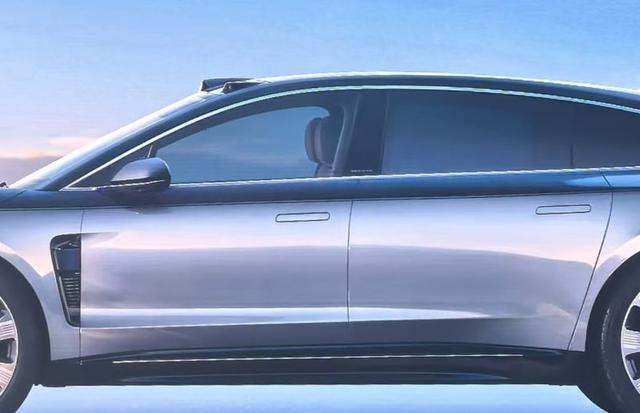
创新要合理
董扬汽车视点· 2026-01-18 10:31
Core Viewpoint - The article emphasizes the importance of safety, economic rationality, and user habits in automotive innovation, highlighting a shift from follower innovation to leading innovation in the Chinese automotive industry [1]. Group 1: Safety Considerations - The adoption of new technologies or devices must prioritize safety [2]. - Four specific technologies are highlighted for their safety implications: - The unconventional steering wheel shape may pose safety risks if not designed properly [3]. - The single-pedal mode in electric vehicles could lead to driver errors, necessitating design adjustments to maintain braking habits [4]. - Excessive reliance on touchscreens over physical buttons can complicate user interaction and should include redundancy in design [4]. - The government should rigorously assess the safety of new technologies during product approvals, similar to the FDA's approach in drug trials [10]. Group 2: Economic Rationality and Maintenance - The trend of producing longer and wider vehicles may not be economically rational, as it complicates driving and parking, especially outside of regions with suitable infrastructure [6]. - The push for excessively long driving ranges in electric vehicles may lead to unnecessary costs for consumers [6]. - Aesthetic features like continuous displays and tail lights may impose additional costs without significant functional benefits, suggesting manufacturers should offer choices based on consumer preferences [7]. - The installation of batteries in electric vehicles should consider maintenance and recycling, as current designs focus primarily on durability [8]. Group 3: User Habits and Continuity - Innovations related to vehicle operation must consider user habits and maintain continuity with traditional methods to avoid confusion [9]. - The requirement for hidden door handles to include mechanical opening mechanisms reflects the need to retain familiar operation methods [9]. - The transition to electronic keys and the removal of start-stop buttons may disrupt user habits, indicating a need for careful consideration of user experience [9]. Group 4: Recommendations for Stakeholders - Government agencies should prioritize safety in the evaluation of new automotive technologies and continue monitoring their application [10]. - Automotive manufacturers should not only promote new features but also emphasize economic viability, maintenance, reliability, and the continuity of driving habits in their marketing [10]. - The automotive industry in China is entering a new phase of innovation leadership, necessitating a balance between encouraging innovation and ensuring user safety and sustainable development [10].

产品创新,应以“真需求”为起点(民生观)
Ren Min Ri Bao· 2025-11-13 22:10
Core Viewpoint - The article emphasizes that good supply should align with consumer demand through innovation, and it should also create new consumer demand. Companies are encouraged to focus on genuine consumer needs in their product innovations [2]. Group 1: Innovation and Consumer Needs - The automotive industry has seen a rise in various hidden door handle designs, such as push-button, touch, and sensor types, which, while aesthetically pleasing, pose safety risks and operational challenges for consumers [1]. - The article critiques the trend of prioritizing innovative features over practical usability, highlighting that safety and convenience should be the primary standards for automotive design [1]. - The Ministry of Industry and Information Technology has proposed mandatory national standards for automotive door handles, requiring mechanical release functions for all doors except the tailgate, aiming to enhance safety in the electric vehicle sector [1]. Group 2: Market Dynamics and R&D - The 20th Central Committee of the Communist Party of China advocates for leading new supply with new demand and creating new demand through new supply, urging businesses to focus on understanding consumer demand trends [2]. - Companies are encouraged to enhance their R&D capabilities to provide offerings that meet consumer needs, thereby achieving a win-win situation for consumer experience and long-term business development [2].