
隐藏式车门把手

Search documents
明年起,隐藏式车门把手将退出市场!
中汽协会数据· 2026-02-09 07:03
Core Viewpoint - The introduction of a mandatory national standard for automotive door handles in China aims to address safety concerns associated with hidden door handles, which have become a common design feature in modern vehicles. The new standard will take effect on January 1, 2027, and requires mechanical operation capabilities for door handles to ensure safety in emergencies [1][6]. Group 1: Safety Concerns - Hidden door handles pose significant safety risks, particularly in severe accidents where electrical systems may fail, preventing doors from being opened [5][6]. - Data indicates that approximately 60% of the top 100 new energy vehicles in China by sales volume in April 2025 are equipped with hidden door handles, highlighting the prevalence of this design [1]. Group 2: New National Standard Requirements - The new national standard, titled "Automotive Door Handle Safety Technical Requirements," specifies three critical requirements: 1. The external door handle must have a minimum hand operation space of 60×25×20 mm to facilitate manual operation [6]. 2. A mechanical emergency unlocking device must be retained to allow door access even when the vehicle's electrical system is down [8]. 3. The door handle must remain functional under extreme conditions such as collisions, fires, and freezing temperatures [8]. Group 3: Implementation Timeline - The implementation of the new standard will begin on January 1, 2027, for new vehicles, with all models produced by January 1, 2029, required to comply with the new safety standards [9].

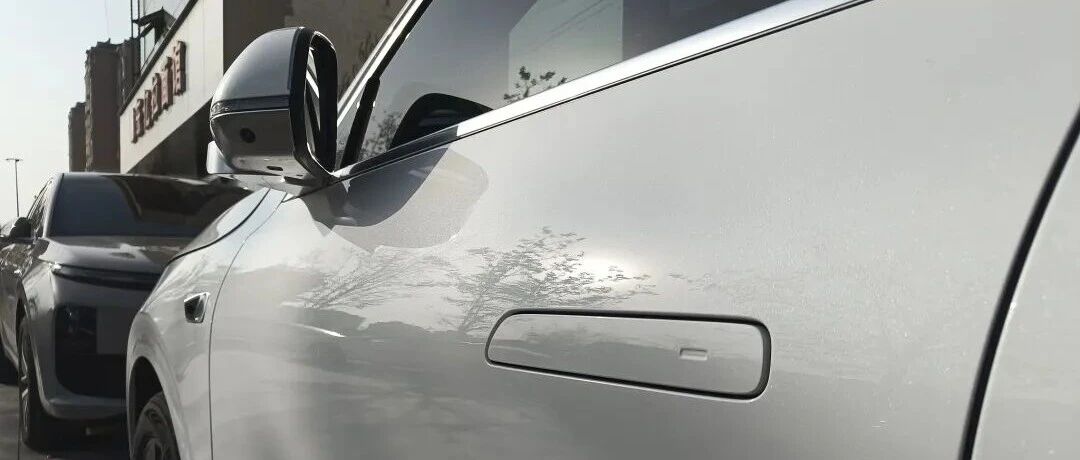
明年起,隐藏式车门把手将退出市场
Xin Lang Cai Jing· 2026-02-08 16:27
Core Viewpoint - The introduction of a mandatory national standard for automotive door handles in China aims to address safety concerns associated with hidden door handles, which have become a common design feature in modern vehicles [1][2][4] Group 1: New National Standard - The Ministry of Industry and Information Technology has released the mandatory national standard "Safety Technical Requirements for Automotive Door Handles" (GB 48001-2026), effective from January 1, 2027 [1][2] - The new standard requires each car door to have a mechanical opening mechanism and specifies that the external door handle must provide a minimum operational space of 60×25×20 mm [2][4] Group 2: Safety Concerns - Approximately 60% of the top 100 new energy vehicle models in the Chinese market by April 2025 are expected to feature hidden door handles, which pose risks during severe accidents when power is lost [1][2] - Incidents have been reported where hidden door handles failed to operate during emergencies, such as severe collisions or freezing conditions, hindering rescue efforts [2][4] Group 3: Implementation Timeline - The new standard will be implemented for new vehicles starting January 1, 2027, with all produced models required to comply by January 1, 2029 [4]

明年1月1日起,隐藏式车门把手将退出市场!
券商中国· 2026-02-06 23:28
Group 1 - The core viewpoint of the article is the introduction of a mandatory national standard for automotive door handles in China, which aims to enhance passenger safety by requiring mechanical release door handles in vehicles sold in the country starting January 1, 2027 [1][2]. Group 2 - The new standard is primarily motivated by safety concerns, particularly in response to incidents where hidden door handles failed, leading to difficulties in escaping during emergencies [2]. - Statistics indicate that approximately 60% of the top 100 new energy vehicle models in China by sales in April 2025 are equipped with hidden door handles, highlighting the prevalence of this design in the market [2]. - The regulation mandates that each car door, excluding the tailgate, must be equipped with both mechanical exterior and interior door handles to mitigate risks associated with power failures during accidents [2].

明年1月1日起,隐藏式车门把手将退出市场!
Ren Min Ri Bao· 2026-02-06 12:15
Core Viewpoint - The implementation of the mandatory national standard for automotive door handles in China emphasizes safety, requiring all cars sold in the country to be equipped with mechanical release door handles starting January 1, 2027 [1][2]. Group 1: Safety Considerations - The primary motivation behind the new standard is to enhance life safety, addressing incidents where hidden door handles failed, leading to escape failures during accidents [2]. - The standard mandates that each car door (excluding the tailgate) must have both mechanical exterior and interior door handles to mitigate safety risks associated with power failures [2]. Group 2: Global Context and Influence - China is taking a leading role in establishing automotive safety standards, with the new regulation reflecting a shift in global automotive safety norms [2]. - The country is the largest electric vehicle market globally, with projections indicating that by 2025, production and sales of new energy vehicles will exceed 16 million units, maintaining its position as the world's leader for 11 consecutive years [2]. - The new safety standard may influence international automotive regulations as Chinese electric vehicle exports grow, potentially affecting industry norms worldwide [2]. Group 3: Human-Centric Approach - The implementation of the new safety standard reinforces the principle of "people-oriented" values in the automotive industry, promoting a balance between innovation and safety [3].
蓝媒热评丨安全不能“藏”起来
Xin Lang Cai Jing· 2026-02-06 11:20
Core Viewpoint - The newly released mandatory national standard "Safety Technical Requirements for Automobile Door Handles" (GB 48001—2026) will take effect on January 1, 2027, leading to the discontinuation of hidden door handles in new vehicles due to safety concerns [2][5]. Group 1: Standard Implementation - The implementation of the mandatory national standard considers the time needed for automotive companies to make technical modifications, cost investments, and transition between old and new products [2][5]. - The hidden door handle design was initially intended to reduce wind resistance and enhance aesthetics, but the actual impact on wind resistance is minimal and not significant for civilian vehicles [6]. Group 2: Safety Concerns - Hidden door handles pose several safety issues, including difficulties in opening the door from outside during accidents, inability to escape in case of power failure, and potential freezing in extremely cold weather [3][6]. - The introduction of the mandatory standard addresses these safety concerns, highlighting the importance of prioritizing safety over aesthetic innovations in automotive design [7]. Group 3: Industry Implications - The standard serves as a reminder to automotive companies and other industries that safety is the primary requirement and should not be compromised for the sake of innovation or trends [7]. - Companies are encouraged to thoroughly evaluate their products and services before launch to ensure they meet consumer and market expectations [7].
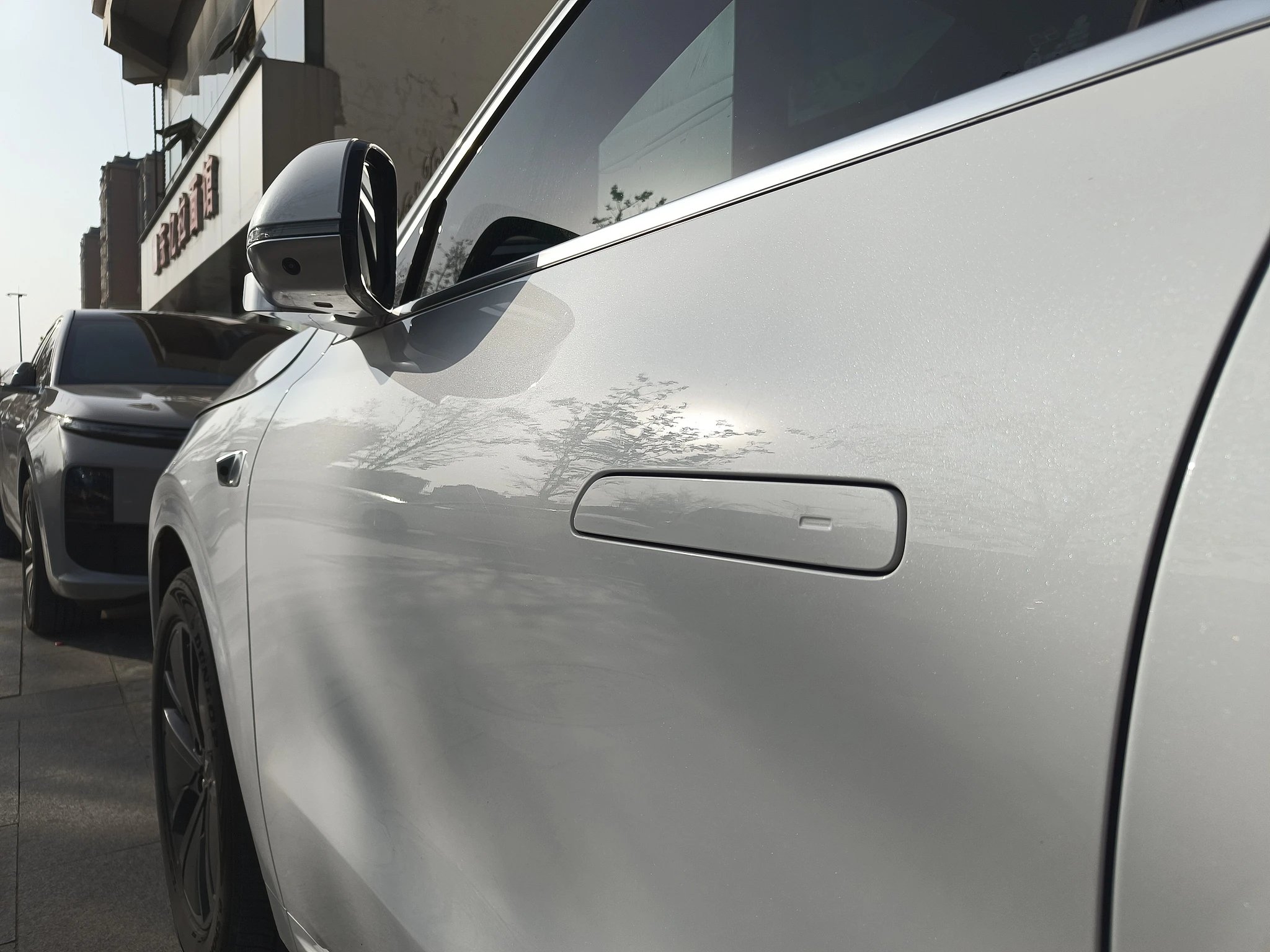
明年起,隐藏式车门把手将退出市场!
新华网财经· 2026-02-06 08:06
Core Viewpoint - The article discusses the introduction of a mandatory national standard for automotive door handles in China, aimed at addressing safety concerns associated with hidden door handles, which are increasingly common in modern vehicles [2][9]. Group 1: Safety Concerns - Approximately 60% of the top 100 new energy vehicle models in China by April 2025 are expected to feature hidden door handles, which pose significant safety risks during emergencies, such as severe collisions that lead to power failure [3][9]. - Incidents have been reported where hidden door handles failed to operate during emergencies, such as a vehicle losing control and catching fire, preventing passengers from escaping [3][7]. - Experts highlight that hidden door handles rely on electrical systems, making them inoperable if the vehicle's battery is dead, which can hinder rescue efforts [7][13]. Group 2: New National Standard - The Ministry of Industry and Information Technology has established a new mandatory standard, "Automotive Door Handle Safety Technical Requirements," which will take effect on January 1, 2027 [9][11]. - The new standard includes three key requirements: 1. A minimum hand operation space of 60×25×20 mm for external door handles to ensure ease of use [9][11]. 2. A mechanical emergency unlocking mechanism must be retained to allow door operation even when the vehicle is completely powered down [13]. 3. Door handles must remain functional under extreme conditions, such as collisions, fires, or freezing temperatures [13]. - The implementation of this standard will require automotive manufacturers to prepare for technical modifications and cost implications, with all new models needing to comply by January 1, 2029 [11].

告别隐藏式门把手是对“伪创新”的一次及时规制
Xin Lang Cai Jing· 2026-02-06 00:22
Core Viewpoint - The new mandatory national standard for automotive door handles emphasizes safety over design, particularly addressing the risks associated with hidden door handles, which have seen a rise in consumer complaints and safety incidents [1][2]. Group 1: New Regulations - The new standard, effective from January 1, 2027, mandates mechanical release configurations and operational space for door handles, ensuring they can be opened after collisions and in power failure situations [1][2]. - Specifically, hidden door handles must provide a minimum operational space of 60mm×25mm×20mm, which challenges the current designs that are flush or require electric activation [1][2]. Group 2: Consumer Safety Concerns - There has been a significant increase in complaints regarding hidden door handles, with a 132% year-on-year rise in reports of children getting their fingers caught [2]. - Incidents where door handles fail to operate during emergencies, such as collisions or power outages, have raised serious concerns about passenger safety and escape [2]. Group 3: Industry Reflection and Innovation - The new regulations serve as a corrective measure against the trend of superficial innovation in the automotive industry, particularly in the context of hidden door handles being perceived as a symbol of technological advancement [2][3]. - The automotive industry is urged to prioritize functional safety alongside visual innovation, indicating a shift in competitive focus from mere aesthetics to reliable user experience and safety [3]. Group 4: Future Industry Development - The transition away from hidden door handles marks a new beginning for the industry, highlighting the need for ongoing self-regulation and improved oversight to foster healthy development [4]. - The challenge lies in delivering genuine innovations that meet consumer safety needs, as the industry moves towards more stringent regulations and standards [4].
中国禁止隐藏式车门把手 成全球首例
Xin Lang Cai Jing· 2026-02-04 04:01
Core Viewpoint - The Ministry of Industry and Information Technology (MIIT) of China has announced new safety regulations for car door handles, mandating that all car doors, except for the tailgate, must have mechanical exterior and interior handles that can be manually opened even when locked, marking a ban on hidden door handles used in electric vehicles [1] Group 1: Regulatory Changes - The new regulations will take effect on January 1, 2027, and vehicles approved by regulatory authorities for the Chinese market must modify their designs to comply by January 2029 [1] - This makes China the first country to gradually phase out the design of hidden door handles [1] Group 2: Industry Impact - Hidden door handles, first introduced by Tesla, have been adopted by several Chinese electric vehicle brands and are a significant design feature distinguishing new energy vehicles from traditional fuel vehicles [1] - Approximately 60% of the top 100 selling new energy models in China were reported to have hidden door handles as of April last year [1] Group 3: Safety Concerns - The design has raised safety concerns in both the U.S. and China, particularly regarding the potential risks in escape and rescue situations during accidents or fires [1] - Tesla's hidden door handles are currently under safety investigation by U.S. authorities, and European regulators are also considering similar regulations [1]

全球首例!“主导国际标准的将不再是欧美,而是中国”
Guan Cha Zhe Wang· 2026-02-04 01:40
Core Viewpoint - China has introduced mandatory national standards for automotive door handles, particularly for electric vehicles, making it the first country to regulate hidden door handle designs due to safety concerns following a series of fatal incidents [1][2]. Group 1: Regulatory Changes - The new safety standard requires all vehicles sold in China to have mechanical door handles, effectively banning hidden door handles used in electric vehicles [1][2]. - The regulation will take effect on January 1, 2027, with a grace period until January 2029 for models that have already received type approval [1][2]. - The regulation is a response to incidents where individuals were trapped in vehicles due to power failures, highlighting safety issues associated with integrated door handle designs [1][2]. Group 2: Global Impact - China's influence in the global automotive industry suggests that this standard may prompt similar regulations in other countries, as Tesla's door design is already under scrutiny in the U.S. and Europe [3][4]. - The establishment of these regulations positions China as a key player in setting global automotive safety standards, potentially shifting the focus from Western countries to China [3][4]. Group 3: Industry Response - Companies like BYD and Tesla have indicated readiness to adapt their designs to comply with the new regulations, with Tesla planning to make manual release mechanisms more intuitive [5]. - The implementation of these regulations may lead to significant redesign costs for manufacturers, with estimates suggesting that modifications for each model could exceed 100 million RMB [4].

中国禁止隐藏式车门把手 为全球首项相关安全政策
Xin Lang Cai Jing· 2026-02-03 05:24
Core Viewpoint - China has become the first country to ban the use of hidden door handles in electric vehicles, a design popularized by Tesla, due to a series of fatal incidents prompting global regulatory scrutiny [1] Regulatory Changes - The new safety standard issued by China's Ministry of Industry and Information Technology mandates that all cars sold in China must be equipped with mechanical door handles, effective from January 1, 2027 [1] - Vehicles that have already received type approval must modify their designs to comply with the new requirements by January 2029 [1] Safety Incidents - Several high-profile incidents in China, including two fire accidents involving Xiaomi electric vehicles, have raised significant concerns. In these cases, the doors reportedly could not be opened due to power loss, leading to fatalities as occupants were unable to escape [1] Global Impact - Although the regulation only affects electric vehicles sold in China, the country's influence in the global automotive industry suggests that the impact may extend beyond its borders [1] - In the U.S., Tesla's door designs are already under safety investigation, and European regulators are also considering their own regulations in response to these developments [1] Industry Perspective - Bill Russo, founder of the consulting firm Automobility, notes that China is transitioning from the largest electric vehicle market to a key regulator of new automotive technology standards. This move allows China to leverage its vast domestic market to enforce safety standards that may eventually influence global norms as Chinese electric vehicle exports increase [1]