智能数码产品

Search documents
湖北春节消费市场热度攀升 7天交易额305.5亿同比增11.5%
Chang Jiang Shang Bao· 2026-02-24 13:24
Core Insights - The consumption market in Hubei province experienced a significant boost during the Spring Festival, with retail and catering industries achieving a total transaction volume of 30.55 billion yuan, marking an 11.57% increase compared to the same period in 2025 [1][3] Group 1: Consumption Trends - The theme "Enjoy in Hubei, Shop for the New Year" was promoted, leading to a rise in quality, integrated, and experiential consumption trends, with hot sales in bulk commodities and local cuisine [1][5] - The government provided nearly 600 million yuan in consumption subsidies starting January 24, which stimulated a total consumption of 3.155 billion yuan across various sectors [2] Group 2: Retail Performance - Major retail categories such as automotive, home appliances, and electronic products saw transaction volume increases of 23.68%, 36.55%, and 28.52% respectively during the holiday period [2] - Offline shopping areas experienced a surge in foot traffic, with significant increases reported in stores like JD MALL in Wuchang [2] Group 3: Experiential Consumption - The integration of commerce, culture, and sports created diverse new consumption scenarios, shifting consumer focus from mere purchasing to experiential enjoyment [4] - Key monitored pedestrian streets in Hubei saw revenue and foot traffic growth of 22.24% and 23.25% respectively during the holiday [4] Group 4: Culinary Innovations - The local cuisine gained popularity through initiatives like the "My Ideal Hubei New Year Dinner" contest, which involved over a thousand restaurants offering unique dishes [5] - Innovative dining experiences, such as themed banquets and cultural performances, attracted large crowds and enhanced the festive atmosphere [5]
春节假期 西宁消费市场实现开门红
Xin Lang Cai Jing· 2026-02-23 17:36
Core Insights - The business system in Xining has effectively promoted consumption during the Spring Festival, resulting in stable growth in the commercial economy and sufficient supply of goods, with key enterprises achieving a total sales revenue of 143.1 million yuan, a year-on-year increase of 5.1% [1] Group 1: Consumption Promotion Activities - The Xining business system focused on key sectors such as commerce, catering, cultural tourism, automotive, and home appliances, launching a series of themed consumption promotion activities to maximize holiday consumption potential [2] - A total of over 9 million yuan was invested in consumption promotion, with activities like the "2026 Old Brand Carnival" and the issuance of 12,000 special consumption vouchers, driving consumption by 13.38 million yuan [2] - The "old for new" appliance exchange program saw 36,000 participants, with 18.2 million yuan in subsidies issued, stimulating consumption of 138 million yuan [2] Group 2: Consumer Traffic and Sales Performance - Key commercial areas in Xining experienced concentrated foot traffic, with major shopping centers creating New Year-themed promotional activities [3] - Daily foot traffic and sales figures were reported for various shopping centers, including 65,000 visitors and 4.1 million yuan in sales at Haihu Wanda Plaza, and 34,000 visitors and 2.9 million yuan in sales at North Wuyue Plaza [3] - The catering sector showed a steady recovery, with monitored restaurants achieving a total revenue of 5.42 million yuan, reflecting a year-on-year growth of 9.26% [3] Group 3: Invoice Lottery Program - The trial of the invoice lottery program was successful, with 3,338 participating businesses and 11,532 individuals entering the lottery [3] - A total of 18,484 valid invoices were submitted, amounting to 9.56 million yuan, with a tax amount of 922,000 yuan [3]
2026北京青年消费图鉴:该省省该花花,“心价比”取代“性价比”
Bei Jing Qing Nian Bao· 2026-01-21 12:56
Core Insights - The article discusses the emerging consumption trends among Beijing's youth in 2026, highlighting their significant role in driving economic growth and the transformation of the capital's consumer market [2][3]. Group 1: Six New Trends in Youth Consumption - The youth consumption landscape in Beijing is evolving from simple transactions to a complex model centered around "technology empowerment, value orientation, emotional core, and local confidence" [2][3]. - The contribution of youth consumption to economic growth is increasing, with final consumption expenditure accounting for over 52% of economic growth by 2025 [2]. - The report identifies six leading trends that reflect the highly differentiated and deeply integrated consumption behaviors of Beijing's youth [2]. Group 2: Trend One - AI Integration - AI is becoming a core driver of consumption growth, with predictions indicating that the consumer-grade AI hardware market in China will exceed 1 trillion yuan by 2026, maintaining a compound annual growth rate of over 30% [3]. - Over 85% of surveyed youth regularly use AI assistants for shopping, indicating a shift in how consumption decisions are made [3][4]. Group 3: Trend Two - "Heart-Price Ratio" Consumption - Youth consumers are increasingly willing to pay for emotional satisfaction, leading to a new consumption philosophy termed "heart-price ratio," which balances functional value and emotional fulfillment [5][6]. - This trend reflects a broader shift in consumer behavior from survival-oriented to development and experience-oriented spending [5][6]. Group 4: Trend Three - Rise of Local Brands - Local brands in Beijing are gaining popularity, driven by cultural confidence and innovative business models, moving beyond being mere alternatives to international brands [7][8]. - The integration of local cultural elements into products is resonating with youth consumers, who prefer brands that reflect their identity and values [7][8]. Group 5: Trend Four - Proactive Health Consumption - Health has become a foundational aspect of consumption for Beijing's youth, influencing their choices across various sectors, including food, fitness, and wellness [9][10]. - The demand for health-related products and services is rapidly increasing, with significant growth in categories like organic food and health appliances [9][10]. Group 6: Trend Five - Experiential Consumption - Youth consumers are seeking deeper engagement and emotional resonance in their consumption experiences, leading to the blending of commerce, culture, tourism, and sports [11][12]. - The concept of "ticket economy" is emerging, transforming single purchases into ongoing experiences that enhance consumer engagement [11][12]. Group 7: Trend Six - "Insiderism" in Consumption - Youth consumers are becoming more knowledgeable and discerning, with a focus on professional insights and peer recommendations influencing their purchasing decisions [13][14]. - Brands are responding by refining their offerings to meet the demands of informed consumers, emphasizing core competencies and eliminating unnecessary features [15].
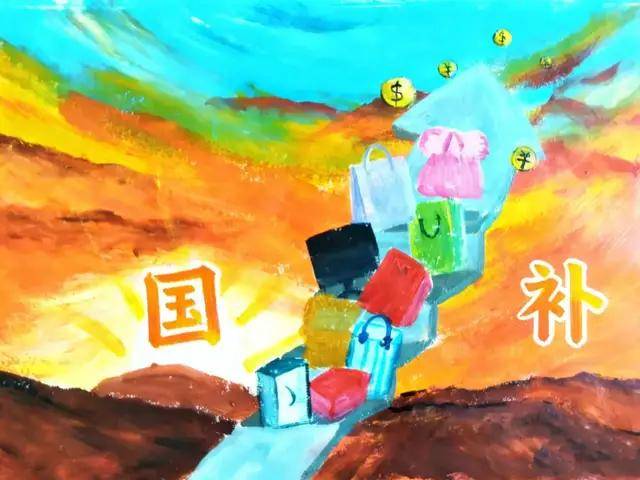
告别“撒胡椒面”!2026 国补新变化:精准补贴 +全域同享
Sou Hu Cai Jing· 2026-01-04 12:08
Group 1 - The core change in the 2026 national subsidy policy is the shift from a broad distribution approach to a more targeted and precise "drip irrigation" method, focusing on high-efficiency products like "一级能效" appliances, promoting greener and smarter industry practices [3] - The activation of offline stores has been enhanced, allowing consumers in both urban and rural areas to access subsidies more easily, with simplified application processes and combined offers during shopping festivals, creating a truly integrated consumption experience [3][4] - The subsidy funding mechanism has been improved, with the government issuing 625 billion long-term special bonds in advance, allowing local governments to provide subsidies directly to enterprises, while preventing price manipulation by prohibiting pre-subsidy price hikes [5]