暖宝宝

Search documents
“以为那是芝麻糊…”七旬奶奶用“保暖神器”泡水,直接送进急诊!
Xin Lang Cai Jing· 2026-02-08 12:21
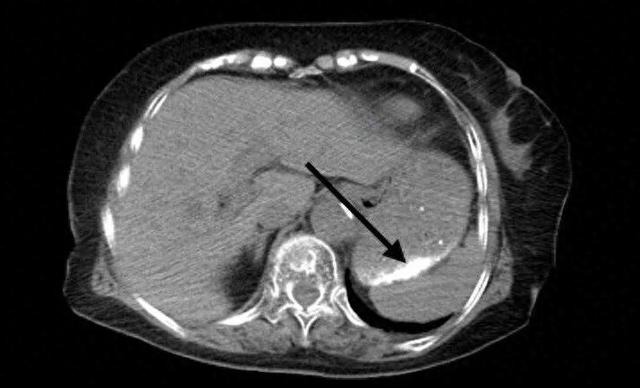
Core Viewpoint - A recent incident in Hangzhou highlights the dangers of misidentifying household items, as a 73-year-old woman mistakenly ingested the powder from a heating pad, leading to serious health risks [1][2]. Group 1: Incident Overview - The elderly woman mistook the black powder from a heating pad for sesame paste and consumed it, resulting in dizziness and discomfort [1]. - Emergency medical response included immediate gastric protection and supportive treatment to stabilize her condition [1]. - A CT scan revealed multiple dense shadows in her stomach and small intestine, indicating the spread of the ingested powder [2]. Group 2: Medical Response - A multidisciplinary team was activated for urgent intervention, leading to a successful endoscopic procedure to remove the foreign substance from her stomach [5]. - The patient's condition improved significantly, and she was discharged after a few days of observation [5]. Group 3: Risks of Ingesting Heating Pad Contents - The heating pad's heating core contains materials like reduced iron powder, activated carbon, vermiculite, and sodium chloride, which pose three main risks if ingested: 1. Chemical damage due to iron powder oxidizing in stomach acid, potentially causing mucosal burns and perforation [5]. 2. Physical risks from powder adhering to the digestive tract, which could lead to obstruction [5]. 3. Aspiration risks during vomiting or swallowing, which could result in pneumonia or airway obstruction, particularly dangerous for the elderly [5]. Group 4: Safety Recommendations - In case of accidental ingestion, it is crucial to remain calm and seek medical attention immediately, bringing any remnants of the ingested item for identification [6]. - Avoid inducing vomiting, especially with corrosive substances, as it may cause further harm [7]. - Follow professional medical advice regarding the removal of the ingested substance, which may involve endoscopy or other treatments [8]. Group 5: Caregiver Safety Tips - Caregivers should implement safety measures such as securing medications and hazardous materials out of reach of elderly individuals [11]. - Simplifying the home environment by reducing clutter can help prevent confusion and accidental ingestion [12]. - Ensuring constant supervision of elderly individuals, especially in high-risk areas like kitchens and bathrooms, is essential [13]. - Educating elderly individuals about the dangers of certain items and providing safer alternatives for heating can enhance safety [14].

没有感觉到烫 却被烫伤了 这是为啥?一图了解→
Yang Shi Wang· 2026-02-03 06:46
Group 1 - The article highlights the risk of burns from prolonged exposure to heat sources, particularly in winter [3][4][5] - It mentions that a 49°C heat source can cause deep tissue necrosis if in contact with the skin for 6 hours [3] - The article warns against using heating pads or hot water bottles for extended periods, especially while sleeping, due to decreased pain sensitivity during deep sleep [6] Group 2 - It discusses the dangers of consuming food and beverages at temperatures above 65°C, which can lead to esophageal burns and increase cancer risk [10][11] - The article cites a recent case in Zhengzhou, where 11 esophageal cancer patients were diagnosed, linking it to the consumption of hot drinks [11] - It provides a method to check if food is at a safe temperature by holding the container and assessing comfort over 5 seconds [14] Group 3 - The article advises against using steam eye masks overnight, recommending a maximum usage of 15 minutes to prevent eyelid burns [16] - It lists conditions under which steam eye masks should not be used, such as wearing contact lenses or having recent eye treatments [19] - It emphasizes the importance of maintaining a safe water temperature while bathing, as high temperatures can exacerbate skin dryness and lead to health issues [21][22] Group 4 - The article warns about the risks of using high-temperature hair dryers, suggesting that the temperature should not exceed 50°C to prevent hair damage [24] - It mentions the potential fire hazards associated with using hair dryers on clothing, highlighting the need for caution [29]

看不见的“温柔刀” 冬季低温烫伤高发需警惕
Xin Lang Cai Jing· 2026-01-30 09:20
Group 1 - The article discusses the risks associated with using warming tools such as hot water bags, heating pads, and electric blankets, which can lead to low-temperature burns if not used properly [1][2] - Low-temperature burns, also known as cold burns, occur when the skin is in contact with heat sources at temperatures between 44°C and 50°C for extended periods, causing progressive damage to skin layers [1][4] - The pain sensation from low-temperature burns is less pronounced compared to high-temperature burns, making them easier to overlook, which can lead to severe skin damage by the time symptoms appear [4][5] Group 2 - The severity of low-temperature burns can range from first-degree (redness and mild swelling) to third-degree burns (skin necrosis), with varying symptoms based on the depth of the burn [3][4] - Research indicates that the degree of damage is positively correlated with the duration of contact at temperatures between 44°C and 51°C, with specific time thresholds for skin damage [4] - Preventive measures include avoiding direct skin contact with warming tools, limiting usage to no more than two hours on the same area, and removing heat sources before sleep [5][7]
这个冬日,有“娘家人”温暖相伴
Xin Lang Cai Jing· 2026-01-22 17:07
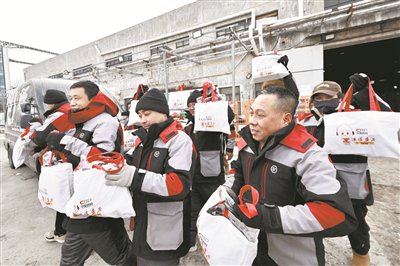
Group 1 - The article highlights the efforts of various labor unions in Beijing to provide warmth and support to outdoor workers during the cold winter season [6][7][8] - Union activities include distributing warm supplies such as gloves, thermal pads, and hot drinks to workers like sanitation workers, construction workers, and delivery personnel [6][7][8] - The initiatives aim to enhance the morale and working conditions of outdoor laborers, ensuring they feel cared for and supported during harsh weather [6][7][8] Group 2 - Specific examples include the distribution of thermal supplies by the Beijing Public Transport Maintenance Company and the timely delivery of "warm packages" to delivery workers by the Daxing District labor union [6][7] - The article emphasizes the emotional impact of these gestures, with workers expressing gratitude and increased motivation due to the support from their unions [7][8] - The overall message conveys a sense of community and solidarity among workers and their unions, fostering a supportive environment during challenging times [6][7][8]
警惕“温暖陷阱”防范低温烫伤
Xin Lang Cai Jing· 2026-01-13 07:26
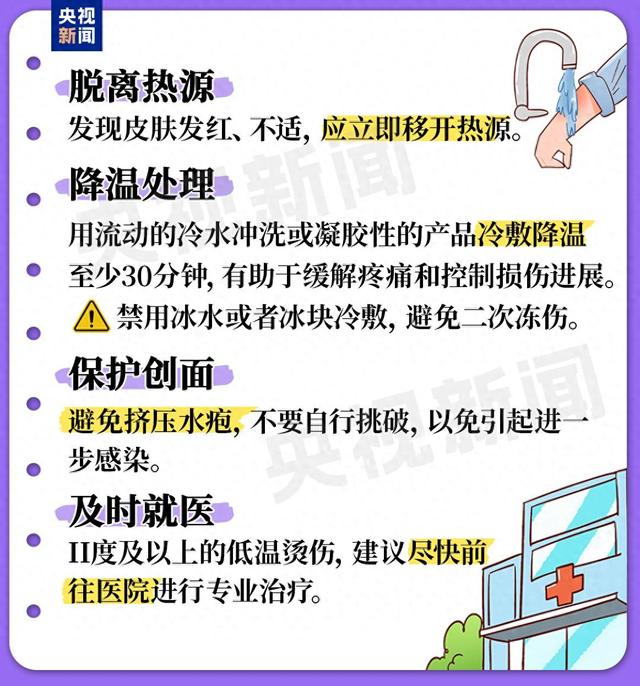
Core Viewpoint - The increasing use of heating devices such as electric blankets, warmers, hot water bags, and small heaters during winter poses a risk of low-temperature burns, particularly among vulnerable populations like the elderly, children, and diabetic patients [1] Group 1: Definition and Characteristics of Low-Temperature Burns - Low-temperature burns occur when skin is in prolonged contact with heat sources ranging from 41°C to 60°C, leading to deeper tissue damage despite milder pain compared to high-temperature burns [2] - These burns can be misdiagnosed as ordinary redness, delaying treatment and potentially resulting in scarring or chronic ulcers [2] Group 2: Vulnerable Populations - Elderly individuals may not sense temperature changes due to skin aging and reduced sensitivity, making them more susceptible to burns [3] - Diabetic patients often experience peripheral neuropathy, which diminishes their ability to perceive heat, increasing their risk of injury [3] - Infants and young children, due to their delicate skin and inability to communicate discomfort, are also at high risk [3] - Individuals with neurological impairments, those under anesthesia, intoxicated, or sedated may not recognize the danger of prolonged exposure to heat sources [3] Group 3: Safe Heating Practices - Common practices that can lead to low-temperature burns include prolonged exposure to heating devices on the same body part, high temperatures from electric blankets, and inadequate use of hot water bags [4] - Recommendations for safe use include keeping hot water bag temperatures below 50°C, using towels as barriers, and ensuring electric blankets are turned off after preheating [4] - Maintaining a safe distance from heaters and avoiding prolonged exposure to the same area are crucial [4] - Regular skin checks for vulnerable individuals using heating devices are advised to catch early signs of burns [4] Group 4: Purchasing Guidelines for Heating Devices - When purchasing heating devices, it is essential to choose products with 3C certification, temperature control protection, and automatic shut-off features, while avoiding outdated or damaged items [5] Group 5: First Aid for Low-Temperature Burns - Immediate actions for suspected low-temperature burns include removing the heat source and cooling the affected area with running water for 15-30 minutes [6] - It is important to avoid home remedies and seek professional medical help, especially if blisters or significant skin changes occur [6] - Emphasizing safety during winter heating is crucial to prevent minor injuries from escalating into serious health issues [6]
一觉醒来“又红又疼”!福州有医院近期接诊十几例!超半数是年轻人
Xin Lang Cai Jing· 2026-01-09 10:26
Core Viewpoint - The article highlights the rising cases of low-temperature burns in Fuzhou due to improper use of heating devices during the recent cold snap, particularly among young people who often underestimate the risks associated with such injuries [2][4]. Group 1: Incident Reports - A student named Xiao Li suffered a third-degree burn on his left calf after using a hot water bottle for warmth while sleeping, leading to severe infection and requiring professional treatment [1][3]. - The hospital's wound repair clinic has seen over ten cases of low-temperature burns in just one week, with a significant number of patients being young adults, contrary to the previous belief that such injuries primarily affected the elderly [4]. Group 2: Medical Insights - The attending physician explained that low-temperature burns can be insidious, as the initial pain is minimal, allowing for deep tissue damage to occur without immediate awareness [3][4]. - Symptoms of low-temperature burns include initial redness and swelling, followed by numbness and the formation of dark blisters, which can lead to skin necrosis and infection if not treated promptly [4]. Group 3: Safety Recommendations - To prevent low-temperature burns, the physician advises the public to follow four safety guidelines when using heating devices: 1. Ensure heat sources are insulated with 1-2 layers of clothing and avoid direct skin contact, moving the device periodically, and limiting contact to no more than 30 minutes [5]. 2. Maintain water temperature in hot water bottles below 50°C and only preheat electric blankets before sleep, ensuring they are turned off afterward [5]. 3. Vulnerable populations, such as the elderly and those with diabetes, should use lower temperatures (≤40°C) and check their skin regularly [6]. 4. Avoid sleeping with heating devices to reduce the risk of burns due to decreased skin sensitivity during sleep [6].
浙江小伙双腿长出“蟒蛇纹”!近期很多人这么做,尤其是睡觉……
Xin Lang Cai Jing· 2026-01-07 00:39
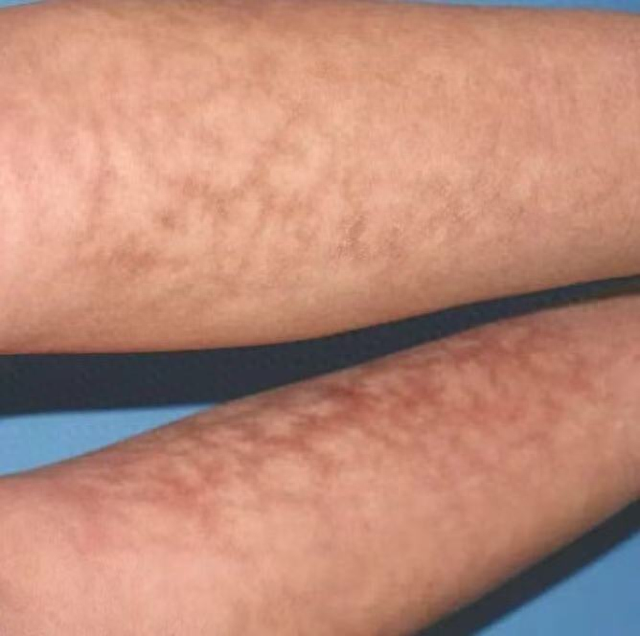
Core Viewpoint - The article highlights the increasing incidence of a skin condition known as "fire-induced dermatitis" or "fire-induced erythema" during winter, attributed to prolonged exposure to heating devices such as electric blankets and heaters [1][3]. Group 1: Condition Overview - Fire-induced erythema is characterized by persistent red spots and capillary expansion due to prolonged exposure to external heat sources, commonly seen in areas frequently in contact with these heat sources [1][3]. - Patients like Xiao Lin have reported symptoms including localized skin dryness, itching, and pain, with the condition being diagnosed by dermatologists [1][2]. Group 2: Medical Insights - Dr. Xu Gejiao explains that skin is highly sensitive to temperature, and exposure to heat sources at 45-50°C can lead to capillary expansion and subsequent pigment deposition in the skin, resulting in discoloration [3][4]. - The discoloration often appears as net-like or patchy brownish-purple spots, typically in areas that frequently contact heat sources, and may initially present with mild redness and capillary expansion [2][3]. Group 3: Recommendations - It is advised to maintain a safe distance from heating devices and to avoid direct skin contact, using towels or heat-resistant pads as barriers [4]. - Continuous use of heating devices should not exceed 30 minutes, and individuals experiencing unexplained skin discoloration related to heating device use should seek medical attention promptly [4].
连贴三晚,膝盖深Ⅲ度烫伤!很多人冬天都在用
Xin Lang Cai Jing· 2025-12-21 21:44
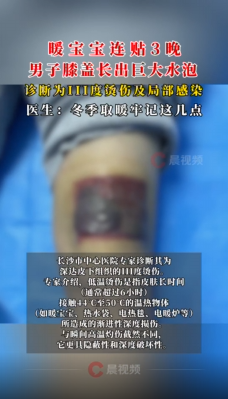
Core Viewpoint - The article highlights the risks associated with using heating products during winter, particularly the danger of low-temperature burns, as illustrated by a case of a man suffering a third-degree burn from prolonged use of a heating pad [1][3]. Group 1: Incident Overview - A 45-year-old man in Changsha experienced severe burns after using a heating pad at 45°C on his knee for three consecutive nights, leading to a diagnosis of third-degree burns [3]. - The incident serves as a cautionary tale about the potential dangers of seemingly harmless heating products during cold weather [1][3]. Group 2: Prevention Tips - Maintain a safe distance when using heating devices like heaters and electric blankets, especially when caring for vulnerable individuals such as the elderly and children [4]. - When using hot water bottles, do not overfill them and wrap them in a towel to prevent low-temperature burns [5]. - Follow the instructions for self-heating pads, ensuring a safe distance between the product and the skin [7]. - It is advisable to turn off electric blankets before sleeping and to use those with automatic temperature control and overheating protection features [7].
冬季烧烫伤,牢记五字急救法
Xin Lang Cai Jing· 2025-12-19 17:24
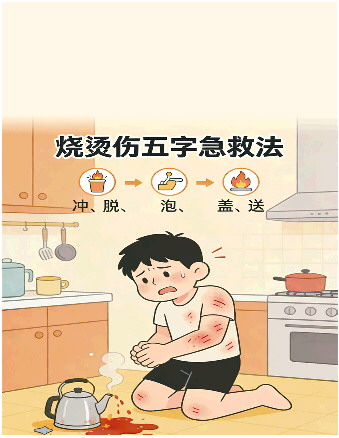
Core Viewpoint - The article emphasizes the increased risk of burns in children during winter, particularly low-temperature burns, which are often underestimated by parents due to their subtle onset and serious consequences [2][3][4]. Group 1: Types of Burns - Low-temperature burns are a significant concern in winter, caused by prolonged contact with objects slightly above body temperature, leading to deeper skin damage [3][4]. - Contact burns occur suddenly when children touch high-temperature objects, with common sources including heating devices and hot liquids [5][6]. Group 2: Risk Scenarios - High-risk scenarios for low-temperature burns include prolonged contact with heating pads, electric blankets, and direct skin contact with heat sources [4]. - Common sources of contact burns include household heating devices, hot water pipes, and kitchen items like hot pots and tea cups [5][6]. Group 3: Prevention Strategies - To prevent low-temperature burns, parents should use protective coverings for heating devices and ensure they are not in direct contact with children's skin [7]. - For contact and hot water burns, physical barriers and proper placement of hot items are crucial, along with supervision during cooking and bathing [7]. Group 4: First Aid Procedures - In case of burns, the recommended first aid steps include cooling the burn with running water, removing clothing carefully, soaking the area, covering it with a clean cloth, and seeking medical attention if necessary [8]. - Parents are advised against using home remedies that could worsen the situation and to follow the established first aid protocol to minimize harm [8]. Group 5: Importance of Prevention - The article stresses that preventing burns is far more critical than treating them, urging parents to remain vigilant and address safety hazards in the home during the winter [9].
冰天雪地,如何乐享户外运动
Ren Min Ri Bao· 2025-12-19 05:24
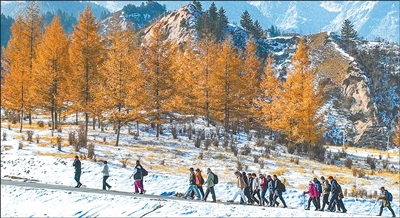
Group 1: Winter Sports Safety Guidelines - The article emphasizes the importance of preparation and knowledge for safely enjoying winter sports like skiing and winter swimming [2][3][4] - For skiing, it is recommended to choose appropriate equipment, such as skis that are 10-15 cm shorter than the skier's height, and to wear essential protective gear including helmets and goggles [3] - New skiers should start on gentle slopes and learn to control speed and direction before attempting more advanced trails, maintaining a proper posture while skiing [3][6] Group 2: Winter Swimming Precautions - Winter swimming can effectively enhance cardiovascular health and immune function, but it is not suitable for everyone; health screenings are advised before participation [4][5] - Swimmers should gradually acclimate to cold water temperatures and limit their time in water below 14 degrees Celsius to 14 minutes, reducing time as temperature decreases [5] - Post-swimming, it is crucial to dry off in a specific order and consume warm drinks to help restore body temperature [5] Group 3: Outdoor Hiking Recommendations - For winter hiking, a layered clothing approach is recommended, with moisture-wicking base layers and insulated middle layers to retain heat [6] - Proper footwear with good traction is essential, and hikers should consider using ice grips and trekking poles for stability [6][7] - High-calorie foods and hot drinks are advised for energy, and carrying emergency gear such as thermal blankets and GPS devices is recommended [6][7] Group 4: Snow Blindness Awareness - Snow blindness, caused by UV exposure in snowy environments, can lead to temporary eye inflammation and requires preventive measures such as wearing UV-protective goggles [7] - Symptoms include tearing, redness, and pain in both eyes, and treatment involves resting the eyes and using antibiotic eye drops if necessary [7]