
雪盲症

Search documents
冬季运动要注意哪些事项?这份安全“锦囊”请收好
Xin Lang Cai Jing· 2026-01-18 05:02
Core Insights - The article emphasizes the increasing popularity of winter sports such as skiing, ice skating, and winter swimming, while highlighting the associated safety risks in cold environments [1] Group 1: Safety Guidelines for Winter Sports - The core of protection in winter sports lies in "environment adaptation, equipment suitability, skill standardization, and emergency preparedness," with any negligence potentially leading to accidents [1] - Essential protective gear includes helmets, knee pads, and elbow pads, with beginners advised to wear hip protectors to prevent tailbone injuries [1] - In case of a collision, individuals should not rush to stand up; they must first assess for severe pain or joint dislocation before attempting to rise [1] Group 2: Eye Protection - Prolonged exposure to snow can lead to "snow blindness," caused by UV rays reflecting off the snow, resulting in corneal damage and symptoms like eye pain and blurred vision [2] - If experiencing mild discomfort without affecting vision, rest may suffice; however, severe symptoms warrant immediate medical attention [2] - It is crucial to wear high UV protection sunglasses, ideally with side protection, to shield the eyes from harmful rays [2] Group 3: Prevention of Frostbite and Hypothermia - Frostbite commonly affects extremities and initial symptoms include skin whitening and numbness, with severe cases leading to blisters or tissue necrosis [3] - Immediate action for frostbite includes moving to a warmer environment and soaking the affected area in warm water, avoiding direct heat sources [3] - Hypothermia is a critical condition that occurs when core body temperature drops below 35°C, leading to symptoms like shivering and confusion; prevention involves keeping dry and changing wet clothing promptly [4] Group 4: Emergency Response - In cases of hypothermia, it is vital to avoid rubbing the skin, as this can cause harmful substances in the blood to circulate back to the heart, potentially leading to cardiac arrest [4]
发生雪盲症该如何紧急自救?专家建议→
Sou Hu Cai Jing· 2026-01-17 11:16
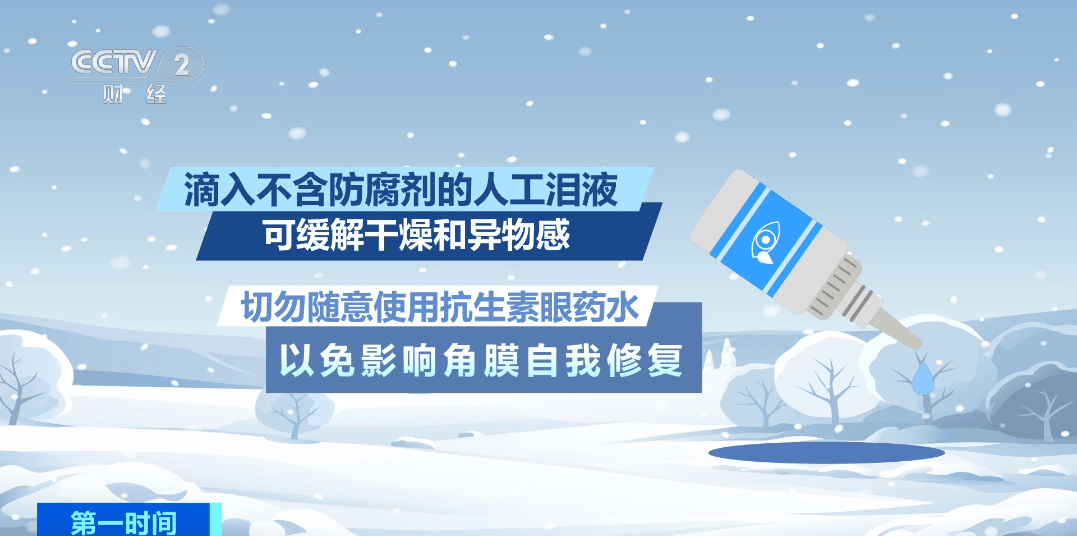
Core Viewpoint - Snow blindness, medically known as "photokeratitis," is a temporary eye inflammation caused by prolonged exposure to ultraviolet light, leading to corneal epithelial cell damage. Group 1 - Symptoms of snow blindness require immediate action, including moving to a shaded area and applying a cold towel to the eyes to avoid further damage [1][3] - If protective eyewear is lost, sunglasses or eye masks can be used temporarily to reduce light exposure [3] - Artificial tears without preservatives can alleviate dryness and foreign body sensation, while antibiotic eye drops should be avoided unless prescribed by a doctor [3] Group 2 - Near-sighted individuals should refrain from wearing contact lenses during symptoms to prevent worsening, with frame glasses recommended as the preferred option [3] - If symptoms persist beyond 24 hours, medical attention is necessary to check for potential corneal epithelial detachment or retinal damage [3] - Treatment principles include using preservative-free artificial tears and possibly nutrient factors for corneal epithelium repair, with severe cases requiring appropriate antibiotic eye drops to prevent infection [4]

禁毒部门回应“奶茶等于准毒品”说法不实——辟谣
Xin Lang Cai Jing· 2026-01-08 04:34
Group 1 - The Shanghai Narcotics Control Committee clarified that claims linking certain milk tea brands to drugs are incorrect, emphasizing that caffeine in beverages comes from natural sources or compliant additives, regulated by national standards [2] - Caffeine is a natural alkaloid found in tea leaves, produced by the tea plant to deter pests, and consumers can ingest caffeine from various sources including coffee, tea, energy drinks, and chocolate [2] - The recommended safe caffeine intake is 400 milligrams per day for healthy adults and approximately 175 milligrams for individuals under 18, with tea and tea beverages being the primary sources of dietary caffeine in China [2] Group 2 - The article warns against associating naturally occurring caffeine in tea with strictly regulated psychoactive substances, urging the public to remain vigilant against drug-related misinformation [3]

玩雪不能超过这个时间!失明不是危言耸听
Xin Lang Cai Jing· 2026-01-05 09:28
Core Viewpoint - The article highlights the risks of snow blindness, a condition caused by prolonged exposure to UV rays reflected off snow, emphasizing the importance of eye protection for outdoor enthusiasts during winter activities [1][3]. Group 1: Understanding Snow Blindness - Snow blindness, medically known as "photokeratitis," is a temporary eye inflammation caused by UV rays damaging the corneal epithelial cells [3][5]. - The high reflectivity of snow can reflect nearly 95% of UV rays, making direct exposure to snow as harmful as looking directly at the sun [5]. - Snow blindness can occur in various environments, not just snowy areas, including high-altitude climbing, glacier hiking, and even indoor settings with UV exposure [5]. Group 2: Symptoms and Recovery - Symptoms of snow blindness typically manifest 4 to 12 hours after exposure and include redness, tearing, pain, light sensitivity, and blurred vision [6][9]. - Mild cases may resolve with rest in about 6 hours, while moderate to severe cases could take 2 to 4 days for recovery [9][10]. Group 3: Emergency Response - Immediate actions to take if symptoms occur include avoiding light, stopping outdoor activities, and seeking shade [8][9]. - Rubbing the eyes should be avoided as it can worsen the condition [7]. - Cold compresses can help alleviate pain, and medical attention is advised for severe symptoms [8][9]. Group 4: Prevention Strategies - Wearing UV400-rated goggles is crucial to block harmful UV rays during snow activities [10][12]. - Even on cloudy days or at night, UV protection is necessary due to the reflective properties of snow [11][12]. - Limiting exposure time to 1-2 hours in strong sunlight and taking breaks in shaded areas can reduce the risk of snow blindness [11][12].

冰天雪地,如何乐享户外运动
Ren Min Ri Bao· 2025-12-19 05:24
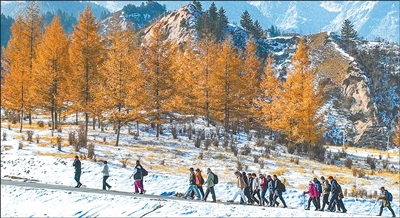
Group 1: Winter Sports Safety Guidelines - The article emphasizes the importance of preparation and knowledge for safely enjoying winter sports like skiing and winter swimming [2][3][4] - For skiing, it is recommended to choose appropriate equipment, such as skis that are 10-15 cm shorter than the skier's height, and to wear essential protective gear including helmets and goggles [3] - New skiers should start on gentle slopes and learn to control speed and direction before attempting more advanced trails, maintaining a proper posture while skiing [3][6] Group 2: Winter Swimming Precautions - Winter swimming can effectively enhance cardiovascular health and immune function, but it is not suitable for everyone; health screenings are advised before participation [4][5] - Swimmers should gradually acclimate to cold water temperatures and limit their time in water below 14 degrees Celsius to 14 minutes, reducing time as temperature decreases [5] - Post-swimming, it is crucial to dry off in a specific order and consume warm drinks to help restore body temperature [5] Group 3: Outdoor Hiking Recommendations - For winter hiking, a layered clothing approach is recommended, with moisture-wicking base layers and insulated middle layers to retain heat [6] - Proper footwear with good traction is essential, and hikers should consider using ice grips and trekking poles for stability [6][7] - High-calorie foods and hot drinks are advised for energy, and carrying emergency gear such as thermal blankets and GPS devices is recommended [6][7] Group 4: Snow Blindness Awareness - Snow blindness, caused by UV exposure in snowy environments, can lead to temporary eye inflammation and requires preventive measures such as wearing UV-protective goggles [7] - Symptoms include tearing, redness, and pain in both eyes, and treatment involves resting the eyes and using antibiotic eye drops if necessary [7]
冬季户外运动怎样防寒保暖?如何规避危险?
Ren Min Ri Bao· 2025-12-18 04:12
Group 1: Winter Sports Safety and Preparation - The article emphasizes the importance of preparation and knowledge for safely enjoying winter sports like skiing and winter swimming [2][3][4] - Skiing should start with mastering basic skills on gentle slopes before progressing to more challenging terrains, with a focus on maintaining proper posture and safety distance from other skiers [3][6] - For winter swimming, a systematic health check is recommended before participation, and gradual acclimatization to cold water is crucial to avoid cold shock [4][6] Group 2: Equipment and Clothing Recommendations - Ski equipment should prioritize practicality and suitability, with specific recommendations for ski length and protective gear such as helmets and goggles [3] - For winter hiking, a layered clothing approach is advised, including moisture-wicking base layers, insulating mid-layers, and waterproof outer layers, along with protective accessories for the head, hands, and feet [6][7] - Emergency gear such as survival blankets, heat packs, and waterproof GPS devices are suggested for outdoor activities [7] Group 3: Techniques and Nutrition - Proper techniques for walking on snow and ice are highlighted, including specific foot placements and movements to maintain balance and prevent falls [6] - Nutrition during winter activities should focus on high-calorie foods and warm beverages, with suggestions for cooking in the field if conditions allow [6] Group 4: Eye Protection and Treatment - Snow blindness, caused by UV exposure in snowy environments, is discussed, with symptoms and prevention methods outlined, including the use of UV-protective goggles [8] - Treatment recommendations for snow blindness include resting, avoiding eye rubbing, and using antibiotic eye drops if necessary [8]