
朱仙镇木版年画

Search documents
年画村里探新潮(美丽乡村我的家)
Xin Lang Cai Jing· 2026-02-28 03:42
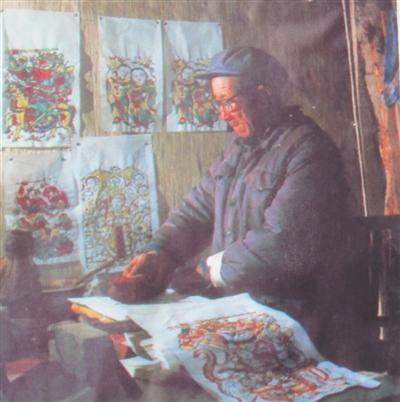
Core Viewpoint - The article highlights the transformation of Zhao Zhuang village in Kaifeng, Henan, from a struggling community reliant on traditional woodblock printing to a thriving cultural industry, driven by both heritage preservation and modern commercialization [2][3]. Group 1: Heritage and Tradition - Zhao Zhuang village is recognized as a living heritage site for the traditional woodblock New Year paintings, which have seen a revival in recent years due to increased demand and orders [2][3]. - The village's woodblock printing craft nearly faced extinction in the 1970s due to natural disasters and societal changes, but has since evolved into a significant rural industry supported by policies and funding [3]. Group 2: Economic Impact and Growth - The annual output value of the woodblock painting industry in Zhao Zhuang has reached over 400 million yuan, with the village also attracting over 80,000 visitors for educational programs, generating sales revenue exceeding 1.1 million yuan [4]. - Young inheritors of the craft, such as Zhang Yi, have shifted the business model from traditional selling methods to a more strategic approach, resulting in substantial income during peak seasons [4]. Group 3: Innovation and Modernization - The integration of traditional art with modern commercial elements has led to the creation of over 220 derivative products, expanding the market reach to over 20 countries, including France, the UK, and Russia [6]. - Collaborations with contemporary brands, such as the partnership with a tea brand to create trendy woodblock prints, have attracted younger audiences and revitalized interest in traditional crafts [5][6]. Group 4: Community Engagement and Education - The village has adopted a "transmission institute + university + cooperative" model, which incorporates resources from local universities to enhance cultural education and attract visitors [8]. - Initiatives aimed at engaging children and educating them about the cultural significance of woodblock printing are being implemented, fostering a deeper connection to the craft [7][8].

商务部:年货节启动以来 截至2月8日全国网络零售额达到9897.3亿元
Yang Shi Wang· 2026-02-11 04:04
Core Insights - The 2026 "Lego New Spring" special event aims to boost consumption during the Spring Festival, with significant online retail sales reported [1] Group 1: Consumption Trends - The online retail sales reached 989.73 billion yuan as of February 8, 2026, indicating a strong consumer demand during the festival [1] - New forms of consumer engagement, such as cloud exhibitions and live streaming, have been widely adopted, enhancing the online and offline shopping experience [1] - Online service consumption has seen a rise, with online dining and travel increasing by 11.5% and 5.3% respectively [1] Group 2: Supply Quality and Product Offerings - There is a focus on enhancing the quality of supply, particularly in staple goods, while also expanding the availability of specialty and high-quality products [1] - Local brands and e-commerce platforms are collaborating to promote unique products like Su embroidery and organic tea, accompanied by green packaging and low-carbon delivery services [1] Group 3: Cultural Integration - The event promotes traditional culture by integrating intangible cultural heritage with online consumption, featuring activities that highlight folk culture and national creative products [2] - The sales of national trend products, such as qipao and crafts, have surged by 179.7% and 55.9% respectively [2] Group 4: Market Expansion - The "Silk Road E-commerce New Year" initiative aims to connect global markets, introducing international products while promoting Chinese New Year culture [2] - The main venue in Gansu has created a "Silk Road E-commerce New Year Goods Zone," collaborating with various regions to showcase imported goods and local agricultural products [2]
(新春见闻)三代艺人接力创新 马年生肖年画热销
Zhong Guo Xin Wen Wang· 2026-02-10 09:00
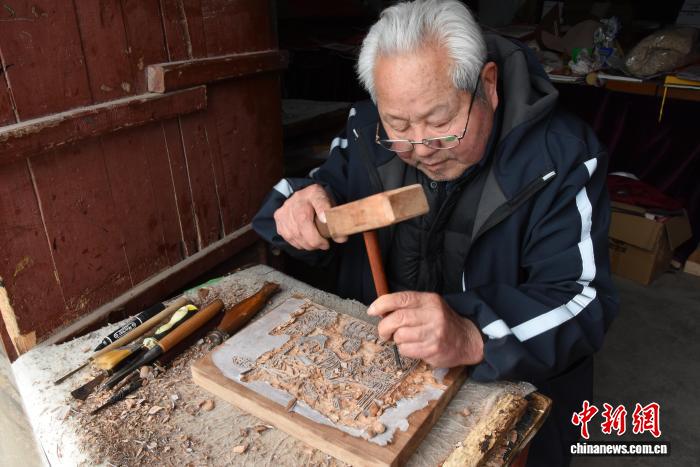
Core Viewpoint - The traditional woodblock New Year paintings from Kaifeng's Zhuxian Town, particularly the horse-themed series, are experiencing a surge in sales, driven by innovation and the involvement of multiple generations of artists [1][3]. Group 1: Industry Overview - The woodblock New Year paintings originated from ancient "door god paintings" and are a popular decorative art form in China, symbolizing blessings and good fortune [1]. - Zhuxian Town's woodblock paintings date back to the Tang Dynasty, flourished in the Song Dynasty, and reached their peak during the Ming and Qing Dynasties, being recognized as one of the "Four Great New Year Paintings" in China [1]. - In 2006, Zhuxian Town's woodblock paintings were included in the first batch of national intangible cultural heritage lists [1]. Group 2: Company and Artist Insights - The "Wantong Old Brand" in Zhuxian Town has 16 established shops, with Zhang Liansheng being the fourth-generation inheritor of this traditional craft, having dedicated over 60 years to the art [3]. - The production process of New Year paintings involves over 30 intricate steps, including material selection, sketching, carving, coloring, printing, and framing [3]. - Zhang Liansheng's son, Zhang Jizhong, and daughter, Zhang Yi, are also actively involved, with Zhang Yi's horse-themed series achieving significant online sales [3][4]. Group 3: Innovation and Market Expansion - Zhang Yi has creatively reinterpreted classic door god images into over 50 cultural and creative products, such as fridge magnets and phone cases, which are exported to countries like Japan, South Korea, and the USA [4]. - To cater to the aesthetic and cultural demands of younger consumers, Zhang Jizhong collaborates with research institutions to develop new designs, including over 30 new year painting varieties [4]. - The local woodblock painting shops are leveraging "Internet+" and collaborative models with government and enterprises to expand their market reach, establishing a comprehensive industry chain [4].
行走开封 品味幸福——开封文旅观察之三
He Nan Ri Bao· 2025-06-25 23:33
Group 1 - The core viewpoint emphasizes the integration of cultural tourism and local identity in Kaifeng, showcasing how the city's rich history and modern lifestyle coexist harmoniously [1][2][3] - The cultural tourism industry in Kaifeng has evolved from basic sightseeing to immersive experiences, reflecting a significant upgrade in offerings that cater to both tourists and residents [2][3] - The city's commitment to "all-region tourism" is evident in the systematic restoration of historical sites and the creation of ecological tourism routes, enhancing the cultural landscape [3][4] Group 2 - Continuous improvement in the business environment and government services has attracted numerous quality cultural tourism projects to Kaifeng, fostering innovation and development [4] - The integration of cultural tourism with value education is highlighted, as various attractions serve as platforms for imparting traditional values and fostering cultural confidence among visitors and locals [4] - The transformation of urban spaces, including historical districts and modern recreational areas, contributes to a vibrant community atmosphere, enhancing the quality of life for residents and the experience for tourists [3][4]