杏仁茶

Search documents
北京隆福寺真热闹啊
Xin Lang Cai Jing· 2026-02-21 03:52
Group 1 - The article highlights the vibrant atmosphere of the Longfu Temple area during the Spring Festival, showcasing a blend of traditional and modern elements in the marketplace [1] - Various stalls feature traditional delicacies and modern products, such as the "Star People" ice pops from Pop Mart, appealing to both older and younger generations [1] - The integration of technology is evident with the presence of robot "staff" in smart retail stores, enhancing the festive experience for visitors [1] Group 2 - The article emphasizes the immersive experience provided by intangible cultural heritage displays, allowing visitors to engage with traditional crafts [1] - The Longfu Temple area has undergone renovations, merging old and new, and creating a unique shopping experience that reflects the cultural richness of Beijing [1] - The diverse offerings, from traditional almond tea to modern health drinks, illustrate the fusion of heritage and contemporary trends in the local market [1]
有潮流市集、非遗文化,更有科技体验:商圈“京”彩过大年
Xin Lang Cai Jing· 2026-02-20 22:46
Core Insights - The article highlights the vibrant atmosphere of the Lunar New Year markets in Beijing, particularly at the Longfu Temple, showcasing a blend of traditional culture and modern retail experiences [1][2][3] Group 1: Market Atmosphere - The Longfu Temple market is bustling with visitors enjoying traditional foods and shopping, creating a lively festive environment [1][2] - The market features a mix of traditional and contemporary elements, such as the "Longfu Horse" sculpture and various food stalls offering local delicacies [2][3] - The presence of non-material cultural heritage displays and interactive experiences enhances the festive spirit, attracting families and tourists alike [3][4] Group 2: Cultural Integration - The market integrates traditional crafts with modern design, exemplified by unique products like the "Rabbit Master" figurines and traditional toys reimagined for contemporary audiences [3][4] - Non-material cultural heritage showcases are prominent, with artisans demonstrating their skills and engaging visitors in traditional crafts [5][6] Group 3: Technological Innovation - The introduction of smart retail technology, such as the robot "Xiao Gai," enhances the shopping experience, providing efficient service and entertainment [8][9] - The robot's capabilities include autonomous operation and customer interaction, reflecting a trend towards integrating technology in retail environments [8][9]
北京隆福寺:新春市集年味足
Xin Lang Cai Jing· 2026-02-14 21:57
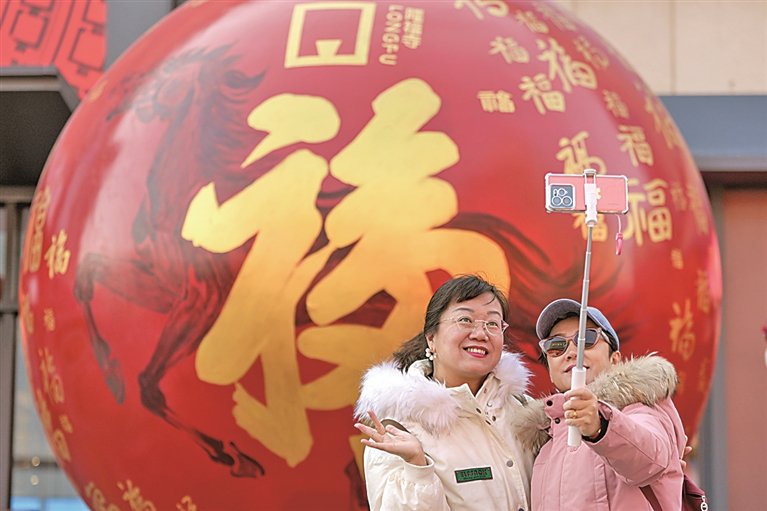
Core Viewpoint - The article highlights the vibrant atmosphere and cultural significance of the Longfu Temple area in Beijing during the Spring Festival, showcasing its transformation into a cultural hub that blends historical heritage with contemporary art and lifestyle [1][3]. Group 1: Cultural and Economic Impact - The Longfu Temple area has become a bustling cultural "parlor" of the city, reflecting a deep integration of historical memory with modern art and lifestyle [3][5]. - The area has experienced revitalization through meticulous urban renewal efforts, preserving various architectural styles while fostering a dialogue between ancient and modern elements [3][4]. Group 2: Visitor Experience and Offerings - The New Year market at Longfu Temple features traditional snacks and innovative products, such as the new "京八件" pastries that combine bronze vessel designs with blind box concepts, enhancing customer experience [4][5]. - The market has become a popular destination for both tourists and locals, with attractions like the "隆福马" sculpture and various cultural displays drawing significant crowds [2][3]. Group 3: Future Developments - The second phase of the Longfu Temple project is set to open in September 2025, aiming to introduce more brands related to art, technology, and traditional businesses, further enriching the area's cultural landscape [4][5].

非遗新体验 见“郑”欢喜年
Zheng Zhou Ri Bao· 2026-02-14 00:59
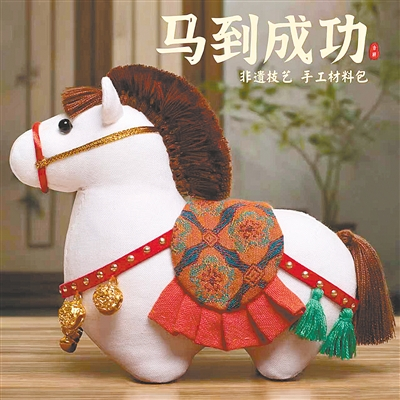
Core Viewpoint - The "Non-Heritage Renewal: Experience 'Zheng' Happy Year" event in Zhengzhou aims to celebrate traditional culture through a market showcasing over 20 intangible cultural heritage projects, blending traditional craftsmanship with modern life [3][4]. Group 1: Event Overview - The event will take place from February 15 to 21 at the Zhengzhou Memory 1952 Oil Chemical Plant tourism and leisure street [3]. - It is organized by the Zhengzhou Cultural, Radio, Television and Tourism Bureau and hosted by the Henan Tang Palace Cultural and Creative Technology Group [3]. Group 2: Cultural Showcase - The market will feature traditional arts such as sugar painting, crystal carving, and metal engraving, allowing visitors to experience the essence of "Old Zhengzhou" [3][4]. - Visitors can taste local delicacies like Xingyang persimmon candy and Zheng sesame candy, enhancing their sensory experience [3]. Group 3: Interactive Experience - The event includes interactive activities, such as the ancient game of throwing pots, to engage visitors in traditional cultural practices [4]. - Creative photo spots themed around the Year of the Horse will be available, encouraging visitors to share their experiences and promote the beauty of national trends [4]. Group 4: Future Initiatives - The "Experience 'Zheng' Happy Year" series aims to use the Spring Festival as a platform to transition intangible cultural heritage from static displays to dynamic transmission, integrating historical memories into contemporary life [4].
这座粤西小城真的被低估了,国庆就冲!
3 6 Ke· 2025-09-30 02:41
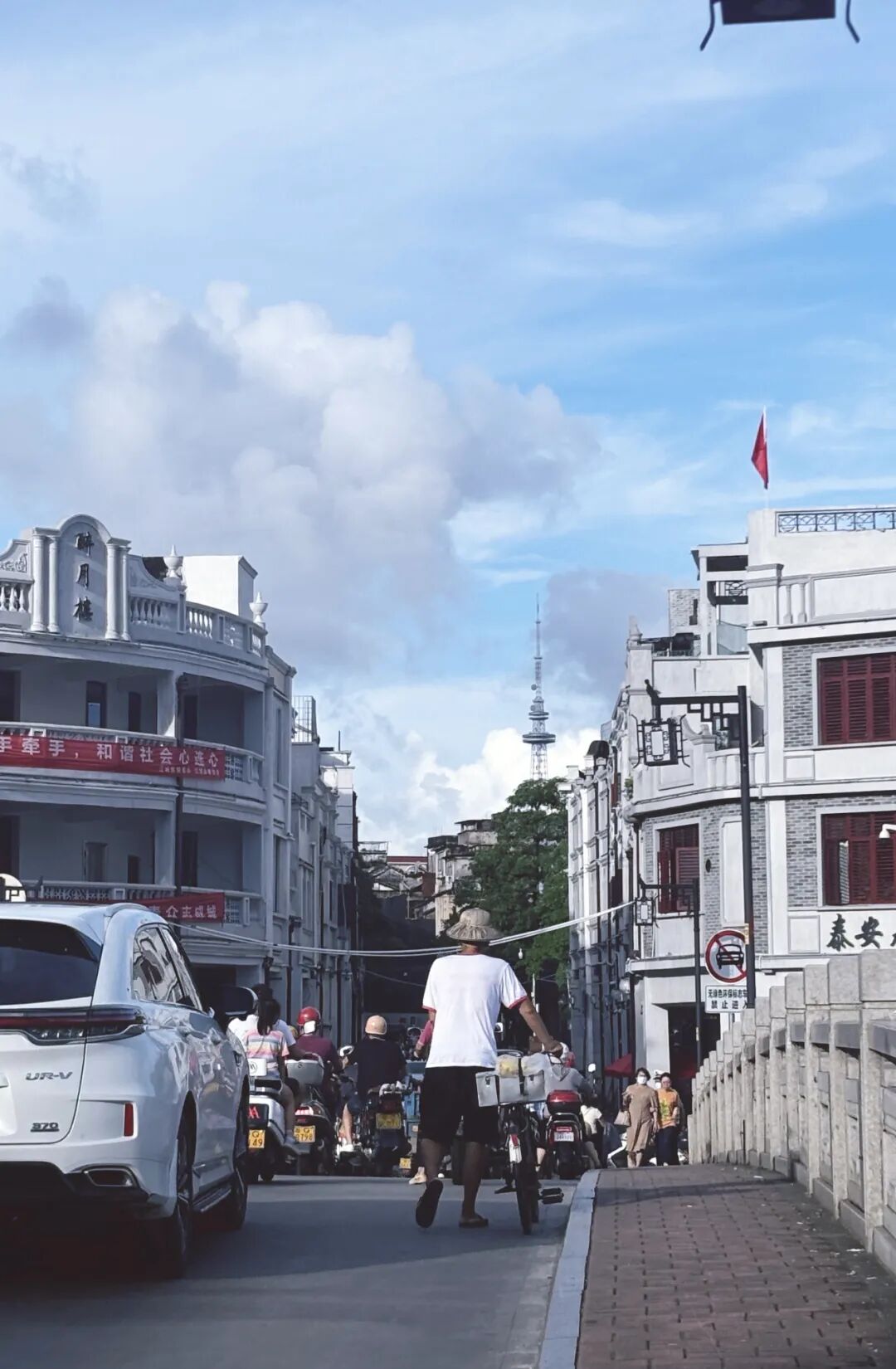
Core Insights - The article highlights the charm and appeal of Yangjiang, a coastal city in Guangdong, known for its beautiful beaches and rich culinary culture, particularly its seafood and local dishes [2][41]. Group 1: Tourism and Attractions - Yangjiang is recognized for its stunning coastal scenery, including the famous Hailing Island, which has been rated as one of China's top ten beautiful islands by China National Geography [2]. - The city offers a variety of attractions, from historical sites like the Ming Dynasty's Jingye Temple to the vibrant local food scene, making it an ideal weekend getaway for urban workers [10][12]. - The old town area, particularly the He Ti and Xi Lai ancient streets, provides a glimpse into the local culture and history, with a mix of traditional architecture and modern eateries [19][20][22]. Group 2: Culinary Highlights - Yangjiang's culinary scene is a significant draw, featuring local specialties such as white-cut chicken, which is renowned for its unique preparation method that enhances its flavor and texture [15][16]. - The article emphasizes the importance of local delicacies, including the fresh seafood and traditional snacks available in the old town, which are integral to the city's identity [14][17]. - The dining experience in Yangjiang is characterized by a blend of flavors from both the sea and the river, showcasing the region's rich natural resources [7][8]. Group 3: Cultural Experience - The article describes the vibrant atmosphere of the old streets, where visitors can experience the daily life of locals, including traditional tea drinking and local markets [31][35]. - The historical significance of Yangjiang is highlighted through its ancient structures and the stories they tell, reflecting the city's evolution over time [12][40]. - The night market scene is mentioned as a lively aspect of Yangjiang, where local vendors offer a variety of street food, contributing to the city's cultural tapestry [22][23].