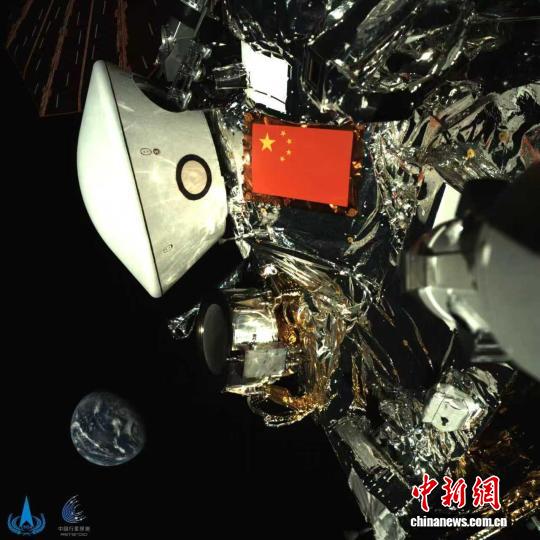
梦舟新一代载人飞船

Search documents
中国航天,2026年日程排满
Zhong Guo Ji Jin Bao· 2026-01-01 14:17
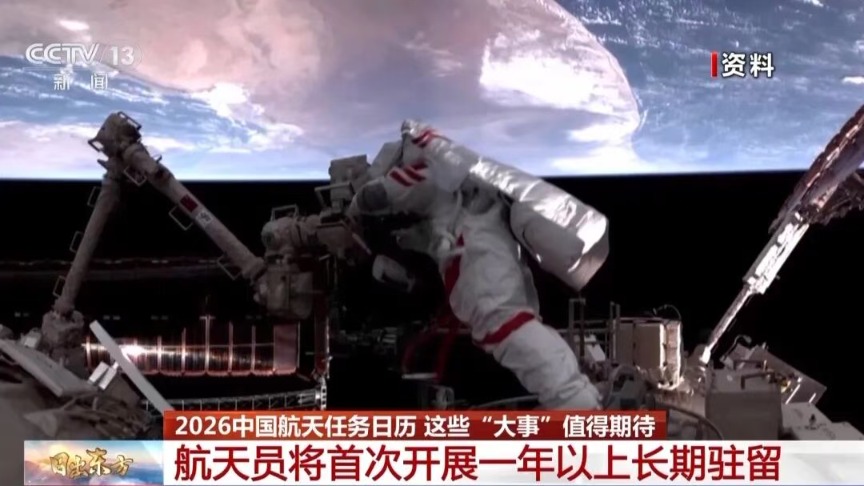
Core Insights - In 2026, China's space program is expected to achieve significant breakthroughs, including crewed missions to the Chinese space station and the launch of new spacecraft [1][3]. Group 1: Crewed Space Missions - The Shenzhou 23 and Shenzhou 24 missions will send astronaut crews from the Jiuquan Satellite Launch Center to the Chinese space station [1]. - A crew member from the Shenzhou 23 mission will conduct a long-term stay experiment lasting over one year [3]. Group 2: New Spacecraft Developments - The new generation crewed spacecraft "Dream Boat" will make its maiden flight, designed for near-Earth space station operations and crewed lunar exploration [3]. Group 3: Lunar Exploration - The Chang'e 7 lunar probe will be launched to explore the Moon's south pole, focusing on surface environment surveys and water ice detection [5]. - If successful, China could become the first country to discover water on the Moon [5]. Group 4: Deep Space Exploration - The Tianwen-2 probe is set to reach asteroid 2016 HO3 for exploration and sample collection, with a return to Earth expected by the end of 2027 [6]. - Following this, the probe will conduct scientific exploration of main belt comet 311P [6]. Group 5: Commercial Space Development - 2026 will mark a year of accelerated development for China's commercial space sector, with the establishment of the Commercial Space Administration [8]. - New rocket developments, including Lijian-2, Tianlong-3, and Hyperbola-3, are highly anticipated [8].

中国航天,2026年日程排满
财联社· 2026-01-01 11:08
Group 1 - In 2026, China's manned space program will see significant developments, including the launch of Shenzhou 23 and Shenzhou 24 missions, with astronauts departing from the Jiuquan Satellite Launch Center to the Chinese space station [1][3] - The Tianzhou 10 cargo spacecraft will also be launched, and one astronaut from the Shenzhou 23 crew will conduct a long-term stay experiment lasting over one year [3] - The new generation manned spacecraft "Dream Boat" will make its maiden flight, designed for near-Earth space station operations and crewed lunar exploration missions [3] Group 2 - The Chang'e 7 probe will be launched to explore the lunar south pole, focusing on surface environment surveys and water ice detection, potentially making China the first country to discover water on the moon [5] - The Tianwen 2 probe is set to reach asteroid 2016 HO3 for exploration and sample collection, with a return to Earth expected by the end of 2027, followed by scientific exploration of main belt comet 311P [5] Group 3 - 2026 will mark a year of accelerated development for China's commercial space sector, with the establishment of the Commercial Space Administration leading to increased launch activities [7] - New rocket developments such as Lijian 2, Tianlong 3, and Shuangkuo 3 are gaining attention [7] Group 4 - The next five years are anticipated to bring unprecedented opportunities for China's space industry, contributing significantly to the peaceful use of space and showcasing Chinese innovation [8]

中国航天2026年“大事记”值得期待 中国人的深空探测之旅正越走越远
Yang Shi Wang· 2026-01-01 02:36
Group 1 - In 2026, China's manned space program will see the launch of Shenzhou 23 and Shenzhou 24 missions, with astronauts departing from the Jiuquan Satellite Launch Center to the Chinese space station [1][3] - The new generation manned spacecraft "Dream Boat" will make its maiden flight in 2026, designed to replace Shenzhou for transporting astronauts to and from the space station and to facilitate manned lunar missions [3] - The Chang'e 7 lunar probe will be launched in 2026, targeting the lunar south pole for key scientific tasks, including the search for water ice, potentially making China the first country to discover water ice on the moon [6] Group 2 - The Tianwen-2 probe is set to reach asteroid 2016 HO3 for exploration and sample collection, with a planned return to Earth by the end of 2027, followed by scientific exploration of comet 311P [8] - 2026 will mark a significant year for China's commercial space sector, with the establishment of the Commercial Space Administration leading to increased launch activities and the debut of new rockets like Lijian-2, Tianlong-3, and Shuangquxian-3 [10] - The next five years are expected to present unprecedented development opportunities for China's space industry, contributing significantly to the peaceful use of outer space [10]
(年终特稿)星河摆渡间,感知中国太空探索“航线”新突破
Zhong Guo Xin Wen Wang· 2025-12-27 02:39
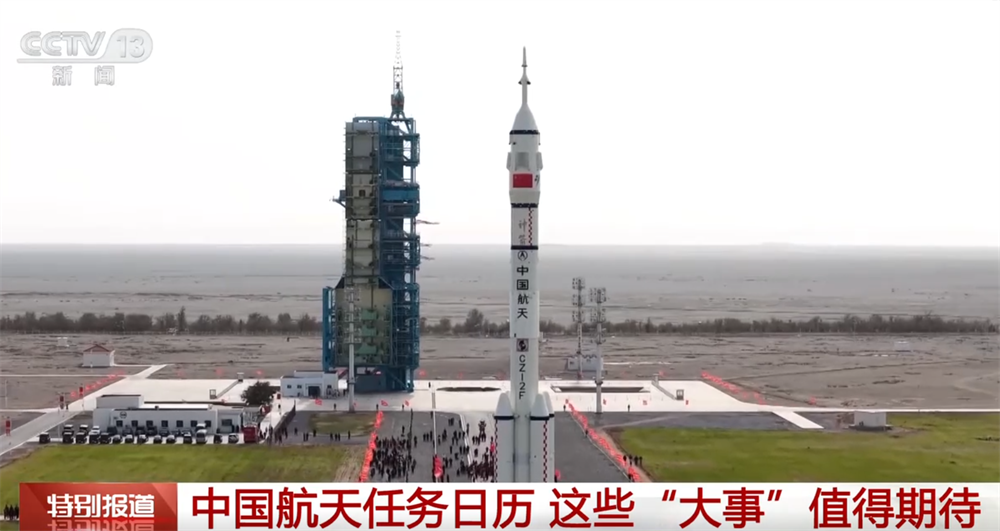
Core Insights - China's space exploration has made significant advancements in 2025, with over 10 flight missions in December alone, including record-breaking launches and successful missions in lunar and deep space exploration [1][4]. Group 1: Lunar and Deep Space Exploration - The Tianwen-2 probe has commenced a decade-long mission to explore asteroid 2016HO3 and comet 311P, marking China's first attempt at asteroid sampling and return [1]. - China has successfully completed lunar and Mars missions, including orbiting, landing, and returning, with the Tianwen-2 mission representing a critical step in catching up with global standards in asteroid exploration [1]. Group 2: Manned Space Missions - The new generation of manned spacecraft and lunar landers is progressing steadily, with a goal set for Chinese astronauts to land on the Moon by 2030 [3]. - The Tianzhou cargo spacecraft has improved its delivery efficiency, achieving a "three-hour express delivery" for space packages, significantly reducing the time for astronauts' return trips [4]. Group 3: Rocket Technology and Launches - The Long March series of rockets has surpassed 600 launches, demonstrating a rapid increase in launch frequency, with the sixth hundred achieved in just 1 year and 10 months [5]. - The successful launches of private sector rockets, such as the Lijian-1, indicate a growing demand for satellite launches and a maturing rocket technology landscape in China [5]. - China is actively pursuing reusable rocket technology, with recent tests of the Zhuque-3 and Long March 12甲 rockets providing critical data for future launches [5]. Group 4: Future Outlook - China's space industry is positioned for significant growth, with policies encouraging the development of a strong space nation included in the 14th Five-Year Plan [7]. - The current advancements in various space technology fields indicate that China is reaching world-class standards, with vast market potential awaiting further release [7].