爷爷自在茶

Search documents
肯德基加速变“绿”
3 6 Ke· 2025-12-15 00:36
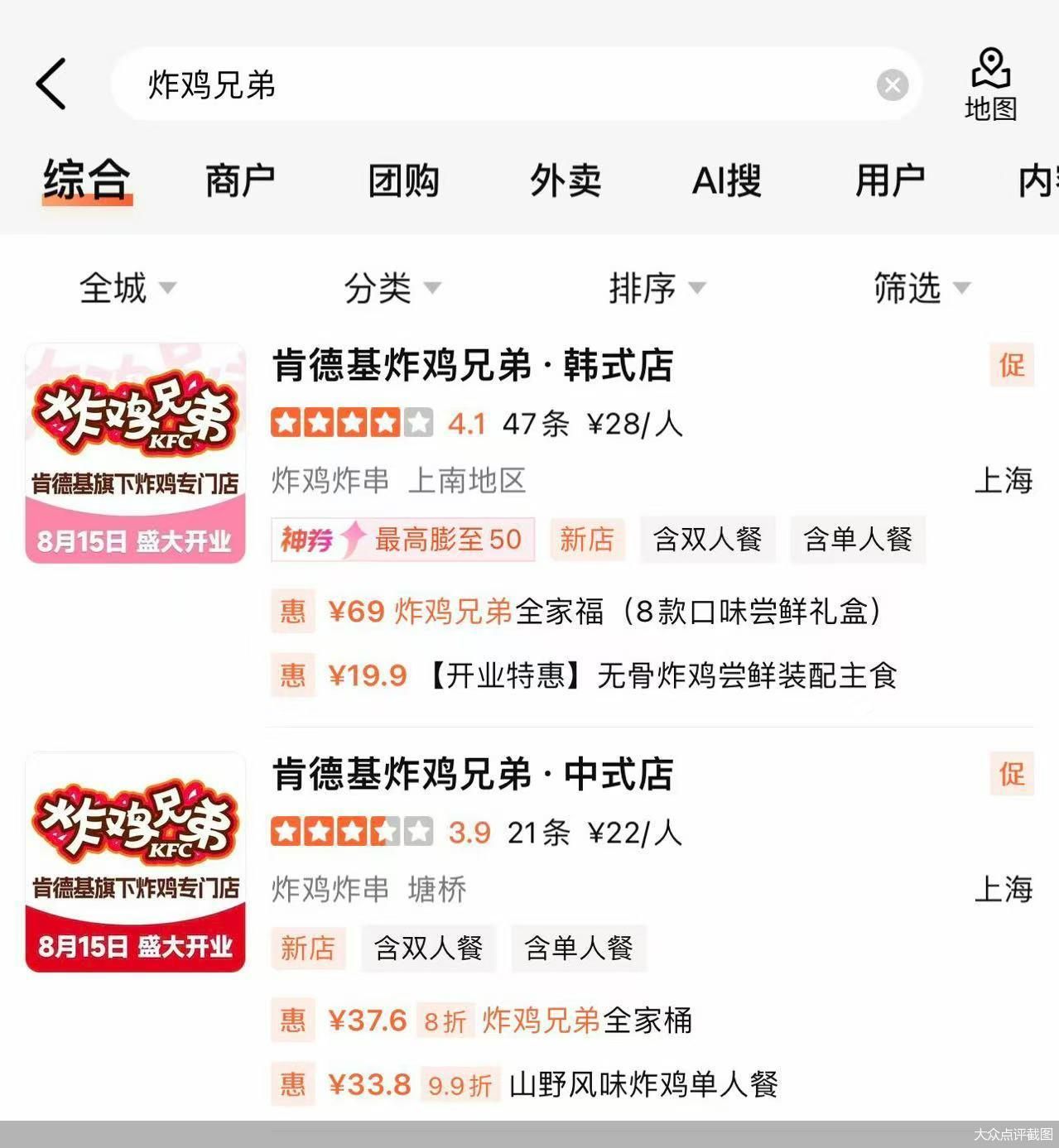
Core Viewpoint - KPRO, a healthy food brand under KFC, is accelerating its expansion and repositioning itself in the market by targeting the affordable light meal segment, aiming to reshape KFC's image from "junk food" to a healthier option [1][5][26]. Group 1: Brand Strategy and Positioning - KPRO's new brand proposition emphasizes "reliable quality and balanced light meals," supported by six commitments regarding ingredient selection, processing, storage, time management, seasoning, and pairing [1]. - The brand has shifted from a mid-to-high-end positioning to a more competitive pricing strategy, aligning itself with affordable light meal options, with most items priced around 30 yuan [3][5]. - KPRO's menu features four main categories: energy bowls, grain bowls, paninis, and superfood smoothies, with the cheapest meal set priced at 29.9 yuan [3]. Group 2: Market Dynamics and Consumer Behavior - The light meal market in China has seen significant growth, with a market size exceeding 160 billion yuan in 2023 and a projected compound annual growth rate of 30% over the next five years [9]. - Consumer surveys indicate that over 70% of respondents believe current light meal prices are too high, suggesting KPRO's new pricing strategy could lower barriers to entry for consumers [7]. - The light meal sector has experienced a high closure rate of 27% in 2023-2024, indicating a challenging environment for brands [9]. Group 3: Competitive Advantages - KPRO benefits from KFC's established brand reputation, extensive supply chain, and operational resources, which facilitate a smoother market entry and lower operational costs compared to starting a new brand from scratch [6][12]. - The integration with KFC's existing customer base and membership system allows KPRO to leverage foot traffic and online ordering capabilities, enhancing its competitive edge [6][20]. - KPRO's strategic positioning in the affordable segment allows it to compete effectively against both high-end brands and lower-cost alternatives in the light meal market [12][26]. Group 4: Industry Trends and Future Outlook - The light meal sector is undergoing a transformation towards healthier eating, driven by increasing consumer awareness and government initiatives promoting weight management [9]. - KPRO's entry into the affordable light meal market is seen as a proactive response to changing consumer preferences and a strategy to capture new growth opportunities in the food industry [26]. - The brand's ability to innovate and adapt to local tastes, alongside its backing from KFC and Yum China, positions it favorably for future growth in a competitive landscape [12][26].


冷饮更贵!肯德基1元差价遭声讨,冰块刺客?
新浪财经· 2025-09-06 08:49
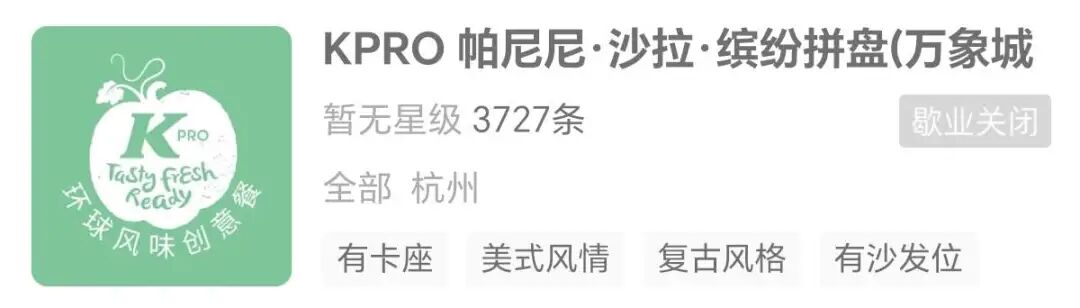
Core Viewpoint - The pricing discrepancy between iced and hot soy milk at KFC has sparked widespread consumer confusion and criticism, with many questioning the rationale behind the higher price for iced soy milk, leading to increased customer complaints and even the removal of the iced product from some locations [2][4][6]. Pricing Discrepancy - KFC has maintained a pricing policy where iced soy milk is priced one yuan higher than hot soy milk, which has been a longstanding practice [2][7]. - Some KFC staff indicated that the difference in cup size and capacity accounts for the price variation, although specific measurements were not provided [2][7]. Customer Complaints - KFC has faced a significant number of customer complaints, with over 20,000 reported issues related to food quality, service, and order errors, indicating a gap between service quality and consumer expectations [8][9]. - Complaints include the presence of foreign objects in food, unresponsive customer service, and complicated refund processes, which have contributed to negative consumer experiences [9]. Sales Performance - Despite quality control issues, KFC continues to expand aggressively, with a reported 3% increase in sales and a 2% increase in total revenue to $5.8 billion in the first half of 2025 [11]. - The growth in sales is primarily attributed to store expansion rather than organic growth, with KFC's store count reaching 12,238 and a net addition of 295 stores in the second quarter [12]. New Market Strategies - KFC is diversifying its offerings by entering the fried chicken market with new stores branded as "Fried Chicken Brothers," indicating a strategic shift to adapt to market changes [14]. - The company is also increasing its focus on franchise operations, with a goal of having 40-50% of new stores as franchises in the coming years [12].
肯德基下场抢炸鸡生意
Bei Jing Shang Bao· 2025-08-21 00:50
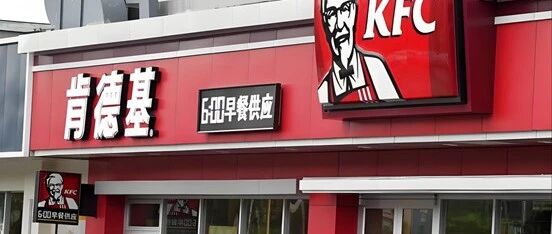
Core Viewpoint - KFC has entered the fried chicken market with the launch of two new stores named "Fried Chicken Brothers" in Shanghai, focusing on Chinese and Korean fried chicken offerings [1][2] Group 1: Store Details - The two new stores are located in Shanghai's Pudong New Area, each approximately 20 square meters, with no dine-in area, emphasizing takeout and delivery services [1] - The Chinese store features items like fried chicken legs and chicken frames, with an average spend of about 22 yuan per person, while the Korean store offers eight types of sauces and dishes like spicy chicken and Korean rice cakes, with an average spend of around 28 yuan [1] Group 2: Brand Strategy - "Fried Chicken Brothers" retains strong ties to the KFC brand, prominently featuring "KFC" in its signage and marketing materials, indicating a strategic move to leverage brand recognition [2][3] - The brand aims to attract younger consumers who prioritize cost-effectiveness, particularly during late-night hours, filling a gap in KFC's market offerings [3] Group 3: Competitive Landscape - The fried chicken segment is highly competitive, with over 16,000 Chinese fried chicken outlets reported as of last September, and nearly 1,000 new stores opened in the last six months [3] - KFC's established supply chain and logistics network provide a competitive edge in maintaining stable supply and cost control, which is crucial for price competitiveness [3][4] Group 4: Operational Challenges - For "Fried Chicken Brothers" to achieve scalable growth, it must address two main challenges: maintaining profit margins while offering high value and differentiating itself from other brands [4] - Continuous product innovation and local adaptation are essential to compete effectively against established local brands in the fried chicken market [4]

覆盖夜宵时段 肯德基下场抢炸鸡生意
Bei Jing Shang Bao· 2025-08-20 16:11
Core Insights - KFC has entered the fried chicken market with the launch of two stores named "Fried Chicken Brothers" in Shanghai, focusing on Chinese and Korean fried chicken [1][3] - The stores are designed for takeout and delivery, with a small footprint of approximately 20 square meters and operating hours from 11 AM to 2 AM [1][3] - The Chinese store features traditional items like fried chicken legs and wings, while the Korean store offers unique sauces and dishes like spicy rice cakes, with average spending around 22 yuan and 28 yuan respectively [3][4] Company Strategy - KFC aims to leverage its brand recognition to support "Fried Chicken Brothers," emphasizing its connection to the KFC brand in marketing and store design [3][4] - The company has previously explored niche markets with brands like KPRO and KCOFFEE, indicating a strategy of diversifying its offerings to capture different consumer segments [4] - The introduction of "Fried Chicken Brothers" is seen as a strategic move to fill gaps in the market and attract younger consumers looking for value, especially during late-night hours [4][6] Market Competition - The fried chicken segment is competitive, with over 16,000 Chinese fried chicken outlets reported as of last September, and nearly 1,000 new stores opened in the last six months [5][6] - Established brands in the Chinese fried chicken market pose a challenge for "Fried Chicken Brothers," which must differentiate itself to gain market share [5][6] - The success of "Fried Chicken Brothers" will depend on maintaining cost-effectiveness while ensuring quality and flavor, as well as innovating to meet local tastes [6]
人均20+ 、上午11点卖到凌晨2点 肯德基来抢炸鸡生意
Bei Jing Shang Bao· 2025-08-20 10:39
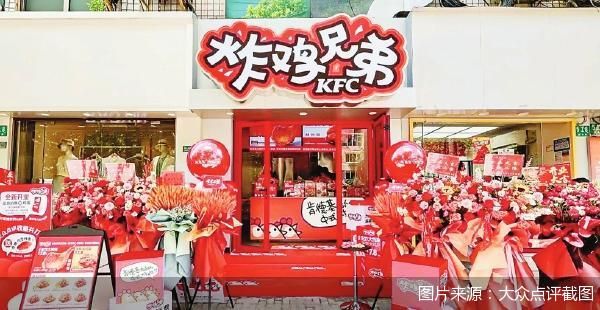
Core Viewpoint - KFC has entered the fried chicken market with the launch of two specialized stores in Shanghai, named "Fried Chicken Brothers," focusing on Chinese and Korean fried chicken, indicating a strategic move into niche segments of the fried chicken industry [1][4]. Product Offering - The Chinese store emphasizes traditional offerings such as fried chicken legs and wings, with an average spend of approximately 22 yuan per customer [3]. - The Korean store features eight unique sauces and offers various combinations of boneless fried chicken, with an average spend of around 28 yuan per customer [3]. - Overall, both stores maintain a customer spending average of about 20 yuan, significantly lower than KFC's regular outlets [3]. Brand Strategy - "Fried Chicken Brothers" retains strong ties to the KFC brand, using "KFC" in its branding and marketing to leverage brand recognition [4][5]. - The brand aims to utilize KFC's established supply chain and logistics network to ensure consistent quality and cost control, enhancing its competitive pricing [5]. Market Positioning - The launch of "Fried Chicken Brothers" is part of KFC's broader strategy to penetrate niche markets and attract younger consumers who prioritize value, particularly during late-night dining hours [5][6]. - The Chinese fried chicken market is highly competitive, with over 16,000 stores reported by September 2024, indicating a crowded landscape with established players [6]. Operational Challenges - For "Fried Chicken Brothers" to achieve scalable growth, it must address two main challenges: maintaining profitability while offering high value and differentiating itself from existing competitors [6]. - The feasibility of KFC's multi-brand strategy is supported by its mature supply chain, which allows for rapid replication of store models and reduced trial-and-error costs [6].