
特药险

Search documents
政府工作报告首次“点题”!万亿商业健康保险,走向哪里?
券商中国· 2026-03-16 03:32
Core Viewpoint - The government work report emphasizes the acceleration of commercial health insurance development, aiming to better meet the diverse medical and medication needs of the public, marking the first time commercial health insurance has been specifically addressed in such a report [1]. Group 1: Background and Current Status - The inclusion of "accelerating the development of commercial health insurance" in the government work report reflects the growing recognition of its importance. The commercial health insurance market has been developing for years, but it still has a long way to go to meet the targets set by regulatory bodies [2][3]. - In 2020, the health insurance sector generated a premium income of 817.3 billion yuan, with a target of exceeding 2 trillion yuan by 2025. However, by 2025, the combined premium income from life and property insurance companies is projected to be only 997.3 billion yuan, which is half of the target [3]. Group 2: Structural Changes in the Market - The commercial health insurance market has undergone structural changes, with significant contributions from property insurance companies, which saw a 104% increase in health insurance premiums from 111.4 billion yuan to 227.4 billion yuan, while life insurance companies only saw a 9% increase [4]. - The focus of health insurance has shifted from critical illness insurance to medical insurance, with the latter experiencing robust growth due to various product innovations and market demands [4][5]. Group 3: Policy and Regulatory Environment - The development of commercial health insurance is increasingly integrated into the national multi-level medical security system, with regulatory bodies emphasizing its role in enhancing healthcare coverage and supporting the development of innovative drugs and medical devices [6][7]. - The introduction of the commercial health insurance innovative drug directory is expected to reshape the insurance product system, encouraging the development of specialized products and clearer terms for coverage [9]. Group 4: Future Development Directions - The focus for future development includes product innovation, expanding coverage to include individuals with pre-existing conditions, and providing comprehensive health solutions that address the entire lifecycle of health risks [10][11]. - Insurers are encouraged to break down industry barriers and actively integrate into the healthcare ecosystem, which involves collaboration with medical institutions and leveraging data to enhance risk management and product offerings [12].


两会|全国政协委员孙洁:打通创新药落地“最后一公里”
券商中国· 2026-03-05 15:19
Core Viewpoint - The article emphasizes the need for improved accessibility and affordability of high-value innovative drugs in China, particularly through the collaboration of commercial health insurance and public health insurance systems [3][4][6]. Group 1: Accessibility of Innovative Drugs - The issue of accessibility to innovative drugs is highlighted, with China ranking second globally in the number of innovative drugs launched, yet facing significant challenges in their adoption and payment [3]. - In December 2025, the National Healthcare Security Administration introduced the "Commercial Health Insurance Innovative Drug Directory," which includes 19 high-value innovative drugs that are not covered by basic medical insurance, promoting a dual-track payment system [3][4]. - Despite the introduction of the commercial insurance directory, challenges remain in the clinical implementation of these drugs, including insufficient prescription guidelines and limited risk management by insurance companies [3][4]. Group 2: Recommendations for Improvement - Recommendations include granting commercial health insurance companies the authority to develop guidelines and clinical pathways for high-value innovative drugs, fostering a collaborative governance model [3][4]. - Suggestions also include optimizing performance metrics for public hospitals to enhance the application of innovative drugs and allowing hospitals to accept funding from commercial insurance [4][5]. Group 3: Development of Huimin Insurance - Huimin insurance has gained importance in alleviating high medical costs for the public, but it faces challenges such as limited drug coverage and insufficient funding [6][7]. - Recommendations for Huimin insurance include promoting personal account payments, exploring diverse funding sources, and transitioning from a universal to a more targeted approach in coverage [6][7]. - The article suggests expanding the coverage of innovative drugs within Huimin insurance and encouraging the development of specialized insurance products that align with Huimin insurance [7]. Group 4: Integration of Services - The article discusses the need for better integration of insurance services with healthcare and elderly care, especially in the context of an aging population [8]. - It suggests that insurance product development should focus on combining commercial pension insurance with care services, and health insurance with health management services [8]. - Recommendations include enhancing information sharing between insurance companies and relevant government departments and healthcare institutions to ensure sustainable product offerings for the elderly [8].

商保支付在京破局:十八条新政打通数据壁垒与产业协同
Bei Jing Shang Bao· 2026-02-13 02:04
Core Viewpoint - The release of the "Beijing Commercial Health Insurance Eighteen Measures" aims to enhance the quality and development of commercial health insurance in Beijing, addressing long-standing issues in the industry and promoting data sharing and innovation in insurance products [1][2]. Group 1: Policy Measures - The "Eighteen Measures" include six main areas: strengthening product innovation, deepening collaboration with the pharmaceutical industry, enhancing service capabilities, optimizing settlement models, reinforcing regulatory cooperation, and strengthening organizational support [3]. - The measures encourage the inclusion of elderly and chronic disease patients in insurance coverage, aiming to better meet the health insurance needs of diverse groups [6][7]. Group 2: Data Sharing and Innovation - The establishment of a data-sharing mechanism for medical expenses and health records is a key focus, which is expected to address the lack of actuarial data in product design [2][4]. - The new policy allows for commercial insurance to cover innovative drugs without being restricted by existing regulations, facilitating better access to high-value treatments [4][8]. Group 3: Market Dynamics - The commercial health insurance market is projected to reach CNY 997.3 billion by 2025, with a significant shift towards medical insurance products that cater to innovative drugs, which are expected to see a compound annual growth rate of 70% over four years [5][6]. - The measures aim to break down barriers for high-risk groups, allowing for a broader range of potential insured individuals, including those with pre-existing conditions [6][7]. Group 4: Future Directions - The industry is transitioning towards a "3.0 era," characterized by a balanced product structure and a shift from traditional reimbursement models to value-based insurance that integrates health management services [8][9]. - Insurers are encouraged to leverage data platforms for optimizing actuarial models and to develop innovative insurance products targeting specific health conditions, enhancing user engagement and risk management capabilities [9].
商保支付在京破局 十八条举措欲破数据壁垒
Bei Jing Shang Bao· 2026-02-12 16:06
Core Viewpoint - The release of the "Beijing Commercial Health Insurance Eighteen Measures" aims to enhance the quality and development of commercial health insurance in Beijing, addressing long-standing issues in the industry and promoting data sharing and innovation in insurance products [1][2]. Group 1: Data Sharing and Innovation - The measures emphasize the establishment of a data-sharing mechanism for medical expenses, health check-ups, and imaging tests, which is expected to resolve the lack of actuarial data in product design [2][3]. - The policy encourages the development of innovative insurance products that are not restricted by existing regulations, particularly for high-value innovative drugs [3][5]. Group 2: Market Growth and Challenges - The commercial health insurance market is projected to reach CNY 997.3 billion by 2025, indicating a significant growth opportunity as it approaches the CNY 1 trillion threshold [4]. - The industry faces challenges such as rising product prices and increased claims, which have led to a mismatch between supply and demand in the critical illness insurance segment [4][5]. Group 3: Inclusion of Diverse Insured Groups - The measures advocate for relaxing underwriting conditions to include elderly individuals and those with chronic diseases, thereby expanding the potential insured population [5][6]. - The policy also proposes using personal medical account funds for purchasing eligible commercial health insurance products, creating a substantial funding pool for the market [5][6]. Group 4: Service Optimization and Industry Transformation - The measures call for the optimization of service experiences, including online insurance applications and claims processing, as well as collaboration with rehabilitation and nursing institutions [6][8]. - The industry is encouraged to transition from traditional fee-for-service models to value-based insurance products that integrate health management and proactive risk control [8]. Group 5: Strategic Role of Commercial Health Insurance - The measures position commercial health insurance as a proactive partner in the healthcare ecosystem, responding to the need for a multi-tiered medical security system and supporting pharmaceutical innovation [7][8]. - The industry is entering a "3.0 era," characterized by balanced product structures and a shift towards personalized insurance solutions driven by data analysis and risk management [7][8].
商保支付在京破局:十八条新政打通数据壁垒与产业协同
Bei Jing Shang Bao· 2026-02-12 14:30
Core Viewpoint - The release of the "Beijing Commercial Health Insurance Eighteen Measures" aims to enhance the quality and development of commercial health insurance in Beijing, addressing long-standing issues in the industry and promoting data sharing and innovation in insurance products [1][4][10]. Group 1: Policy Measures - The "Eighteen Measures" include six main areas: strengthening product innovation, deepening collaboration with the pharmaceutical industry, enhancing service capabilities, optimizing settlement models, improving regulatory cooperation, and reinforcing organizational support [5]. - The measures emphasize the need for data sharing mechanisms to improve product design and risk assessment, addressing the industry's reliance on outdated pricing models [4][11]. Group 2: Market Dynamics - The commercial health insurance market is projected to reach CNY 997.3 billion by 2025, indicating a significant growth opportunity as it approaches the CNY 1 trillion threshold [7]. - The market is experiencing a shift from critical illness insurance to medical insurance, with a projected compound annual growth rate of 70% for claims related to innovative drugs, highlighting the increasing demand for diverse medical services [8]. Group 3: Targeting New Insured Groups - The new measures encourage insurance companies to relax underwriting conditions for elderly individuals and those with chronic diseases, aiming to better meet the health insurance needs of various demographics [8][9]. - The policy allows the use of personal medical insurance accounts for purchasing commercial health insurance, creating a substantial potential funding pool for the insurance market [9]. Group 4: Industry Transformation - The measures signal a shift from passive supplementary roles of commercial health insurance to active collaboration with the medical and pharmaceutical sectors, aiming to build a multi-tiered healthcare system [10][11]. - The industry is moving towards a "3.0 era," characterized by balanced product structures and customized offerings, with a focus on integrating health management services into insurance products [10][11].

中国人寿:以保障之力护民生安康 深耕健康保险高质量发展新路径
Zhong Guo Xin Wen Wang· 2026-01-28 06:53
Core Viewpoint - The article emphasizes the ongoing development of China's multi-level medical security system during the "14th Five-Year Plan" period, highlighting the expanding role of commercial health insurance in meeting public health needs and enhancing service quality [1][2]. Group 1: Health Insurance Development - Since the "14th Five-Year Plan," the company has established a collaborative health insurance development framework, including medical insurance, nursing insurance, disability insurance, and critical illness insurance, launching over 350 health insurance products [2]. - The company has extended coverage to non-healthy populations and chronic disease groups, focusing on expanding coverage for the elderly, children, and newlyweds, ensuring comprehensive protection [2]. - A tiered medical insurance matrix has been formed, including inclusive medical, million medical, mid-range medical, and high-end medical insurance, catering to diverse protection needs [2]. Group 2: Service Innovation - The company has innovated a "health insurance + health management" service model, providing a full range of services including health consultation, medical assistance, health promotion, and rehabilitation care [3]. - By 2025, the company aims for health insurance claims to exceed 78.8 billion yuan, with a focus on improving claims efficiency and customer service through digital transformation [3]. - The introduction of a "critical illness one-day claim" green channel ensures that eligible claims are processed on the same day, with over 1.06 billion yuan in claims serviced for 234,000 customers by 2025 [3]. Group 3: Future Outlook - Looking ahead to the "15th Five-Year Plan," the company plans to focus on enhancing the multi-level medical security system, emphasizing the supplementary role of commercial insurance and implementing health-first development strategies [4]. - The company aims to enrich product offerings, enhance service experiences, and strengthen digital operations and risk management capabilities to provide warmer health insurance services [4]. - The company remains committed to the principle of "insurance for the people," responding to industry development challenges and public health expectations, contributing to the health of the nation [4].

中再寿险人事调整:张楚任党委委员
13个精算师· 2025-12-14 02:05
Group 1 - The insurance industry has seen frequent executive changes since 2015, with over 50 companies appointing new leaders, including chairpersons and general managers [2] - A trend of younger and more specialized management is emerging, as evidenced by the appointment of Zhang Chu as a member of the party committee at China Life Reinsurance Co., Ltd. [2] - The leadership change at China Life Reinsurance reflects the company's confidence and determination to achieve high-quality development [2] Group 2 - Zhang Chu holds a master's degree in economics from Renmin University of China and has North American actuarial qualifications, with 19 years of experience in the financial sector [3] - He has previously held various leadership roles in actuarial and product development departments, showcasing a solid foundation in statistics, actuarial science, and insurance [3][4] - Zhang has contributed significantly to the actuarial profession in China, leading research and publishing important reports on sustainable development in insurance [4] Group 3 - Zhang Chu has a strong innovative mindset, having pioneered the "special drug insurance" product, which enhances accessibility to advanced medical resources for families [4] - He has led initiatives to develop insurance products tailored for specific groups, such as veterans and union workers, contributing to a multi-tiered social security system [4] - The expectation is that Zhang will play a vital role in actuarial pricing, product innovation, and market expansion, aligning with the company's strategic goals during the "14th Five-Year Plan" period [4]

镁信健康 IPO收证监会备案反馈!直指资质合规、数据安全、股权激励等关键问题
Sou Hu Cai Jing· 2025-10-11 05:00
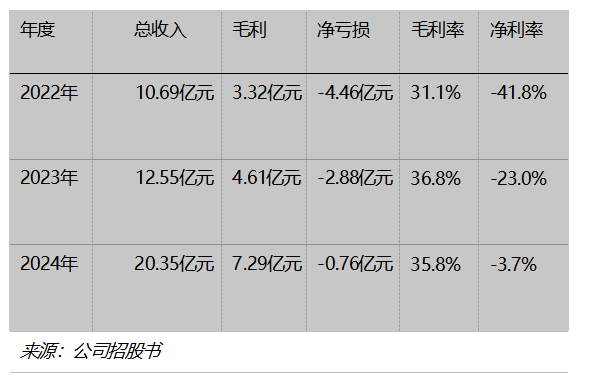
Core Viewpoint - The company, Meixin Health, is facing significant challenges in its IPO journey due to regulatory scrutiny, financial losses, and ongoing legal disputes, which have raised concerns about its compliance and business model sustainability [1][12][19]. Regulatory Compliance - The China Securities Regulatory Commission (CSRC) has requested Meixin Health to address five core compliance issues before proceeding with its IPO, including business qualifications, data security, stock incentive plans, shareholder rights, and core business model disclosures [2][3][4]. Financial Performance - Meixin Health has reported cumulative losses exceeding 800 million RMB over three years, with cash reserves plummeting by 92% from 22.01 billion RMB in 2021 to just 1.66 billion RMB by April 2025 [4][9][11]. - The company's revenue has shown growth, with projected revenues of 10.69 billion RMB, 12.55 billion RMB, and 20.35 billion RMB for 2022, 2023, and 2024 respectively, reflecting a compound annual growth rate of approximately 38% [4][5]. Business Model and Revenue Streams - The company's main revenue comes from two core business segments: "Smart Drug Solutions" and "Smart Insurance Solutions," which together account for over 95% of total revenue [6][7]. - The "Smart Drug Solutions" segment has faced challenges due to low profit margins, while the "Smart Insurance Solutions" segment has maintained higher margins, increasing from approximately 72% in 2022 to 81.5% in 2024 [7][8]. Legal and Reputational Risks - Meixin Health is embroiled in a legal dispute with Tianxiao Technology, which has accused it of misappropriating trade secrets, potentially impacting its reputation and compliance standing [19][26]. - The ongoing legal issues pose a challenge for the company as it seeks to establish credibility with investors and regulators during its IPO process [26]. Market Environment and Financing Challenges - The company has experienced a slowdown in financing activities, with a significant drop in capital raised from 21.3 billion RMB in 2021 to just 1.78 billion RMB in early 2023, reflecting a tightening capital market environment [17][18]. - Increased reliance on debt financing has raised concerns about financial sustainability, especially given the company's ongoing operational losses [10][17]. Industry Trends - The "Huiminbao" insurance product, a key revenue source for Meixin Health, is facing growth challenges and rising claims, leading to concerns about its long-term viability and potential "death spiral" risks [14][15][16]. - Regulatory scrutiny of innovative insurance products, particularly those related to high-cost medications, has intensified, creating additional compliance challenges for the company [12][13].
前8个月健康险保费收入达7599亿元 财险公司保费增速快于人身险公司
Zheng Quan Ri Bao Wang· 2025-09-30 07:53
Core Insights - The health insurance premium income for life insurance companies reached 578.4 billion yuan, a year-on-year increase of 0.5%, while property insurance companies reported 181.5 billion yuan, a growth of 8.9%, leading to a total health insurance premium income of 759.9 billion yuan, up 2.4% year-on-year [1][2] Group 1: Market Trends - The growth rate of health insurance premiums has slowed to 2.4% in the first eight months of the year, attributed to consumer tendencies to cut non-essential spending, product homogeneity, and competition from public health insurance [2][3] - The disparity in growth rates between life and property insurance companies is notable, with property insurance companies showing a higher growth rate due to their focus on short-term products and innovative offerings [3] Group 2: Long-term Potential - Experts remain optimistic about the long-term growth potential of health insurance, driven by factors such as an aging population and increasing health awareness among residents [3][4] - The integration of commercial health insurance into a multi-payment system is encouraged by policies, providing opportunities for product innovation and industry collaboration [3][4] Group 3: Role of Multi-Payment Platforms - Multi-payment platforms, such as Shanghai Meixin Health Technology Group, are enhancing the efficiency and value of health insurance services through innovative payment models and comprehensive service systems [4][5] - These platforms are crucial in connecting medical, pharmaceutical, and insurance sectors, reflecting the ongoing development of the "medical insurance" ecosystem [4][5] Group 4: Industry Development - The growth of multi-payment platforms supports the healthy development of both the insurance and pharmaceutical industries by filling coverage gaps and improving patient payment capabilities [5][6] - These platforms are becoming essential links in enhancing the accessibility of innovative medical products and improving the overall healthcare experience for patients [6]
镁信IPO的幕后故事,医药险小巨头们为何走向了不同的命运?
Di Yi Cai Jing· 2025-07-15 02:46
Core Insights - The healthcare sector is experiencing a surge in IPOs, with 18 companies raising over 18 billion yuan, indicating renewed confidence in the pharmaceutical and health industry [1] - Magnesium Health, a unicorn valued at over 10 billion yuan, has submitted its IPO application to the Hong Kong Stock Exchange, drawing significant attention [1] - The company reported a revenue of 2.035 billion yuan in 2024, with a compound annual growth rate of approximately 38% from 2022 [3] Company Overview - Magnesium Health has raised over 3 billion yuan in the primary market since its establishment in 2017 and has served approximately 393 million insurance policies [1][3] - The company operates a light-asset platform model, connecting pharmaceutical companies, insurers, and patients without owning pharmacies or hospitals [4] - Its revenue is primarily derived from two segments: intelligent drug solutions and health insurance solutions, contributing 1.207 billion yuan and 731 million yuan, respectively, in 2024 [3] Competitive Landscape - Magnesium Health's business model differs significantly from competitors like Yuanxin Technology and Sipai Health, which have heavier asset models and face higher operational costs [4][5] - Yuanxin Technology has reported cumulative losses of nearly 2.5 billion yuan from 2020 to 2023, while Sipai Health's market value has plummeted from 30 billion HKD to around 4 billion HKD [6][7] - The pharmaceutical insurance sector is witnessing a shift towards a multi-layered medical security system, with the introduction of the "Class C Drug Directory" aimed at enhancing access to innovative drugs [9][10] Market Trends - The Chinese innovative drug market is projected to grow from 162 billion yuan in 2024 to 410.2 billion yuan by 2030, with a compound annual growth rate of 16.7% [8] - The commercial health insurance market is expected to expand from 977.3 billion yuan to 2.36 trillion yuan during the same period, with a compound annual growth rate of 15.8% [8] - The "flywheel effect" described in Magnesium Health's IPO documents highlights a self-reinforcing growth cycle that connects insurers, pharmaceutical companies, and patients [9] Strategic Positioning - The recent policy changes and the establishment of the "Class C Drug Directory" provide a favorable environment for companies like Magnesium Health, which are positioned at the intersection of drug services and innovative payment solutions [11][12] - The company aims to explore a "reverse insurance" strategy, enhancing its role as a key hub in a multi-faceted payment ecosystem [14] - The evolving medical payment landscape in China is moving towards integration, with platform-based companies attempting to bridge gaps in the current system [15]