玩偶等)

Search documents
一缕羊驼毛的千年旅程
Ren Min Ri Bao· 2025-11-20 22:21
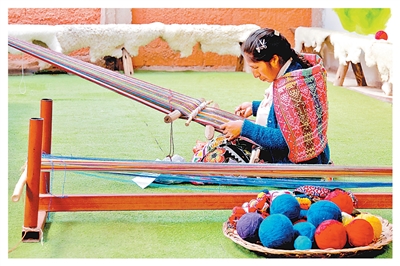
Core Insights - The article highlights the cultural and economic significance of alpacas in the Andes region, emphasizing their historical role in human civilization and their current status as a vital resource for local communities [1][2][5]. Group 1: Historical Context - Alpacas, along with llamas and other camelids, have coexisted with humans for thousands of years, serving as a crucial resource for textiles and transportation [1]. - Archaeological evidence from sites in Peru indicates that ancient civilizations utilized camelids for sustenance and material needs, showcasing their importance in the Andes [1]. Group 2: Cultural Significance - In Andean civilizations, alpacas have been revered as symbols of wealth and community, with their wool used for clothing and trade, reflecting social status [2]. - The cultural practices surrounding alpacas, such as traditional shearing ceremonies and the use of alpaca wool in weddings and blessings, illustrate their deep integration into local customs and beliefs [4]. Group 3: Economic Impact - Approximately 85% of camelids in the Andes are raised by smallholder farmers, impacting the livelihoods of around 200,000 families and contributing to food security and cultural heritage [2]. - The alpaca industry is transitioning from raw material production to high-value products, with local enterprises combining traditional textile techniques with modern design to access international markets [5][6]. Group 4: Globalization and Market Trends - The Peruvian government recognizes Andean textile traditions as part of national cultural heritage, promoting the preservation and global appreciation of alpaca culture [6]. - The continuous opening of the Chinese market has provided new opportunities for alpaca products, with Peruvian companies participating in international trade fairs to showcase their offerings [6].

“小谷子拉动大消费”:谷子经济发展特征、趋势与相关建议
Zhong Guo Yin Hang· 2025-09-04 07:39
Group 1: Market Growth and Trends - The "Guzi economy" market size in China is projected to grow from 58 billion yuan in 2020 to 168.9 billion yuan by 2024, nearly tripling in size[9] - By 2029, the overall market size is expected to reach 308.9 billion yuan[9] - The number of related enterprises in the Guzi economy has increased from 78,900 in 2015 to nearly 7 million by mid-2025, an increase of 87 times[9] Group 2: Consumer Demographics - Consumers aged 18 to 40 account for over 78% of Guzi product purchases, with the Gen Z demographic contributing more than 50%[13] - Female consumers' share in the Guzi economy is projected to rise from 67% in 2023 to 78% by 2025[13] - High-tier cities account for over 80% of Guzi consumption, indicating potential growth in lower-tier markets[13] Group 3: Challenges and Recommendations - Insufficient copyright protection is harming the interests of original creators and consumers, necessitating stronger IP protection measures[34] - Market disorder due to irrational speculation is disrupting the Guzi economy, highlighting the need for regulatory oversight[34] - The industry faces challenges from homogenized competition, which limits growth potential, suggesting a need for innovation in IP development and product differentiation[36]

这家店来上海了!有粉丝排队9小时扫货
第一财经· 2025-08-23 14:40
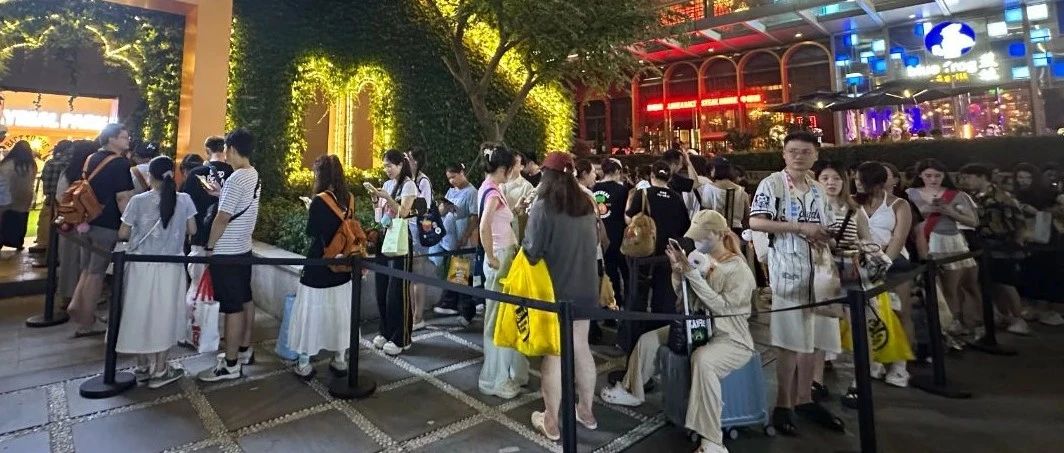
Core Viewpoint - The article highlights the booming fan economy, exemplified by the recent opening of STAYREAL PARK in Shanghai, which attracted a large number of fans from the band Mayday, showcasing the strong emotional connection fans have with their idols and the resulting consumer behavior [3][8]. Group 1: STAYREAL PARK Overview - STAYREAL PARK is a pop-up theme store created by the creative brand STAYREAL, which has traveled to over ten cities including Beijing, Hangzhou, Chengdu, and Shenzhen [3]. - The brand STAYREAL was founded in 2007 by Mayday's lead singer Ashin and artist Bu Erliang, with a mission to encourage people to stay true to their dreams [3]. Group 2: Fan Engagement and Consumer Behavior - Fans queued for 2 to 9 hours to enter the park, indicating a high level of dedication and enthusiasm for exclusive merchandise [6][8]. - The merchandise includes limited edition items, with prices ranging from over 100 to 300 yuan, attracting both local and out-of-town fans [4][6]. - Fans often assist each other in purchasing items, demonstrating a community spirit among them, with no price markups involved in the reselling process [6][8]. Group 3: Market Trends and Implications - The collaboration between Starbucks and Mayday's STAYREAL series saw significant demand, with items being resold at up to four times their original price in secondary markets [8]. - The underlying logic of the fan economy is based on emotional value derived from recognition of stars and IPs, leading to increased spending on concerts and merchandise [8].