二次元文化

Search documents
研判2026!中国二次元服装行业产业链、市场规模、用户规模、竞争格局、行业趋势分析:二次元服装市场迅速崛起,市场规模突破200亿元[图]
Chan Ye Xin Xi Wang· 2026-02-08 01:28
Core Insights - The two-dimensional clothing market has rapidly emerged as a significant force in the apparel industry, primarily focusing on costumes inspired by anime, games, and web novels, gaining popularity due to its novelty and quirky appeal [1][8] - The market size of China's two-dimensional clothing is projected to reach 22 billion yuan by 2025, with a year-on-year growth of 10.0%, driven by the rapid development of the two-dimensional industry and the cultural penetration of two-dimensional culture [1][8] - The demand for clothing has evolved from traditional cosplay outfits to more everyday and scene-specific styles, including Lolita, Hanfu, and IP co-branded apparel, supported by favorable policies [1][4] Market Overview - The two-dimensional clothing industry encompasses apparel products related to two-dimensional IP images, including anime peripheral clothing and cosplay outfits, catering to diverse consumer preferences [3] - The user base for two-dimensional clothing is expected to grow to 575 million by 2024, with a year-on-year increase of 8.9%, predominantly among younger consumers aged 18 to 30 [8] Industry Policies - Recent government policies have aimed to promote events like anime festivals, providing a broader development space for the two-dimensional clothing industry [4] - Specific measures include optimizing approval processes and enhancing safety regulations to support the growth of cultural and entertainment events [4] Industry Chain - The upstream of the two-dimensional clothing industry includes IP licensing and raw material supply, while the midstream involves production, and the downstream consists of online and offline sales channels [6][7] - E-commerce platforms have become the primary sales channel, leveraging large traffic and diverse marketing strategies to reach a wider audience [7] Competitive Landscape - The two-dimensional clothing industry features a diverse competitive landscape with large apparel groups, design-oriented companies, and emerging startups competing for market share [9] - Key players include Jin Hong Group, Bi Yin Le Fen, and various other companies specializing in two-dimensional apparel [9][10] Development Trends - There is a growing demand for improved craftsmanship and quality in clothing, particularly in cosplay and traditional styles, pushing businesses to enhance their production standards [11] - Personalized customization is becoming mainstream, with companies adopting smart technologies to offer unique clothing options [12] - Increased emphasis on copyright protection is evident as brands take measures to safeguard their intellectual property against counterfeiting [13]


江西省两会上的“新”声音:澎湃“建设力” 共谋新发展
Xin Lang Cai Jing· 2026-01-29 13:35
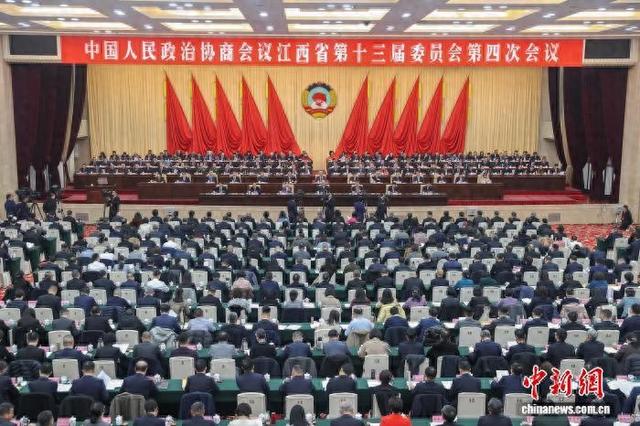
Group 1 - The core focus of the Jiangxi Provincial Two Sessions is on high-quality development, with new social strata individuals contributing insights on industrial development and social welfare [1] - Jiangxi is rich in cultural tourism resources, with a 13.8% increase in total tourism expenditure in 2025 and over 600,000 inbound tourists [1] - Proposals during the sessions emphasize the need for a digital tourism trading platform to enhance cultural confidence and address the issue of "having resources but no assets" in the tourism sector [2] Group 2 - The integration of AI in the digital content industry is highlighted as a means to deepen the fusion of cultural resources with cutting-edge technology, aiming to create immersive digital cultural products that reflect Jiangxi's identity [2] - The digital industry is identified as a key driver for cultivating new productive forces, with recommendations for a "chain integration" system and enhanced regional collaborative innovation [2] - The importance of establishing a local AI application ecosystem rooted in Jiangxi's industries is stressed, with a call for relevant departments to lead planning efforts to leverage AI for industrial development [4] Group 3 - The emergence of the "二次元" (two-dimensional) culture presents new opportunities for the consumer market, with suggestions for government support and collaboration between industries to integrate traditional culture with modern elements [5]
社交、体验感和即时满足是年轻人“回归线下”的主因
Zhong Guo Qing Nian Bao· 2026-01-15 02:25
Group 1 - The core viewpoint of the article highlights a significant trend among young people returning to offline shopping and socializing in various interest-based venues, with 72.6% of surveyed youth feeling they are shopping more in physical stores recently [1][3] - The survey indicates that popular offline consumption venues for young people include large shopping malls (68.5%), themed street districts (48.4%), and creative markets (44.3%) [3][4] - The rise of interest-driven, immersive experiences in shopping environments, such as pop-up events and themed areas, is attracting young consumers who seek social interaction and unique experiences [2][5] Group 2 - The survey reveals that 58.5% of young respondents enjoy the social aspect of shopping, while 55.4% appreciate the authentic experience of trying products in-store [6][7] - Young consumers are spending an average of 501-1000 yuan monthly on offline activities, with 48.5% of respondents falling within this spending range [5] - The article notes that the appeal of offline shopping includes immediate gratification, with 53.5% of respondents preferring to take purchases home immediately rather than waiting for delivery [7]
近八成受访青年看好线下消费场景的发展
Zhong Guo Qing Nian Bao· 2026-01-15 02:25
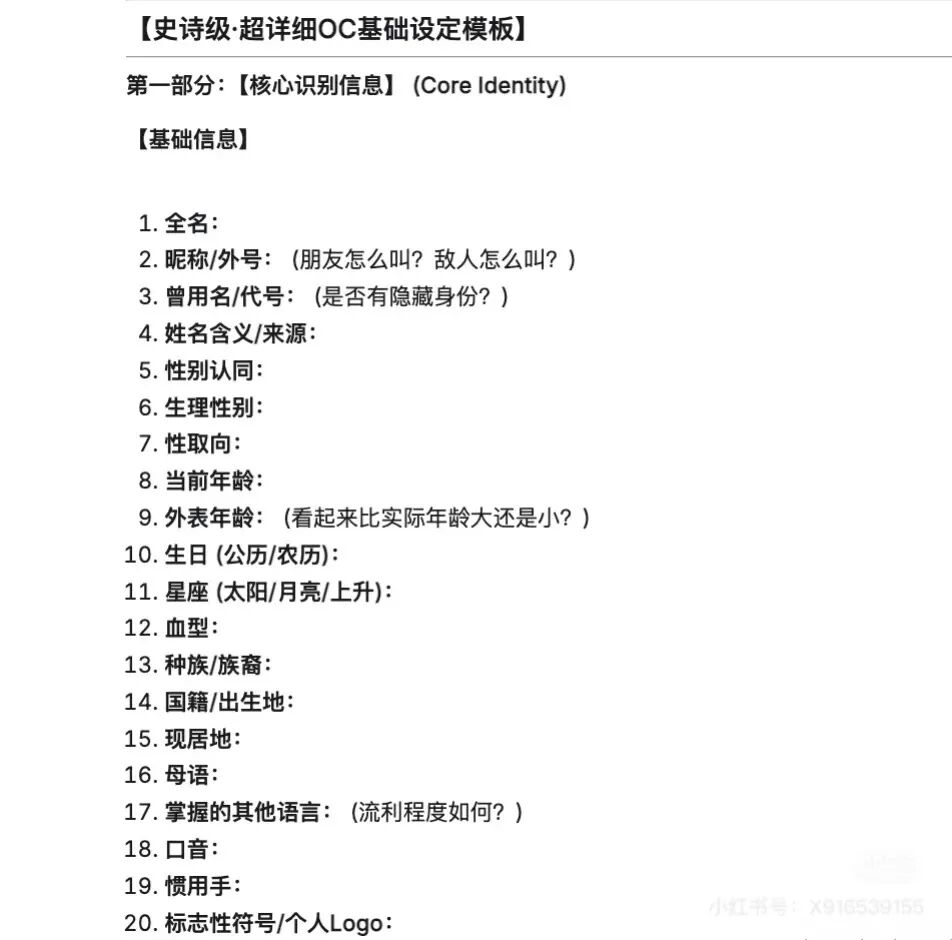
Core Insights - The article highlights the growing importance of offline consumption scenes among young people, with 79.1% of surveyed youth optimistic about their development and 84.3% prioritizing interactivity and immersion during shopping experiences [1][5]. Group 1: Offline Consumption Trends - Offline shopping is becoming a social and interactive experience for young people, moving away from the reliance on electronic screens [2][3]. - The emergence of themed streets and interactive activities is providing opportunities for deeper social connections, allowing young people to engage face-to-face [3][4]. - A significant portion of youth (63.9%) believes that offline shopping helps them escape screens and reconnect with the real world, while 59.2% feel it adds vibrancy to urban life [3][4]. Group 2: Future Expectations - 62.7% of surveyed youth expect future offline consumption scenes to be more community-oriented, while 62.3% desire thematic experiences and 61.7% seek interactive and social elements [5]. - The article suggests that the future of offline consumption will be more integrated, combining shopping with entertainment and immersive experiences [4][5]. - There is a call for more unique and locally inspired offline activities to differentiate them from the competition, as many current offerings are seen as homogeneous [4].
一分钟奖励30000元,新风口火过短剧,巨头纷纷入场
华尔街见闻· 2026-01-05 11:10
Core Viewpoint - The article discusses the rapid growth and potential of "manga dramas" (漫剧), a new form of animated short series that is gaining popularity among young audiences, particularly on platforms like Douyin and Kuaishou. This trend is seen as a significant shift from traditional live-action short dramas, with projections indicating a market size that could exceed 20 billion yuan in the near future [4][6][27]. Group 1: Market Growth and Trends - The popularity of manga dramas is reflected in Douyin's data, which shows that in October 2025, the platform's manga dramas surpassed 6.1 billion views, with several series achieving over 100 million views each [6][27]. - The total number of manga dramas launched in the first half of 2025 reached 3,000, with a monthly compound growth rate of 83%, and revenue growth saw a 12-fold increase [6][27]. - Multiple brokerages predict that the annual market size for manga dramas could exceed 20 billion yuan, potentially reaching one-third of the revenue generated by live-action short dramas [6][27]. Group 2: Industry Participation and Competition - Major internet companies, including traditional long-video platforms like iQIYI and Bilibili, as well as short-video platforms like Douyin and Kuaishou, are entering the manga drama space, indicating a competitive landscape [6][27]. - Douyin has introduced incentive policies for manga drama creators, offering guaranteed payments and revenue sharing that can reach up to 30,000 yuan per minute for top-performing works [9][28]. - The entry of various players into the manga drama market is driven by the desire to capture user engagement and leverage AI technology to reduce production costs and enhance content diversity [28][29]. Group 3: Technological Impact - The integration of AI in the production of manga dramas has significantly lowered the barriers to entry for creators, allowing for faster and more cost-effective content creation [9][24]. - AI tools have enabled teams to produce high-quality manga dramas at a fraction of the traditional costs, with production times reduced to 10-13 days and costs ranging from 1,000 to 2,500 yuan per minute [24][26]. - The current production model allows for a more diverse range of content, appealing to a broader audience, particularly young males aged 18-30, who make up over 60% of the viewership [30][32]. Group 4: Future Outlook and Challenges - The future of manga dramas is seen as promising, with the potential to fill gaps in the male-oriented content market and attract younger viewers through innovative storytelling and visual presentation [32][33]. - However, industry analysts caution that the focus should remain on content innovation rather than solely on technological advancements, to avoid a race to the bottom in production quality [33].

厦门动漫嘉年华启幕 假期快来这里赴次元之约
Xin Lang Cai Jing· 2026-01-01 13:35
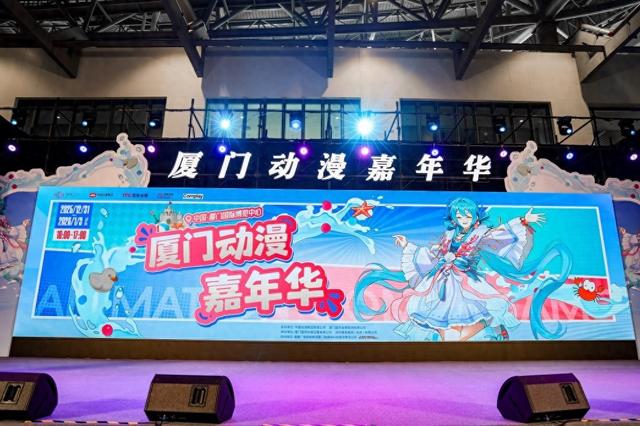
Core Insights - The Xiamen Animation Carnival, co-hosted by China Animation Group and Xiamen International Trade Exhibition Group, officially opened at the Xiamen International Exhibition Center and will run until January 3, 2026, featuring over 100 participating companies across various sectors of the animation industry [1][3] Group 1: Event Overview - The carnival integrates professional exhibitions, themed spaces, and interactive activities, creating an online and offline linked animation ecosystem for fans [1] - The event covers a wide range of industries including animation IP, game development, model figures, trendy peripheral products, and digital technology [1][5] Group 2: Industry Impact - The carnival serves as an open platform for mutual benefits, allowing fans to engage with creators and enabling companies to reach target audiences and understand market demands [3] - It aims to promote high-quality development of the animation and gaming industry in Xiamen by connecting upstream and downstream enterprises [3][6] Group 3: Special Features - A "Launch Zone" has been created to focus on four key areas: animation IP, digital content, trendy peripheral products, and gaming technology, establishing a new high ground for national animation launches [3] - The event features numerous core project releases, including platforms and innovative content from various companies, as well as exclusive merchandise for fans [3][5] Group 4: Future Prospects - The Xiamen Animation Carnival is expected to continue acting as a bridge for collaborative innovation in the industry, enhancing local original animation capabilities and fostering international cultural exchanges [6]

前11月,我市文化产品出口额同比增长11.75%——“遨游”新蓝海,向价值链更深处“潜行”
Nan Jing Ri Bao· 2025-12-24 02:19
Group 1: Company Performance and Growth - Nanjing Pan Taike Cultural Industry Development Co., Ltd. (Pan Taike) has seen its export growth exceed 10% this year, contributing to a total cultural product export value of 79.06 billion yuan from Nanjing, a year-on-year increase of 11.75% [1] - The company specializes in high-end art paper products and has expanded its international presence since 2005, with a focus on meeting the growing demand for quality printing materials in Europe and the U.S. [1] - Pan Taike has developed high-end art micro-spray paper tailored for the "二次元" (2D) culture, utilizing a 12-color technology for better color accuracy and saturation, catering to collectors' demands for quality and emotional value [2] Group 2: Market Expansion and Innovation - The company is exploring new growth opportunities by tapping into emerging markets and adapting to changing consumer preferences, particularly in the Asian region [2] - Pan Taike's strategy includes offering customized paper solutions for various photography styles, enhancing the artistic value of photographic works [2] - Jiangsu Gaochun Ceramics Co., Ltd. has also expanded its market reach, particularly in the Middle East, Central Asia, and Russia, by integrating local cultural elements into its product designs [3][4] Group 3: Industry Recognition and Collaboration - Jiangsu Yuanli Digital Technology Co., Ltd. has gained recognition in the gaming industry, with its involvement in the award-winning RPG "Baldur's Gate 3," which has sold over 15 million copies globally since its release [4] - The company collaborates with major industry players like Sony Group and Electronic Arts, leveraging its technical expertise to enhance global IP offerings [5]
2025年中国二次元文化行业市场研究报告
硕远咨询· 2025-11-18 09:18
Investment Rating - The report does not explicitly state an investment rating for the industry Core Insights - The Chinese ACG (Animation, Comic, Game) industry has surpassed 100 billion RMB in market size as of 2024, showing strong and steady growth, particularly among the younger generation, especially Gen Z and post-2000s consumers [25][26] - The industry is expected to continue growing at an annual rate of over 15% in the next five years, indicating significant market potential both domestically and internationally [26] - The core elements of the ACG culture include visual arts, character design and storytelling, fan culture and community interaction, as well as derivative products and business models [11][12] Industry Overview - The ACG culture originated in Japan and has evolved into a unique cultural phenomenon encompassing various forms such as anime, manga, games, and virtual idols [4][6] - The rapid development of internet technology has facilitated the dissemination and innovation of ACG culture, leading to the formation of active fan communities [7][11] - The ACG culture has become an essential part of contemporary youth life, influencing their values, aesthetics, and social interactions [6][12] Market Demand Analysis - The primary user demographic consists of young individuals aged 15 to 30, with a higher proportion of male users, although female participation is rapidly increasing [31][32] - Over 40% of core ACG users are willing to pay for legitimate content, reflecting a growing recognition of quality and copyright [36][37] - The demand for diverse content is expected to grow, with emerging forms such as light novels, digital music, and interactive stories gaining traction [44][45] Competitive Landscape - Major players in the industry include Bilibili, Tencent Animation, and NetEase Comics, which dominate content creation, platform operation, and derivative product development [51][53] - New and emerging companies are driving innovation and diversity in content, often focusing on niche markets and utilizing new technologies [54][56] - The market is characterized by a concentration of power among leading companies, which hold over 60% of the market share, while smaller firms contribute to the industry's dynamism and innovation [55][56] Policy Environment - The Chinese government has implemented various policies to support the cultural industry, emphasizing the integration of culture and technology, as well as the protection of intellectual property rights [63][64] - These policies aim to create a favorable environment for the development of the ACG industry, promoting innovation and international cultural exchange [64]

2025谷子经济市场前景及供需两端详细梳理分析报告
Sou Hu Cai Jing· 2025-10-16 08:53
Group 1 - The core viewpoint of the report highlights the rapid growth of the "Guzi" economy, driven by a shift from niche subculture to mainstream consumer market, with a market size of 168.9 billion yuan in 2024 and an expected growth to over 300 billion yuan by 2029, reflecting a compound annual growth rate (CAGR) of 17.79% from 2017 to 2024 [1][22][21] - The "Guzi" products, which are affordable and range from 10 to 200 yuan, have gained popularity among younger consumers, with an average single purchase of 102 yuan and an increase in monthly purchase frequency from 2.3 times in 2023 to 2.9 times in 2025, indicating strong user engagement [1][2][3] - The user base for the "Guzi" economy is substantial, with over 500 million individuals in the pan-anime demographic in China as of 2024, and 88.71% of anime enthusiasts expressing willingness to purchase "Guzi" products [2][29] Group 2 - The supply side of the "Guzi" economy is being optimized, with a notable shift from Japanese IP dominance to the rise of domestic IPs such as "Love and Deep Space" and "Identity V," which are now leading in sales, showcasing the improvement in domestic IP creation capabilities [3][4][5] - The IP licensing system in China has seen significant growth, with retail sales of licensed products reaching 155.09 billion yuan in 2024, doubling since 2017, and the licensing fees increasing from 3.82 billion yuan in 2019 to 5.99 billion yuan [4][30] - The diversification of sales channels, including online platforms like Tmall and JD.com, as well as offline stores, has enhanced consumer access to "Guzi" products, with a rapid expansion of retail outlets in the sector [4][5][22] Group 3 - The "Guzi" economy is expected to benefit from the cultural confidence and the ongoing development of domestic IPs, which are becoming increasingly relevant in the context of rising spiritual consumption among younger generations [5][21][22] - The market is currently concentrated in high-tier cities, with over 55.25% of consumers located in first-tier cities, but there is significant potential for growth in lower-tier cities, where GDP growth is projected to be 6.1% annually from 2023 to 2028 [3][4][22] - The social attributes of "Guzi" products amplify their market impact, with over 70% of consumers sharing their purchases on social media, transforming these products into social media tools that attract new users [2][3][4]

养OC:追星已过时,二次元观众正在自创角色
3 6 Ke· 2025-10-10 00:03
Core Insights - The concept of Original Character (OC) has evolved into a cultural phenomenon among young people, particularly in the context of social media platforms like Xiaohongshu and Weibo, where sharing OC experiences has become a fashionable trend [1][8] - OC creation serves as an emotional outlet for young individuals, allowing them to express their creativity and connect with their feelings in a more personal and liberated manner compared to traditional fandom activities like watching dramas or following idols [1][19] - The OC culture has given rise to a comprehensive industry chain that includes content creation, visual presentation, and monetization opportunities for creators [1][8] OC Creation Process - The process of creating an OC typically begins with defining the character's name, traits, and backstory, which helps in building a rich and multidimensional character [2][5] - Continuous development and interaction are essential for maintaining an OC, with creators often updating their characters' stories and visuals to keep them dynamic [4][5] Community Engagement - Many OC creators engage with the community by sharing their characters and collaborating with others, which can include interactions between different OCs, creating partnerships, and even participating in offline events like cosplay [4][7] - The emotional investment in OCs is significant, with creators often referring to themselves as "OC moms," indicating a deep personal connection to their characters [7] Monetization Opportunities - The OC culture has led to various monetization avenues, including selling character development questionnaires and offering commission-based artwork or writing services [8][13] - Some creators have successfully sold thousands of questionnaires related to OC development, indicating a strong market demand for such products [13] - Custom OC-related games and physical merchandise, such as dolls and figurines, are emerging as new revenue streams, with prices varying based on complexity and size [13][16] Demographics and Challenges - The OC community primarily consists of young individuals, including many middle and high school students, which has raised concerns about financial management and potential disputes over payments for commissioned work [16] - The emotional and financial investment in OCs can lead to significant spending, with some individuals reportedly spending large sums on character development [8][16] Cultural Significance - The OC phenomenon reflects a broader trend in the two-dimensional culture, where young people seek to express themselves and interact with the real world through their characters and narratives [19] - This cultural shift indicates that platforms focusing on two-dimensional content may become new avenues for engagement and monetization, providing emotional support and creative outlets for young creators [19]