生数科技Vidu

Search documents
中国AI崛起,“根”在这里
Bei Ke Cai Jing· 2026-01-08 08:52
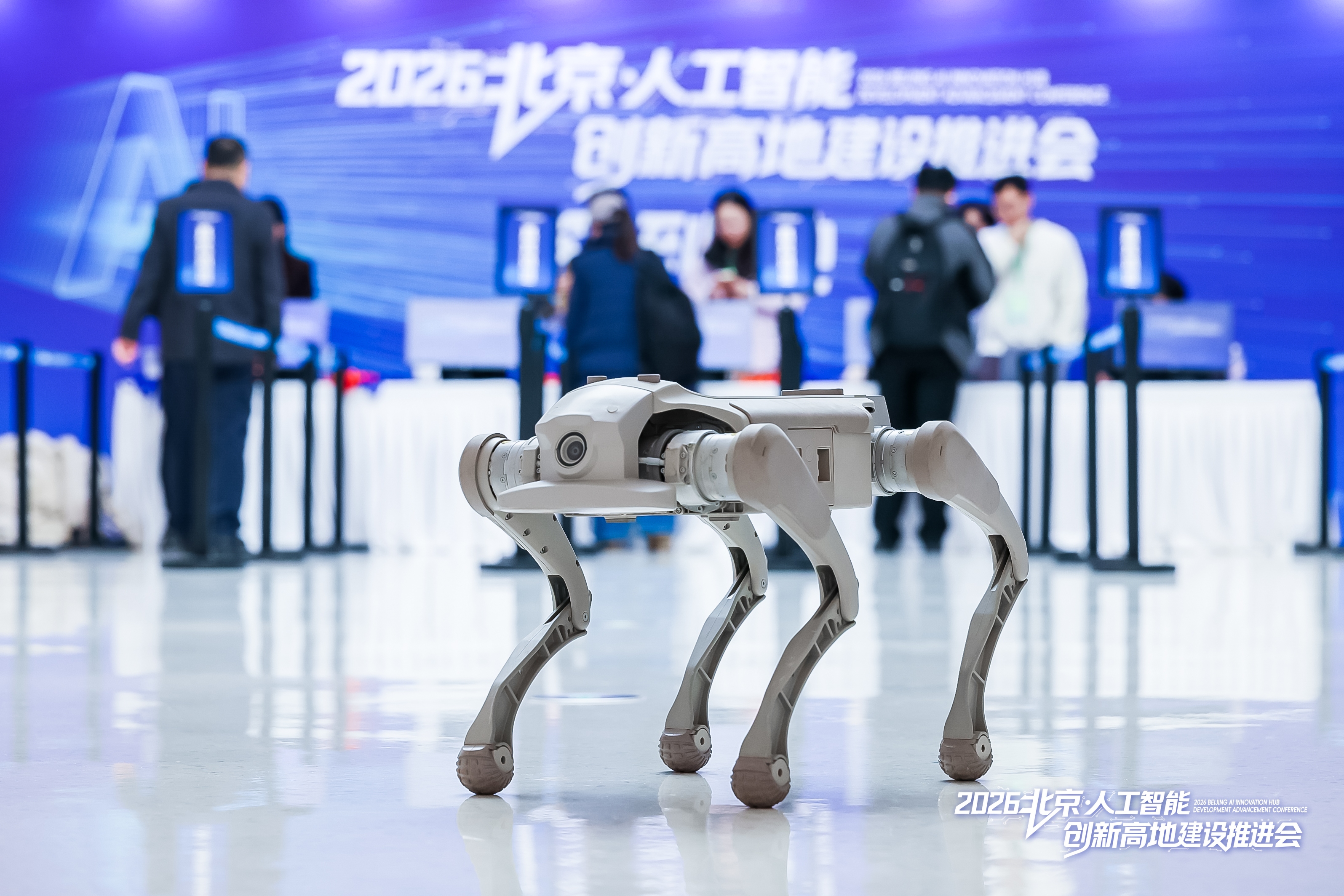
Core Insights - The "AI New Year First Meeting" was held in Beijing on January 5, focusing on the construction of the 2026 Beijing Artificial Intelligence Innovation High Ground [5][18] - Beijing has rapidly advanced its position in the global AI landscape, with numerous prominent AI models emerging from the city [4][8] - The city is recognized as a fertile ground for tech startups due to its talent pool, research resources, and supportive government policies [4][11][18] Group 1: AI Development and Innovation - The Beijing Academy of Artificial Intelligence officially released the "Zhongzhi FlagOS 1.6," a software stack aimed at solving compatibility issues for training large models across different AI chips [5] - Beijing's AI research output is significant, with 7,340.3 adjusted papers and an AI index of 402.59, placing it first globally [8] - The city has transformed from a "follower" to a core source of AI research and innovation [8] Group 2: Talent and Ecosystem - The concentration of high-end, interdisciplinary talent in Beijing is a key factor driving innovation in the AI sector [4][11] - The presence of major universities like Tsinghua University facilitates a strong academic atmosphere, fostering a culture of innovation among young researchers [6][11] - Companies in Beijing benefit from a well-established AI ecosystem that encourages collaboration and avoids isolated development [11][12] Group 3: Government Support and Policy - The Beijing government demonstrates a deep understanding of technological frontiers, providing strong support for long-term investments and early-stage startups [18][19] - The city is developing multiple innovation districts, including the Haidian Original Community, to enhance its AI industry landscape [18][20] - Beijing's development strategy emphasizes a "one committee, one industry, one area, one product" approach to foster AI integration across various sectors [19] Group 4: Industry Growth and Future Prospects - By 2025, Beijing's core AI industry is projected to reach a scale of 450 billion yuan, with over 2,500 companies established [16] - The city is expected to continue leading in AI innovation, contributing to various sectors such as healthcare, governance, and industry [22][23] - The narrative of Beijing's AI development reflects China's commitment to technological self-reliance and innovation [22][23]

AI电影:技术重构生产,生态开启新篇
Soochow Securities international· 2025-12-31 11:20
Investment Rating - The industry investment rating is "Overweight," indicating that the industry index is expected to outperform the market by more than 5% in the next six months [5]. Core Insights - The AI film industry is entering a phase of large-scale implementation driven by technological convergence and policy support, with significant demand for cost reduction and efficiency improvements in the film sector [8]. - AI technology is deeply penetrating the entire film production process, leading to dual breakthroughs in cost reduction and content innovation [8]. - The industry faces both opportunities and challenges, with a need for sustainable development amidst the release of industrial value [8]. - A competitive landscape has emerged with multiple strong players focusing on technology, content, and ecosystem integration [8]. Summary by Sections A. Technological Path Convergence and Policy Support - AI video generation technology has evolved through three stages, currently dominated by the DiT (Diffusion Transformer) architecture, which addresses key issues like frame consistency and physical realism [13]. - Domestic models such as Kuaishou's Keling and ByteDance's Jidream have shown significant advancements, particularly in Chinese semantic understanding and local scene adaptation [17][20]. B. AI's Penetration Across the Film Industry Chain - AI tools enhance script creation and concept design, significantly reducing the time required for these processes [24]. - Virtual filming and digital human applications are optimizing production processes, reducing costs associated with physical sets and actor availability [27]. - Post-production efficiency is improved through AI-driven editing and special effects, with tools enabling high-quality output at lower costs [31]. C. Industry Logic Reconstruction - The positive impacts of AI include significant cost reductions, lowered creative barriers, and the emergence of new content forms like AI comics and interactive films [39]. - Challenges include copyright and compliance risks, content homogenization, and employment impacts due to reduced demand for traditional roles [40]. D. Competitive Landscape - The industry features a multi-strong player dynamic, with key players like OpenAI and Google leading in technology, while domestic companies like Kuaishou and ByteDance are rapidly catching up [42]. - Traditional film companies are increasingly adopting AI to enhance production efficiency, with firms like Huace Film and Light Media leveraging AI for content creation [42].




2025人工智能发展白皮书
Sou Hu Cai Jing· 2025-10-24 03:38
Core Viewpoint - The "2025 Artificial Intelligence Development White Paper" outlines the rapid transformation of AI across technology, industry, and society, providing a comprehensive overview of global AI development trends and future prospects [1][8]. Global Industry Landscape - Different countries exhibit varied development paths in AI, with the U.S. transitioning from "wild growth" to "value reconstruction," experiencing fluctuations in enterprise formation due to increased technical barriers and compliance costs [1][19]. - The UK faces declining entrepreneurial vitality, although venture capital is rebounding, while basic research output has contracted due to Brexit and the pandemic [1][19]. - India encounters challenges such as insufficient computing power and a shortage of top talent, impacting enterprise formation and research ecosystems [1][19]. China's AI Development - China has adopted a unique "application-driven" approach, with a significant increase in AI invention patent applications, positioning itself as a key player in global AI innovation [2][19]. - Shenzhen stands out as a leading city in AI innovation, with a diverse industrial structure and a high concentration of AI-related enterprises, particularly in the Nanshan district [2][19]. - In 2024, Shenzhen's AI sector saw a substantial rebound in equity financing, with job postings related to large models increasing over fourfold year-on-year, indicating strong industrial resilience [2][19]. Technological Advancements - AI is undergoing a critical transition from "perceptual intelligence" to "cognitive and decision-making intelligence," with large models driving this change [3][19]. - Multi-modal capabilities are advancing significantly, with notable developments such as Google's Gemini 1.5 Pro and domestic models like Vidu and Qwen 2.5, enhancing local processing capabilities on devices [3][19]. Embodied Intelligence - Humanoid robots are gaining attention, with advancements in physical interaction capabilities, such as Figure 02's ability to lift 25 kg and real-time voice interaction [4][19]. - Brain-machine interface technology is breaking medical boundaries, enabling paralyzed patients to control devices through thought, with potential applications in education and entertainment [4][19]. Smart Terminal Evolution - AI terminals are evolving from isolated devices to ecological hubs, integrating across personal, home, and industrial applications [5][19]. - Shenzhen's comprehensive electronic information industry foundation positions it advantageously in the AI terminal sector, fostering collaboration across the entire value chain [5][19]. Future Outlook - The path toward Artificial General Intelligence (AGI) is becoming clearer, with the integration of quantum computing, supercomputing, and intelligent computing [6][19]. - The emergence of intelligent agents is crucial for AGI implementation, with platforms like Baidu's Wenxin attracting significant enterprise participation [6][19]. Sustainable Development Challenges - AI is reshaping the job market and wealth distribution, creating new roles while posing challenges to traditional jobs [7][19]. - AI's role in high-precision climate forecasting and ecological management is highlighted, although energy consumption concerns remain significant [7][19]. - The AI industry is forming a tightly coordinated ecosystem, with various companies contributing to foundational technologies and applications [7][19].




百元造出科幻大片?AI视频生成“钱景”初显
Bei Jing Ri Bao Ke Hu Duan· 2025-08-23 01:12
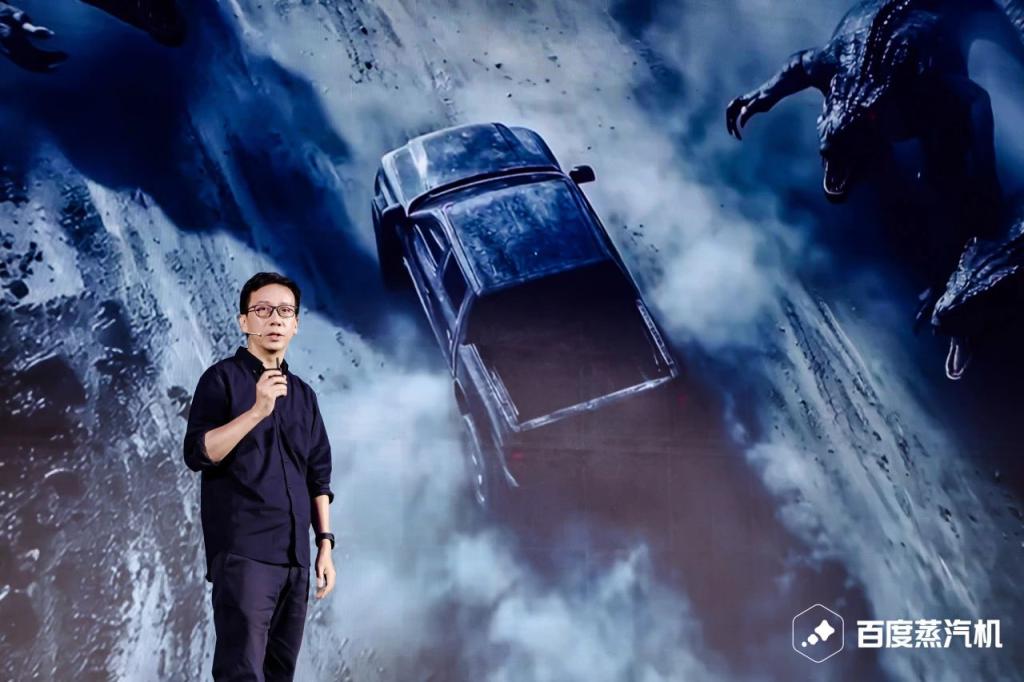
Core Insights - AI video generation technology is rapidly advancing, allowing for the production of high-quality short films at a fraction of the traditional cost, with some projects costing as little as 330.6 RMB [1][5][8] - Major tech companies and startups are competing in the AI video generation space, with various models being developed to enhance content creation efficiency and quality [7][8] Industry Developments - The AI-generated short film "Return" was created by renowned visual effects supervisor Yao Qi, showcasing the capabilities of AI tools in producing cinematic quality content with minimal resources [3][5] - The "Steam Engine" model from Baidu has achieved significant upgrades, enabling integrated audio and video generation, which is a first in the industry [5][8] - The market is witnessing a surge in AI-generated content, with platforms like Douyin reporting high viewership and revenue from AI-generated series [7][8] Financial Performance - Companies like Shengshu Technology reported annual recurring revenue exceeding 20 million USD (approximately 140 million RMB) within eight months of launching their video model [7] - Kuaishou's revenue from its AI tool exceeded 250 million RMB in Q2, a significant increase from 150 million RMB in Q1 [7] Market Trends - The use of AI-generated content is reshaping the industry landscape, with a reported 393.9% year-on-year increase in usage time for AI-generated content [8] - Baidu views its AI video generation model as a key driver for enhancing overall ecosystem engagement, with a notable increase in AI-generated content in search results [8] Technical Challenges - Despite rapid advancements, AI video generation still faces technical limitations, particularly in producing longer videos and achieving real-time generation [10][11] - Current models primarily generate short clips, and significant breakthroughs in technology are required to support industrial-scale production of longer content [11]